
Hear From Our Clients
You’re not looking for a sales pitch. You need to know if your deck is safe, what it’ll cost to fix, and when you can use it again without worrying about someone getting hurt.
That’s what wood deck repair does when it’s done right. The loose boards get secured. The rotting support posts get replaced. The railings stop wobbling. And you get your outdoor space back without spending replacement money.
Most deck problems in East Islip start where you can’t see them. Humid summers and wet winters work their way into the wood. Posts rot from the inside. Joists weaken from constant moisture. By the time you notice the surface damage, there’s usually more going on underneath. That’s why a real inspection matters. You need someone who knows what to look for and tells you the truth about what needs fixing now versus what can wait.
Home Team Construction has spent over 15 years working on decks across Suffolk County. We’re licensed, insured, and we’ve seen what Long Island’s coastal climate does to outdoor structures. East Islip sits close enough to the water that salt air and moisture retention speed up deterioration. We know that. We plan for it.
When we inspect your deck, we’re looking at the foundation, the framing, the fasteners, and the surface. We check for hidden rot, structural weakness, and code compliance. Then we tell you exactly what needs to be done and why. No upsells. No shortcuts. Just the repairs that actually matter.
You’ll get a detailed estimate with transparent pricing. The work gets done by our crew, not subcontractors. And everything we do is backed by a comprehensive warranty.
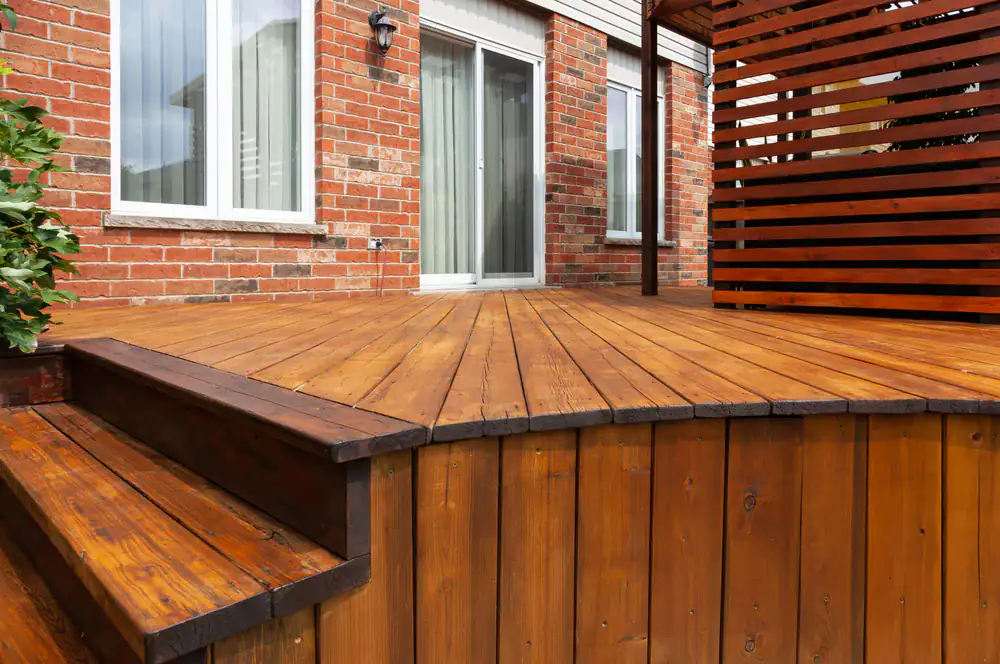
First, we come out and inspect your deck. Not just the boards you can see—we’re checking the structure underneath. Support posts, joists, ledger boards, flashing, fasteners. We’re looking for rot, rust, loose connections, and anything that compromises safety or stability.
Then we walk you through what we found. We’ll show you the problem areas and explain what needs to be repaired versus what’s still solid. You get a written estimate that breaks down materials, labor, and timeline. No surprises.
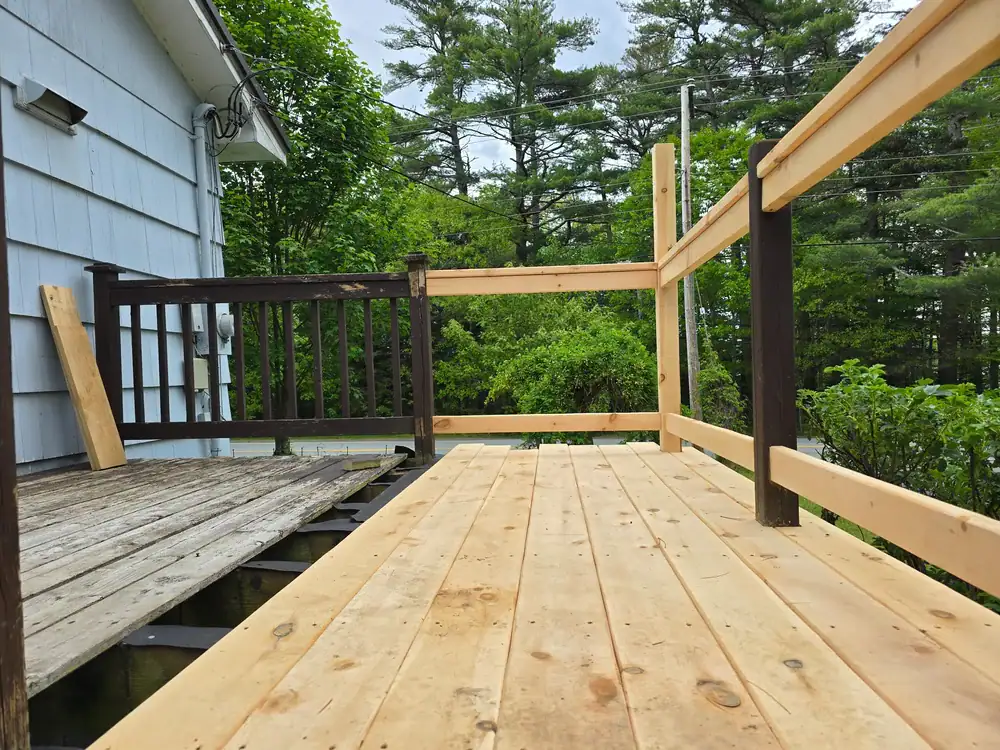
Once you approve the work, we schedule the job and order materials designed for Long Island’s climate. Our crew handles the repairs from foundation to finish—replacing rotted wood, reinforcing weak framing, securing loose railings, fixing surface damage. We follow local building codes and make sure everything is structurally sound before we’re done.
When the work is finished, you’ll have a deck that’s safe to use and built to last. We clean up the site, walk you through what we did, and make sure you’re satisfied before we leave.
Ready to get started?
Every deck repair starts with a full structural inspection. We assess the foundation, support posts, joists, ledger boards, decking surface, railings, stairs, and all hardware. If there’s hidden damage, we find it.
From there, we replace any rotted or damaged wood with materials suited for East Islip’s humid, coastal environment. Pressure-treated lumber for structural components. Proper flashing and moisture barriers where the deck connects to your house. Corrosion-resistant fasteners that won’t fail in a few years.
If your railings are loose or damaged, we secure or rebuild them to meet current code requirements. Stairs get reinforced or replaced if they’re unsafe. Surface boards that are warped, cracked, or splintered get swapped out. Any structural issues—sagging joists, failing support posts, compromised ledger connections—get addressed properly, not patched over.
The goal isn’t just to make your deck look better. It’s to make sure it’s structurally sound and safe for your family to use. In East Islip, that means accounting for moisture exposure, freeze-thaw cycles, and the reality that decks take a beating from Long Island weather. We build repairs that hold up.

Most deck repairs in East Islip run between $1,100 and $1,500, but that depends entirely on what’s wrong. A few loose boards and some railing work might cost less. Structural repairs—rotted support posts, failing joists, ledger board replacement—cost more because there’s more labor and material involved.
The real cost comes down to how much damage there is and whether it’s surface-level or structural. If water has been getting into the framing for a while, you’re looking at more extensive work. If you’re catching problems early, the repair is usually straightforward.
We give you a detailed estimate after the inspection so you know exactly what you’re paying for. No hidden fees. No surprise charges. Just clear pricing based on the actual work your deck needs.
If the foundation and framing are still solid, repair almost always makes more sense. You’re spending a fraction of replacement cost and getting years of safe use out of your deck. Replacement only makes sense if the structure is compromised beyond repair or if you’re looking to completely redesign the space.
During the inspection, we’ll tell you honestly whether repair is viable. If more than 40% of the structure is rotted or failing, replacement might be the better move. But most decks we see in East Islip just need targeted repairs—new boards, railing work, some structural reinforcement.
The key is catching problems before they spread. A few rotted boards today can turn into a full structural failure in two years if moisture keeps working its way through the framing. That’s when repair stops being an option.
Most deck repairs take one to three days depending on the scope of work. Simple surface repairs—replacing a few boards, tightening railings—can be done in a day. Structural work takes longer because we’re dealing with support posts, joists, and framing that require proper installation and sometimes concrete work.
Weather can affect the timeline, especially in winter or during wet stretches. We won’t rush a job just to hit a deadline if conditions aren’t right. Proper repairs need time to be done correctly.
We’ll give you a realistic timeline when we provide the estimate. If anything changes during the job—like discovering additional damage once we open up the structure—we’ll let you know immediately and adjust the schedule and cost accordingly.
Rotting support posts and joists are the biggest issue we see. East Islip’s humidity and proximity to the water mean wood stays damp longer, especially in shaded areas or where drainage is poor. That constant moisture works its way into the framing, and wood rots from the inside out.
Loose or failing railings are common too, usually because the fasteners have corroded or the posts they’re attached to have weakened. Warped or cracked decking boards happen when surface wood expands and contracts through seasonal temperature swings.
Ledger board problems are serious but often overlooked. That’s the board that connects your deck to your house. If the flashing fails or the fasteners corrode, water gets behind it and rots both the ledger and your home’s rim joist. It’s one of the most dangerous failure points on a deck, and it’s hidden until you inspect it properly.
It depends on the scope of work. Minor repairs like replacing a few boards or tightening railings usually don’t require a permit. Structural work—replacing support posts, rebuilding stairs, major framing repairs—typically does.
Town of Islip has specific requirements for deck construction and repair, especially when it comes to structural changes. If we’re doing work that affects the load-bearing capacity or safety of the deck, we’ll pull the necessary permits and make sure everything meets current building codes.
We handle the permit process if it’s needed. You don’t have to deal with the town or figure out what’s required. We know the local codes, we know what inspectors look for, and we make sure the work passes inspection the first time.
Start by walking the deck and paying attention to how it feels. If boards are loose, bouncy, or cracked, that’s a problem. If railings wobble when you lean on them, they’re not secure. Look for soft spots in the wood—press down on boards and posts to see if they give. That’s a sign of rot.
Check where the deck connects to your house. Look for gaps, rust stains, or soft wood around the ledger board. Get underneath the deck if you can and inspect the support posts and joists. Look for discoloration, cracks, or wood that looks punky and deteriorated.
If you see any of those signs, get it inspected. Most deck failures happen because small problems were ignored until they became structural issues. A professional inspection catches hidden damage before it becomes dangerous. We’ll come out, assess the condition, and give you an honest answer about what needs attention and what’s still solid.
Other Services we provide in East Islip