
Hear From Our Clients
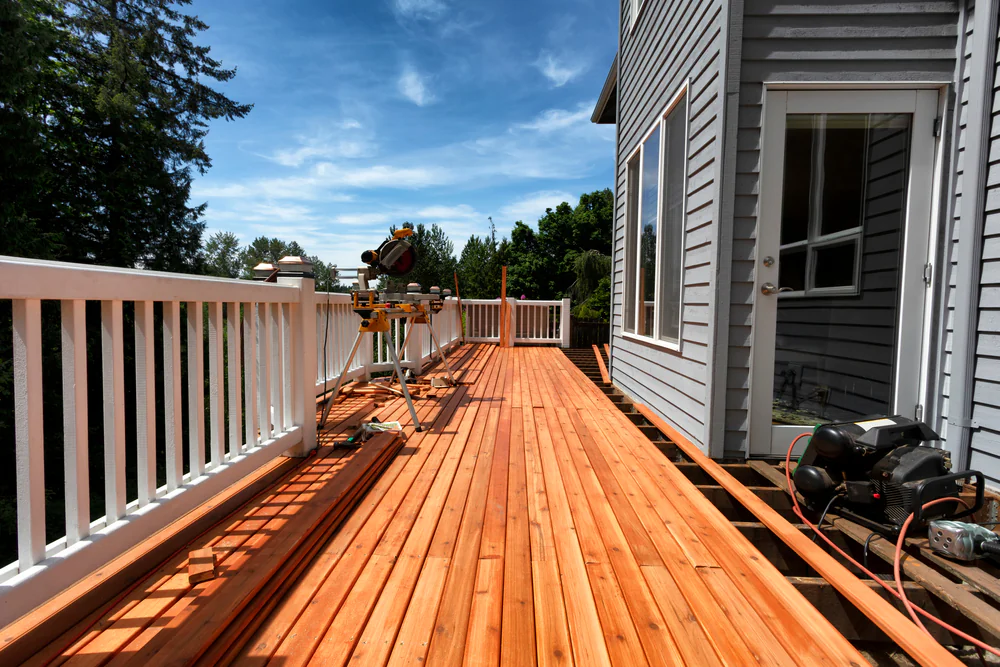
You know that moment when someone steps onto your deck and you hold your breath? That’s not how outdoor living should feel.
Professional deck repair fixes what’s actually wrong—not just what looks wrong. We’re talking about boards that don’t flex under your weight, railings that feel solid when you grip them, and a structure you trust when the whole family’s out there. Long Island’s humid summers and harsh winters do a number on deck materials faster than most people realize. Salt air from the coast reaches inland properties in Dix Hills, accelerating fastener corrosion and wood deterioration. That loose board you’ve been stepping over is your deck’s way of saying it needs attention before the problem spreads.
The difference between a repair that lasts and one that fails in two years comes down to understanding what’s happening underneath. Surface fixes don’t cut it when the real issue is structural. You get a deck that’s safe, looks right, and doesn’t keep you up at night wondering if it’ll hold up through another season.
Home Team Construction has spent over 10 years working on homes across Suffolk County, including right here in Dix Hills. We’re not a national franchise or a crew passing through—we’re your neighbors.
When you hire local deck repair contractors who actually live in the area, you’re working with people who understand how Long Island weather affects your property. We’ve seen what happens to decks that don’t get proper attention, and we’ve fixed enough of them to know what works and what’s just a Band-Aid. Our reputation matters because we’re part of this community. The work we do on your deck reflects on us every time we drive past your house.
You’re getting licensed, insured professionals who show up when we say we will and give you straight answers about what needs fixing and what can wait.
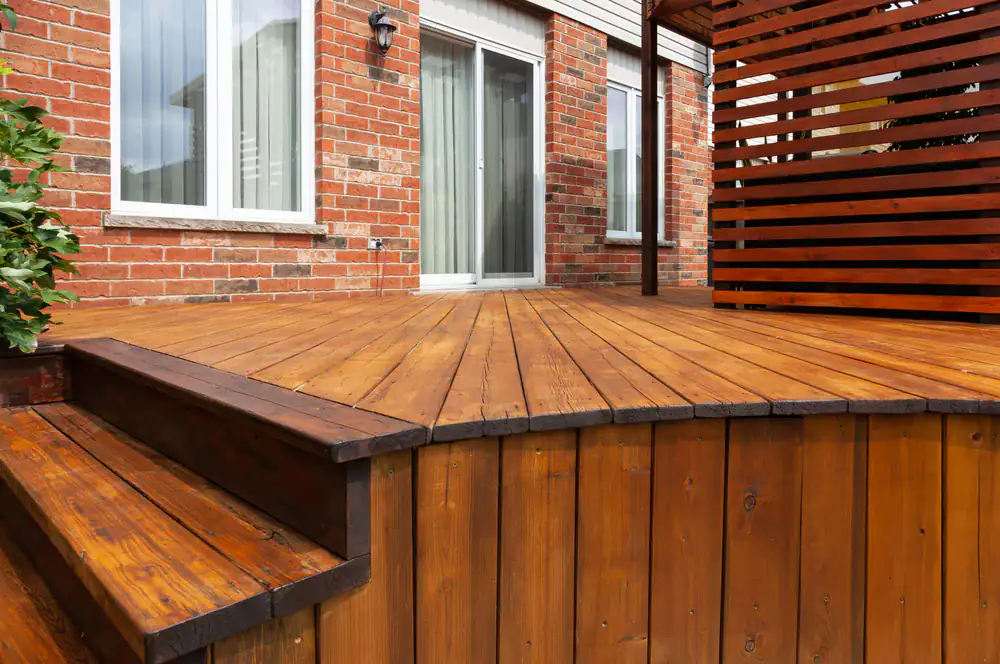
First, we come out and actually look at your deck—not just the obvious problem spots, but the whole structure. We’re checking the foundation, the ledger board connection to your house, the joists underneath, fastener condition, and every board and railing. This matters because what you see on the surface often isn’t the full story.
Then we tell you what we found. No runaround, no upselling. If you’ve got rotting boards but solid structure underneath, we’ll tell you that. If the problem runs deeper and you’re looking at more extensive repairs, we’ll explain why and show you what we’re seeing. You get an upfront estimate before we touch anything.
Once you approve the work, we handle permits if your repairs require them—structural modifications in New York need proper permitting, and skipping that step causes headaches down the road. Our crew shows up with the right materials for Long Island’s climate. We’re not using the cheapest lumber or hardware—we’re using what actually holds up against humidity, salt air, and temperature swings.
The repair gets done right, inspected if needed, and you get documentation of the work. Most deck repairs take one to three days depending on scope, and you’ll know the timeline before we start.
Ready to get started?
Deck repair means different things depending on what’s failing. We handle everything from replacing a few damaged boards to rebuilding entire sections that have rotted out.
Common repairs in Dix Hills include replacing deck boards that have splintered or rotted, reinforcing or replacing railings that don’t meet code or have become unsafe, fixing or rebuilding stairs where stringers have deteriorated, addressing ledger board issues where the deck connects to your house, replacing corroded fasteners and hardware before they fail completely, and treating or replacing support posts and joists showing rot or insect damage.
Long Island’s climate creates specific challenges. The combination of coastal humidity and winter freeze-thaw cycles breaks down wood faster than in drier climates. Pressure-treated lumber that should last 20 years might show problems in 12 if it wasn’t properly maintained. We see this constantly in Suffolk County properties.
You’re also getting someone who knows local building codes. If your deck was built before current regulations, certain repairs might trigger requirements to bring other elements up to code. We handle that conversation honestly so you’re not surprised by scope creep or compliance issues later. The goal is a deck that’s structurally sound, safe for your family, and built to handle what Long Island throws at it.

If repairs would cost more than 50% of what replacement costs, replacement usually makes more financial sense. But most decks don’t need full replacement—they need targeted repairs.
Look at the structure underneath. If your joists, beams, and posts are solid, you can likely repair surface and railing issues without rebuilding everything. The ledger board—where your deck attaches to your house—is critical. If that’s compromised, it’s a serious repair but not necessarily a full replacement. We check for widespread rot, not just isolated damage. A few bad boards are normal after 10-15 years. Half your decking showing rot means deeper problems.
Fastener condition matters too. If screws and bolts are heavily corroded throughout the structure, you’re looking at more extensive work. Safety is the bottom line—if the deck feels unstable or shows significant structural movement, that’s not something to ignore. We’ll walk your deck with you and show you exactly what we’re seeing so you can make an informed decision about repair versus replacement.
Long Island’s climate accelerates deck wear faster than most inland areas. You’re dealing with humid summers, harsh winters with freeze-thaw cycles, and salt air that reaches well beyond coastal properties.
Salt exposure causes fastener corrosion even in Dix Hills. Wind carries salt particles inland, and that moisture speeds up metal deterioration and breaks down wood fibers. Humidity creates perfect conditions for rot and mold, especially in areas where water pools or doesn’t drain properly. If your deck wasn’t built with proper drainage or if leaves and debris collect between boards, you’re trapping moisture against the wood.
Maintenance—or lack of it—plays a huge role. Decks need cleaning and sealing every few years to protect against moisture penetration. Most homeowners skip this until they notice problems, but by then damage has started. The type of wood and hardware used during construction matters too. Lower-grade pressure-treated lumber and standard fasteners fail faster than marine-grade hardware and higher-quality materials. If your deck’s aging faster than expected, it’s usually a combination of climate exposure and deferred maintenance, not defective materials.
It depends on what you’re repairing. Replacing a few boards or fixing railings typically doesn’t require permits. Structural repairs—anything involving joists, beams, posts, or the ledger board—usually do.
New York building codes are specific about structural modifications. If you’re changing how weight is distributed or altering the deck’s connection to your house, that needs permitting and inspection. Rebuilding stairs or adding new support posts falls into this category. The reason this matters is liability and resale. If you sell your house and unpermitted structural work gets flagged during inspection, you’re looking at complications that could delay or kill the sale.
Insurance is another factor. If someone gets hurt on your deck and it comes out that unpermitted structural repairs were done, your homeowner’s insurance might not cover it. We handle permit applications when needed because we know what the town requires and how to get approvals without unnecessary delays. Most permitted deck repairs get approved quickly if the work meets code. It’s not worth skipping this step to save a few hundred dollars when the downside risk is significant.
Properly done repairs using the right materials should last 10-15 years minimum, often longer with basic maintenance. The key word is “properly.”
If we’re replacing boards, we’re using pressure-treated lumber rated for ground contact in high-moisture environments. If we’re replacing fasteners, we’re using coated or stainless hardware that resists corrosion. These choices directly impact longevity. A repair done with standard hardware and lower-grade lumber might look fine initially but will show problems in 3-5 years when fasteners corrode and wood starts deteriorating again.
Climate exposure affects different parts of your deck differently. Horizontal surfaces—decking and railings—take more abuse from sun and rain than vertical posts. Areas with poor drainage or constant shade stay wet longer and deteriorate faster. We account for these factors when making repairs, sometimes recommending upgraded materials for high-stress areas even if the rest of the deck is fine with standard materials.
Maintenance extends repair life significantly. Cleaning your deck annually and resealing every 2-3 years protects the investment you’re making in repairs. Without maintenance, even quality repairs will fail prematurely because you’re not protecting the wood from moisture penetration.
Start with licensing and insurance—non-negotiables for any contractor working on your property. If someone gets hurt or damages your house during repairs, you need to know their insurance covers it.
Ask how long they’ve worked in Suffolk County specifically. Long Island’s climate creates unique challenges, and contractors from other regions might not understand how salt air and humidity affect materials and construction methods here. Experience matters, but local experience matters more. Get references and actually call them. Ask previous customers if the work held up, if the contractor showed up when promised, and if the final cost matched the estimate.
Watch out for contractors who give quotes without thoroughly inspecting your deck. If someone’s giving you a price based on a quick look or photos, they’re guessing. Detailed estimates come from detailed inspections. Be skeptical of prices that seem too good—quality materials and skilled labor cost money. The cheapest bid usually means corners get cut somewhere, either in materials or workmanship.
Ask about warranties on both labor and materials. Reputable contractors stand behind their work. If something fails because of how we installed it, we fix it. That’s how it should work.
You can, but you’re likely wasting money and creating bigger problems. Visible damage is usually a symptom of underlying issues that won’t fix themselves.
That loose board isn’t loose because the board failed—it’s loose because fasteners corroded or the joist underneath is rotting. Replacing the board without addressing why it came loose means you’ll be replacing it again soon. Wobbly railings often indicate post movement or deteriorated connections at the base. Tightening visible bolts might feel like a fix, but if the post is rotting where it meets the deck or ground, you’re just delaying the inevitable.
Deck problems spread. Water that’s rotting one joist will eventually affect adjacent joists. Corroded fasteners don’t corrode in isolation—if some are failing, others are likely compromised too. The longer you wait, the more expensive repairs become because damage expands.
We’re not trying to upsell you on unnecessary work. We’re showing you what’s actually wrong so you can make an informed decision. Sometimes the visible problem is the only problem, and a targeted repair is all you need. But often—especially with older decks—what you’re seeing is just the most obvious sign of broader deterioration. Addressing it properly now costs less than emergency repairs later when something fails completely.
Other Services we provide in Dix Hills