

Hear From Our Clients
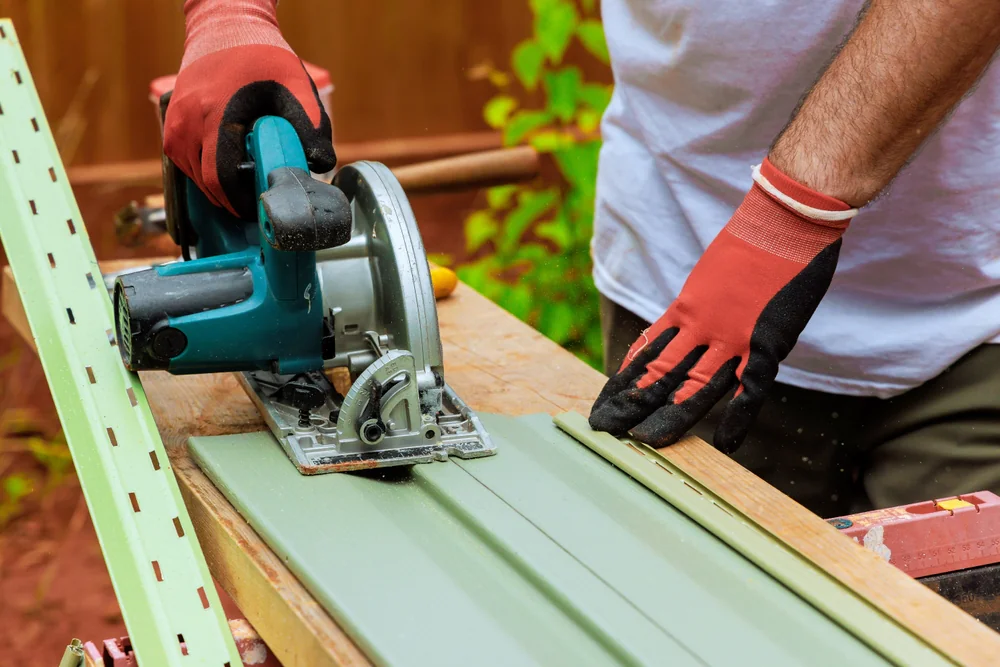
You’re not just fixing a crack or replacing a panel. You’re stopping moisture from rotting your walls, preventing mold from growing behind your siding, and keeping your heating and cooling costs from climbing every month.
Most siding damage starts small. A crack from last winter’s freeze. A loose panel from a summer storm. But once water gets behind your siding, it doesn’t stop. It spreads to your sheathing, your insulation, your studs. What could’ve been a $500 repair becomes a $15,000 structural nightmare.
That’s what happens when repairs don’t address the real problem. When someone patches the surface without checking what’s underneath. When they use the wrong materials for Long Island’s coastal weather. You end up calling for repairs after every storm, replacing the same panels year after year, wondering why nothing lasts.
Good siding repair fixes both the damage you can see and the damage you can’t. It stops water infiltration at the source. It restores your home’s energy efficiency. And it gives you confidence that your biggest investment is protected—no matter what the weather does next.
We’ve spent over 10 years repairing siding throughout Suffolk County. We know what nor’easters do to vinyl siding. We know how salt air affects aluminum. We know which materials hold up in Deer Park’s climate and which ones fail after two seasons.
We’re not a national franchise. We’re local contractors who live and work in the same communities we serve. Our reputation matters because it’s built on the homes you drive past every day. When we repair your siding, we’re not just fixing your house—we’re protecting our own standing in this community.
That’s why we don’t cut corners. Why we document everything for insurance claims. Why we show you exactly what’s wrong and explain why it happened. You’re not getting a sales pitch. You’re getting a straight answer from someone who’s seen this problem a hundred times and knows how to fix it right.
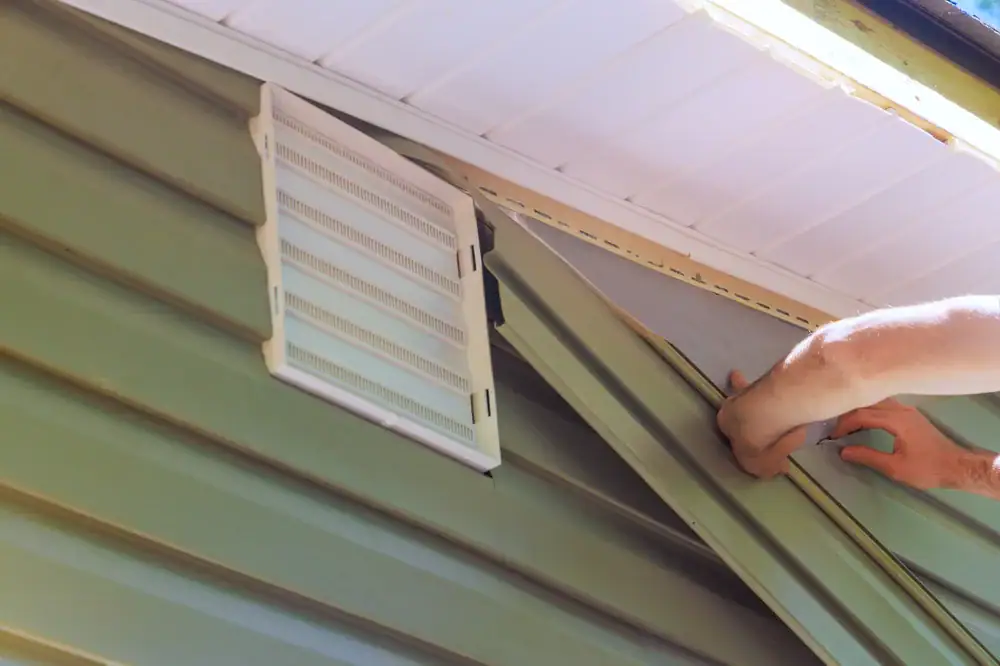
First, we come out and inspect the damage. Not just the obvious stuff—the cracked panel or the missing piece—but what’s happening underneath. We check for moisture infiltration, rotted sheathing, and compromised insulation. We take photos and explain exactly what we find, in plain language, so you know what you’re dealing with.
Then we give you options. Sometimes it’s a simple repair. Sometimes the damage has spread and you need more extensive work. We’ll tell you what needs to happen now and what can wait. We’ll work directly with your insurance company if this is storm damage, providing the documentation they need to process your claim efficiently.
Once you’re ready to move forward, we handle the repair with materials designed for Long Island’s weather. We’re not using whatever’s cheapest or fastest. We’re using what actually lasts here—what holds up against temperature swings, driving rain, and coastal humidity.
We complete the work on schedule, clean up completely, and make sure everything is sealed and protected. You get photo updates throughout the process. And when we’re done, your siding doesn’t just look better—it actually protects your home the way it’s supposed to.

Ready to get started?
Every siding repair starts with a thorough inspection. We assess the visible damage and check for hidden problems—moisture behind panels, compromised house wrap, rotted sheathing. You get a detailed explanation of what’s wrong and why it happened, with photos that show exactly what we’re seeing.
We handle all types of siding materials common in Deer Park homes. Vinyl siding repair for cracks and warping caused by temperature fluctuations. Aluminum siding repair for dents and corrosion from coastal weather. Wood siding repair for rot and insect damage in older homes. Each material requires different techniques and expertise—we’ve been doing this long enough to know what works for each one.
If you’re filing an insurance claim for storm damage, we provide complete documentation. Detailed photos, material lists, scope of work—everything the adjuster needs to process your claim. We’ve worked with every major insurance company and know what they’re looking for.
The repair itself includes removing damaged sections, inspecting and repairing the underlying structure if needed, installing new materials that match your existing siding, and sealing everything properly to prevent future water infiltration. In Deer Park, where homes built in the 1960s make up much of the housing stock, we often find that the original installation wasn’t done to today’s standards. We fix that while we’re repairing the damage—so you’re not just getting a patch job, you’re getting real protection.

Most siding repairs in Deer Park run between $500 and $2,500, depending on the extent of damage and the type of siding. A simple patch job—replacing a few cracked vinyl panels—might cost $500 to $800. More extensive repairs involving water damage to the sheathing underneath can run $1,500 to $3,000 or more.
Here’s what affects the price: the material (wood costs more to repair than vinyl), how much damage has spread behind the siding, whether we need to replace house wrap or sheathing, and how accessible the damaged area is. Second-story repairs cost more than ground-level work because of the equipment and safety requirements.
If you’re dealing with storm damage, your homeowner’s insurance often covers the repair minus your deductible. We work directly with insurance companies and can help you understand what’s covered. The key is getting the repair done quickly—insurance companies don’t want to pay for secondary damage that happens because you waited. A $500 repair today prevents a $15,000 structural repair six months from now when water has been seeping into your walls all winter.
In most cases, you can repair just the damaged section without replacing your entire house. Modern vinyl and aluminum siding is designed to be removed and replaced in sections. As long as we can match your existing siding and the damage hasn’t spread too far, a sectional repair works fine.
The challenge is matching. If your siding is more than 10 years old, the color may have faded from sun exposure. We do our best to find matching materials, and we can sometimes blend the repair by using slightly weathered panels from a less visible area of your house. But there are times when a perfect match isn’t possible—that’s something we’ll tell you upfront during the inspection.
The bigger question is what’s happening behind the siding. If water has been getting in for months, the damage might extend beyond what you can see. We’ve repaired plenty of homes in Deer Park where a small crack led to rotted sheathing across an entire wall section. In those cases, you’re not just replacing siding—you’re rebuilding part of your wall structure. That’s why the inspection matters. We need to see what we’re actually dealing with before we can tell you whether a section repair will hold up or whether you need more extensive work.
Most siding repairs take one to three days, depending on the scope of work. A straightforward repair—replacing damaged panels and resealing—can often be done in a single day. More complex repairs involving structural work or extensive water damage might take two to three days.
Weather plays a role, especially in Deer Park where summer humidity and winter cold can affect installation. We can’t install certain sealants below 40 degrees, and we won’t work in active rain because we need to keep the interior wall dry while the siding is open. If we’re in the middle of a repair and weather forces us to stop, we’ll weatherproof everything temporarily so your home stays protected until we can finish.
The timeline also depends on materials. If we need to special-order siding to match your existing panels, that can add a week or two to the schedule. But we’ll give you that timeline upfront during the estimate—no surprises. And if this is emergency storm damage and your home is exposed to the weather, we’ll install temporary protection immediately while we plan the permanent repair. Your home doesn’t sit open waiting for materials to arrive.
Water stains on your interior walls are the biggest red flag. If you’re seeing discoloration, peeling paint, or bubbling wallpaper near exterior walls, water is getting through your siding. That needs to be addressed immediately before it spreads to your insulation and framing.
Other urgent signs: loose or missing panels after a storm, visible cracks or holes in the siding, warped or buckled sections, and any soft spots when you press on the siding. If you can push on your siding and it feels spongy, the material behind it is probably rotted. That’s not something you wait on.
Less urgent but still important: fading or chalking (where the surface feels powdery), small cracks that haven’t started leaking yet, and higher energy bills without an obvious cause. These suggest your siding is losing its effectiveness. It’s not an emergency, but it’s a sign that problems are developing. In Deer Park’s climate—hot, humid summers and cold winters with freeze-thaw cycles—small problems accelerate fast. The crack that’s not leaking today will be leaking after the next heavy rain. The loose panel that seems fine will be ripped off in the next windstorm. Getting ahead of these issues costs less than waiting until they become emergencies.
Yes, we work directly with insurance companies on storm damage claims. We provide detailed documentation—photos of the damage, material lists, labor estimates, and a scope of work that explains exactly what needs to be repaired and why. Most adjusters appreciate working with contractors who know what they’re looking for and can provide complete information upfront.
Here’s how it typically works: you file a claim with your insurance company, they send an adjuster to inspect the damage, and we provide our assessment and estimate. Sometimes we’re there during the adjuster’s visit, sometimes we submit our documentation separately. Either way, we’re giving them what they need to process your claim efficiently.
Insurance companies want repairs completed quickly to prevent secondary damage. If your siding is compromised and water is getting in, they don’t want to pay for mold remediation and structural repairs six months from now because the initial damage wasn’t fixed. That works in your favor—it means they’re motivated to approve legitimate repairs. We’ve been doing this long enough to know what’s covered and what’s not, and we’ll tell you honestly whether your damage qualifies. We’re not going to waste your time filing a claim that won’t be approved, and we’re not going to inflate estimates to cover your deductible. We document the actual damage and let the insurance company make their decision based on facts.
Vinyl siding holds up best in Deer Park for most homeowners. It handles temperature swings without cracking, doesn’t corrode from salt air, and requires almost no maintenance. Quality vinyl siding lasts 25 to 30 years here if it’s installed correctly. The key is using thicker gauge material—cheap, thin vinyl warps and cracks within 10 years.
Fiber cement is the most durable option but costs significantly more. It’s impervious to moisture, doesn’t rot, and holds paint longer than wood. If you’re in a historic home or want a premium material, fiber cement makes sense. But it requires professional installation and periodic repainting, so the maintenance cost is higher.
Aluminum siding was popular in the 1970s and 1980s, and there’s still plenty of it in Deer Park. It lasts a long time and doesn’t rot, but it dents easily and can corrode near the coast. If you have aluminum siding in good condition, repairs are straightforward. But if you’re replacing large sections, most homeowners switch to vinyl because it performs better in our climate.
Wood siding looks great but requires the most maintenance. In Deer Park’s humid summers, wood needs to be painted or stained every 5 to 7 years to prevent rot. If you’re willing to do that maintenance, wood can last decades. If you’re not, it’ll rot and need replacement within 15 years. We repair plenty of wood siding on older homes, but we’re honest about the upkeep it requires.
Other Services we provide in Deer Park