
Hear From Our Clients
When your siding cracks or pulls away, water doesn’t wait for a convenient time to start causing problems. It gets behind your walls within hours, soaking into sheathing and insulation. What starts as a $500 repair becomes a $15,000 structural nightmare if you wait.
You need someone who understands how fast coastal weather accelerates damage here. Salt air from the bay doesn’t just age your siding faster—it corrodes fasteners, weakens seals, and turns small cracks into entry points for moisture. That’s why vinyl siding repair and aluminum siding repair in North Bellport require different approaches than inland areas.
We’ve spent over a decade fixing storm damage across Suffolk County. We know what happens when panels fail during a nor’easter, and we know how to prevent it from happening again. Our repairs use coastal-grade fasteners and impact-resistant materials that hold up when the next storm rolls through. You get a fix that lasts, not a patch that fails in six months.
We’ve been repairing siding damage in North Bellport and throughout Suffolk County for over ten years. We’re not a national franchise trying to figure out Long Island weather—we live here, work here, and understand exactly what your home faces.
Your neighbors deal with the same challenges you do. Homes built in the 70s, 80s, and 90s with original siding that’s showing its age. Coastal humidity that warps wood siding faster than it should. Storm seasons that seem to hit harder every year, like that August 2024 flooding that caught so many homeowners off guard.
We’re licensed, insured, and local. When we repair your siding, we’re fixing it for the same weather conditions our own homes face. That means we don’t cut corners, and we don’t use materials that barely meet code. You’re getting repairs built to last through many more Long Island storms.
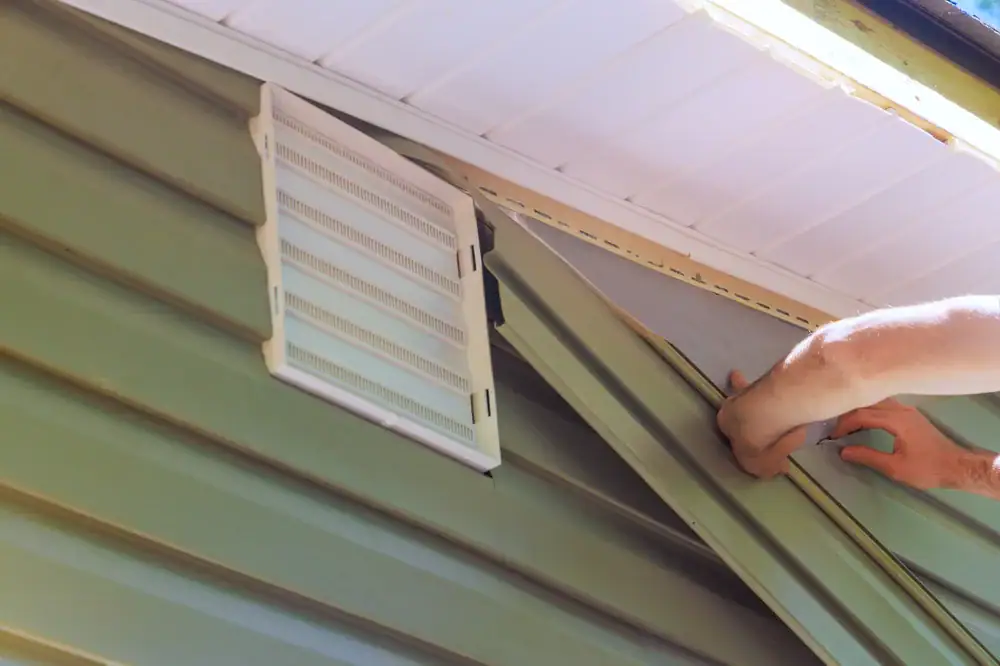
First, we examine the full extent of damage—not just what you can see. Most siding problems have underlying causes, and if we don’t fix those, you’ll be calling someone back in a year. We check flashing, moisture barriers, sheathing condition, and ventilation. We’re looking for why the damage happened, not just where.
Next, we source materials that match your existing siding. We maintain relationships with major manufacturers specifically so we can find discontinued colors and styles that most contractors gave up on years ago. If you’ve got cedar siding from 1985 or vinyl from the 90s, we can match it. Your repair blends in seamlessly instead of standing out like a patch job.
Then we complete the actual repair using proper techniques for your specific siding type. Vinyl requires different fastening than fiber cement. Aluminum needs different flashing than wood. We handle all of it correctly the first time. If there’s underlying water damage, we address that too—replacing rotted sheathing and ensuring your wall cavity is dry before we close it back up.
Finally, we walk you through what we found and what we fixed. If you’re filing an insurance claim, we provide detailed documentation and photos. You get a clear explanation of the work, transparent pricing, and repairs that protect your home long-term.

Ready to get started?
You get same-day emergency response when storms hit. We know that loose siding during sustained winds becomes catastrophic failure fast. Our team responds within 2-4 hours for emergency calls, providing temporary weatherproofing immediately and permanent repairs within 24-48 hours.
You get materials engineered for coastal conditions. Standard vinyl siding cracks in cold weather and fades in salt air. We use impact-resistant panels with UV protection and coastal-grade fasteners that won’t corrode. Your repair holds up to the same conditions that damaged your original siding—but better.
You get comprehensive damage assessment. We don’t just replace the broken panel and leave. We examine why it failed, check surrounding areas for hidden damage, and verify that your moisture barriers and flashing are intact. Many homeowners don’t realize they have water damage behind their siding until we open it up. Finding it early saves you thousands.
You get insurance claim assistance. We work directly with adjusters, providing detailed estimates and proper documentation. We’ve helped hundreds of North Bellport homeowners navigate claims successfully. You don’t have to figure out what your policy covers or how to document damage—we handle that part.

We provide emergency response within 2-4 hours for storm damage calls. When your siding gets ripped off during a nor’easter or damaged by falling branches, every hour counts. Water infiltration starts immediately, and wind can peel away more panels if the damaged section isn’t secured.
Our emergency service includes temporary weatherproofing to protect your home right away. We tarp exposed areas, secure loose panels, and prevent further water intrusion. Then we schedule permanent repairs within 24-48 hours, depending on material availability and the extent of damage.
For non-emergency repairs—like gradual deterioration or minor cracks—we typically schedule within 3-5 business days. But if there’s any risk of water getting into your walls, we treat it as urgent. You shouldn’t have to wait a week while moisture soaks into your sheathing.
Yes, and this is one area where our manufacturer relationships really matter. Most contractors can match current colors easily, but struggle with discontinued styles from 10-20 years ago. We maintain connections with major siding manufacturers specifically so we can source older colors and profiles.
If your siding is still manufactured, matching is straightforward. If it’s been discontinued, we work harder—contacting manufacturers directly, checking specialty suppliers, and sometimes finding new old stock that’s been sitting in warehouses. We’ve matched cedar siding from the 80s and vinyl colors that haven’t been produced since the 90s.
In rare cases where exact matching isn’t possible, we discuss your options clearly. Sometimes that means replacing a full wall section for consistent appearance. Sometimes a close match works fine depending on where the damage is located. We show you samples before we order anything, so you know exactly what you’re getting.
It depends on what caused the damage and what your policy covers. Storm damage—wind, hail, falling trees—is typically covered under most standard homeowners policies. Gradual deterioration, age-related wear, and maintenance issues usually aren’t covered.
We help you navigate this process. We document damage thoroughly with photos and detailed notes about what happened. We provide estimates that break down exactly what needs repair and why. We’ve worked with every major insurance company that operates in Suffolk County, and we know what adjusters look for.
Many homeowners don’t realize they should file a claim because they assume the damage isn’t significant enough. But if a storm caused it, it’s worth calling your insurance company. We can provide an initial assessment before you file, so you know whether it makes sense to involve your insurer. Sometimes the repair cost is close to your deductible, and filing doesn’t make financial sense. We’ll tell you that honestly.
We repair vinyl, aluminum, wood (including cedar), fiber cement, and composite siding. Each material requires different techniques, and using the wrong approach causes more problems than it solves.
Vinyl siding repair requires understanding how panels expand and contract with temperature changes. Fasteners need to be placed correctly with proper spacing, or you’ll get buckling and warping. Aluminum siding repair involves different considerations—you’re working with a material that dents easily but lasts forever if installed correctly. Wood siding repair, especially cedar, requires attention to moisture barriers and proper priming before installation.
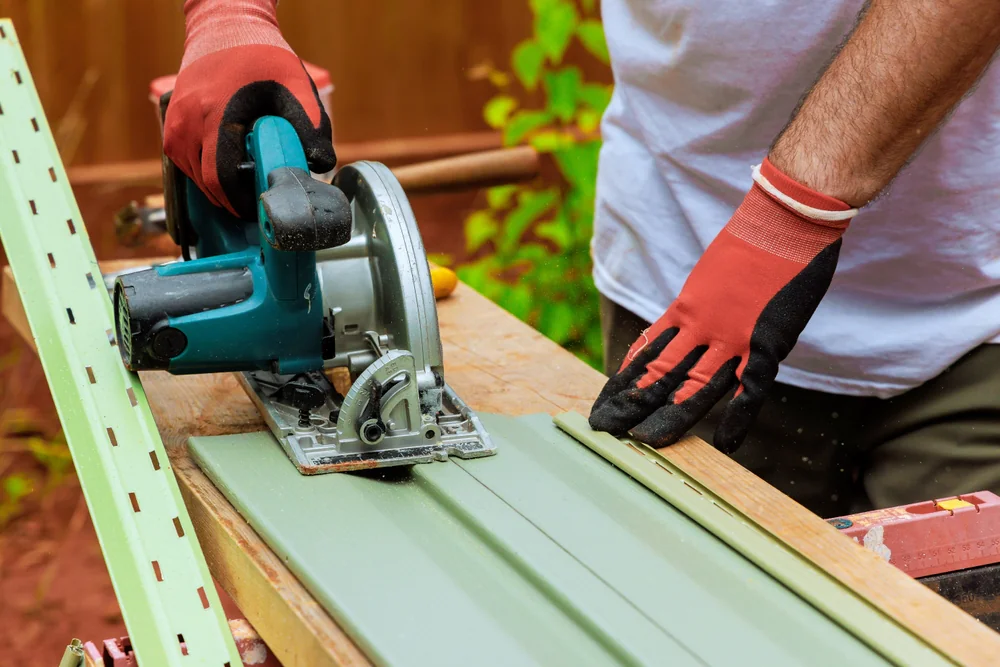
Fiber cement is increasingly common in coastal areas because it holds up well to humidity and salt air. Repairing it requires specialized cutting tools and techniques to avoid cracking. Composite materials vary by manufacturer, and we need to follow their specific installation requirements to maintain any remaining warranty coverage.
If you’re not sure what type of siding you have, we can identify it during our assessment. Sometimes homes have multiple types—vinyl on most walls with cedar shakes on gables, for example. We handle all of it.
You often can’t tell from the outside, which is why comprehensive assessment matters. Cosmetic damage affects appearance but doesn’t compromise your home’s protection. Structural damage means water is getting in, or the siding system isn’t performing its primary job anymore.
Here’s what we look for: If siding is cracked but still firmly attached with intact moisture barriers behind it, that’s often cosmetic. If panels are loose, pulling away from the house, or showing gaps where water can enter, that’s structural. If you see staining, mold, or soft spots on interior walls near the damaged area, water is already getting in.
We remove damaged sections to inspect what’s behind them. Sometimes we find perfectly dry sheathing and intact house wrap—the damage stopped at the siding. Other times we find soaked insulation, rotted wood, and mold growth. You can’t know until you look, and leaving structural damage unaddressed turns a manageable repair into a major renovation.
The good news is that catching it early makes a huge difference. Even if there’s some water damage behind your siding, addressing it now prevents it from spreading to studs, electrical, and interior finishes.
Salt air is the biggest factor. You’re close enough to the bay that salt spray reaches your home regularly, especially during storms. Salt accelerates corrosion on fasteners, breaks down sealants faster, and degrades certain siding materials more quickly than normal weathering.
Humidity is consistently higher in coastal areas, which affects wood siding particularly hard. Cedar and other wood products absorb moisture from the air, expand, and contract more dramatically than they would inland. This movement stresses fasteners and paint, leading to earlier failure. Even vinyl and aluminum siding experience more dramatic temperature swings due to humidity levels.
Storm exposure is more intense near the coast. You get stronger sustained winds during nor’easters, more frequent severe weather, and higher risk of wind-driven rain forcing water behind siding. That August 2024 flooding event hit coastal communities harder than areas just a few miles inland.
This is why using coastal-grade materials matters for repairs in North Bellport. Standard fasteners corrode in a few years here. Standard caulks and sealants break down faster. We use materials specifically rated for coastal environments because we’ve seen what happens when contractors use standard products. They fail early, and you’re paying for the same repair twice.
Other Services we provide in North Bellport