

Hear From Our Clients
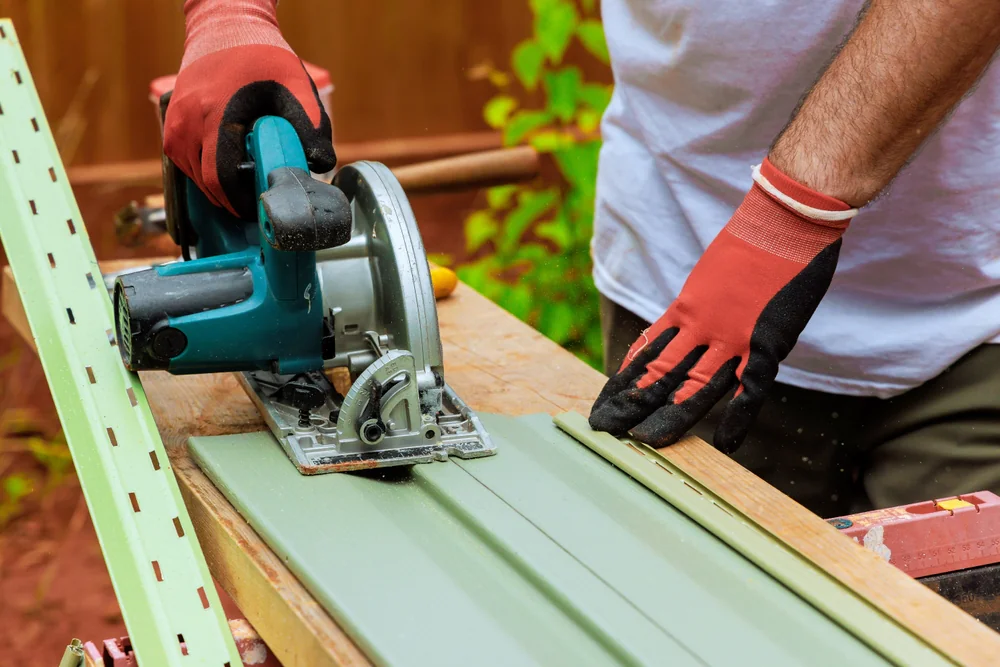
You’re not just getting a patch job. When we repair your siding in East Islip, you’re stopping active water infiltration that’s already working its way into your wall cavities. That means no more moisture creeping behind your exterior, no more mold risk, and no more watching a small problem turn into a structural nightmare.
Your energy bills drop because we seal the gaps that let conditioned air escape. Your home looks like it did before the storm hit—no mismatched colors, no obvious repair lines. And you get your peace of mind back, knowing that Long Island’s next nor’easter won’t find the same weak spots.
Most importantly, you avoid the expensive cascade. A $400 siding repair today genuinely prevents the $4,000 water damage repair six months from now when that moisture finally shows up as ceiling stains or buckled floors.
We’ve been repairing siding across East Islip and Suffolk County since before the superstorms that taught everyone how vulnerable coastal homes really are. We’re licensed, we’re local, and we understand exactly what salt air and sustained winds do to every type of siding material.
We’re not the cheapest option you’ll find—and that’s actually good news for you. You’re hiring contractors who fix the underlying problem, not just the visible damage. We find the flashing issue or ventilation gap that caused your siding to fail in the first place, so you’re not calling someone back in six months.
When storms hit East Islip, we typically respond within 2-4 hours for emergency calls. We keep relationships with major manufacturers so we can source discontinued colors and match your existing siding perfectly, even when other contractors tell you it can’t be done.
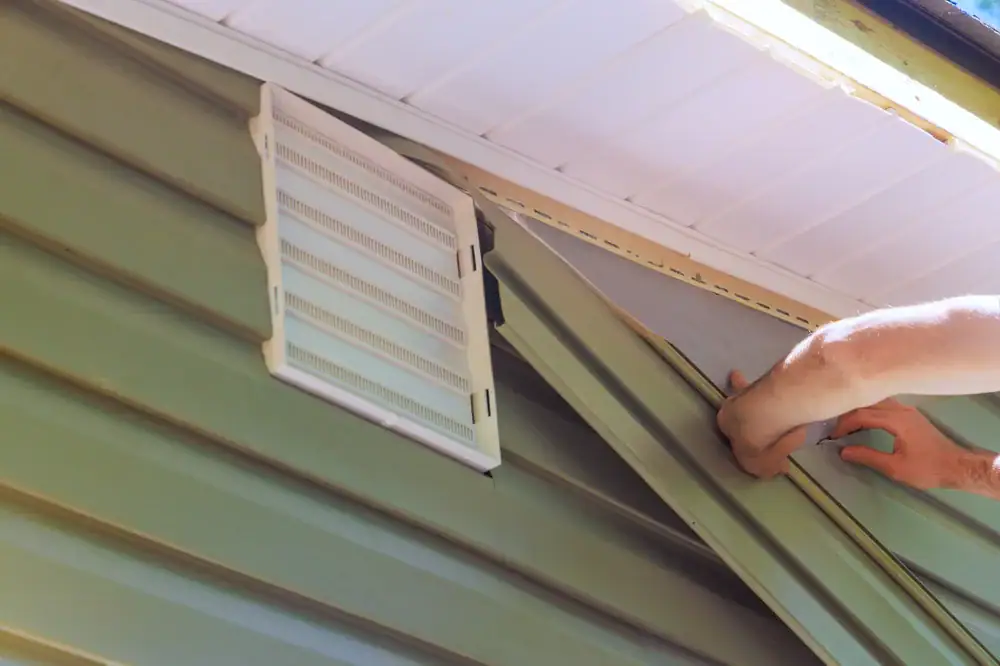
You call us or fill out a contact form, and we schedule an inspection—usually within 24 hours, same day if it’s storm damage. We come to your East Islip property and assess not just the visible damage but what’s happening behind it. You get a clear explanation of what failed, why it failed, and what it takes to fix it right.
We provide a detailed estimate that breaks down materials and labor. No surprises, no vague line items. If you’re filing an insurance claim for storm damage, we document everything your carrier needs—photos, measurements, material specs.
Once you approve the work, we order materials if we don’t already have a match in stock. Most repairs start within 48 hours. We remove damaged panels, address any water damage or structural issues we find, install proper flashing and moisture barriers, and then install your new siding so it blends seamlessly with what’s already there.
The actual repair work for most jobs wraps up in one to two days. You’re left with siding that looks original and a home that’s sealed against Long Island weather again.

Ready to get started?
We handle every common siding material—vinyl, aluminum, wood, fiber cement, and composite. Each one fails differently in East Islip’s coastal environment, and each one requires different repair techniques. Vinyl cracks in cold weather and warps in summer heat. Aluminum dents from hail and corrodes from salt exposure. Wood rot starts wherever moisture finds a gap.
You get complete damage assessment, not just surface-level observation. We pull back sections when needed to check for hidden water damage, compromised sheathing, or mold growth. If we find problems beyond the siding itself, you know about them before they get worse.
Material matching is part of every job. We source the exact color, texture, and profile of your existing siding, maintaining relationships with manufacturers specifically so we can find discontinued products. Your repair blends in completely—neighbors won’t spot where the old siding ends and the new begins.
We fix the root cause, whether that’s improper flashing around windows, inadequate J-channel installation, missing moisture barriers, or house settling that’s stressing your siding. You’re not paying for a repair that fails again in the next storm.

Most siding repairs in East Islip run between $400 and $3,000 depending on material type, damage extent, and how much underlying work is needed. A simple vinyl crack repair or a few loose panels typically costs $300 to $800. Storm damage that requires replacing multiple sections, addressing water infiltration, and fixing structural issues can reach $2,000 to $6,000.
The real cost question isn’t what the repair costs—it’s what happens if you don’t fix it. A $500 repair today prevents a $15,000 structural repair when water damage spreads to your wall framing, insulation, and interior finishes. We’ve seen homeowners wait on a $600 siding fix and end up with $8,000 in mold remediation and drywall replacement six months later.
We provide detailed estimates that break down exactly what you’re paying for, so you can make an informed decision. If insurance is covering storm damage, we work with your carrier and provide all the documentation they need.
Most siding repairs in East Islip are completed within one to two days once materials arrive. Simple repairs like replacing a few cracked vinyl panels or reattaching loose sections can be done in a few hours. Larger jobs that involve multiple walls, water damage remediation, or hard-to-match materials might take three to four days.
The timeline depends on material availability more than anything else. If we have your siding color and style in stock or can source it locally, we start fast. Discontinued colors or specialty materials sometimes require manufacturer orders that add a week to the timeline, but we’re upfront about that during the estimate.
For emergency storm damage, we can usually provide temporary weatherproofing the same day you call—tarping, sealing gaps, securing loose panels—so you’re not dealing with active water infiltration while waiting for permanent repairs. Then we schedule the full repair as quickly as materials allow.
Yes, and this is one area where experience in the Long Island market makes a real difference. We’ve been repairing siding here for over a decade, which means we know which manufacturers supplied which developments, which colors were popular in which years, and where to find discontinued products.
We maintain relationships with major siding manufacturers specifically for this reason. When other contractors tell you they can’t match your siding and you need to replace an entire wall, we’re often able to source the exact product. We bring samples to your property and match in natural light, because siding that looks identical in a warehouse can look off when it’s installed next to weathered material.
In rare cases where exact matching truly isn’t possible—usually with very old or custom materials—we discuss options like replacing a full wall section or using complementary accent colors. But most of the time, we find your match and your repair blends invisibly.
Storm damage tops the list in East Islip. High winds rip panels loose, hail cracks vinyl and dents aluminum, and driving rain finds every weak spot in your exterior. We repair wind damage, impact damage, and the water infiltration that follows almost every storm event on Long Island.
We also handle damage from normal coastal aging—salt air corrosion on aluminum, UV fade and brittleness on vinyl, rot on wood siding. Panels crack when they get brittle, seams separate when caulking fails, and fasteners corrode until they no longer hold.
Less common but still regular: damage from landscaping equipment, falling branches, ice dams that force water behind siding, and poor original installation that’s finally failing. Whatever caused your damage, we fix the visible problem and the underlying issue so it doesn’t happen again in the next weather event.
Yes, we work with homeowners’ insurance companies regularly for storm damage claims in East Islip and throughout Suffolk County. We provide detailed damage assessments with photos, measurements, and material specifications—everything your insurance adjuster needs to process your claim.
We document not just the obvious damage but the secondary issues like water infiltration and potential structural concerns. Insurance companies want to know the full scope upfront, and thorough documentation helps your claim move faster.
We can meet with your adjuster on-site if needed, explain what repairs are necessary and why, and provide estimates that match insurance industry standards. Many homeowners find this helpful because we speak the technical language adjusters expect while also translating everything into plain terms for you.
One thing we don’t do: we don’t work directly with your insurance company without you involved. You’re always in control of your claim. We just make the process easier by providing professional documentation and expertise.
If the damage is localized to one area—a few cracked panels, storm damage on one wall, isolated water infiltration—repair makes sense. You’re spending hundreds instead of thousands, and you’re solving the immediate problem without the disruption of a full replacement project.
If you’re looking at widespread failure across multiple walls, if your siding is near the end of its lifespan anyway, or if we find extensive water damage behind the existing material, replacement might be the smarter investment. We’re honest about this during the inspection because we’d rather give you real advice than sell you a repair that’s just delaying the inevitable.
Here’s the practical test: if repair costs are approaching 30-40% of what full replacement would cost, and your siding is over 20 years old, replacement usually makes more financial sense. But if you’ve got newer siding with isolated damage, repair is almost always the right call. We walk through the math with you so you can make the decision that fits your situation and budget.
Other Services we provide in East Islip