
Hear From Our Clients
Cracked siding isn’t just ugly. It’s a direct line for water to reach your sheathing, insulation, and interior walls. In North Amityville’s humid coastal climate, that moisture turns into mold, rot, and structural damage faster than most homeowners realize.
You’re looking at a small repair now or a massive reconstruction project later. We’ve seen $500 siding fixes turn into $15,000 nightmares because homeowners waited too long. Loose panels after a storm, visible cracks near windows, or sections that look faded and brittle all signal the same thing: water is getting in.
We fix it right the first time. That means matching your existing material perfectly, sealing every seam, and addressing whatever caused the damage in the first place. You get a repair that blends in completely and holds up through Long Island’s nor’easters, summer humidity, and everything in between.
We’ve been handling siding repairs across Suffolk County for over a decade. We’re not the crew that promises to show up “next Tuesday” and disappears for three months. We’re licensed, insured, and local to North Amityville.
That matters because we understand what coastal weather does to your home. Salt air, high winds, and temperature swings create specific problems that require specific solutions. We’ve sourced discontinued siding colors for 1970s ranch homes and repaired storm damage on historic properties near the harbor.
You’re hiring people who’ve seen it all and know how to fix it without the runaround. We give you a straight answer, a fair price, and work that actually lasts.
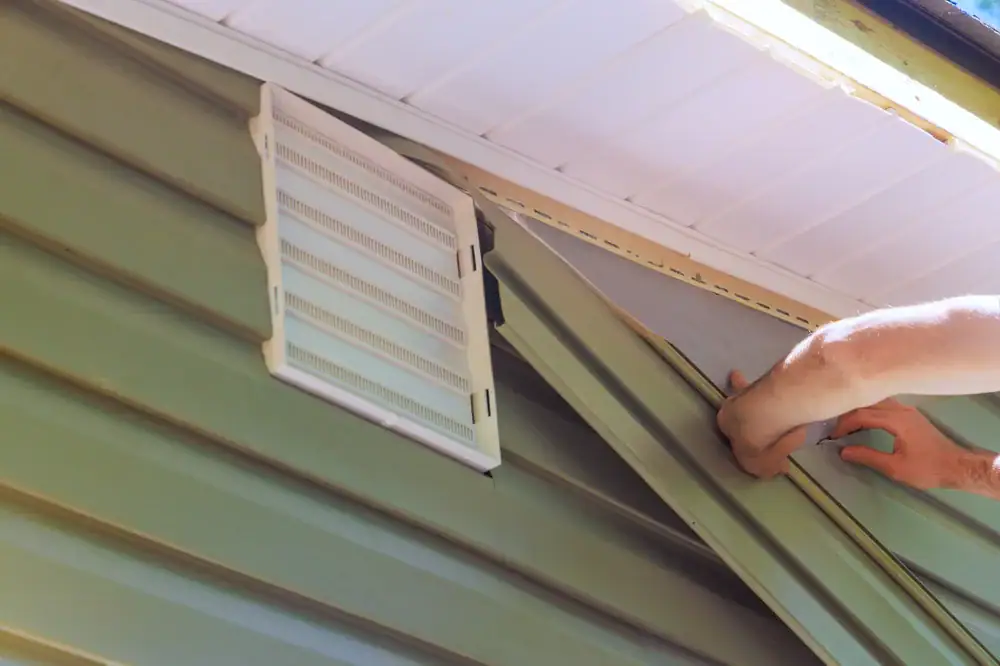
We start with a full assessment of the damaged area and the surrounding siding. Most contractors only look at the obvious problem. We check the sheathing underneath, the moisture barrier, and the flashing around windows and doors because that’s where hidden damage lives.
Once we know what we’re dealing with, we source the exact match for your siding. We work with major manufacturers and have relationships that let us track down discontinued colors and styles. If your home was sided in 1985 and you need a perfect match, we’ll find it.
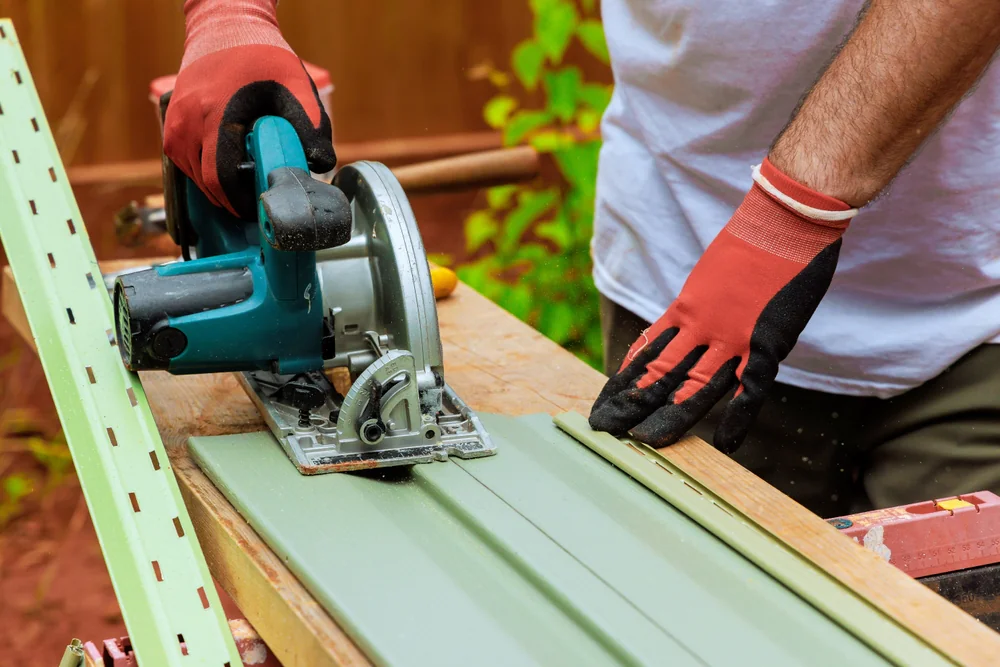
The repair itself involves removing damaged sections, addressing any underlying issues like rot or poor ventilation, and installing new material with proper fastening and sealing. We don’t just slap new siding over a problem. We fix what caused the damage so it doesn’t happen again next storm season.
You get a detailed walkthrough before we start and a final inspection when we’re done. No surprises, no shortcuts.

Ready to get started?
Vinyl siding repair is our most common call in North Amityville, especially after storms crack or loosen panels. We handle everything from small sections around windows to entire wall repairs. Vinyl holds up well here, but when it fails, it fails fast.
Aluminum siding repair requires a different approach. Dents from hail or impacts don’t always mean replacement. We can often reshape and refinish aluminum to look like new. When sections do need replacing, we match the original profile and finish so the repair disappears.
Wood siding repair is more involved. North Amityville’s humidity accelerates rot, especially on older cedar and pine. We replace rotted sections, treat surrounding wood, and seal everything properly. Wood needs more maintenance than vinyl or aluminum, but when it’s done right, it lasts decades.
Every repair includes a check of your flashing, caulking, and trim. Those details determine whether your repair holds up for two years or twenty.

Small repairs typically run $200 to $1,100 depending on the material and extent of damage. That covers a few cracked panels, storm damage to a single wall section, or repairs around windows and doors. Larger repairs involving multiple walls or significant underlying damage range from $1,500 to $3,000.
The real cost depends on what we find when we inspect the area. Surface damage is straightforward. Water damage behind the siding means we’re also replacing sheathing, moisture barriers, and possibly insulation. We give you an exact quote after the assessment so there’s no guessing.
Most homeowners in North Amityville are surprised that proper repairs cost less than they expected. The horror stories come from contractors who quote low, find “unexpected” problems mid-job, and double the price. We don’t work that way.
Yes, and this is where experience matters. We’ve been tracking down discontinued siding materials for over ten years. Most manufacturers keep records of old product lines, and we have relationships with suppliers who stock obsolete inventory.
If your home was sided in the 1980s or 1990s, there’s a good chance your exact color isn’t in production anymore. We start by identifying the manufacturer and product line from your existing siding. Then we either source new old stock or find the closest current match and blend it in using professional techniques.
The goal is a repair you can’t spot from the street. We’ve matched everything from vintage aluminum in unusual colors to specific wood grain patterns on older cedar homes. It takes longer than grabbing whatever’s at the big box store, but that’s the difference between a repair that blends in and one that screams “patch job.”
We offer same-day emergency response for storm damage across North Amityville. That means temporary weatherproofing to stop water infiltration while we line up materials for the permanent repair. Most permanent repairs are completed within 24 to 48 hours depending on material availability.
After a major storm, everyone needs repairs at once. We prioritize based on severity. If you have exposed sheathing or active water intrusion, you’re at the top of the list. If it’s cosmetic damage with no immediate risk, we’ll get to you within a few days.
The key is calling as soon as you notice damage. Waiting a week turns a simple panel replacement into a structural repair because water has been soaking into your walls. We’ve responded to calls at 7 PM on a Sunday because the homeowner knew waiting until Monday would make things worse.
Most homeowners insurance policies cover siding damage from storms, falling trees, and other sudden events. They typically don’t cover damage from neglect or normal wear and tear. The difference matters when you file a claim.
We work directly with insurance adjusters and know how to document damage properly. That means detailed photos, measurements, and reports that show the storm caused the problem, not deferred maintenance. We’ve helped hundreds of North Amityville homeowners get claims approved by presenting the evidence adjusters need.
You’ll want to call your insurance company as soon as you notice damage, then call us for an assessment. We can be there when the adjuster inspects the property to make sure nothing gets missed. Many homeowners don’t realize their policy covers underlying damage like sheathing rot or insulation replacement, not just the visible siding. We make sure everything that should be covered gets included in the claim.
Wind is the biggest culprit in North Amityville. Coastal storms create uplift pressure that pulls panels away from the house, especially if they weren’t fastened correctly to begin with. Once one panel loosens, wind gets behind it and the damage spreads fast.
Temperature swings cause expansion and contraction. Vinyl and aluminum both move with temperature changes. If the original installation didn’t account for that movement with proper spacing and fastening, you get buckling in summer and cracking in winter. We see this constantly on homes sided in the 1990s when installation standards weren’t as strict.
Impact damage from hail, falling branches, or debris during storms cracks siding outright. Wood siding has the additional problem of moisture rot, especially on north-facing walls that don’t get direct sun. Once rot starts, the siding loses structural integrity and fails even without a storm. The fix isn’t just replacing the damaged section. It’s figuring out why that section failed and making sure the repair doesn’t fail the same way.
Most small siding repairs don’t require permits in North Amityville. If we’re replacing a few panels or repairing storm damage on a single wall, you typically don’t need town approval. Larger projects that involve structural work or replacing significant portions of siding may require a permit.
We handle the permit process when it’s necessary. That includes submitting plans, coordinating inspections, and making sure everything meets local building codes. Suffolk County has specific requirements for coastal properties, especially regarding wind resistance and moisture barriers.
The permit question usually comes up when insurance is involved. Some insurance companies require permitted work for larger claims. We know which situations trigger permit requirements and which don’t, so you’re not paying for unnecessary paperwork or risking code violations by skipping required permits.
Other Services we provide in North Amityville