

Hear From Our Clients
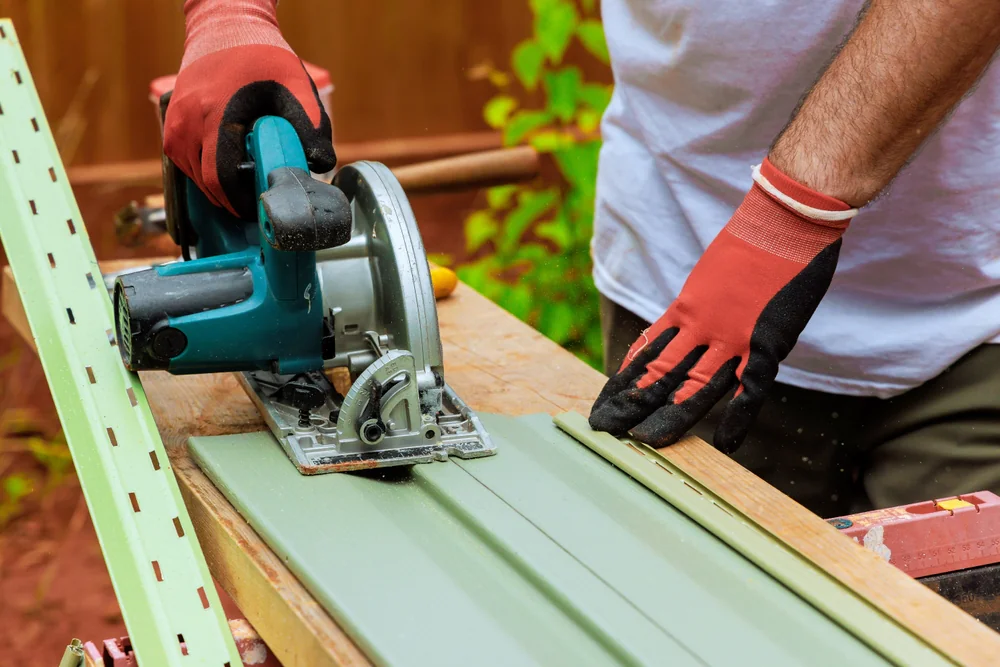
No more drafts creeping in around your windows. No more watching your energy bills climb because air is leaking through cracked panels. No more worrying about what’s happening behind that loose section after the last storm.
When your siding is repaired correctly, your home stays dry. The temperature inside stays consistent. Your heating and cooling systems stop working overtime, and your monthly costs drop back to normal.
You also stop losing property value. Visible damage—even small sections—makes buyers nervous and gives them negotiating power. Fixed siding means your home looks maintained, which matters in Dix Hills where property values average over $890,000. A small repair now prevents a much larger problem later, and it keeps your home’s curb appeal intact.
Most repairs take one to three days. You’re not dealing with a months-long project. You get your home back to normal quickly, and you can stop thinking about it.
Home Team Construction is a family-owned business that’s been working in Suffolk County for years. We’re not a national franchise or a crew that shows up once and disappears. We live here, work here, and understand how Long Island weather affects your home.
We know what nor’easters do to vinyl siding. We’ve seen how coastal humidity warps wood and how summer heat causes aluminum to expand and crack. That experience means we can spot problems you might not notice yet—the kind that turn into expensive repairs if you wait.
We’re licensed and insured, and we show up when we say we will. In Dix Hills, where homes are significant investments, you need contractors who take the work seriously. We do the job right the first time, match your existing materials, and make sure the repair holds up through whatever weather comes next.
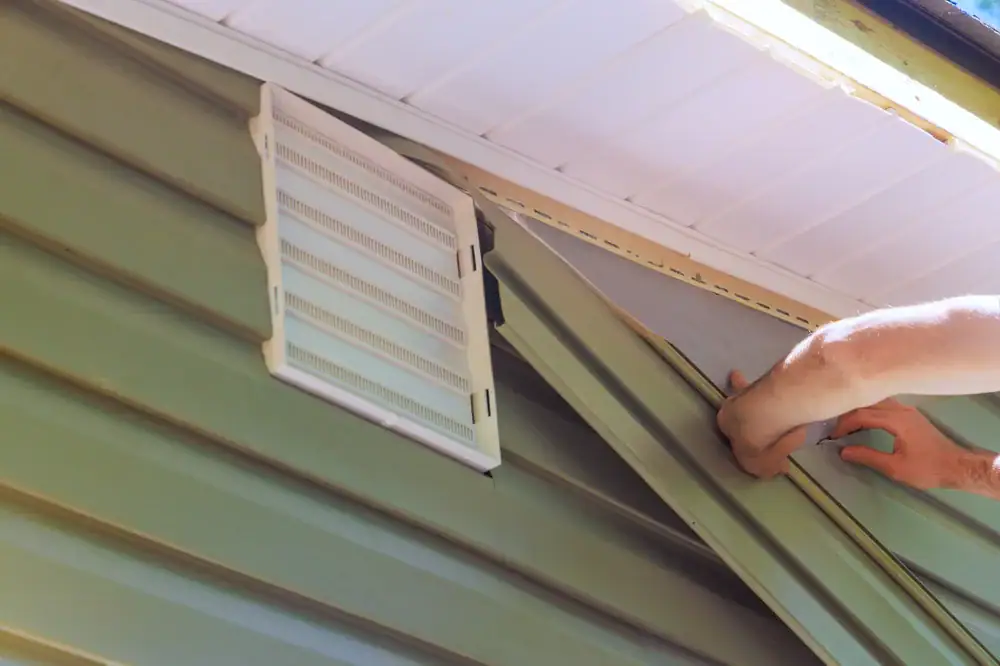
First, we come out and look at the damage. We don’t just check the obvious problem—we look at what’s happening behind it. Water doesn’t always show up where it enters. We check for rot, mold, and structural issues that might be hidden.
Then we explain what needs to be fixed and why. You’ll know what the repair involves, how long it takes, and what it costs before we start. If you’re filing an insurance claim for storm damage, we document everything properly and work with your adjuster.
Once you approve the work, we order materials that match your existing siding. Color matching matters in established neighborhoods like Dix Hills. We source the right material—whether it’s vinyl, wood, aluminum, or fiber cement—so the repair blends in.
The actual repair usually takes one to three days depending on the scope. We remove damaged sections, address any underlying issues, install new materials, and seal everything properly. When we’re done, your siding is weathertight and looks like the damage never happened.

Ready to get started?
We handle vinyl siding repair, which is common in Dix Hills. Vinyl cracks in cold weather and can pull loose during high winds. We replace damaged panels, secure loose sections, and make sure the locking mechanisms are working correctly.
Wood siding repair is more involved. Long Island’s humidity causes wood to rot, especially near the ground or around windows. We replace rotted boards, treat the area to prevent future damage, and match the paint or stain so it blends with the rest of your home.
Aluminum siding repair usually involves dents from hail or branches, plus corrosion from salt air. We can often reshape dented panels or replace sections that are too damaged. Aluminum is durable, but when it fails, it fails fast—so catching it early matters.
We also repair fiber cement siding, which is becoming more popular because it holds up well in coastal climates. It doesn’t rot or warp, but it can crack if installed incorrectly or if your home settles. We replace cracked boards and reseal joints to keep moisture out.
Every repair includes a full inspection of the surrounding area. If we find other problems—loose flashing, gaps around windows, or areas where water might be getting in—we’ll tell you. You don’t have to fix everything at once, but you should know what’s going on with your home.

Most siding repairs in Dix Hills run between $1,200 and $5,000 depending on the extent of the damage and the material involved. Small repairs—like replacing a few cracked vinyl panels—are on the lower end. Larger jobs that involve water damage, structural work, or hard-to-match materials cost more.
Wood siding repair tends to be more expensive because it’s labor-intensive. You’re not just swapping out panels—you’re often dealing with rot, repainting, and matching older wood that’s weathered differently than new material. Aluminum and vinyl are usually faster and less costly to repair.
If you’re comparing repair costs to full replacement, repair almost always makes more sense unless the damage is widespread. Replacing all the siding on a typical Dix Hills home runs $12,000 to $17,000 or more. Repairing a damaged section costs a fraction of that and can add years to your siding’s life.
Yes, in most cases. We keep samples of common siding materials and colors, and we can special-order discontinued styles if needed. Matching matters more in neighborhoods like Dix Hills where homes have consistent aesthetics and high property values.
Vinyl siding is usually the easiest to match because manufacturers keep consistent color lines. Even if your siding is older, we can often find the same profile and color. If the exact match isn’t available, we can replace an entire wall section so the color transition happens at a corner instead of in the middle of a wall.
Wood siding takes more work. We match the wood type, cut it to the right profile, and then stain or paint it to blend with your existing siding. Older wood has weathered and changed color over time, so we sometimes need to adjust the finish to make new boards look consistent with the old ones.
Aluminum and fiber cement can also be matched, though it sometimes requires custom painting. We bring samples to your home and compare them in natural light before ordering materials. You won’t end up with a repair that stands out like a patch job.
Most siding repairs take one to three days. Simple jobs—like replacing a few damaged vinyl panels or reattaching loose sections—can be done in a few hours. More complex repairs that involve water damage, structural issues, or hard-to-source materials take longer.
The timeline depends on what we find when we open up the damaged area. If there’s rot or mold behind the siding, we need to address that before installing new materials. If the sheathing or insulation is compromised, that adds time. We’ll know more after the initial inspection and can give you a realistic timeline before starting work.
Weather also affects the schedule. We can’t install certain materials in freezing temperatures or during heavy rain. Fall is usually the best time for siding work on Long Island—the weather is stable, and contractors aren’t as backed up as they are in spring and summer.
If you need emergency repairs after storm damage, we can often secure the area the same day and then come back to do the permanent repair once materials arrive. That keeps water out and prevents further damage while you’re waiting for the full fix.
It depends on your policy and the cause of the damage. Most homeowners insurance covers sudden, unexpected damage from storms—like wind tearing off panels or hail denting your siding. It usually doesn’t cover damage from wear and tear, age, or lack of maintenance.
If you’re filing a claim, document everything before you make temporary repairs. Take photos of the damage from multiple angles, note the date and time of the storm, and keep any damaged materials. Insurance adjusters want to see proof that the damage was caused by a covered event.
We work with insurance companies regularly and can help document the damage properly. We’ll provide a detailed estimate that breaks down materials and labor, and we can talk directly with your adjuster if needed. That often speeds up the claims process and makes sure you get the coverage you’re entitled to.
Even if insurance doesn’t cover the full cost, repairs are usually cheaper than you think—and much cheaper than letting the problem get worse. Water damage spreads quickly once your siding is compromised, and the longer you wait, the more expensive the fix becomes.
Visible cracks, holes, or loose panels are obvious signs. But some damage isn’t as easy to spot. If you’re noticing drafts around windows or doors that weren’t there before, your siding might be compromised. If your heating or cooling bills have gone up without explanation, air could be leaking through damaged sections.
Water stains on interior walls, especially near the roofline or around windows, often mean water is getting behind your siding. Peeling paint or bubbling on the inside walls is another red flag. Mold or mildew growing on the exterior of your home can indicate that moisture is trapped behind the siding.
Warped or buckling panels mean something is wrong—either the siding was installed incorrectly, or there’s water damage causing the material to expand. Fading or discoloration in certain areas can also signal that the siding is breaking down and no longer protecting your home effectively.
If you see any of these signs, get it checked. Small problems turn into big ones fast, especially with Long Island’s weather. A minor repair now can prevent thousands in structural damage later.
Yes. If a storm damages your siding and leaves your home exposed, we can come out quickly to secure the area and prevent further damage. That might mean tarping a section, boarding up an opening, or doing a temporary patch until we can complete the full repair.
Emergency repairs are about stopping water intrusion and protecting your home’s interior. Once the immediate problem is handled, we assess the full extent of the damage and put together a plan for permanent repairs. You’re not left waiting with a tarp on your house for weeks.
We also prioritize emergency calls during storm season. Long Island gets hit with nor’easters, hurricanes, and severe thunderstorms that can tear siding loose or punch holes in it. When that happens, you need someone who answers the phone and shows up—not someone who puts you on a waiting list.
Even if the damage seems minor, don’t wait. A small opening in your siding can let in enough water to cause rot, mold, and structural damage within days. The faster you get it fixed, the less it costs and the less stress you deal with.
Other Services we provide in Dix Hills