
Hear From Our Clients
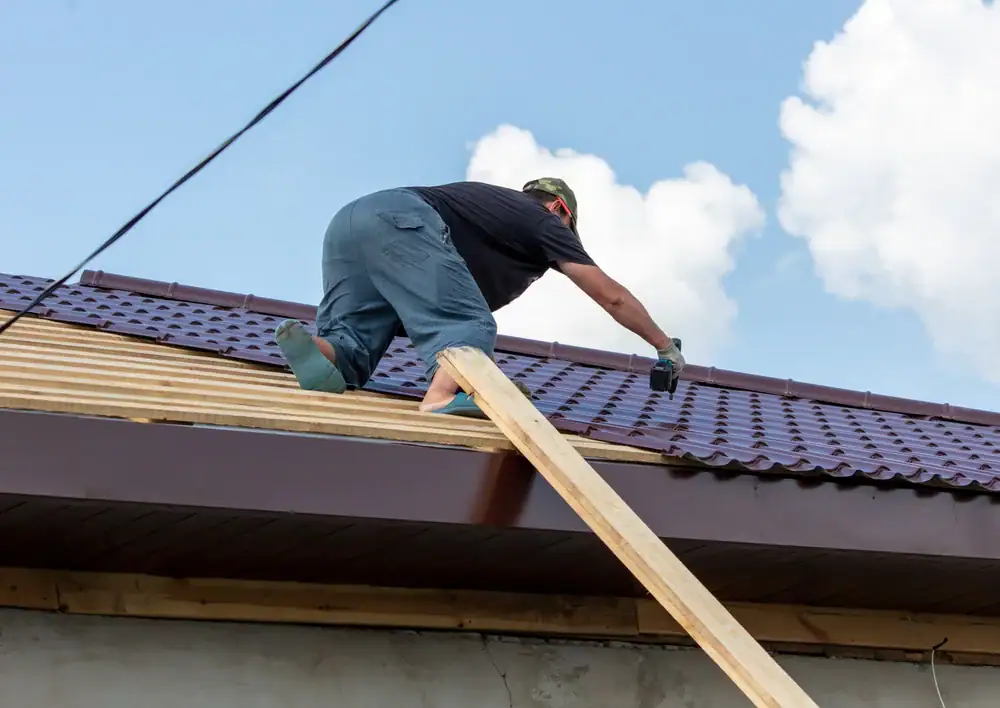
A roof replacement done correctly means you stop watching the ceiling every time a storm rolls in off the bay. It means the next nor’easter that tears through the Forge River corridor doesn’t end with a bucket on your kitchen floor or a call to a contractor at midnight.
For homes along the south shore, that matters more than it might somewhere inland. The salt air coming off Moriches Bay doesn’t just affect your gutters it works on flashings, fasteners, and shingle adhesion over time. A replacement that uses coastal-grade materials and proper wind-rated shingles is a different job than what gets put on a house in Farmingville or Holbrook. The exposure here is real, and the materials and installation need to match it.
Most Mastic homes were built between the 1950s and 1980s. If yours is in that range and you’re not sure when the last roof went on, the odds are good it’s either due or close. A new roof also matters at resale buyers’ attorneys pull permits, and a documented, permitted replacement by a licensed contractor is an asset that shows up on paper when it counts.
Home Team Construction is headquartered at 74 Patchogue Ave in Mastic, NY 11950. That’s not a satellite office or a service area designation it’s where we work out of. When you call for a free inspection, you’re reaching a team that drives the same roads you do, knows what the south shore throws at a roof, and will be a few minutes away if something needs attention after the job is done.
We’ve been serving Suffolk County for over 10 years, fully licensed and insured under New York’s Home Improvement Contractor requirements. Alban, our owner, is the person you’ll hear from not a call center, not a project manager you’ll never meet. Homeowners across the Mastic-Shirley area consistently mention one thing in their reviews: we’ll tell you the truth about what your roof actually needs, even if that means telling you a repair is enough for now.

It starts with a free inspection not a sales visit. We get on the roof, document what we find with photos, and give you a written assessment of the actual condition. If a repair handles it, we’ll say so. If replacement is the right call, we’ll show you exactly why.
From there, you get a fully itemized estimate. Not a lump sum a line-by-line breakdown covering tear-off and disposal, deck inspection, synthetic underlayment, ice and water shield along the eaves and valleys, new flashings at every penetration, ridge and soffit ventilation, shingles, and post-job cleanup. Every line is explained before anything is signed. In Mastic, ice and water shield isn’t optional freeze-thaw cycling along the south shore makes it a standard requirement, and we treat it that way.
Before work begins, we pull the required building permit through the Town of Brookhaven Building Division. That protects you at resale, during insurance conversations, and if any question about the work comes up later. When the job is done, you get photo documentation of the completed work including what was under your old roof. You’ll know exactly what was there and exactly what replaced it.

Ready to get started?
The standard for roof replacement on the south shore of Long Island isn’t the same as it is further inland. Homes in Mastic face salt air corrosion, wind-driven rain from nor’easters, and the kind of freeze-thaw cycling that turns a minor flashing issue into a water intrusion problem before spring. The materials going on your roof need to account for all of that.
We install architectural asphalt shingles rated for 110–130 mph wind resistance as our standard not the 60–70 mph-rated 3-tab shingles that simply aren’t built for what this area gets. Every replacement includes a full deck inspection after tear-off, because homes built in the 1950s through 1970s along the Forge River corridor sometimes have underlying rot or damage that only shows up once the old shingles come off. If we find something, we document it, show you, and talk through your options before we proceed. You won’t get a call mid-job telling you the price just changed.
For qualifying projects, we also offer 18-month interest-free financing. A $10,000–$15,000 roof replacement is a significant expense, and delaying it because of timing often means paying more later both in material costs that have risen year over year and in water damage that compounds quietly behind walls and in insulation. If financing makes it possible to move forward now, that option is there.

Based on completed projects in the Mastic area, the average roof replacement runs between $7,599 and $8,717, with a typical range of $7,040 to $9,276 depending on the size of the roof, its pitch, and the condition of the decking underneath. Those numbers reflect the modest Cape Cods and ranches that make up most of the housing stock here larger or more complex roofs will fall higher in the range.
What moves the number most is what’s found after tear-off. Homes in Mastic that were built in the 1950s through 1970s sometimes have decking damage from years of coastal moisture exposure that isn’t visible until the old shingles come off. A contractor who gives you an honest estimate will explain how they handle that scenario upfront what the cost per sheet of decking replacement looks like and how you’ll be notified before any additional work is done. That conversation should happen before you sign anything, not after the job has started.
Yes. Roof replacement in Mastic requires a building permit from the Town of Brookhaven Building Division, located in Farmingville. The permit application requires a completed form, our Home Improvement Contractor license, and a certificate of insurance. Standard processing through Brookhaven’s online portal typically takes one to four business days, and permit fees generally run $150 to $300 depending on the scope of the project.
The reason this matters to you isn’t just bureaucratic. An unpermitted roof can create real problems buyers’ attorneys check for open or missing permits during real estate transactions, and insurance companies can use unpermitted work as grounds to complicate or deny a claim if something goes wrong. We pull Brookhaven permits on every project as a standard part of the process, not something you need to request separately.
In most parts of the country, a quality asphalt shingle roof is rated for 20 to 25 years. On the south shore of Long Island where Mastic is located, that number is more realistically 15 to 20 years. The difference comes down to exposure. Salt air from the Great South Bay and Moriches Bay accelerates the degradation of metal components flashings, drip edges, ridge vents, and fasteners and contributes to granule loss on shingles over time. Nor’easters push wind and moisture into places a standard installation leaves vulnerable, and the freeze-thaw cycling common to coastal Long Island winters creates conditions that shorten a roof’s effective lifespan.
If your home was built in the late 1970s or 1980s and you’re not certain when the last roof went on, a free inspection with photo documentation will give you a clear picture of where things stand. You might have a few years left, or you might be closer to the edge than you think either way, knowing is better than guessing.
The honest answer is that it depends on the age of the roof, the extent of the damage, and what’s going on underneath the surface. A repair makes sense when the damage is isolated a few lifted shingles, a failed flashing at a chimney or skylight, a small area of granule loss. If the underlying decking is sound and the rest of the roof has meaningful life left in it, a targeted repair can buy you several more years at a fraction of the replacement cost.
Replacement becomes the right call when the damage is widespread, when the roof is already 15-plus years old in a coastal environment like Mastic, or when repeated repairs are patching over a system that’s failing overall. A good inspection will look at more than the visible surface it’ll check the attic for signs of moisture intrusion, look at the condition of the flashings and ventilation, and give you an honest read on how much useful life is actually left. We’ll tell you what we find, and if a repair handles it, that’s what we’ll recommend.
First, document what you can safely from the ground photos of visible damage, any debris, lifted shingles, or areas where water is getting in. Don’t go on the roof yourself, and don’t let a contractor pressure you into signing anything before you’ve had a chance to think clearly. Storm chasers are a real problem on the south shore after major weather events, and the urgency they manufacture is almost always manufactured.
Call a local contractor you can verify someone with a real address, a license number you can look up, and reviews you can read. We offer genuine 24/7 emergency response for storm damage situations, which means you reach someone who can actually dispatch a crew, not an answering service. From there, we’ll document the damage thoroughly, which matters if you’re filing a homeowner’s insurance claim. A detailed written assessment and photos from a licensed contractor carry weight with insurance adjusters and give you a clear record of what the storm actually did.
Yes we offer 18-month interest-free financing for qualifying projects. For a lot of Mastic homeowners, a roof replacement is a $10,000 to $15,000 expense that doesn’t come at a convenient time. The financing option exists because a failing roof doesn’t wait, and the cost of delaying is real. Water that gets past compromised shingles or failed flashings causes mold, damages insulation, and rots structural sheathing repairs that can run well past what the roof replacement itself would have cost.
The application process is straightforward, and for projects that qualify, spreading payments over 18 months without interest means you can move forward now rather than watching a problem get worse through another nor’easter season. If you want to know whether your project qualifies before committing to anything, just ask during the free inspection there’s no pressure and no obligation involved.
Other Services we provide in Mastic