
Hear From Our Clients

You stop worrying about water leaking into your attic every time it rains. You don’t wonder if carbon monoxide is seeping into your home through cracks you can’t see. Your insurance stays valid because your chimney actually meets code.
A new chimney means no more emergency calls during the coldest week of winter. No more watching mortar crumble off the side of your house. No more paying for temporary fixes that buy you six months before the next problem shows up.
When we replace your chimney, you’re getting a structure built to handle freeze-thaw cycles, salt air, and the kind of weather that tears apart shortcuts. You’re getting materials rated for coastal exposure and a system designed to last 50 years or more. That’s what a real replacement looks like—not a patch job that falls apart before you finish paying for it.
We’ve been working in Suffolk County since before most contractors figured out that Long Island weather requires different materials and methods. We’re licensed, we’re local, and we’ve seen what happens when chimneys get built with the wrong materials or installed by crews who don’t understand coastal conditions.
Deer Park homeowners deal with the same issues we see across the island—salt air that eats through standard mortar, freeze-thaw cycles that crack flue liners, and wind that tests every flashing seal. We use marine-grade fasteners and enhanced nailing patterns because we know what fails here and what doesn’t.
We’re not the cheapest option, and we’re fine with that. You’re not paying for the fastest crew or the lowest bid—you’re paying for a chimney that won’t need replacing again in 15 years.
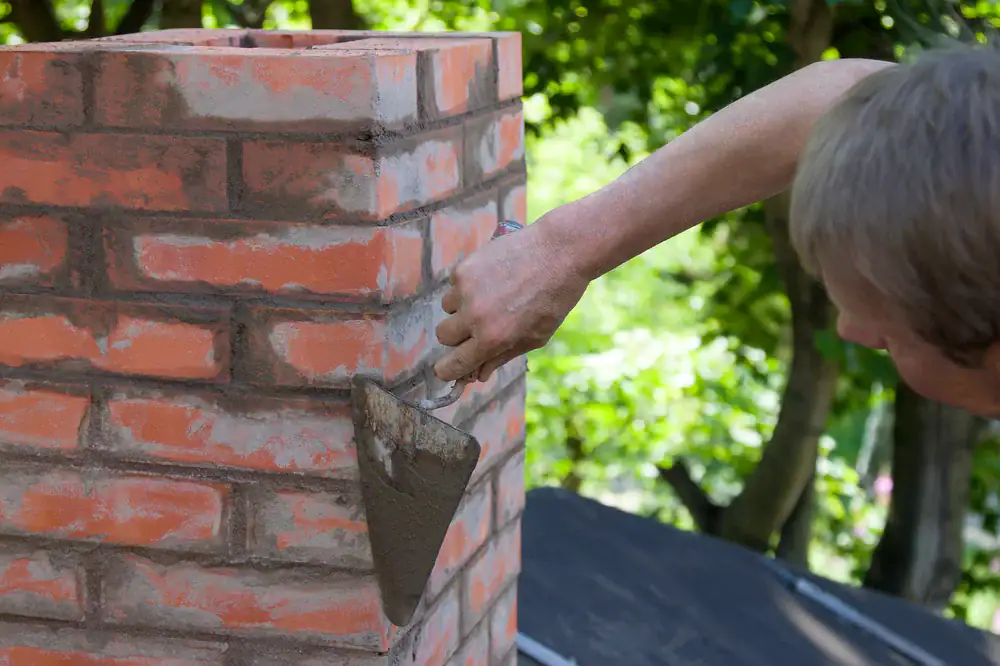
We start with an inspection to see what’s actually wrong. Sometimes it’s just the chimney stack above the roofline. Sometimes it’s the whole structure from the foundation up. We’ll tell you which one you’re dealing with and why.
Once we know the scope, we pull permits and order materials rated for Long Island’s coastal environment. That means flashing that won’t corrode, mortar that can handle salt air, and liners built to last. We don’t use standard residential materials on coastal jobs—they don’t hold up.
During the rebuild, we protect your roof and property with tarps and barriers. We remove the old chimney in sections, rebuild from the base up, and install new flashing that actually seals. Every chimney cap replacement, chimney liner replacement, and chimney flashing replacement gets done to code. When we’re finished, you get photos of the work, a warranty that covers materials and labor, and a chimney that passes inspection the first time.

Ready to get started?
A complete chimney replacement means tearing out the old structure and rebuilding it with materials designed for Long Island conditions. That includes a new chimney stack replacement above the roofline, a new flue liner rated for your heating system, and flashing that’s sealed properly the first time.
In Deer Park, we’re dealing with homes built anywhere from the 1950s to last year. Older homes often have chimneys with no liner at all, or terra cotta liners that cracked decades ago. Newer homes sometimes have liners that weren’t sized correctly or flashing that was never sealed right. Either way, a full replacement fixes both problems.
You also get a new chimney cap replacement that keeps water, animals, and debris out of the flue. We install caps with mesh screens and drainage systems so rain doesn’t pool on top. For homes near the water, we use stainless steel caps that won’t rust out in five years. Every chimney flue replacement gets matched to your heating system—oil, gas, wood, or pellet—so it vents correctly and meets current code.

A complete chimney replacement in Deer Park typically runs between $4,000 and $15,000 depending on the height of the structure, the materials you choose, and whether we’re rebuilding above the roofline or from the foundation up. A chimney stack replacement above the roof usually costs $1,000 to $3,500. If the chimney needs to be rebuilt below the roofline—through the attic, living space, and down to the foundation—you’re looking at the higher end of that range.
Long Island costs run higher than the national average because of stricter building codes, higher labor rates, and the need for coastal-rated materials. If your chimney is three stories tall or requires scaffolding, that adds to the price. If we’re also replacing the chimney liner, cap, and flashing as part of the job, those are included in the total but add to the scope.
We’ll give you an exact number after we inspect the chimney and measure what needs to be rebuilt. No surprises, no upselling—just a clear breakdown of what the job costs and why.
A properly built chimney using the right materials should last 50 to 100 years on Long Island. That assumes you’re using marine-grade mortar, stainless steel liners, and caps designed to handle coastal weather. It also assumes the chimney gets inspected annually and any minor issues get fixed before they turn into major ones.
Chimneys fail early when they’re built with standard residential materials that can’t handle salt air and freeze-thaw cycles. Mortar cracks, flashing corrodes, and liners deteriorate faster here than they do inland. If your chimney was built in the 1960s or 70s with no liner and basic mortar, you’re already past its expected lifespan.
A new chimney built to current code with the right materials gives you decades of use without constant repairs. You’ll still need annual inspections and occasional maintenance—cleaning, cap adjustments, minor flashing repairs—but you won’t be rebuilding the stack every 15 years.
Sometimes yes, sometimes no. If the damage is limited to the chimney cap, a section of flashing, or a few bricks near the top, a repair makes sense. If the mortar is crumbling throughout the stack, the flue liner is cracked, or the chimney is leaning, you’re past the point where repairs are worth the money.
A good rule: if the repair costs more than half of what a replacement would cost, or if you’re fixing the same issue for the third time, replace it. Repairs buy you time, but they don’t fix structural problems or outdated construction. A chimney with no liner can’t be brought up to code with a repair—it needs a full chimney liner replacement, which often means tearing into the structure anyway.
We’ll tell you honestly whether a repair will hold or whether you’re throwing money at a chimney that’s going to fail again in two years. If a repair works, we’ll do the repair. If it doesn’t, we’ll explain why and show you what a replacement gets you instead.
Yes. Any chimney replacement in Deer Park requires a building permit from the Town of Babylon. That includes chimney stack replacements above the roofline, chimney liner replacements, and any structural work that affects the chimney’s integrity. The permit process ensures the work meets current building and fire codes, which protect you and future buyers if you ever sell the house.
We pull the permits as part of the job. That means we handle the paperwork, schedule the inspections, and make sure the work passes on the first try. Some contractors skip permits to save time or avoid inspections, but that leaves you with an illegal chimney that won’t pass a home inspection and could void your insurance if there’s ever a fire.
The permit adds a few days to the timeline and a few hundred dollars to the cost, but it’s not optional. It’s also proof that the work was done correctly and inspected by someone other than the crew who built it.
If your chimney fails during heating season—cracks in the liner, a collapsed flue, or a cap that blows off in a storm—you need emergency service to make the system safe until a full repair or replacement can happen. That usually means sealing off the chimney, shutting down any appliances vented through it, and installing temporary protection to keep water out.
A cracked flue liner is a carbon monoxide risk. A missing cap lets rain pour directly into the chimney, which can damage the interior walls and ceiling below. A leaning or unstable stack is a collapse risk. None of those can wait until spring.
We offer emergency chimney services for situations like this. We’ll stabilize the chimney, assess the damage, and let you know whether you need a temporary fix to get through winter or whether the chimney is safe enough to schedule a full replacement in a few weeks. If your heating system is tied to the chimney and can’t be used safely, we’ll help you find a temporary heating solution while the work gets done.
You need a replacement if the chimney is leaning, if mortar is falling off in chunks throughout the stack, if there’s no flue liner or the liner is cracked in multiple places, or if water is leaking into your home every time it rains. You also need a replacement if you’ve already repaired the same chimney multiple times and the problems keep coming back.
You might be able to repair it if the damage is isolated to one area—like the top few rows of brick, a single section of flashing, or a damaged cap. Repairs work when the underlying structure is still sound and the issue is cosmetic or limited in scope.
The only way to know for sure is to have someone inspect the chimney from top to bottom. We’ll check the stack, the flashing, the liner, the cap, and the interior structure. We’ll tell you what’s failing, why it’s failing, and whether a repair will actually solve the problem or just delay the inevitable. If a repair makes sense, we’ll do the repair. If it doesn’t, we’ll explain what a replacement gets you and why it’s the better investment.
Other Services we provide in Deer Park