
Hear From Our Clients

You’ve probably noticed the cracks getting wider each spring. Maybe water stains showed up on your ceiling last winter. Or your mason told you the mortar’s crumbling faster than he can repoint it.
That’s Long Island’s coastal climate doing what it does best—destroying chimneys. Every freeze-thaw cycle expands water trapped in your masonry by 9%. Salt particles from ocean air crystallize inside your bricks, pushing them apart from the inside. One nor’easter can undo years of patchwork repairs.
A full chimney replacement stops that cycle. You get marine-grade materials designed for coastal exposure, proper flashing that actually keeps water out, and a structure built to handle dozens of freeze-thaw cycles per season. No more annual repair bills. No more wondering if this winter’s the one that causes real damage inside your home.
The difference between repairing and replacing comes down to this: if your chimney’s giving you less than five years of reliable service after major repairs, replacement wins. You avoid emergency costs, protect your home’s value, and stop throwing money at a structure that’s already failing.
Home Team Construction has been rebuilding chimneys across Suffolk County for years. We’re the contractors your neighbors call when storm damage happens, when insurance companies need documentation, and when homeowners want honest answers about repair versus replacement.
Our work stays visible in your community. That’s not a marketing line—it’s accountability. When you hire someone who lives down the road, their reputation depends on doing the job right.
We handle everything from chimney cap replacement to complete chimney stack rebuilds. Licensed, insured, and familiar with every challenge Centereach’s coastal climate throws at masonry structures. You get photo updates throughout the project, transparent communication when issues come up, and work completed at the price we quoted.
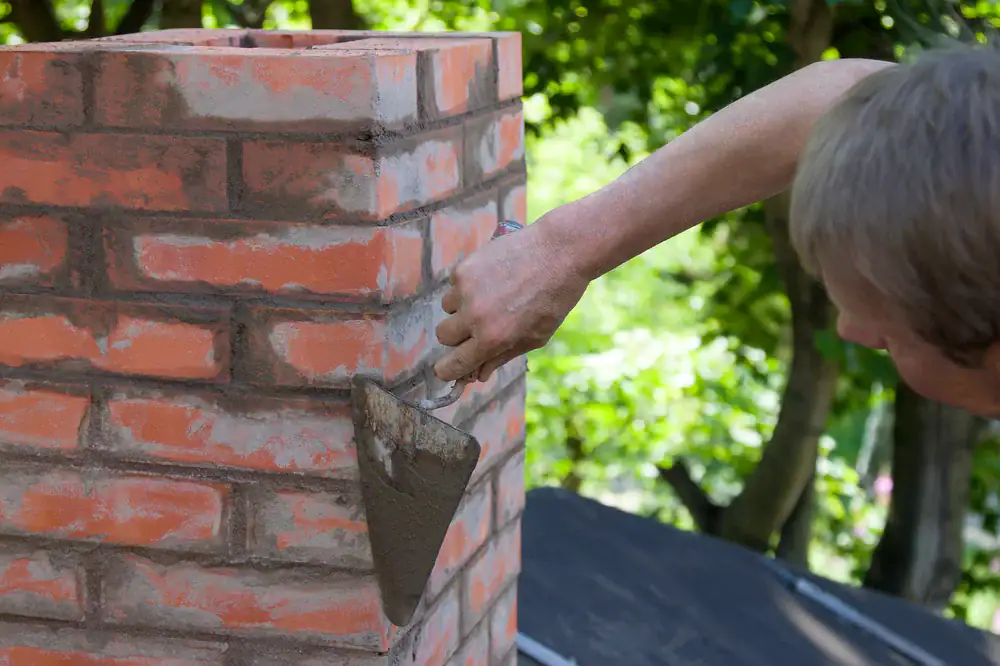
We start with a thorough inspection of your existing chimney—checking the flue liner, examining the crown, testing the flashing, and looking for hidden water damage in the structure and surrounding areas. You get photos of what we find and a clear explanation of what needs replacing versus what’s still sound.
If replacement makes sense, we walk you through material options designed for Long Island’s coastal conditions. That includes marine-grade chimney caps that resist salt corrosion, proper copper or lead flashing systems, and masonry materials rated for our freeze-thaw cycles. We pull permits, coordinate with your insurance if storm damage is involved, and schedule the work around your life.
During the rebuild, we protect your roof and property with tarps and barriers. The old chimney comes down carefully—we’re not just smashing bricks off your roof. New construction goes up to International Residential Code standards, with proper height, clearances, and fire-resistant materials throughout. We install new chimney liner systems, seal the crown correctly, and ensure flashing integrates with your existing roof.
The job’s done when everything’s cleaned up, debris is hauled away, and you’ve seen the final photos showing completed work. Most full chimney replacements in Centereach take three to five days depending on height, accessibility, and weather conditions.

Ready to get started?
A complete chimney replacement means tearing down the damaged structure to the roofline and rebuilding from there. That includes new masonry work, chimney liner replacement with properly sized flue systems, chimney crown reconstruction with correct slope and overhang, and chimney cap replacement using materials that won’t corrode in salt air.
We handle chimney flashing replacement as part of every job—that’s the metal barrier between your chimney and roof that fails on most older Long Island homes. Improper flashing causes more water damage than any other chimney issue. We use step flashing, counter flashing, and cricket installation where needed to direct water away from the chimney base.
For chimneys serving active fireplaces or heating systems, we install new stainless steel chimney liners rated for your fuel type. These protect against carbon monoxide leaks, improve draft, and meet current code requirements. If your chimney stack is severely damaged but the base is sound, we can do a partial rebuild—replacing just the deteriorated sections above the roofline.
Centereach homeowners deal with specific challenges other areas don’t face. Your proximity to the coast means salt exposure that accelerates deterioration. The sandy soil common in Suffolk County can cause settling that cracks chimneys at the roofline. We account for these local factors in every rebuild, using techniques and materials proven to last in your specific environment.

Full chimney replacement in Centereach typically runs between $8,000 and $15,000 depending on height, accessibility, and the extent of work needed. A straightforward single-story chimney replacement on an accessible roof costs less than a two-story chimney requiring scaffolding and extensive flashing work.
Long Island costs run higher than national averages because of stricter building codes, higher labor costs, and the need for coastal-rated materials. If you’re just replacing the chimney cap and crown, expect $1,500 to $3,000. Chimney liner replacement alone runs $2,000 to $4,500 depending on flue size and liner type.
The real cost question isn’t the replacement itself—it’s what you’re avoiding. Emergency repairs during winter storms cost hundreds per day for tarping alone. Water damage from failed chimneys can run $5,000 to $20,000 once you factor in interior repairs, mold remediation, and structural work. Insurance claims for chimney-related damage can spike your premiums or lead to non-renewal.
Most homeowners find that replacement costs less over five years than repeated repairs on a failing chimney. You’re also protecting your home’s resale value—buyers see an old, damaged chimney and immediately deduct more than replacement cost from their offers.
If your chimney needs repairs that cost more than 30% of full replacement, or if the same problems keep coming back every few years, replacement makes more sense. Chimneys older than 50 years with significant cracking, spalling bricks, or failed mortar joints throughout are usually better candidates for replacement than repair.
Here’s the practical test: if major repairs would give you less than five years of reliable service, replacement wins. You avoid multiple repair projects, emergency costs when the next failure happens, and the risk of interior water damage between repairs.
Centereach’s coastal climate accelerates chimney deterioration faster than inland areas. Salt air penetrates masonry and causes damage from the inside out. Freeze-thaw cycles here are brutal—water gets into cracks, expands when it freezes, and widens those cracks further. Repairs might hold for a season or two, but the underlying structure keeps failing.
Signs you need replacement instead of repair: large cracks running through multiple bricks, significant lean or separation from the house, extensive spalling where brick faces are flaking off, failed flue liner visible from inside the fireplace, or water damage appearing inside your home after every heavy rain.
A properly built chimney using coastal-rated materials should last 50 to 75 years in Centereach, even with salt air exposure and freeze-thaw cycles. The key is using the right materials from the start and maintaining proper flashing and crown seals.
Standard brick chimneys built with regular mortar and basic flashing fail faster here than anywhere else. Long Island’s environment demands marine-grade chimney caps, proper copper or lead flashing systems, and masonry materials rated for coastal exposure. Chimneys built without accounting for local conditions often show serious problems within 15 to 20 years.
Your chimney’s lifespan also depends on maintenance. Annual inspections catch small issues before they become structural problems. Resealing the crown every 5 to 7 years prevents water intrusion. Replacing chimney caps when they show corrosion stops water from entering the flue.
The chimneys that last longest in Suffolk County are the ones we build right initially—proper height for draft, correct flashing installation, quality materials throughout, and construction that accounts for settling in sandy soil. Cheap construction using standard materials might save money upfront, but you’ll pay for it in repairs and early replacement.
Yes, full chimney replacement in Centereach requires a building permit from the Town of Brookhaven. Any structural work on chimneys—including rebuilds, significant repairs, or chimney liner replacement—needs permit approval and inspection to ensure code compliance.
The permit process protects you. It ensures your new chimney meets International Residential Code standards for height, clearances, fire-resistant materials, and proper construction. Inspectors verify that flashing is installed correctly, flue liners are properly sized, and the structure is built to handle Long Island’s weather conditions.
Working without permits creates serious problems. Your homeowner’s insurance can deny claims related to unpermitted work. Future buyers will discover the unpermitted construction during home inspections, which can kill sales or force you to tear down and rebuild the chimney properly. The town can issue stop-work orders and require you to bring everything up to code at your expense.
We handle the permit process as part of the job. We submit plans, schedule inspections, and ensure everything meets code before the final sign-off. The permit cost is minimal compared to the protection it provides—typically $200 to $400 depending on project scope.
Salt air is the biggest culprit. You’re close enough to the coast that salt particles travel on the wind and penetrate your chimney’s masonry. Those salt particles absorb moisture and expand through a process called chloride-salt crystallization, which cracks bricks and crumbles mortar from the inside out.
Freeze-thaw cycles hit Long Island harder than most areas. Water soaks into porous masonry during rain or snow, then expands 9% when temperatures drop below freezing. Each cycle widens existing cracks and creates new ones. Centereach typically sees dozens of freeze-thaw cycles per winter—each one damaging your chimney’s structure.
Coastal storms bring wind-driven rain that forces water past normal defenses. Regular flashing and crown seals that work fine inland fail here because water doesn’t just run down the chimney—it gets driven sideways into every crack and gap. Nor’easters can deliver sustained winds and rain for days, giving water plenty of time to find its way in.
The sandy soil common in Suffolk County causes settling that standard construction doesn’t account for. As your home settles unevenly, chimneys can crack at the roofline where they meet the structure. This creates gaps that let water in and accelerates deterioration around the flashing.
No, your fireplace and any heating systems venting through the chimney must stay off during replacement work. The chimney structure is partially or fully removed during the project, which means there’s no safe way to vent combustion gases. Using your fireplace or furnace during this time would send carbon monoxide and other dangerous gases directly into your home.
Most chimney replacements in Centereach take three to five days depending on chimney height, weather conditions, and project complexity. We schedule the work during seasons when you’re less dependent on your fireplace or heating system. Spring and fall are ideal—mild temperatures mean you won’t miss the heat, and we avoid summer’s extreme temperatures that affect mortar curing.
If your chimney serves your primary heating system, we coordinate the work to minimize disruption. That might mean scheduling during a warm week, arranging temporary heating if needed, or breaking the project into phases if you have multiple flues. We don’t leave you without heat during cold weather.
Once the new chimney is complete and inspected, you can resume normal use immediately. The new structure will actually improve your fireplace’s performance—better draft, proper flue sizing, and sealed construction that prevents downdrafts and smoke problems common with deteriorated chimneys.
Other Services we provide in Centereach