
Hear From Our Clients

You’ve already spent money fixing cracks, replacing the chimney cap, patching mortar. And six months later, you’re back to square one. That’s what happens when the real problem isn’t the repair—it’s the chimney itself.
Hauppauge sits right in the path of everything that destroys masonry: salt air from the coast, freeze-thaw cycles all winter, and storms that dump water straight into compromised flue systems. Your chimney takes more punishment in one Long Island winter than most chimneys see in five years anywhere else.
A full chimney replacement means you’re done with the cycle. No more emergency calls when the temperature drops. No more water stains spreading across your ceiling. No more wondering if this winter is the one that turns a small problem into a $15,000 disaster. You get a chimney built specifically for the conditions here, with materials that hold up to coastal weather and a structure designed to last decades, not seasons.
Home Team Construction has spent more than 10 years working on homes across Suffolk County. We’re the roofing company Hauppauge homeowners call when they need it done right the first time—no runaround, no surprises, just honest work from people who live and work in your neighborhood.
Every crew member is licensed and insured. We don’t subcontract the hard parts or cut corners when you’re not looking. When we replace a chimney, we’re thinking about how it connects to your roof, how water moves across your property, and what’s going to happen when the next nor’easter rolls through.
You’re not hiring a company that’s going to disappear after the check clears. We’re here, and our reputation depends on the quality of every job we complete in this community.
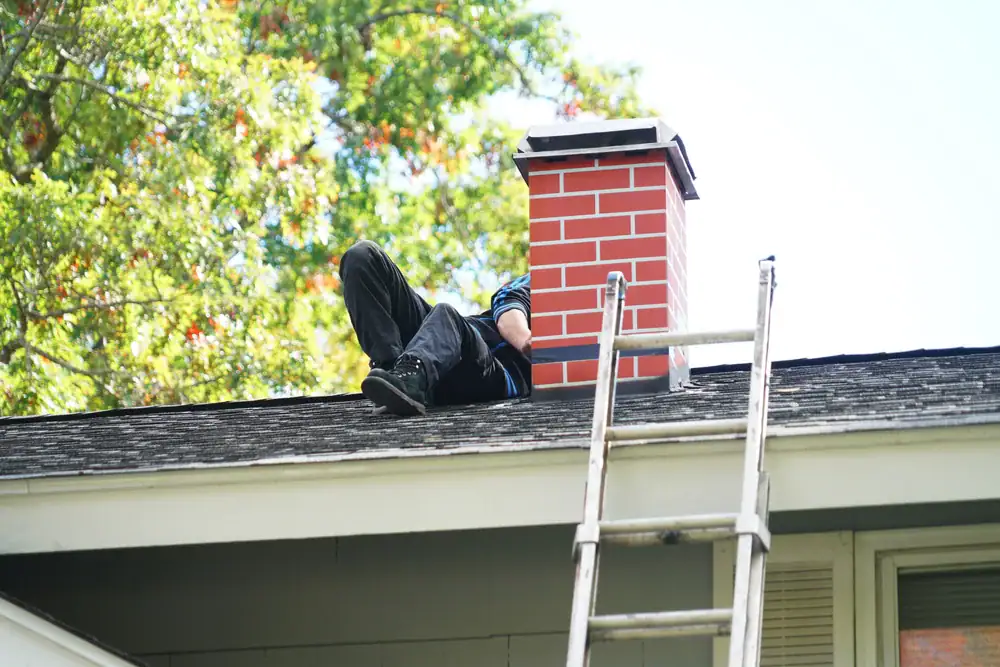
We start with an inspection. Not a sales pitch disguised as an assessment—an actual look at what’s wrong, why it’s wrong, and whether you really need a full replacement or if a targeted repair makes more sense. We’ll explain what we found in plain language and give you a clear estimate for the work.
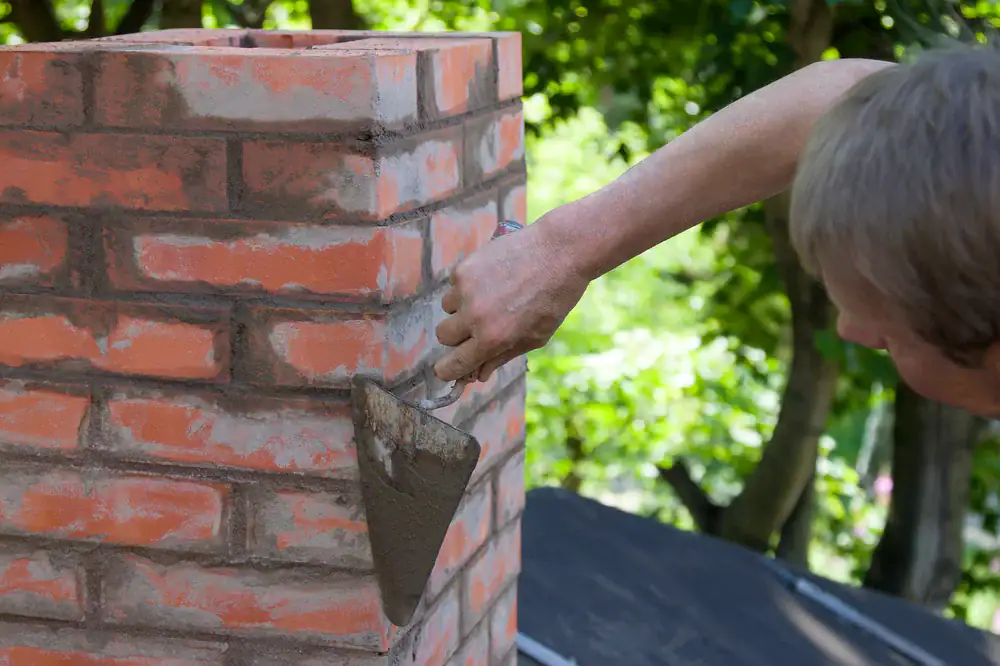
If replacement is the right call, we handle everything: pulling permits, protecting your landscaping and roof, tearing down the old chimney structure, and rebuilding it from the roofline up. That includes the chimney stack, flue liner, flashing, and chimney cap—all installed to code and built to handle Long Island’s weather. We use marine-grade materials where it matters because salt air destroys standard masonry faster than most people realize.
Once the work is done, we clean up completely. No debris left behind, no damage to your property, and no wondering if something was missed. You get a chimney that’s going to protect your home for the next 50 to 100 years, and you’ll know exactly what you paid for and why.

Ready to get started?
A complete chimney replacement in Hauppauge isn’t just tearing down brick and putting up new brick. It’s a full system rebuild designed specifically for the conditions your home faces.
We replace the chimney stack from the roofline up, install a new stainless steel flue liner that won’t corrode from coastal moisture, and seal everything with chimney flashing that actually keeps water out. The chimney cap gets upgraded to something that won’t rust or crack after two winters. If your chimney crown is damaged—and in most cases it is—we rebuild that too, because a failing crown is what lets water into the masonry in the first place.
Hauppauge homes deal with freeze-thaw cycles that crack mortar, salt air that corrodes metal components, and storms that test every weak point in your chimney’s structure. We account for all of it. The materials we use are chosen because they hold up here, not because they’re cheap or easy to install. And every part of the job is done to code, inspected properly, and built to last longer than most homeowners will own the house.

Most full chimney replacements in Hauppauge run between $4,000 and $15,000, with the average landing around $9,300. The range depends on the height of your chimney, how much of the structure needs to be rebuilt, and whether there’s additional damage to the roofline or interior framing.
If your chimney is leaning, if there’s fire damage, or if water infiltration has spread into the surrounding structure, costs can go higher—sometimes over $20,000. But that’s because you’re not just replacing the chimney at that point. You’re also repairing the roof, replacing damaged wood, and fixing problems that got worse because the chimney wasn’t addressed sooner.
We give you an upfront estimate before any work starts. No surprises, no hidden fees, and no pressure to fix things that don’t actually need fixing. You’ll know exactly what the job costs and what you’re paying for.
If the damage is limited—a cracked chimney cap, worn flashing, or surface-level mortar issues—repair is almost always the smarter move. Repairs cost significantly less than replacement and can add years to your chimney’s life if the underlying structure is still sound.
But if you’re dealing with a crumbling chimney stack, a deteriorated flue liner, or cracks that keep coming back no matter how many times you patch them, you’re looking at a structural problem. At that point, repairs are just buying time. You’ll spend a few hundred or a few thousand dollars now, and then spend it again in six months or a year when the same issues reappear.
We’ll tell you honestly which route makes sense for your situation. If a repair will actually solve the problem, that’s what we’ll recommend. If you’re throwing money at a chimney that’s too far gone, we’ll explain why replacement is the better investment and what you’ll get for it.
A properly built chimney can last 50 to 100 years, even in Hauppauge’s harsh coastal climate. The key is using the right materials and building it correctly from the start.
Long Island weather accelerates chimney deterioration faster than most other regions. Salt air corrodes metal components like chimney caps and flashing. Freeze-thaw cycles crack masonry. Heavy rain and coastal storms push water into any weak point in the structure. A chimney that might last 80 years in a drier, inland climate might only make it 40 years here if it’s not built to handle those conditions.
That’s why we use marine-grade materials, stainless steel flue liners, and proper flashing techniques that account for the way water moves across Long Island roofs. When the chimney is built right, it holds up. When it’s not, you’re back to repairs within a decade.
If you’re seeing large cracks running through the chimney stack, sections of brick that are crumbling or falling off, or a chimney that’s visibly leaning, those are signs the structure itself is failing. At that point, patching mortar or replacing a chimney cap isn’t going to fix the underlying problem.
Water stains on your ceiling near the chimney, a persistent smell of moisture or mold, or visible daylight coming through the flue from inside your fireplace all point to serious issues with the flue liner or chimney crown. If the flue liner is cracked or deteriorated, you’re not just looking at water damage—you’re risking carbon monoxide exposure and chimney fires.
Another red flag: if you’ve had the same chimney repaired multiple times in the last few years and the problems keep coming back. That usually means the repairs are addressing symptoms, not the root cause. A full replacement stops the cycle and gives you a chimney that actually works the way it’s supposed to.
Most chimney replacements take between two and five days, depending on the size of the chimney, the extent of the damage, and weather conditions. We’re not rushing through the job, but we’re also not dragging it out longer than it needs to be.
Day one usually involves setting up, protecting your property, and tearing down the old chimney structure. Days two through four cover rebuilding the stack, installing the new flue liner, sealing the flashing, and completing the chimney cap and crown. The final day is cleanup, inspection, and making sure everything is sealed and secure.
If we run into hidden damage—rotted roof decking, compromised framing, or water damage that spread beyond the chimney—that can add time to the project. But we’ll let you know as soon as we find it, explain what needs to be fixed, and give you a clear timeline for the additional work.
Yes. We pull all necessary permits and handle inspections as part of the job. You don’t need to deal with the Town of Islip building department or figure out what paperwork is required—we take care of it.
Chimney replacement in Hauppauge requires permits because it’s a structural change that affects your home’s safety systems. The work has to meet local building codes, and it has to be inspected to make sure it’s done correctly. Skipping permits might save time upfront, but it creates problems later when you go to sell the house or file an insurance claim.
We’ve been doing this for over a decade in Suffolk County. We know what the inspectors are looking for, and we build to code every time. When the job is done, everything is documented, permitted, and ready to pass inspection.
Other Services we provide in Hauppauge