

Hear From Our Clients
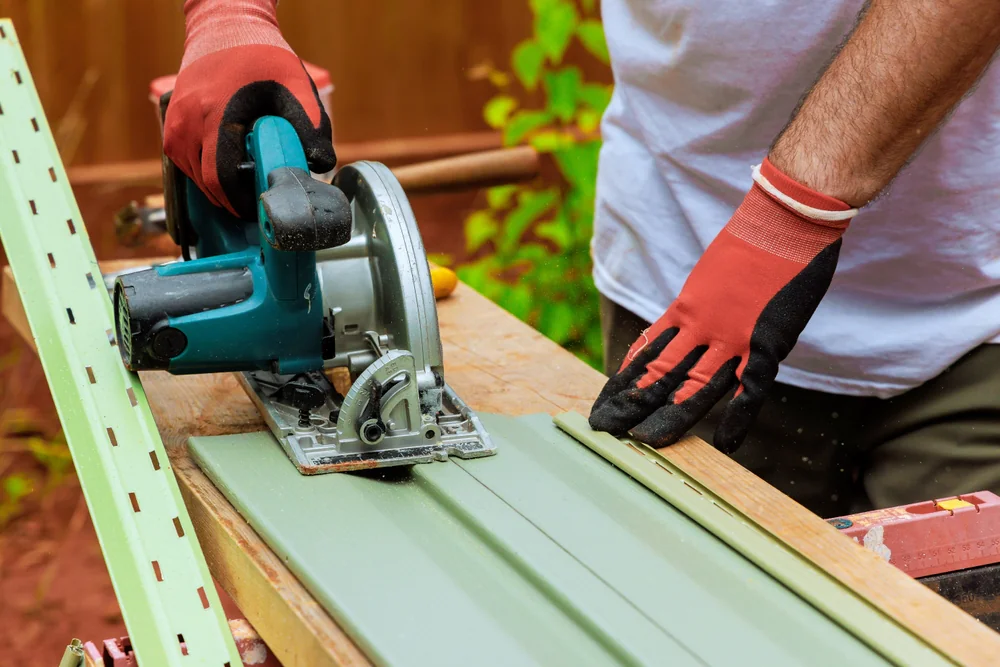
Your siding stops the leak. That’s the baseline.
But what you really get is one less thing eating at you when the forecast shows rain. No more interior water stains creeping down your walls. No more wondering if that crack is getting worse or if the wind will rip off another panel.
The repair matches your existing siding so well that you can’t tell where the damage was. Your home looks whole again, not like someone slapped a patch on it and called it done. And because we fix what caused the problem in the first place, you’re not calling someone back in six months to redo the same section.
North Patchogue sits close enough to the water that salt air does real damage over time. Vinyl warps. Wood rots faster. Aluminum corrodes. When your siding repair is done with materials rated for coastal conditions and installed by people who understand how moisture moves through walls here, it lasts.
We’ve spent over a decade repairing storm damage and handling routine siding fixes across Long Island. We’re local, licensed, and we’ve seen what happens when repairs are done wrong.
North Patchogue homes face specific challenges. The humidity, the salt air, the temperature swings from summer to winter. These aren’t conditions you read about in a manual. You learn them by working here, year after year, on vinyl siding repair, wood siding repair, and aluminum siding repair jobs that all behave differently in this climate.
We keep relationships with major manufacturers so we can source discontinued colors and styles that most contractors can’t find. That’s how we match your existing siding instead of telling you the whole side needs replacing.
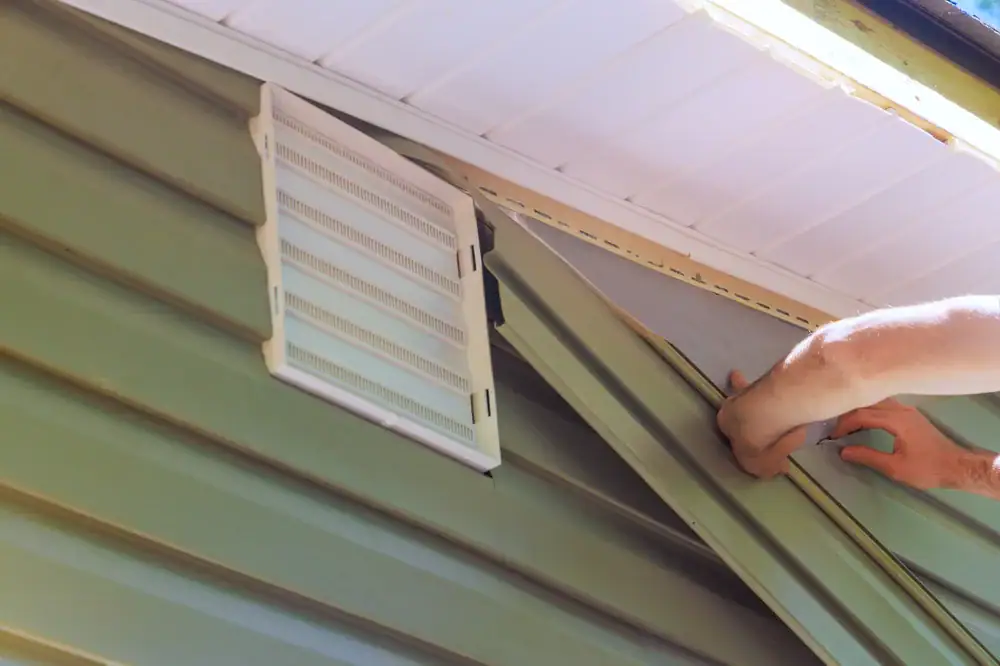
You call or message us about your siding damage. We respond fast, especially if it’s storm-related, because waiting turns small problems into expensive ones.
We come out to look at the damage. Not just the visible part, but what’s behind it. We check the sheathing, the moisture barrier, the ventilation. If water got in, we need to know how far it traveled and what else it damaged. You get a clear explanation of what’s wrong and what it’ll take to fix it right.
Once you approve the work, we start. Most repairs finish the same day because we stock common materials and our crews know how to work efficiently without cutting corners. Simple jobs like replacing loose vinyl panels take two to three hours. More involved repairs, like sections of rotting wood siding that need sheathing work, take longer but we’re still talking about one day in most cases.
We match your siding’s color and texture. We secure everything properly so it holds up in wind and weather. We clean up completely. Then we walk you through what we did and what to watch for going forward.

Ready to get started?
You get a full assessment of the damaged area and the surrounding siding. We don’t just fix the obvious problem. We look for what caused it, whether that’s poor flashing, inadequate ventilation, or settling that’s pulling panels apart.
The repair itself includes removing damaged sections, checking and repairing any underlying issues with sheathing or moisture barriers, and installing replacement materials that match your existing siding. For vinyl siding repair, that means panels that lock in properly and won’t pop loose in the next windstorm. For wood siding repair, it means treating the area to prevent future rot and using wood that’s rated for exterior coastal use. For aluminum siding repair, it means fasteners that won’t corrode and techniques that prevent water from getting behind the panels.
North Patchogue gets hit with everything from nor’easters to summer humidity that sits heavy for weeks. Your repair needs to handle all of it. We use materials engineered for salt air, high humidity, and the temperature swings that characterize Long Island. That’s not marketing language. That’s the difference between a repair that lasts and one that fails in two years.

We respond to emergency storm damage calls within two to four hours. That’s not an estimate. That’s what we do, because we know damaged siding lets water into your home’s structure and speed matters.
When we get there, we assess the damage and do temporary weatherproofing the same day if needed. That might mean tarping, sealing, or doing a quick panel replacement to stop water from getting in while we line up materials for the permanent repair. Permanent repairs typically happen within 24 to 48 hours of your call.
After major storms like the record rainfall event that hit Long Island in August 2024, we prioritize calls based on severity. If you have water actively coming in, you move to the front of the line. If you have visible damage but it’s not leaking yet, we still get to you within a day or two because waiting turns a siding problem into a wall repair problem.
Yes, and we’re good at it. We maintain relationships with major manufacturers specifically so we can source discontinued colors and styles that most contractors can’t find anymore.
Our crews know how to blend new panels seamlessly with existing ones. For vinyl, that means understanding how the color has faded over time and selecting replacement panels that match the current appearance, not the original color from 15 years ago. For wood, it means matching the grain pattern and profile, then finishing it to blend with the weathered look of your existing siding. For aluminum, it means finding the right gauge and finish, then making sure the seams don’t stand out.
Sometimes an exact match isn’t possible because the product line was discontinued or the existing siding has aged in a way that can’t be replicated. When that happens, we tell you upfront and discuss options like replacing a full wall section or using a complementary color that looks intentional rather than mismatched.
Salt air is the biggest factor. It corrodes metal fasteners and degrades paint and finishes faster than you’d see inland. Vinyl becomes brittle over time from the salt exposure combined with UV rays. Wood rots faster because the humidity stays high and moisture doesn’t evaporate as quickly.
Wind is the second major cause. North Patchogue gets hit with strong winds during storms, and poorly secured siding panels get ripped off or bent. If the original installation didn’t use enough fasteners or didn’t account for wind load, you’ll see failures during the first major storm.
Water intrusion causes the third category of problems. When flashing around windows and doors isn’t installed correctly, or when the moisture barrier behind the siding gets compromised, water gets into your wall cavity. That leads to rot in wood framing, mold growth, and siding that pulls away from the house as the underlying structure deteriorates. Many of our calls involve water damage that started small but spread because homeowners didn’t realize how serious it was until they saw interior stains.
Simple repairs like replacing a few damaged vinyl panels run a few hundred dollars. More involved work like repairing a section of wood siding with underlying water damage can run into the low thousands. Full wall sections that need complete replacement can cost more depending on the size and material.
The real cost driver isn’t the siding itself. It’s what’s behind it. If we pull off damaged panels and find rotted sheathing, compromised moisture barriers, or mold in the wall cavity, the repair gets more expensive because we have to fix those issues before we can install new siding. That’s not upselling. That’s making sure your repair actually solves the problem instead of covering it up.
We give you transparent pricing upfront after we assess the damage. No surprises, no “we found additional issues” calls halfway through unless we genuinely discover something that wasn’t visible during the initial inspection. Most homeowners appreciate knowing exactly what they’re paying for and why, especially when they’re comparing us to contractors who give vague estimates and then inflate the price once work starts.
If the damage came from a storm or sudden event, probably yes. Most homeowners insurance policies cover wind damage, hail damage, and impact damage from flying debris. They typically don’t cover damage from lack of maintenance or gradual deterioration.
We can document the damage in a way that helps your claim. That means taking photos that clearly show the extent of the problem, noting the likely cause, and providing a detailed estimate that breaks down materials and labor. Insurance adjusters appreciate clear documentation because it makes their job easier.
One thing to consider is your deductible versus the repair cost. If your deductible is $2,500 and the repair costs $2,800, filing a claim might not make sense because you’re only getting $300 from insurance and you’re creating a claim on your record. We’ll give you an honest estimate so you can make that call. Some homeowners pay out of pocket for smaller repairs to avoid the claim, then file for larger damage that clearly exceeds their deductible.
A properly done repair should last as long as the surrounding original siding, assuming the original installation was decent. For vinyl, that’s typically 20 to 30 years. For wood, it’s 15 to 25 years with proper maintenance. For aluminum, you’re looking at 25 to 40 years.
The key phrase is “properly done.” That means using fasteners rated for coastal environments so they don’t corrode. It means installing moisture barriers correctly so water can’t get behind the siding. It means securing panels to handle wind load, not just making them look good on a calm day.
Coastal conditions accelerate aging, so your siding repair will weather faster than the same repair would inland. The salt air, the humidity, the temperature swings all take their toll. But if we use materials engineered for these conditions and install them correctly, your repair holds up. We’ve been doing this in North Patchogue and across Long Island for over a decade, and we know what works and what fails. That experience shows in repairs that are still solid years later instead of needing to be redone.
Other Services we provide in North Patchogue