

Hear From Our Clients
Your home stops leaking immediately. No more moisture creeping into your walls where expensive problems hide and multiply.
Your energy bills drop because properly sealed siding improves your home’s insulation instead of letting conditioned air escape through gaps and cracks. You’ll notice the difference on your next utility bill.
Your property value stays strong in East Quogue’s competitive market. Well-maintained siding protects your $801,100 investment and keeps your home looking like it belongs in this upscale coastal community.
We’ve repaired storm damage across Suffolk County for over a decade. We understand what nor’easters, salt air, and temperature swings do to vinyl, cedar, and fiber cement siding.
Most contractors don’t stock replacement materials for discontinued colors and styles. We maintain relationships with major manufacturers so your repair blends seamlessly with existing siding—you won’t even know where the fix happened.
East Quogue homeowners trust us because we’re not just another contractor. We’re your neighbors who understand that your home represents serious money and deserves serious expertise.
You call, we respond the same day for emergency repairs. Our crews carry materials for immediate weatherproofing because we know damaged siding lets water into your home’s structure within hours.
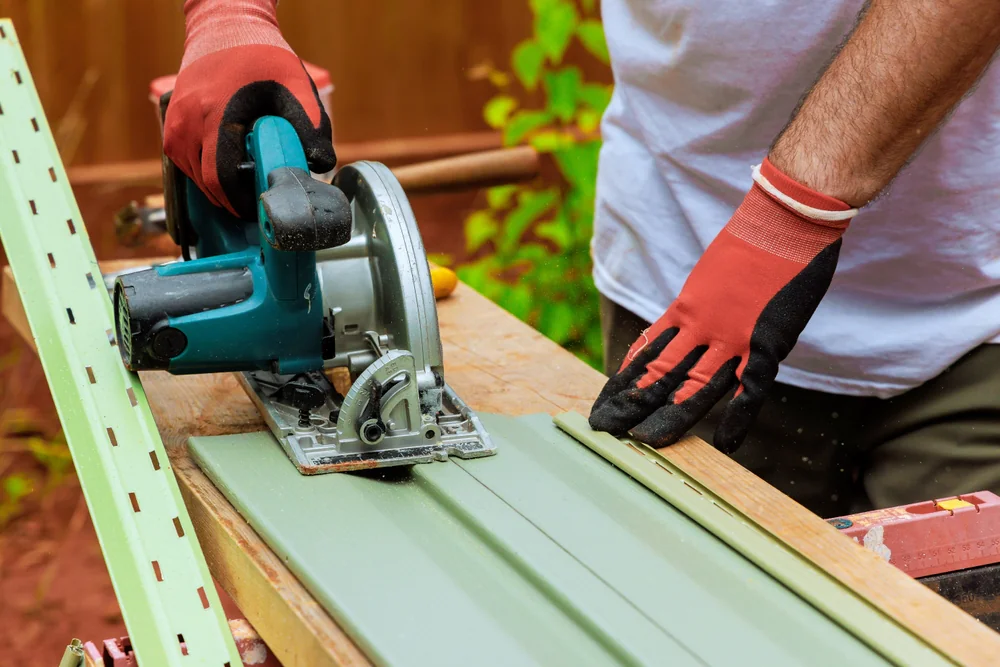
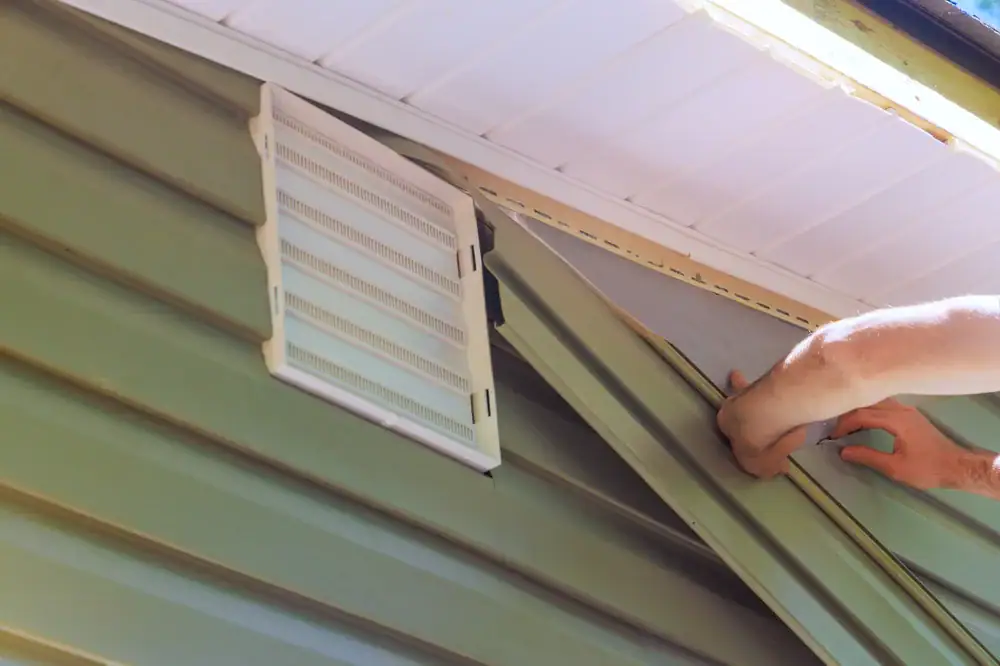
We assess the damage, match your existing siding perfectly, and complete most repairs within 24-48 hours once materials arrive. Simple fixes like replacing loose vinyl panels often take just 2-3 hours.
For storm damage, we secure your home immediately and start permanent repairs. Insurance companies want fast action to prevent secondary damage claims, and we deliver exactly that level of urgency your situation demands.

Ready to get started?
We repair vinyl cracks from temperature changes, cedar splits and rot from moisture, and fiber cement chips from impacts. Each material needs specific techniques, and our crews understand exactly how each should be installed and what causes premature failure.
East Quogue’s coastal location means your siding faces unique challenges. Salt air accelerates aging, nor’easters rip panels loose, and the freeze-thaw cycle cracks vinyl faster than inland areas experience.
Our repair work uses weather-resistant materials specifically chosen for Suffolk County’s harsh conditions. Impact-resistant options and coastal-grade materials protect your investment for decades, not just until the next storm season.

We provide same-day emergency response for storm damage in East Quogue, NY. Our crews carry emergency repair materials and can often complete temporary weatherproofing within hours of your call.
Permanent repairs usually follow within 24-48 hours once replacement materials arrive. We prioritize storm damage calls because waiting even one day can turn a siding problem into expensive wall repair behind the damaged panels.
For simple repairs like replacing a few loose vinyl panels, the work often takes just 2-3 hours. More extensive damage requiring multiple panel replacement may take a full day, but we work efficiently to restore your home’s protection.
Yes, we specialize in perfect color and texture matching for all siding types used in East Quogue. We maintain relationships with major manufacturers to source discontinued colors and styles that many contractors can’t find.
Our experienced crews know how to blend new panels seamlessly with weathered existing siding so repairs are completely invisible. We understand that in East Quogue’s upscale market, patch jobs that stand out hurt your property value.
For cedar siding, we explain that new wood starts lighter but weathers naturally to match over time. We can also recommend staining options to accelerate the aging process if you prefer immediate color consistency.
Storm damage is our most common call in East Quogue—high winds loosening panels, hail cracking vinyl, and driving rain exposing installation flaws. Suffolk County’s coastal storms hit hard and find every weakness.
We also frequently repair impact damage from falling branches, maintenance accidents, and age-related problems like rotting cedar and warped vinyl from heat cycles. Salt air from your coastal location causes accelerated aging and premature cracking.
Many calls involve water damage behind siding that started small but spread because homeowners waited too long. We see failed caulking around windows, loose panels, and visible cracks that let moisture infiltrate your home’s structure.
It depends on the damage extent and your siding’s overall condition. If damage affects less than 25% of a wall and the remaining siding is structurally sound, repair is usually most cost-effective for East Quogue homeowners.
However, if your siding shows widespread aging, multiple problem areas, or has been repeatedly patched, replacement might be your better long-term investment. We’ll assess your entire exterior and give you honest recommendations.
Consider that East Quogue’s median home value of $801,100 justifies investing in quality repairs that protect your investment. Cheap patches that fail quickly end up costing more than doing the job right the first time.
Absolutely. We offer 24/7 emergency siding repair services throughout East Quogue and Suffolk County. Storm damage doesn’t wait for business hours, and neither do we when your home needs protection.
Our emergency service includes immediate site securing, temporary weatherproofing, and permanent repairs as quickly as materials allow. We understand that damaged siding in East Quogue’s coastal climate can cause thousands in water damage within days.
We carry emergency repair materials in our trucks and can often provide same-day weatherproofing. Insurance companies appreciate fast response because it prevents secondary damage claims that drive up their costs significantly.
Siding repair costs in East Quogue typically range from $200 to $1,100 for most projects, depending on material type, damage extent, and repair complexity. Simple vinyl panel replacement might cost $200-400, while extensive cedar repair can reach $1,000+.
Labor rates in Suffolk County run $40-80 per hour, and material costs vary significantly by siding type. Vinyl is most affordable, cedar costs more due to specialized installation, and fiber cement falls in between.
We provide detailed estimates that break down material and labor costs so you understand exactly what you’re paying for. Many East Quogue homeowners find that investing in quality repairs protects their substantial property values better than cheap fixes that fail quickly.
Other Services we provide in East Quogue