Hear From Our Clients
You shouldn’t have to check the attic after every storm. You shouldn’t wonder if this winter’s nor’easter will finally rip off those loose shingles. And you definitely shouldn’t be dealing with another temporary patch job that fails six months later.
A proper roof installation means you stop living in that cycle. It means materials chosen specifically for salty air and high winds. It means flashing that’s actually sealed correctly and shingles rated for the weather patterns we get here on Long Island.
When the work’s done right, you’re not calling for emergency repairs every season. You’re not scrambling to file another insurance claim. You’re just living in your home without that constant low-grade anxiety about what’s happening above your head.
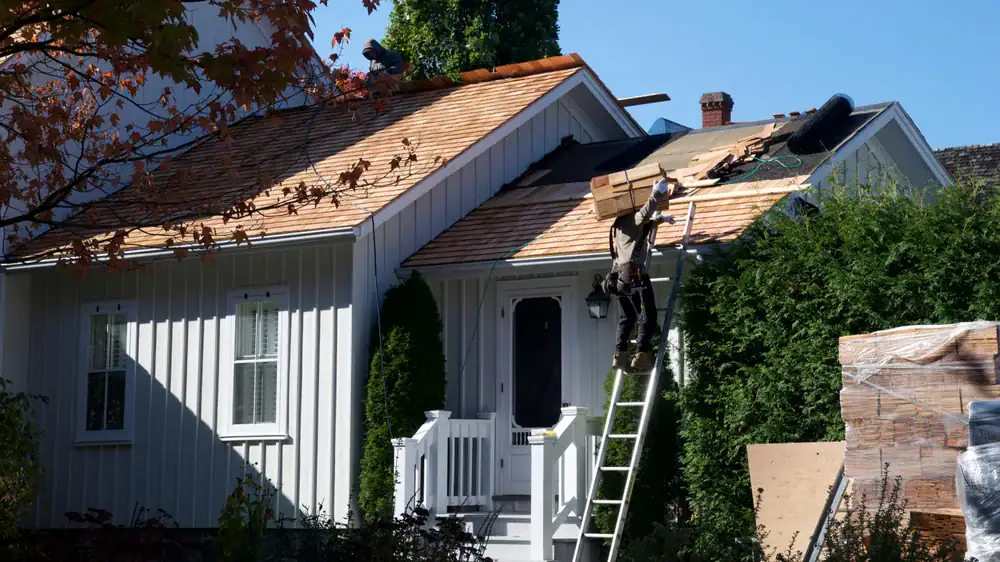
Home Team Construction has been installing and replacing roofs across Manorville and Suffolk County for over a decade. We’re not a national franchise that rotates crews through. We’re local roofer contractors who understand exactly what happens to roofs in this specific climate.
That matters more than you’d think. The materials that work in other parts of New York don’t always hold up to coastal conditions. The installation techniques that pass inspection elsewhere might not meet the wind uplift requirements the Town of Brookhaven actually enforces.
We’ve seen what fails and what lasts. Every crew member is licensed, insured, and trained on the specific challenges Long Island roofs face. When we install your roof, our reputation in this community is on the line.
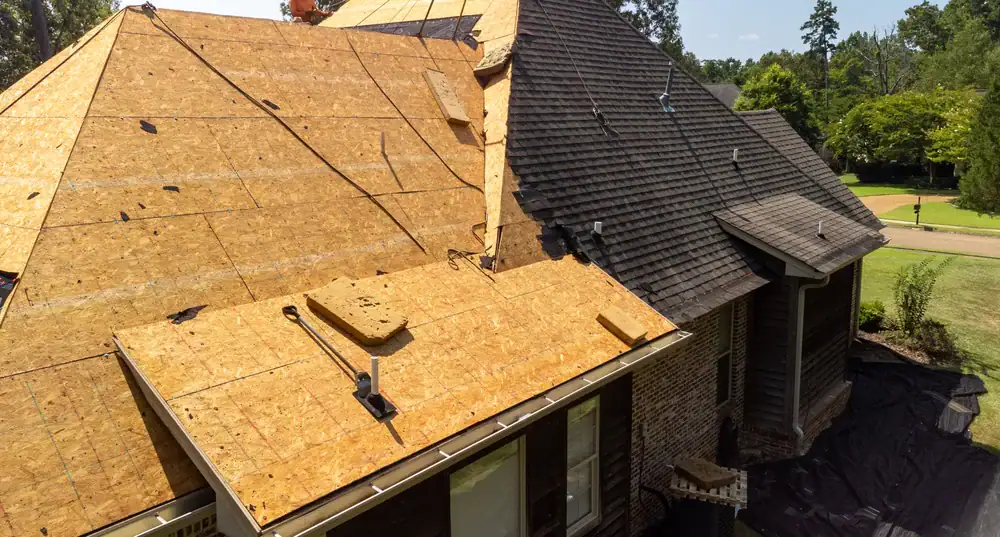
It starts with a thorough inspection of your current roof and attic. We’re looking for hidden damage, structural issues, ventilation problems, and anything that needs addressing before new materials go on. You get a detailed report with photos and a fixed-price estimate with no surprises later.
Once you approve the plan, we handle the permit process with Brookhaven’s Building Division. We order materials rated for coastal exposure and schedule the installation around weather windows that actually make sense. You’ll know the timeline before we start.
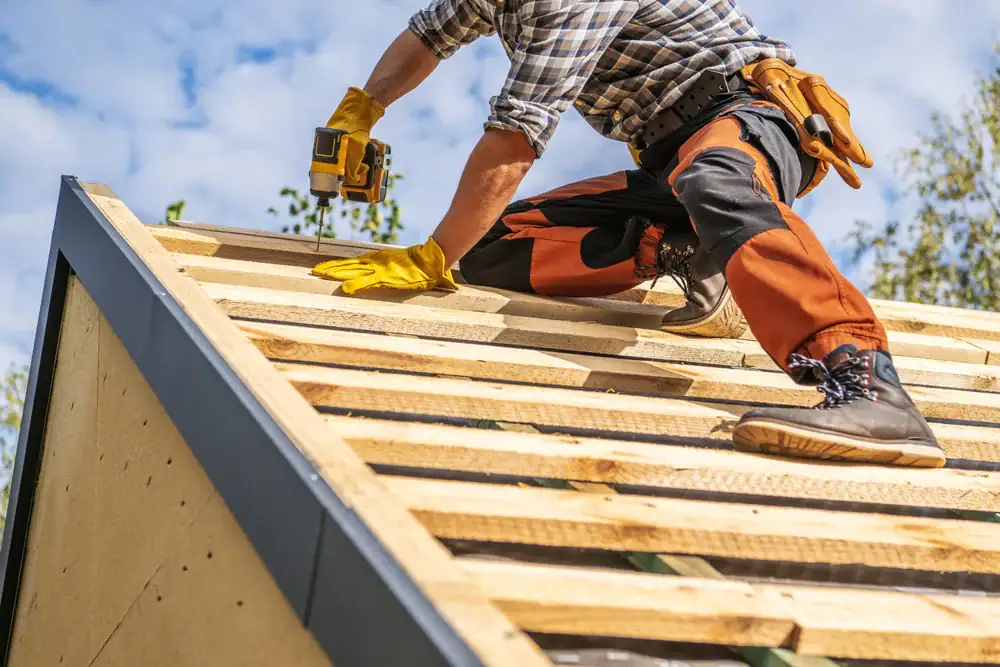
During installation, we protect your property with tarps and magnetic sweeps for nails. The old roof comes off in sections, decking gets inspected and repaired where needed, and new underlayment and shingles go on following manufacturer specs for wind resistance. We’re not rushing to finish. We’re making sure it’s done correctly.
You get progress updates with photos each day. When we’re done, you get a final walkthrough, warranty documentation, and a yard that’s cleaner than when we arrived. The roof gets inspected and signed off. Then you’re covered.
Ready to get started?
Manorville sits far enough east that you get the full brunt of coastal weather without the immediate waterfront protection. That means your roof needs impact-resistant shingles with algae resistance, proper ice and water shield in valleys, and flashing that’s sealed for wind-driven rain.
We install asphalt shingles rated for high wind speeds, metal roofing with rust-resistant coatings for longer-term durability, and synthetic materials when your home’s architecture calls for it. Every installation includes new underlayment, ridge venting for proper attic airflow, and drip edge to protect fascia boards.
The goal isn’t just passing inspection. It’s installing a roof system that performs for decades in the specific conditions your home faces. That means matching materials to your roof’s pitch, exposure level, and the tree coverage around your property. A roof facing south with full sun exposure needs different considerations than one shaded by oaks on the north side.
We also coordinate with your insurance company when storm damage is involved. If you’re filing a claim, we document everything the adjuster needs and walk you through the process so you’re not figuring it out alone.
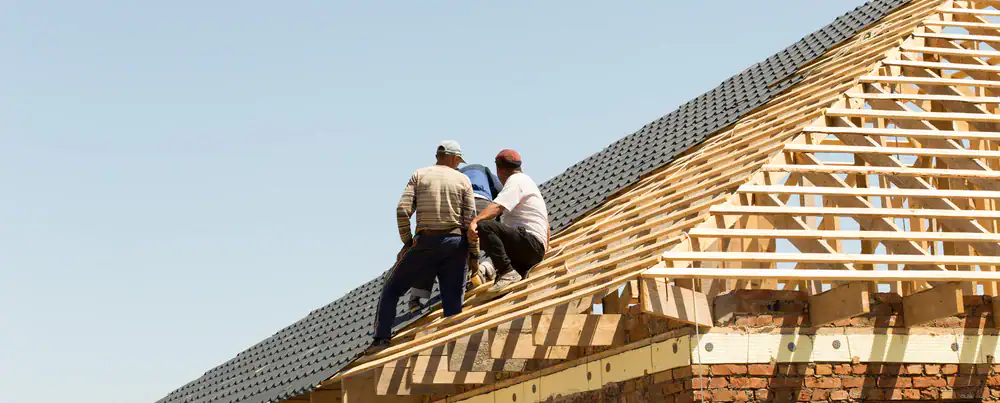
Most residential roof installations take two to four days depending on the size of your home, the complexity of the roof design, and weather conditions. A straightforward ranch with minimal valleys and penetrations goes faster than a two-story colonial with multiple dormers and skylights.
We don’t stretch jobs out, but we also don’t rush through critical steps to hit an arbitrary deadline. Proper installation means taking time to inspect and repair decking, seal all penetrations correctly, and ensure every shingle is installed to manufacturer specs for wind resistance.
Weather delays happen. If rain’s forecast or winds are too high for safe work, we reschedule rather than risk improper installation. You’ll know the realistic timeline upfront and get updates if anything changes.
Asphalt shingles with impact resistance and algae treatment are the most common choice for Manorville homes. They handle temperature swings well, come in styles that match most home designs, and offer solid performance for the cost. Architectural shingles with higher wind ratings outlast basic three-tab shingles in coastal conditions.
Metal roofing is gaining popularity for good reason. It lasts 40 to 70 years, sheds snow and ice effectively, and holds up to salt air better than most materials. The upfront cost is higher, but you’re looking at potentially the last roof your home needs.
Slate and synthetic slate work for specific architectural styles and offer excellent durability, but they require proper structural support and experienced installation. The wrong crew can create more problems than they solve. Whatever material you choose, proper installation matters more than the brand name on the shingles.
It depends on what caused the damage and what your policy actually covers. Storm damage from wind, hail, or falling trees is typically covered minus your deductible. Gradual wear and aging usually aren’t unless you have specific coverage for that.
The challenge is that insurance companies have gotten stricter about roof age. If your roof is over 15 or 20 years old, some policies switch to actual cash value coverage instead of replacement cost, meaning you’re getting a depreciated payout that won’t cover a full replacement.
We help document storm damage properly so your claim has the best chance of approval. That means detailed photos, measurements of hail impact, records of wind speeds during the event, and a scope of work that matches what adjusters expect to see. We’ve worked with enough insurance companies to know what they require and how to present the information correctly.
If you’re dealing with isolated damage in one area—a few missing shingles after a storm, flashing that’s come loose, or a small leak around a chimney—targeted repairs usually make sense. But if your roof is over 20 years old, has multiple problem areas, or shows widespread wear, you’re often better off replacing it.
Here’s why: patching an aging roof becomes a cycle of constant repairs. You fix one leak, then another area fails six months later. The money you spend on repeated service calls adds up fast, and you’re still left with a roof that’s reaching the end of its lifespan.
We’ll give you an honest assessment during the inspection. If repairs will buy you several more years and make financial sense, we’ll tell you that. If you’re throwing money at a roof that needs replacement anyway, we’ll tell you that too. The goal is helping you make the right decision for your situation, not selling you the biggest job.
We monitor weather forecasts closely and plan installations around predicted rain. Most jobs are completed quickly enough that we’re not exposed to weather risk for long. But Long Island weather can be unpredictable, and afternoon thunderstorms sometimes show up without much warning.
If rain is imminent and sections of your roof are exposed, we immediately cover those areas with tarps secured properly to prevent water intrusion. Modern underlayment materials are also water-resistant, providing a temporary barrier even if shingles aren’t on yet.
The bigger concern is working in wet conditions, which compromises installation quality. Shingles don’t seal properly when applied to wet surfaces, and safety risks increase significantly. If steady rain moves in, we pause work until conditions improve rather than rushing through and creating problems you’ll deal with later.
Yes. Roof replacement in Manorville requires a building permit through the Town of Brookhaven, and we handle that entire process. We submit the permit application with all required documentation, pay the fees, and coordinate the required inspections.
Brookhaven inspectors check for proper installation methods, adequate ventilation, correct flashing details, and compliance with current building codes including wind uplift requirements. These inspections protect you by ensuring the work meets structural and safety standards.
Some contractors skip permits to save time or avoid inspection scrutiny. That’s a massive red flag. Unpermitted work can create problems when you sell your home, void manufacturer warranties, and leave you liable if issues arise. We pull permits on every job because it’s the right way to do the work and it protects your investment long-term.
Other Services we provide in Manorville