
Hear From Our Clients
You stop worrying every time it rains. No more buckets in the hallway or stains spreading across your ceiling. Your energy bills drop because heat isn’t escaping through gaps you didn’t know existed.
Your home value stays protected. Buyers notice roofs immediately, and a newer system means faster sales at better prices. You’re not scrambling for emergency repairs during the next nor’easter that hits Suffolk County.
You get transparency from the start. Clear estimates before work begins, so you know exactly what you’re paying for and why. The materials we install are built for Long Island’s coastal weather—the salt air, the humidity, the temperature swings that crack inferior shingles within years.
Your roof becomes the barrier it should be. Keeping your family dry, your structure sound, and your stress level manageable. That’s what proper roof installation does when it’s done by people who’ve been doing this work in your neighborhood for over a decade.
Home Team Construction has spent over 10 years working on Long Island homes. We’re licensed, insured, and based right here in Suffolk County. We know what happens to roofs near the coast—the moisture, the storms, the wear that comes faster than inland properties deal with.
Most homes in this area were built during the 2000s housing boom. Those roofs are hitting the end of their lifespan right now. Asphalt shingles last 20-25 years in ideal conditions, but Long Island weather isn’t ideal. You’re likely seeing granule loss, curling edges, or leaks that start small and spread fast.
We don’t overpromise and disappear. We show up when we say we will, finish the work completely, and give you straight answers about what your roof actually needs. No pressure tactics. No inflated estimates. Just honest work from contractors who live and work in your community.
First, we inspect your roof in person. We’re looking at the decking condition, ventilation setup, and whether the structure can support the materials you want. You get a written estimate that breaks down labor, materials, and timeline. No hidden fees.
Once you approve, we order materials designed for coastal climates. We’re talking about shingles rated for high winds and algae resistance, or metal roofing that handles salt air without corroding. We schedule around weather because rushing a roof install in bad conditions causes problems down the line.
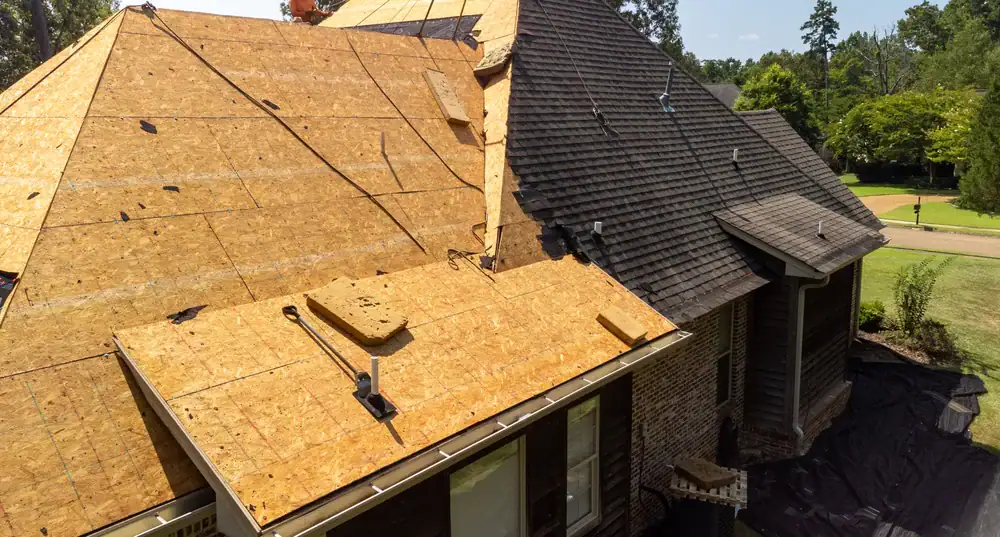
Demo day comes next. We strip old materials down to the decking, inspect for rot or damage, and replace any compromised wood. Then we install new underlayment, ice and water shield in vulnerable areas, and your chosen roofing material. Flashing goes around chimneys, vents, and skylights—the spots where most leaks start if the work is sloppy.
Cleanup happens daily. We’re not leaving nails in your driveway or shingle debris in your yard. Final inspection covers every detail, and you get warranty documentation for both materials and our workmanship. Most residential roof installations in Lindenhurst take 2-4 days depending on size and complexity.
Ready to get started?
You’re getting a complete system, not just shingles slapped over old problems. That means proper ventilation to prevent attic moisture buildup and ice dams during winter. It means quality underlayment that adds a second layer of water protection. It means flashing that’s sealed correctly so water can’t sneak behind your siding or around your chimney.
Material choice matters in Lindenhurst. Asphalt shingles are the most common—they’re cost-effective and perform well when installed correctly. Architectural shingles offer better wind resistance and longer warranties than basic three-tab options. Metal roofing costs more upfront but lasts 40-50 years and handles coastal weather better than anything else.
Suffolk County building codes require permits for roof replacement. We handle that paperwork. Your insurance company may cover storm damage, and we can work with adjusters to document what needs replacing. The average roof installation cost on Long Island runs $8,000-$15,000 depending on size, material, and complexity.
You’re also getting peace of mind about the work. Our team has installed hundreds of roofs across Long Island. We know which products hold up and which ones fail after a few seasons. We know how to handle the pitch and layout challenges common in Lindenhurst’s housing stock. And we know how to finish on schedule without cutting corners that cause callbacks.
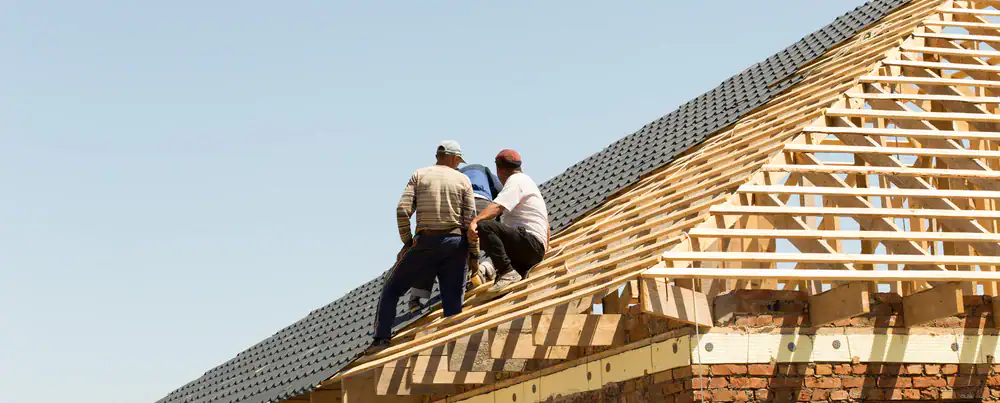
Most residential roof installations take 2-4 days from start to finish. Single-story homes with straightforward layouts usually wrap up in two days. Two-story homes or properties with multiple roof lines, chimneys, or skylights take closer to four days.
Weather affects the timeline. We don’t install roofing materials in rain or high winds because it compromises the seal and creates leak risks. Long Island weather can be unpredictable, especially during spring and fall. We monitor forecasts closely and adjust schedules to avoid working in bad conditions.
The size of your roof matters too. A 1,500 square foot roof goes faster than a 3,000 square foot one. Complex features like valleys, dormers, or steep pitches add time because they require more precise work. We’ll give you a realistic timeline during your estimate based on your specific property.
Metal roofing performs best in coastal areas like Lindenhurst. It doesn’t absorb moisture, resists salt air corrosion when properly coated, and handles high winds better than shingles. You’re looking at 40-50 years of lifespan with minimal maintenance. The upfront cost is higher—usually double what asphalt shingles run—but the longevity makes up for it.
Architectural asphalt shingles are the most popular middle-ground option. They cost less than metal but offer better wind resistance and longer warranties than basic three-tab shingles. Look for products rated for 110+ mph winds and algae resistance. The algae part matters because Long Island’s humidity encourages those black streaks you see on older roofs.
Avoid wood shakes near the coast. They look great initially but deteriorate fast in moisture-heavy environments. Slate is durable but extremely heavy and expensive—most homes aren’t structurally designed for it. Your best bet is either quality architectural shingles or metal roofing depending on your budget and how long you plan to stay in the home.
Expect to pay $8,000-$15,000 for a complete roof replacement on an average-sized Lindenhurst home. That’s for architectural asphalt shingles on a standard single-family house around 1,500-2,000 square feet of roof area. The average homeowner pays around $11,500.
Metal roofing costs more—usually $15,000-$25,000 for the same size home. You’re paying for material that lasts twice as long and handles weather better. Complex roof designs with multiple levels, steep pitches, or lots of penetrations (chimneys, skylights, vents) increase labor costs.
Material prices have jumped since 2020. Tar and asphalt products are up 41% due to supply chain issues that haven’t fully recovered. Labor costs have increased too because there’s a shortage of experienced roofers. The construction industry needs over 500,000 more workers, and roofing is one of the hardest-hit trades. Get multiple estimates, but be suspicious of quotes that come in way below others—that usually means shortcuts or inexperienced crews.
Insurance covers roof damage from storms, falling trees, or sudden events—not wear and tear from age. If a nor’easter rips off shingles or a tree branch punches through your roof, you’ll likely get coverage minus your deductible. If your 25-year-old roof is just worn out, you’re paying out of pocket.
Document everything if you’re filing a claim. Take photos of damage immediately after a storm. Get a professional inspection that details what’s storm-related versus pre-existing wear. Insurance adjusters sometimes try to minimize payouts by claiming damage was already there. Having a contractor’s assessment helps push back on lowball offers.
Your roof’s age affects coverage. Some policies won’t pay replacement cost on roofs over 20 years old—they’ll only cover actual cash value, which factors in depreciation. That means you might get $5,000 for a roof that costs $12,000 to replace. Read your policy or call your agent before assuming you’re fully covered. And if you’re buying a home in Lindenhurst, know that a roof nearing the end of its lifespan will affect your ability to get insurance or increase your premiums.
Multiple leaks in different areas mean your roof is failing systemically, not just in one spot. If you’re patching problems every year, replacement makes more financial sense than endless repairs. One leak around a chimney is fixable. Three leaks across different sections means the underlayment or shingles are shot.
Check your shingles from the ground. If you see widespread curling, missing granules, or bare spots where the asphalt shows through, you’re near the end. Granules protect shingles from UV damage—once they’re gone, deterioration accelerates. Look in your gutters too. Excessive granules washing down means your shingles are breaking down.
Age is the biggest factor. Asphalt shingles last 20-25 years in Long Island’s climate. If your roof is approaching that range and showing any of these signs, replacement is smarter than repairs. You’ll spend thousands patching an old roof only to replace it within a few years anyway. Get an honest inspection from a contractor who’s not trying to sell you either way—just someone who’ll tell you what condition you’re actually dealing with.
Yes. Suffolk County requires building permits for roof replacement. The permit ensures work meets current building codes for wind resistance, fire rating, and structural requirements. Skipping permits creates problems when you sell your home or file insurance claims—unpermitted work can void coverage or tank a sale.
The permit process involves submitting plans, paying fees (usually $200-$500 depending on project size), and scheduling inspections. Your roofing contractor should handle this. If someone offers to skip permits to “save money,” walk away. That’s a red flag for other shortcuts they’ll take during installation.
Inspections happen after installation. The building inspector checks flashing, underlayment, ventilation, and overall workmanship. This protects you by ensuring the job was done correctly. Permits also create a paper trail that helps with insurance claims and adds value when you sell. Buyers want to see that major work was done legally and up to code. It’s not optional red tape—it’s protection for your investment.
Other Services we provide in Lindenhurst