
Hear From Our Clients
You’re not looking for the cheapest roof. You’re looking for one that doesn’t leak during the next hurricane, doesn’t need shingle replacement every few years, and doesn’t turn into a $30,000 problem because the contractor cut corners on flashing.
That’s what happens when roofers treat East Moriches like it’s anywhere else. They use materials that can’t handle salt air. They skip proper ventilation. They don’t account for wind uplift or ice damming. Then you’re stuck with a roof that looks fine until the first real storm hits.
A roof installation done right means you’re not calling for emergency repairs every time the weather turns. It means your attic stays dry, your energy bills don’t spike, and your home value doesn’t tank because an inspector finds rotted decking. You get a roof that does its job—quietly, consistently, for decades.
Home Team Construction has spent over a decade working on roofs across Suffolk County. We’ve seen what happens when roofers don’t understand coastal construction—the callbacks, the leaks, the frustrated homeowners who thought they hired someone competent.
We’re licensed contractors who live and work in this area. We know East Moriches homes deal with salt corrosion, wind-driven rain, and temperature swings that most inland roofers never encounter. We’ve handled everything from emergency storm repairs to complete roof replacements on waterfront properties where one mistake means water damage throughout the house.
When we install a roof, we’re thinking about how it performs in February during an ice storm and in August when your attic hits 140 degrees. That’s the difference between a roof that lasts and one that fails.
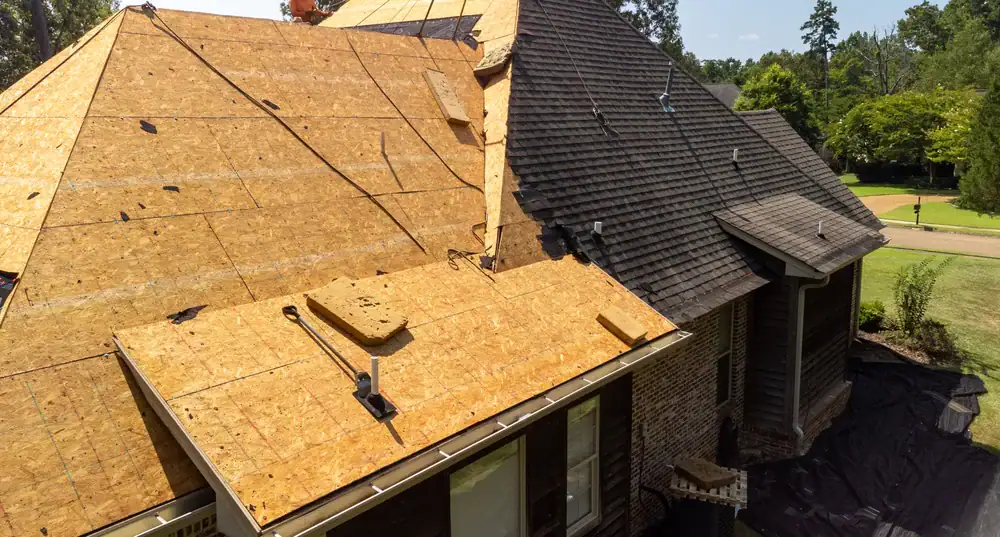
We start with an inspection of your existing roof and attic. We’re looking for hidden damage—rotted decking, inadequate ventilation, improper flashing around chimneys and skylights. You get a written estimate that breaks down materials, labor, and timeline. No surprises.
Once you approve, we order materials designed for coastal environments. That means impact-resistant shingles rated for high winds, corrosion-resistant flashing, and proper underlayment that creates a waterproof barrier even if shingles blow off. We schedule around weather because rushing a roof installation to beat rain is how mistakes happen.
During installation, we strip everything down to the decking, replace any damaged wood, install new underlayment and flashing, then lay shingles with proper overlap and fastening. We handle ventilation, gutters, and cleanup. When we’re done, your roof is built to handle whatever Long Island weather throws at it—and you have warranties on both materials and workmanship.
Ready to get started?
A complete roof installation means tearing off old materials, inspecting and replacing damaged decking, installing ice and water shield in vulnerable areas, and using proper flashing around every penetration. We’re not patching—we’re rebuilding your roof’s entire protective system.
East Moriches homes need metal drip edge to prevent water intrusion, ridge vents for proper attic airflow, and starter strips that won’t blow off during 70 mph gusts. We use architectural shingles rated for 130 mph winds because standard three-tab shingles don’t cut it near the coast. Your gutters get inspected and repaired or replaced if they can’t handle the water volume your new roof will shed.
We also handle the permits, inspections, and coordination with your insurance if you’re filing a storm damage claim. You’re not juggling multiple contractors for chimney flashing, skylight installation, or siding repairs where the roof meets your walls. One licensed team handles everything so there’s no finger-pointing when something needs adjustment.
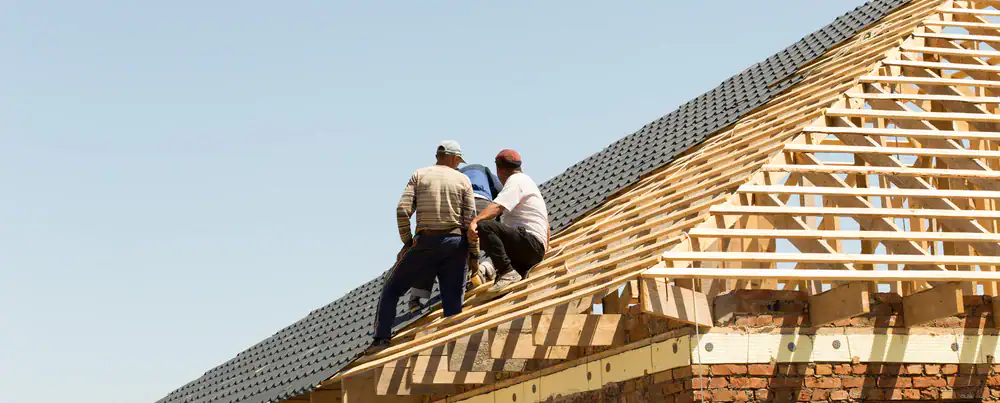
Most residential roof installations take two to four days depending on your home’s size, roof complexity, and weather. A straightforward ranch with easy access might be done in two days. A two-story colonial with multiple valleys, chimneys, and skylights takes longer.
We don’t rush. Roof installation requires dry conditions, and we won’t lay shingles in rain or when temperatures drop below manufacturer specifications. If weather delays us, we make sure your home is protected with tarps until conditions improve.
The timeline also depends on what we find when we remove old shingles. If your decking is rotted or your attic ventilation is inadequate, we fix it. That adds time but prevents callbacks and ensures your new roof actually lasts.
Architectural asphalt shingles rated for high winds are the most common choice in East Moriches because they balance cost, durability, and storm resistance. Look for shingles with a Class 4 impact rating and wind resistance up to 130 mph. Cheaper three-tab shingles don’t hold up to coastal weather.
Metal roofing is gaining popularity because it handles salt air better than asphalt and lasts 40-50 years versus 20-25 for shingles. It costs more upfront but requires less maintenance and performs well in hurricanes. Metal roofs also shed snow and ice better, which matters during nor’easters.
Slate and tile look great but add significant weight, requiring structural reinforcement on many homes. They’re expensive and overkill for most East Moriches properties. Whatever material you choose, proper installation matters more than the product itself. The best shingles installed poorly will fail faster than mid-grade shingles installed correctly.
Roof replacement typically runs $8,000 to $25,000 depending on size, pitch, material choice, and complexity. A 1,500 square foot ranch with architectural shingles might cost $10,000-$15,000. A larger two-story home with steep pitches and multiple penetrations can push $20,000-$25,000 or more.
Metal roofing costs roughly double what asphalt shingles cost, but lasts twice as long with less maintenance. If we find rotted decking, inadequate ventilation, or structural issues during tear-off, that adds to the cost. We give you a detailed estimate upfront and communicate immediately if we discover problems that weren’t visible during inspection.
Financing options exist if you need them. Some homeowners use 18-month interest-free payment plans to spread costs. If you’re filing an insurance claim for storm damage, we work directly with adjusters to document damage and ensure you’re not paying out of pocket for covered repairs.
If your roof is under 15 years old and damage is localized—a few missing shingles after a storm, flashing that needs resealing—repairs make sense. But if you’re dealing with widespread leaks, curling shingles, granule loss across large areas, or multiple layers of old roofing, replacement is the smarter move.
Patching an aging roof is like putting a bandaid on a broken bone. You’ll spend money on repairs every year, and you’re still left with a roof that’s failing. Insurance companies and home buyers see old roofs as liabilities. If you’re planning to sell within five years, a new roof recoups 60-70% of its cost in added home value.
We’ll tell you honestly whether repair or replacement makes sense. Sometimes a $1,500 repair buys you three more years. Sometimes it’s throwing money away when a full replacement is inevitable. We’re not pushing you toward the bigger job—we’re giving you the information to make the right call for your situation.
Yes. We document storm damage, provide detailed estimates to your insurance adjuster, and work through the claims process with you. Insurance companies sometimes lowball damage assessments or deny claims that should be covered. We’ve worked with enough adjusters to know what documentation they need and how to present damage in a way that gets claims approved.
We take photos of wind damage, hail impacts, and any interior water damage caused by roof failure. We itemize every component that needs replacement—shingles, underlayment, flashing, decking—so your claim covers the full scope of work. If the adjuster’s estimate doesn’t match reality, we advocate for you.
You’re not paying out of pocket for storm damage that’s covered under your policy. We coordinate timing so repairs happen quickly, preventing further damage while your claim processes. Some contractors disappear once insurance gets involved. We stay engaged from initial inspection through final payment because that’s how you avoid getting stuck with uncovered costs.
You get two warranties: a manufacturer’s warranty on materials (typically 25-50 years depending on shingle quality) and our workmanship warranty covering installation. Material warranties cover defects like premature granule loss or shingle deterioration. They don’t cover damage from storms, falling branches, or improper maintenance.
Our workmanship warranty covers installation errors—leaks from improper flashing, shingles that blow off due to inadequate fastening, ventilation issues we should have addressed. Most material failures are actually installation failures, which is why our workmanship warranty matters as much as the manufacturer’s coverage.
Read the fine print on any warranty. Some manufacturers void coverage if you don’t use their certified installers or if you skip recommended maintenance. We explain exactly what’s covered, what’s not, and what you need to do to keep warranties valid. Warranties are worthless if the contractor who installed your roof is out of business when you need them—we’ve been serving Suffolk County for over a decade and we’re not going anywhere.
Other Services we provide in East Moriches