
Hear From Our Clients
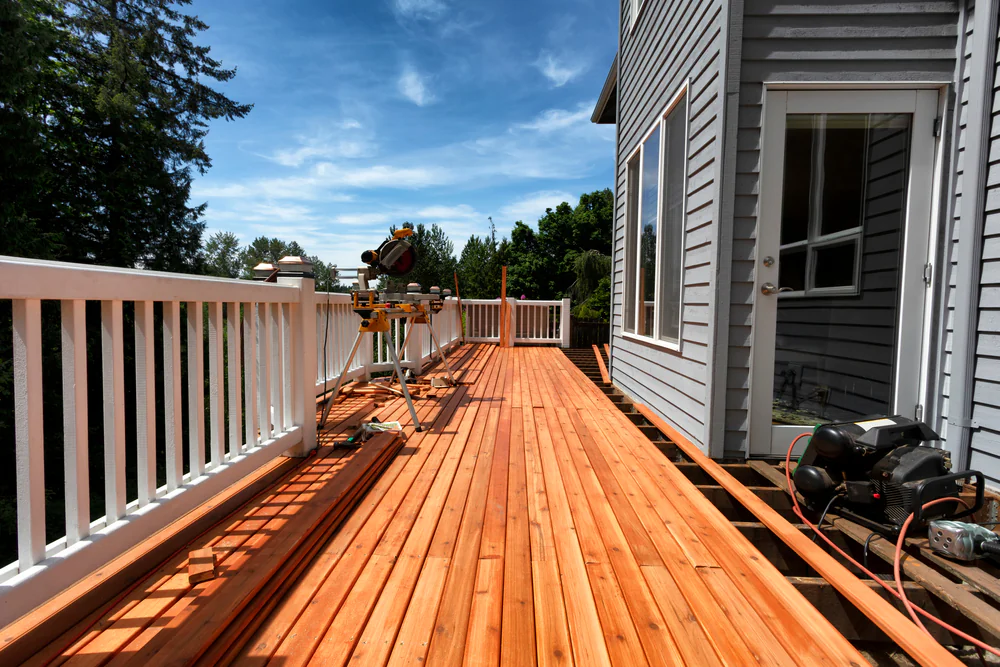
You walked outside this spring and saw it. Soft boards that feel spongy underfoot. Railings that wobble when you grab them. Fasteners that have rusted through. Maybe you’ve been avoiding using your deck because you’re not sure it’s safe anymore.
That ends when the structure is sound again. You get your outdoor space back without the constant worry about whether someone’s going to step through a rotted board or lean on a railing that gives way. Your deck becomes usable again for summer barbecues, morning coffee, or just letting the kids play outside.
The repair process addresses what’s actually broken. Rotted boards get replaced with pressure-treated lumber that handles moisture. Loose railings get reinforced with proper fasteners that won’t corrode in salt air. Structural supports that have weakened get rebuilt to code. You end up with a deck that’s safe, stable, and ready for normal use without the expense of tearing everything down and starting over.
Home Team Construction has spent over a decade repairing decks across Suffolk County. We’re licensed contractors who live and work in your community, so we understand exactly what Lake Grove weather does to outdoor structures.
Salt air from the coast corrodes hardware faster than you’d expect. Freeze-thaw cycles through winter split boards and loosen connections. Humidity causes swelling and rot in areas where water sits. We’ve seen it all, and we know how to fix it properly.
When you call us, you’re getting honest assessments from people who won’t oversell you. If your deck needs full replacement, we’ll tell you. If targeted repairs will solve the problem and give you another decade of use, we’ll tell you that too. Our reputation in Lake Grove depends on doing right by homeowners, not maximizing every invoice.
First, we inspect everything. Every board, every railing, every support post, every connection point. You get a clear assessment of what needs repair and what can stay. We’re looking for rot, structural weakness, code violations, and damage that will get worse if left alone.
Next, we explain what we found and why it matters. No technical jargon, no overselling. Just a straightforward breakdown of what’s wrong, what happens if you don’t fix it, and what the repair will cost. You’ll know exactly what you’re paying for before any work starts.
Then we remove damaged materials and replace them with weather-resistant options built for Suffolk County’s climate. Rotted boards get swapped for pressure-treated lumber. Corroded fasteners get replaced with stainless steel or coated hardware that won’t rust. Loose railings get properly secured. Structural supports that have weakened get reinforced or rebuilt.
Finally, we test everything for safety and stability. Your deck gets a final inspection to ensure it meets code requirements and can handle normal use. You get a deck that’s safe for your family and built to last through Long Island’s demanding weather patterns.
Ready to get started?
Deck repair in Lake Grove isn’t one-size-fits-all because damage varies based on your deck’s age, materials, and exposure to weather. What you get is a customized fix based on what’s actually wrong with your specific deck.
Board replacement addresses rotted or cracked decking. We match existing materials when possible or upgrade to composite options that last longer in coastal conditions. Railing repair includes tightening loose posts, replacing damaged balusters, and reinforcing connections that have weakened over time.
Structural work involves support posts, joists, and ledger boards. These are the bones of your deck, and when they fail, the whole structure becomes unsafe. We assess load-bearing capacity and rebuild anything that’s compromised. Hardware replacement means swapping corroded fasteners, joist hangers, and brackets with corrosion-resistant options that handle salt air.
Surface treatment and sealing protect your investment after repairs are complete. Lake Grove’s coastal humidity demands proper sealing to prevent moisture damage. We use products designed for Long Island’s climate, not generic big-box options that fail within a year.
The key is addressing problems early. Small repairs that cost a few hundred dollars now prevent major structural work that costs thousands later. Most Lake Grove homeowners who call us are dealing with damage that’s been developing for years, and catching it before it spreads saves money.

Most deck repairs in Lake Grove run between $1,000 and $1,100 based on 2025 averages across Suffolk County. That’s the typical range for addressing common issues like rotted boards, loose railings, and corroded fasteners on a standard residential deck.
Your actual cost depends on how extensive the damage is and what materials we’re working with. Replacing a few rotted boards and tightening railings might cost $500. Rebuilding structural supports, replacing large sections of decking, and addressing code violations can push costs toward $3,000 or more.
The most expensive mistake is paying for repairs that don’t address the root cause. If water drainage is the problem and you only replace rotted boards without fixing the drainage, you’ll be replacing those same boards again in a few years. Professional inspection identifies underlying issues so repairs actually solve problems instead of temporarily masking them.
Labor rates in Suffolk County reflect local market conditions and the expertise required. Professional deck contractors charge $50 to $100 per hour, with most repair projects taking anywhere from one day for simple fixes to three days for more extensive work. Weather can extend timelines during Long Island’s wet seasons, so plan accordingly.
Repair makes sense when damage is localized, the structure is fundamentally sound, and the cost is significantly less than replacement. If less than 25% of your deck needs work and the support structure is solid, targeted repairs will give you years of additional use.
Check your deck’s age and condition. Decks under 15 years old with isolated damage are usually good candidates for repair. Decks over 25 years old with widespread rot, structural issues, and outdated construction methods often need replacement. The middle ground requires professional assessment.
Look for specific warning signs that indicate repair is still viable. Soft spots in a few boards mean those boards need replacement, not the entire deck. Loose railings can be reinforced. Faded or weathered surfaces can be refinished. But if you’re seeing sagging sections, widespread rot, or posts that have separated from footings, replacement becomes the safer option.
The decision also depends on your plans for the property. If you’re selling within a few years, repairs that make the deck safe and presentable make financial sense. If you’re staying long-term and want to upgrade materials or expand the deck, replacement might be the better investment. We’ll walk you through both options with honest pricing so you can make an informed choice.
Rotted boards top the list. Long Island’s coastal humidity creates perfect conditions for wood rot, especially in areas where water pools or drainage is poor. You’ll notice soft spots, discoloration, or boards that feel spongy when you walk on them. If you can push a screwdriver into the wood easily, that’s rot.
Corroded fasteners fail constantly in Lake Grove because of salt air exposure. Nails and screws rust through, causing boards to loosen and railings to wobble. This is a safety issue that needs immediate attention. Stainless steel or coated fasteners solve this problem permanently.
Loose or wobbly railings develop as connections weaken over time. Freeze-thaw cycles through winter cause expansion and contraction that loosens bolts and separates joints. Railings need to support 200 pounds of force per building code, so anything that moves when you grab it is a liability.
Structural damage to support posts and joists happens when water reaches the framing. This is the most serious issue because it affects the entire deck’s stability. Posts that have rotted at ground level, joists that have sagged, or ledger boards that have separated from the house all require professional repair. These aren’t DIY fixes because structural work involves load calculations and code compliance.
Simple repairs like replacing a few boards or tightening railings take one day. You’ll have your deck back in service by evening. More involved work that includes structural repairs, extensive board replacement, or railing rebuilds typically takes two to three days.
Weather affects timelines significantly in Lake Grove. Spring and fall bring rain that can delay outdoor work. We can’t install certain materials in wet conditions, and some sealants require dry weather to cure properly. Summer offers the most predictable timelines, though heat can also affect material handling.
The scope of work determines scheduling. If we’re just addressing surface-level issues, we can often complete repairs in a single visit. If we discover additional damage during inspection, that extends the timeline. Structural work requires more time because we’re rebuilding load-bearing components that need to meet code requirements.
Permit requirements can add time depending on the extent of repairs. Minor fixes don’t require permits, but significant structural work might. We handle permit applications when needed, but approval timelines are outside our control. Most Lake Grove deck repairs don’t trigger permit requirements, but we’ll let you know upfront if yours does.
You can handle cosmetic fixes like cleaning, staining, or replacing individual boards if you have basic carpentry skills and the right tools. Those are straightforward projects that don’t involve structural safety issues. But anything involving railings, support structures, or extensive damage needs professional expertise.
Deck repair involves structural safety that affects liability and building codes. Improperly repaired railings can fail when someone leans on them. Incorrectly installed support posts can lead to deck collapse. These aren’t theoretical risks—they’re real dangers that result in injuries and lawsuits. Licensed contractors carry insurance and understand code requirements that protect you.
The cost difference between DIY and professional repair is smaller than most people think when you factor in tool rental, materials, and time. You’ll spend $200 to $400 on materials for a typical board replacement project, plus tool costs if you don’t own a circular saw, drill, and level. Professional installation adds labor but includes expertise, insurance, and warranty coverage.
Long-term results favor professional work. We know which materials work best in Lake Grove’s climate, how to install them correctly, and how to identify underlying problems that aren’t obvious to homeowners. DIY repairs often address symptoms without solving root causes, which means you’re back to square one within a few years. Professional repairs done right the first time last longer and cost less over time.
Pressure-treated lumber is the standard for deck repairs in Lake Grove because it resists rot and handles moisture better than untreated wood. You’re looking at 20 to 30 years of life when properly maintained. It’s cost-effective and readily available, which makes it the go-to choice for most repair projects.
Composite decking offers longer lifespan with less maintenance. These boards don’t rot, warp, or require regular staining. They cost more upfront—roughly double the price of pressure-treated lumber—but you save on maintenance over time. Composite works well for Lake Grove’s coastal climate because it’s not affected by salt air or humidity.
Cedar and redwood are naturally rot-resistant options that look better than pressure-treated lumber, but they require regular sealing to maintain that resistance. Without proper maintenance, they’ll deteriorate faster than treated lumber in Long Island’s humid climate. They’re good choices if you’re willing to commit to annual sealing.
The fasteners matter as much as the boards. Stainless steel screws and coated hardware resist corrosion from salt air. Standard galvanized fasteners will rust through within five to ten years in Lake Grove. We use corrosion-resistant hardware on every repair because fastener failure is one of the most common deck problems we see. Spending an extra $50 on proper fasteners prevents thousands in future repairs.
Other Services we provide in Lake Grove