Hear From Our Clients

You’ve already spent thousands on temporary fixes. The cracks keep coming back, water still finds its way in, and every storm has you wondering if this is the year something catastrophic happens.
A complete chimney replacement ends that cycle. You get a structure built specifically for what Port Jefferson Station weather throws at it—salt air, freeze-thaw cycles, coastal storms. The kind of installation that doesn’t need a repair crew every few years because it was done right the first time.
Your heating system vents properly. Your energy bills drop because warm air isn’t escaping through gaps. Most importantly, you stop worrying about carbon monoxide or fire hazards every time you use your fireplace.
We’ve served Suffolk County homeowners for over twenty years. We’re licensed, insured, and we live in the same communities we work in.
That means we understand exactly what Long Island’s coastal climate does to chimney systems. We’ve seen how salt air accelerates deterioration in older colonial homes. We know which mortar mixes hold up to temperature extremes and which flashing systems actually prevent water infiltration during nor’easters.
Every crew member is trained to our standards. No subcontractors. When we say we’re handling your chimney replacement from demolition to final inspection, that’s exactly what happens.
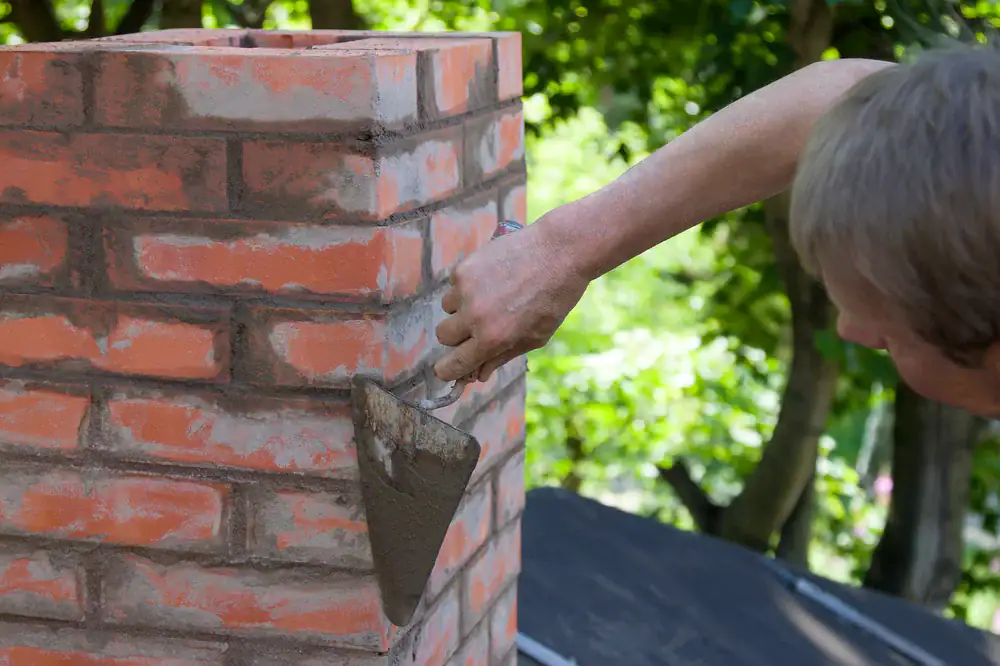
We start with a thorough inspection of your existing chimney and roof structure. You get a detailed assessment of what needs replacing—the stack, the liner, the flashing, the cap—and a transparent estimate before any work begins.
Once you approve, we handle all permits and coordinate with local building inspectors. Our crew carefully removes the damaged chimney, protecting your roof and home during demolition. Then we rebuild from the foundation up using materials specifically chosen for Long Island’s coastal conditions.
We install proper flashing systems that seal against heavy rains. We use mortar mixes that handle temperature swings. We fit chimney caps designed to prevent water infiltration while allowing proper ventilation. The entire process typically takes three to five days depending on the size and complexity of your chimney.
You get a final walkthrough showing you exactly what was done, and we don’t consider the job complete until the local inspector signs off. Your new chimney is code-compliant, weather-resistant, and built to last decades.

Ready to get started?
Your complete chimney replacement covers everything from demolition to final inspection. That includes chimney stack replacement when the masonry is beyond repair, chimney liner replacement to ensure safe venting of gases, and chimney flashing replacement with materials that actually seal against coastal storms.
We also handle chimney cap replacement with designs that prevent water and animal entry while maintaining proper airflow. If your chimney flue replacement is needed due to cracks or deterioration, we install new flue systems that meet current safety codes.
Port Jefferson Station homes face unique challenges. The humid summers and harsh winters here accelerate wear faster than inland areas. Salt air from the coast corrodes metal components and breaks down mortar joints. That’s why we don’t use generic materials or cookie-cutter approaches.
Every chimney rebuild we do accounts for local weather patterns. We choose flashing that withstands coastal wind-driven rain. We select mortar formulated for freeze-thaw resistance. We install caps with proper drainage to handle Long Island’s heavy precipitation. Your investment protects your home for the long term because it’s built for exactly where you live.

If you’re seeing severe cracks in the masonry, a leaning chimney structure, or constant water leaks despite previous repairs, you’re likely past the point where patches make financial sense. Think of it like a car with major engine problems—at some point, rebuilding costs less than endless repairs.
The clearest sign is when repairs fail within a year or two. That tells you the underlying structure is compromised. Water damage extending into your walls or attic means the problem goes deeper than surface cracks.
Safety issues force the decision immediately. If you’re detecting carbon monoxide, seeing smoke enter your home during fireplace use, or noticing large pieces of masonry falling, your chimney can no longer safely vent dangerous gases. That’s not something you patch—that’s a complete replacement for your family’s safety.
Complete chimney replacement in Port Jefferson Station typically ranges from $10,000 to $15,000 depending on the height, size, and complexity of your chimney. A straightforward single-story replacement costs less than a two-story chimney with multiple flues.
That price includes demolition of the existing structure, all materials, labor, permits, and final inspection. You’re getting the stack, liner, flashing, and cap—everything needed for a fully functional, code-compliant chimney system.
Compare that to spending $2,000-3,000 on repairs every few years while dealing with ongoing water damage, energy loss, and safety concerns. Most homeowners find that replacement pays for itself within five to seven years just in eliminated repair costs, not counting the improved energy efficiency and peace of mind.
Most chimney replacements take three to five days from start to finish. Day one involves careful demolition and protecting your roof. Days two through four cover rebuilding the stack, installing the liner and flashing, and completing the cap and crown.
Weather can extend the timeline since we need dry conditions for proper mortar curing. If we’re working on a particularly tall chimney or dealing with structural issues in the surrounding roof, that might add a day or two.
We schedule the work to minimize disruption to your daily routine. You can stay in your home throughout the process. We protect your landscaping and property, clean up thoroughly each day, and make sure you’re not left with an open hole in your roof overnight. The best time to plan your replacement is spring or summer—before heating season puts stress on a damaged chimney and turns a manageable project into a winter emergency.
Absolutely, because we build specifically for Port Jefferson Station’s climate challenges. Standard chimney construction doesn’t account for salt air corrosion, coastal wind-driven rain, or the temperature extremes Long Island experiences.
We use flashing systems designed to seal against nor’easters and heavy coastal storms. The mortar mixes we choose are formulated to resist freeze-thaw cycles that crack standard mortar within a few years. Chimney caps get selected for proper drainage while preventing the water infiltration that destroys chimneys from the inside out.
Your old chimney was probably built decades ago using materials and methods that worked fine initially but couldn’t stand up to years of coastal exposure. Modern materials and installation techniques give you a chimney that actually resists the specific weather patterns here. That’s why we can confidently say your new chimney will outlast the old one by decades—it’s engineered for exactly what it faces.
Yes, we handle all permits required for chimney replacement in Port Jefferson Station and coordinate directly with local building inspectors. You don’t need to visit town hall or figure out what paperwork is needed.
Our licensed contractors understand current building codes and what inspectors look for during final approval. We schedule the inspections, make sure everything meets code requirements, and don’t consider your project complete until you have signed-off approval.
This matters more than most homeowners realize. An unpermitted chimney replacement can create serious problems when you sell your home or file an insurance claim. Buyers’ inspectors flag unpermitted work, which either kills deals or forces you to tear out and redo the work properly. We make sure everything is documented, legal, and approved from day one.
We assess the full extent of damage during the initial inspection. Water leaking through a damaged chimney often affects more than just the immediate area—it can compromise roof decking, attic insulation, wall framing, and interior finishes.
If the damage is limited to the chimney structure itself, we handle that as part of the replacement. When water has affected surrounding areas, we let you know exactly what needs repair before we start the chimney work. Some homeowners choose to have us handle everything since we’re already there with the crew and equipment.
The important thing is stopping the source of the leak permanently. Repairing water-damaged drywall or insulation doesn’t help if your chimney keeps letting water in. That’s why we address the chimney replacement first—it prevents throwing money at interior repairs that will just get damaged again during the next storm.
Other Services we provide in Port Jefferson Station