Hear From Our Clients

You’ve probably noticed the cracks getting worse. Maybe water stains on your ceiling after the last storm. Or chunks of mortar crumbling onto your roof.
That’s not normal wear. That’s what happens when salt air from the Sound meets freeze-thaw cycles all winter long. The salt penetrates your brickwork, moisture gets trapped inside, and when it freezes, it expands by nine percent. Your chimney doesn’t stand a chance.
A proper chimney replacement stops all of that. You get a system built with marine-grade materials that can actually handle what North Bay Shore throws at it. No more worrying about carbon monoxide leaks. No more ceiling stains. No more wondering if this is the winter everything falls apart.
Your heating system vents safely. Your home stays dry. And you’re not dealing with emergency calls when the next coastal storm rolls through.
We’ve been handling chimney replacements across Suffolk County for over a decade. We’re not a franchise or a referral service. We’re the crew that shows up, does the work, and stands behind it.
Every chimney replacement we do in North Bay Shore uses the same approach: full tear-down to below the roofline, proper flashing integration, and materials designed for coastal exposure. We’re licensed and insured in Suffolk County, which means we know the building codes and we follow them.
You’ll get an upfront estimate before we start. No surprises, no change orders unless you ask for them. Our crews are trained masons and roofers who’ve rebuilt hundreds of chimneys along Long Island’s coast. We understand what salt air does to masonry, and we build accordingly.
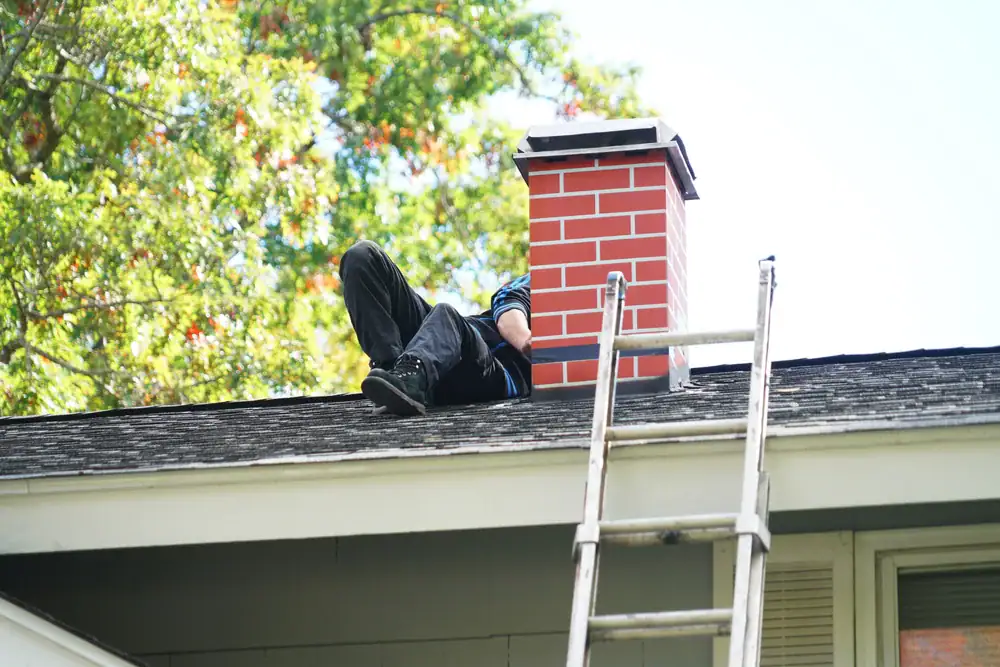
First, we inspect your existing chimney from the crown down to the foundation. We’re looking at the liner condition, the masonry integrity, the flashing, and how water’s been moving through the system. You’ll get a detailed breakdown of what needs replacing and why.
Once you approve the estimate, we schedule the tear-down. We remove the old chimney completely—stack, liner, crown, everything down to below your roofline. This isn’t a partial rebuild. You’re getting a fresh start with materials that can handle coastal weather.
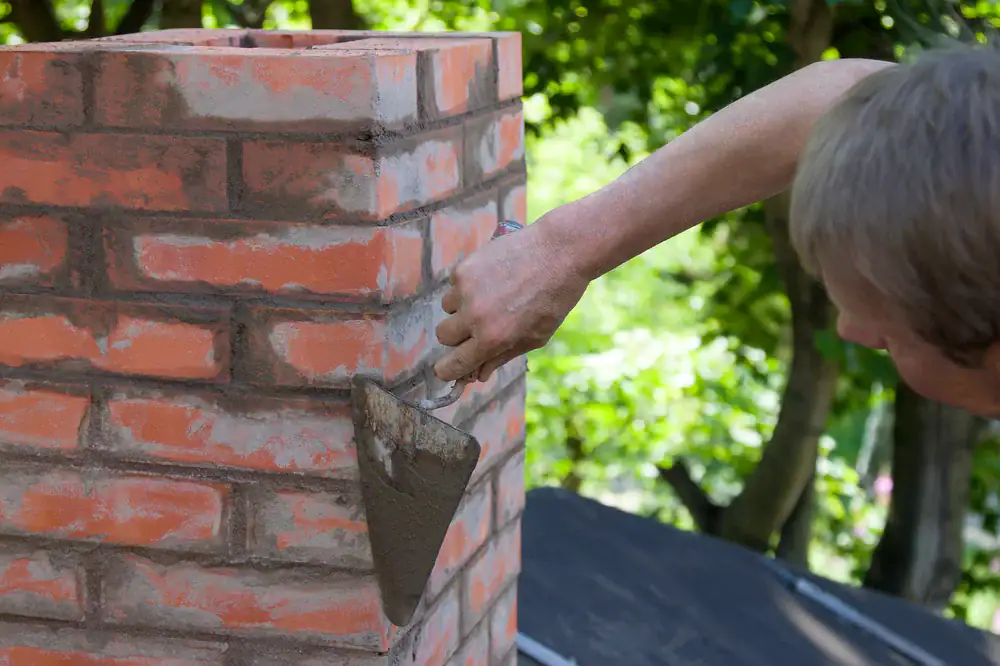
Then we rebuild from the bottom up. New chimney liner rated for your heating system. Proper flashing that integrates with your roofline. Marine-grade mortar that resists salt penetration. A crown designed to shed water, not trap it.
We finish with a stainless steel chimney cap that keeps rain, animals, and debris out while letting smoke vent properly. The whole process typically takes three to five days depending on chimney height and weather. You’ll have a system that’s built to last fifty years or more with basic maintenance.
Ready to get started?
Every chimney replacement includes complete tear-down and disposal of your old system. We’re not patching or rebuilding around damaged sections. You get a full replacement because that’s what actually solves the problem.
Your new chimney gets a stainless steel liner sized correctly for your heating system—whether that’s a furnace, boiler, or fireplace. The liner is what keeps combustion gases moving up and out safely. We don’t reuse old liners because they’ve been compromised by years of heat and moisture.
Chimney flashing replacement is part of every job. The flashing is what keeps water from getting between your chimney and roof. In North Bay Shore, where coastal storms drive rain sideways, proper flashing isn’t optional. We integrate it with your existing roofline so water sheds away from the chimney base.
You also get a new chimney crown and cap. The crown is the concrete top that seals everything. The cap is the metal cover that keeps rain and animals out. Both are designed specifically for Long Island’s weather—not generic parts that’ll fail in three years.

A full chimney replacement in North Bay Shore typically runs between $4,000 and $15,000 depending on chimney height, accessibility, and how much of the structure extends below your roofline. Most residential replacements fall in the $8,000 to $12,000 range.
That price includes complete tear-down, disposal, new liner installation, chimney stack rebuild with coastal-grade materials, flashing replacement, crown work, and cap installation. You’re not paying for patches or temporary fixes. You’re getting a system built to last fifty years minimum.
If someone quotes you $3,000 for a “full replacement,” they’re either not doing a full replacement or they’re cutting corners on materials. Chimney work in coastal areas costs more because the materials have to withstand salt air and freeze-thaw cycles. Cheaper materials fail faster here, which means you’ll be paying for another replacement sooner than you should.
Most chimney replacements take three to five days of actual work. That timeline assumes decent weather and no major surprises once we open up the structure.
Day one is usually tear-down and prep. We remove the old chimney, protect your roof, and set up for the rebuild. Days two through four are the rebuild—new liner, masonry work, flashing integration, and crown installation. Day five is finishing work, cleanup, and final inspection.
Weather delays are common in North Bay Shore, especially during fall and winter. We can’t pour crowns in freezing temperatures, and we won’t work on your roof during high winds or rain. If we have to pause for weather, we’ll tarp everything and secure the site. You won’t be left with an open hole in your roof.
If you’re seeing large vertical cracks in the masonry, chunks of brick falling off, or the chimney visibly leaning, you’re past the repair stage. Those are structural failures that don’t get fixed with repointing or sealant.
Water stains inside your home near the chimney are another major red flag. That means water’s getting past the flashing and crown, which usually indicates the whole system is compromised. You might also notice a musty smell or see efflorescence—that white, chalky residue on the bricks. That’s salt deposits from moisture moving through the masonry.
If your chimney liner is cracked or deteriorating, replacement is the only safe option. A damaged liner can’t properly vent combustion gases, which puts you at risk for carbon monoxide poisoning. Repairs might buy you a year or two, but you’ll end up replacing it anyway. Better to do it right once than pay for repairs that don’t solve the underlying problem.
Yes. Standard chimney materials deteriorate faster in North Bay Shore because of salt air exposure. You need marine-grade mortar that resists chloride penetration, and bricks rated for severe weathering.
The mortar is especially critical. Regular mortar absorbs salt and moisture, which leads to that crumbling, powdery deterioration you see on older chimneys. Marine-grade mortar costs more, but it’s formulated to resist salt crystallization—the process that causes most coastal chimney failures.
Your chimney cap should be stainless steel, not galvanized steel or aluminum. Galvanized caps rust out quickly in salt air. Aluminum caps corrode. Stainless steel holds up for decades without maintenance. The same goes for flashing—copper or stainless steel, not standard aluminum flashing that’ll corrode within five years.
Insurance typically won’t cover chimney replacement if the damage is from normal wear, lack of maintenance, or gradual deterioration. That’s considered a homeowner maintenance issue, not a covered peril.
However, if your chimney was damaged by a specific event—like a storm, lightning strike, or falling tree—you may have coverage. You’ll need documentation showing the damage happened suddenly, not over time. Even then, your policy might only cover the damaged portion, not a full replacement.
Some insurance companies require annual chimney inspections to maintain coverage validity. If you file a claim and can’t show you’ve been maintaining the chimney, they may deny it. Keep records of any inspections or maintenance work you’ve had done. And before you file a claim, get an estimate—sometimes the replacement cost is close to your deductible, and filing isn’t worth the premium increase.
The National Fire Protection Association recommends annual chimney inspections regardless of how new your system is. That might seem excessive for a brand new chimney, but annual inspections catch small problems before they become expensive ones.
In North Bay Shore, annual inspections are even more important because of coastal exposure. Salt air accelerates wear on every exterior surface of your home, including your chimney. An inspection checks for early signs of mortar deterioration, cap damage, or flashing issues that could let water in.
The inspection also includes checking your liner condition and looking for creosote buildup if you burn wood. Even gas systems need inspection—the liner can develop cracks from heat cycling, and animals love to nest in uncapped chimneys during spring and summer. A $300 annual inspection beats a $10,000 emergency replacement every time.
Other Services we provide in North Bay Shore