
Hear From Our Clients
Your chimney isn’t just a stack of bricks—it’s your home’s first line of defense against smoke, carbon monoxide, and Long Island’s harsh coastal weather. When it works properly, you get clean air, lower heating bills, and peace of mind knowing your family is safe.
But here’s what most homeowners don’t realize: chimney problems start small and get expensive fast. That crack in your crown? It’s letting water into places water shouldn’t go. Those loose bricks? They’re not just cosmetic—they’re warning signs of bigger structural issues brewing underneath.
The difference between a $300 repair today and a $4,000 rebuild next year often comes down to catching problems early. That’s exactly what our thorough inspections and targeted repairs are designed to do.
We’ve been serving Suffolk County homeowners for over 10 years, and we understand what Long Island’s coastal climate does to chimneys. We’ve seen every type of damage these weather patterns can cause—from crown deterioration to flashing failures to water infiltration that spreads into your roof and walls.
What sets us apart isn’t just our experience—it’s how we work. We’re a family-owned business that treats your property like our own. That means protecting your landscaping during repairs, cleaning up completely when we’re done, and explaining exactly what we found and why it matters.
Our customers call us back—not because something went wrong, but because they trust us with their next project. When you’ve built a reputation on referrals and repeat business in a community like Noyack, you learn to do things right the first time.
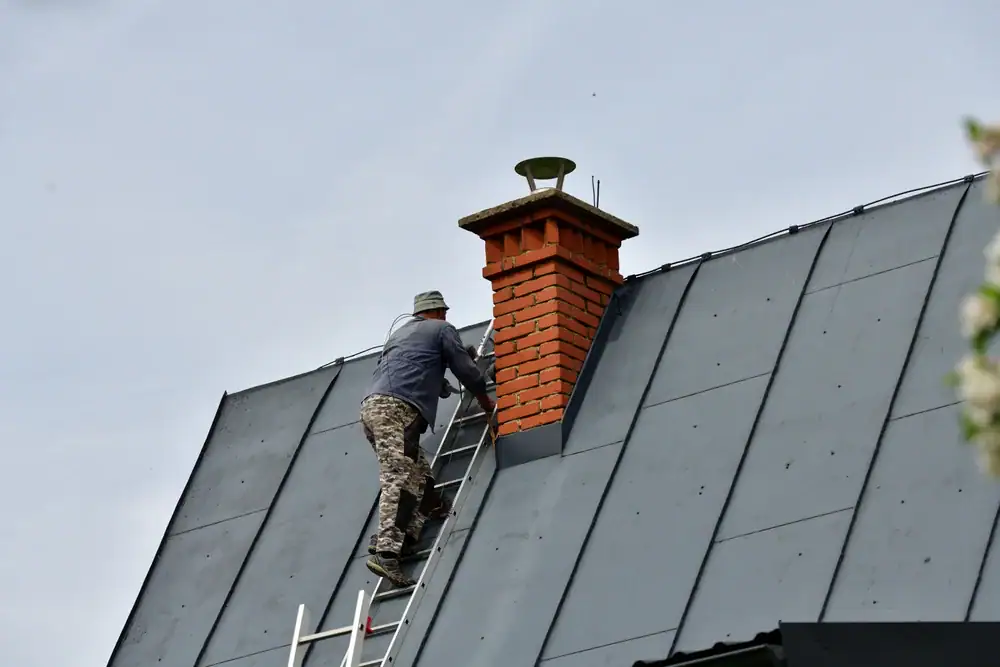
We start with a thorough inspection—not just a quick look, but a detailed assessment of your chimney’s condition from top to bottom. We check the crown, flashing, mortar joints, flue liner, and structural integrity. You’ll know exactly what we found and why each issue matters for your safety and your wallet.
Next comes the repair plan. We prioritize safety-critical issues first, then address problems that could become expensive if left alone. No unnecessary work, no surprise charges—just straightforward solutions that make sense for your situation and budget.
During repairs, we protect your property with tarps and barriers, work efficiently to minimize disruption, and clean up thoroughly when we’re finished. You’ll have a functioning, safe chimney system and a property that looks exactly as we found it—except for the repairs that will keep your family safe for years to come.

Ready to get started?
Living in Noyack means dealing with coastal weather that’s particularly hard on chimneys. Salt air, temperature swings, and moisture create the perfect storm for crown damage, mortar deterioration, and flashing failures. We handle all of these issues with solutions designed specifically for Long Island’s climate challenges.
Our chimney masonry tuckpointing addresses mortar joint problems before they compromise your chimney’s structural integrity. Crown repair and replacement use Portland-based concrete mixes that can withstand coastal weather patterns much better than standard mortar. Flashing leak repair involves high-quality materials like aluminum or copper that resist corrosion from salt air.
For Noyack homeowners, we also provide chimney waterproofing using breathable sealants that protect against moisture while allowing the masonry to breathe properly. This is especially important in our humid coastal climate where trapped moisture can cause serious damage. Cap replacement and flue repair round out our services, ensuring your entire chimney system works safely and efficiently.
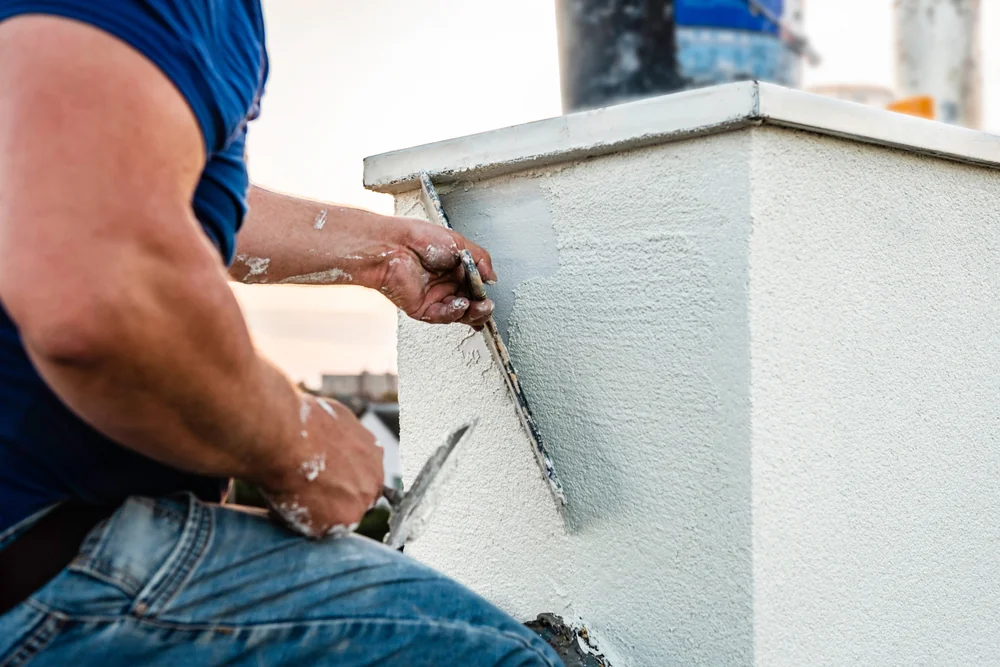
Chimney repair costs in Noyack and the broader Long Island area typically range from $250 for minor repairs to several thousand dollars for major structural work. Basic tuckpointing runs $350 to $1,200, while crown repairs can cost $500 to $1,500 depending on the extent of damage.
The key factor affecting cost is catching problems early. A small crack in your crown that costs $300 to seal today could lead to water damage requiring a $3,000+ rebuild if left untreated. Long Island’s coastal weather makes regular inspections especially important—salt air and temperature swings accelerate deterioration compared to inland areas.
We provide detailed estimates that break down exactly what needs to be done and why, so you can make informed decisions about timing and priorities for your repairs.
Coastal Long Island’s salt air and weather patterns create specific challenges for chimneys. Crown damage is extremely common—the concrete cap that protects your chimney’s top deteriorates quickly from freeze-thaw cycles and salt exposure. We see cracked, crumbling crowns on most chimneys over 10 years old.
Flashing failures are another major issue. The metal sealing between your chimney and roof corrodes faster in salt air, leading to leaks that can damage your roof structure and interior walls. Mortar joint deterioration happens faster here too—the pointing between bricks breaks down from constant moisture and temperature changes.
Water infiltration is the underlying cause of most expensive chimney problems. Once water gets inside your chimney system, it spreads to surrounding structures and can require roof repairs, interior restoration, and even mold remediation if not caught quickly.
In Noyack’s coastal environment, annual chimney inspections are essential—not optional. The combination of salt air, humidity, and temperature swings accelerates wear on all chimney components. Problems that might develop slowly in drier climates can appear quickly here.
We recommend inspections before each heating season, typically in late summer or early fall. This timing allows you to address any issues before you start using your fireplace regularly. If you use your fireplace frequently or have an older chimney, twice-yearly inspections provide even better protection.
Between professional inspections, watch for obvious warning signs like white staining on exterior bricks, rust on metal components, or water stains near your fireplace. These indicate problems that need immediate attention to prevent expensive damage.
Chimney repairs require specialized knowledge, tools, and safety equipment that most homeowners don’t have. Working on roofs and handling masonry repairs involves significant safety risks, and mistakes can create dangerous conditions like carbon monoxide leaks or fire hazards.
More importantly, DIY repairs often mask underlying problems without actually solving them. That sealant you apply to stop a leak might hide the fact that your flashing has failed or your crown needs rebuilding. When the real problem eventually surfaces, you’ll face much higher repair costs.
Professional chimney contractors understand building codes, safety standards, and proper repair techniques. We carry liability insurance, provide warranties on our work, and have the experience to diagnose problems correctly the first time. For anything beyond basic maintenance like cleaning debris from your cap, professional service is both safer and more cost-effective long-term.
A thorough chimney inspection examines every component of your system, starting with the exterior crown and cap, then checking flashing, mortar joints, brick condition, and structural integrity. We also inspect the flue liner, damper operation, and firebox condition from inside your home.
We look for specific issues common to Long Island’s coastal environment: crown deterioration from freeze-thaw cycles, flashing corrosion from salt air, and mortar joint breakdown from constant moisture exposure. Water damage assessment is crucial—we check for staining, efflorescence, and signs that moisture has penetrated your chimney system.
You’ll receive a detailed report explaining what we found, why each issue matters for safety and cost, and recommended priorities for addressing problems. We include photos of significant issues and explain whether repairs are urgent safety concerns or maintenance items that can be planned for future seasons.
Prevention starts with annual professional inspections to catch small problems before they become expensive ones. In Noyack’s coastal climate, this is especially important because salt air and moisture accelerate deterioration of all chimney components.
Installing a quality chimney cap protects against water infiltration and animal intrusion—two major causes of damage. Waterproofing with breathable sealants designed for coastal environments provides additional protection while allowing moisture to escape properly. Keeping gutters clean and ensuring proper drainage around your chimney foundation also prevent water problems.
Address minor issues promptly when they’re discovered. That small crack in your crown costs a few hundred dollars to seal today but could require a complete rebuild costing thousands if water gets inside your chimney system. Regular maintenance and timely repairs are always more cost-effective than emergency fixes after major damage occurs.
Other Services we provide in Noyack