Choosing between roof overlay and complete tear-off? Learn the real costs, hidden risks, and long-term benefits to protect your Suffolk County home investment.
Share:
Summary:
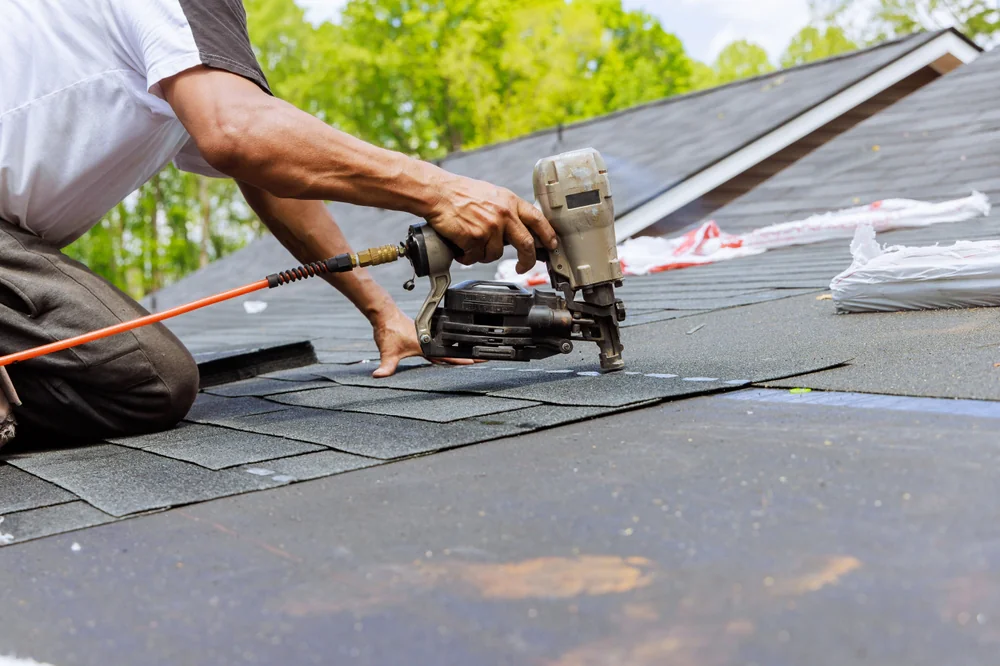
A roof overlay means installing new shingles directly over your existing roof. Think of it as putting a new layer of protection on top of what’s already there. It’s faster, creates less mess, and costs less upfront—which explains why some homeowners find it appealing.
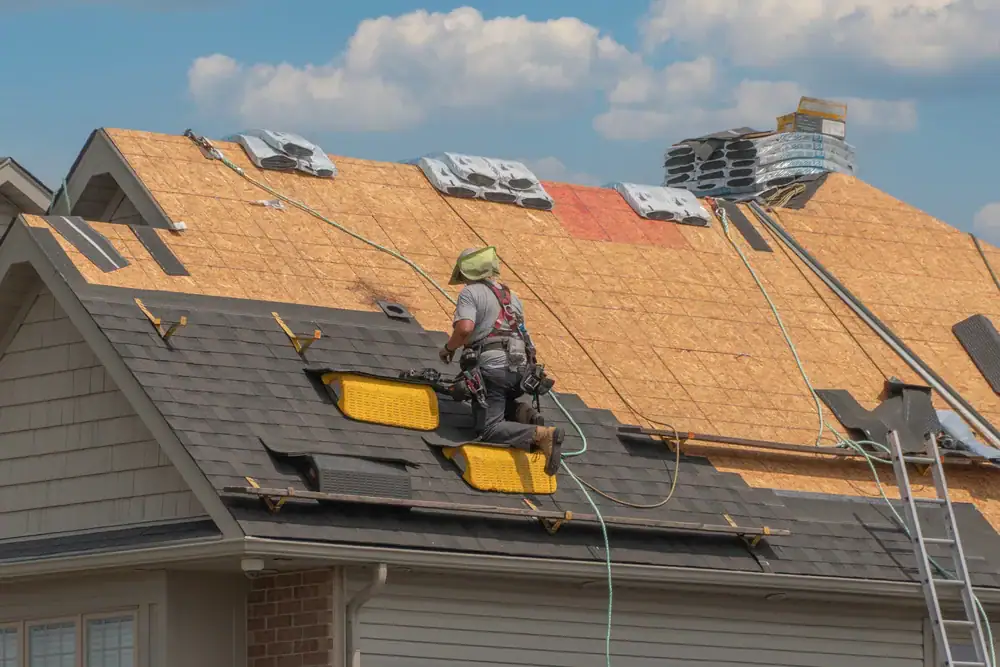
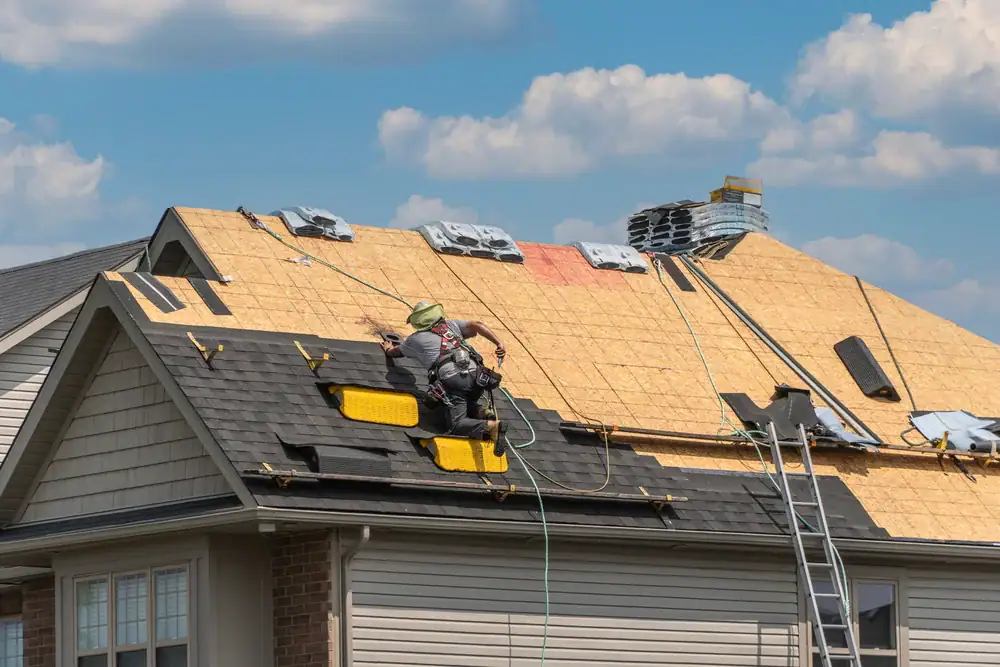
A complete tear-off involves removing every bit of your old roofing material down to the deck, then building your roof system from scratch. Yes, it’s more work and higher initial cost, but it gives you and your contractor a complete view of what’s really happening with your roof’s structure.
The choice between these approaches will affect your home for decades. Understanding the real differences helps you make a decision based on facts, not just the immediate price tag.
Here’s what most contractors won’t tell you about overlays: you’re essentially gambling with your home’s protection. When you install new shingles over old ones, you’re covering up problems rather than solving them. Any existing issues with your roof deck, flashing, or underlying structure remain hidden and continue to deteriorate.
The weight factor is real and concerning. You’re adding thousands of pounds of new roofing material on top of an already-stressed system. For older homes or those with structural concerns, this additional weight can compromise your roof’s integrity over time. During severe Long Island storms—the kind we see regularly—this extra stress becomes a serious risk factor.
Overlay installations also create ventilation problems. Your new shingles can’t breathe properly with old materials trapped underneath. This leads to heat buildup that literally “cooks” your new shingles from below, dramatically reducing their lifespan. Instead of getting 20-30 years from quality shingles, you might see significant deterioration in just 10-15 years.
Perhaps most importantly, many homeowners discover too late that roof overlays void manufacturer warranties. When problems arise—and they often do—you’re left without the protection you thought you had. Insurance companies and future home buyers also view overlays less favorably, which can affect your home’s value and insurability.
The short-term savings of an overlay often become long-term expenses when you’re forced to address the same problems again, plus any new issues that developed while hidden beneath the overlay.
A complete tear-off gives you something invaluable: the truth about your roof’s condition. When we remove all the old materials, we can inspect every inch of your roof deck, identify any structural issues, replace damaged wood, and ensure your flashing is properly sealed. This comprehensive approach means addressing problems now rather than discovering them later when they’ve caused extensive damage.
The lifespan difference is significant. A properly installed tear-off replacement typically lasts 20-30 years, compared to an overlay’s 12-16 year expectancy. When you factor in the longer lifespan, the cost per year of protection actually favors the tear-off approach. You’re not just buying a roof—you’re investing in decades of reliable protection.
Complete replacement also allows for system upgrades that improve your home’s performance. We can install better ventilation, upgrade your underlayment, improve insulation, and ensure your roof meets current building codes. These improvements enhance energy efficiency, reduce utility costs, and provide better protection against Long Island’s challenging weather conditions.
From a resale perspective, a complete roof replacement adds substantial value to your home. Real estate professionals consistently report that new roofs are among the most attractive features for potential buyers. Unlike overlays, which can raise questions about hidden problems, a complete replacement demonstrates that the home has been properly maintained and protected.
The peace of mind factor shouldn’t be underestimated. With a complete tear-off, you know exactly what you’re getting. There are no hidden surprises, no compromised warranties, and no concerns about structural integrity. You’re making a one-time investment in comprehensive protection.
Want live answers?
Connect with a Home Team Construction expert for fast, friendly support.
The decision between overlay and tear-off ultimately comes down to your priorities: short-term savings versus long-term value and protection. While overlay might save you money today, it often costs more over time when you factor in reduced lifespan, potential problems, and the eventual need for complete replacement anyway.
Consider your home’s age, your long-term plans, and the current condition of your roof. If you’re planning to sell within a few years, the calculation might be different than if you’re settling in for the long haul.
Most importantly, don’t make this decision based solely on price quotes. The cheapest option rarely provides the best value when you’re talking about protecting your family and your largest investment.

There are limited situations where a roof overlay could be appropriate, but they’re rare and require specific conditions. Your roof must have only one existing layer of shingles—building codes prohibit installing a third layer. The existing shingles need to be relatively flat and in decent condition, with no curling, significant granule loss, or structural issues.
The roof deck must be sound with no soft spots, water damage, or ventilation problems. Your home’s structure needs to handle the additional weight without concern. Even then, you’re accepting a shorter lifespan and potential warranty limitations.
If you’re planning to sell your home within the next few years and need a quick cosmetic improvement, an overlay might provide short-term benefits. However, informed buyers often negotiate lower prices when they discover overlay installations, knowing they’ll face a complete replacement sooner than with a new roof.
For investment properties where you’re focused on immediate cash flow rather than long-term value, overlay might fit your strategy. But for your family home—your primary residence and biggest investment—the risks usually outweigh the short-term savings.
The honest truth is that we recommend against overlays except in very specific circumstances. The potential problems and limitations make complete replacement the safer, more valuable choice for most homeowners.
Living in Suffolk County means your roof faces unique challenges that make the overlay versus tear-off decision even more critical. Our coastal location brings salt air that accelerates metal corrosion, while our weather extremes—from nor’easters to summer heat waves—constantly test your roofing system’s integrity.
Winter ice dams are a particular concern with overlay installations. Poor ventilation caused by trapped materials can create temperature variations that promote ice formation along your roof edges. These ice dams can force water under shingles and into your home, causing expensive damage that might have been prevented with proper tear-off installation and ventilation upgrades.
Summer heat is equally challenging. Long Island’s intense sun and high humidity can cause overlay installations to fail prematurely as trapped heat “cooks” the new shingles from underneath. The temperature differential between the new shingles and old materials creates expansion and contraction cycles that stress the entire system.
Coastal storms bring high winds and driving rain that test every aspect of your roof’s installation. Overlay installations, with their compromised ventilation and potential structural concerns, are more vulnerable to wind uplift and water infiltration during severe weather events.
A complete tear-off allows us to install proper underlayment, ensure adequate ventilation, and use fastening systems designed for Suffolk County’s wind loads. We can also inspect and upgrade flashing around chimneys, vents, and other penetrations—critical details that keep water out during our region’s frequent storms.
When you consider the weather challenges your roof will face over its lifetime, investing in complete replacement provides the robust protection your Suffolk County home needs.
Your roof replacement decision will impact your home’s protection, value, and your family’s comfort for decades. While overlay installations offer immediate cost savings, they rarely provide the long-term value and peace of mind that complete tear-off replacement delivers.
The evidence clearly favors complete replacement: longer lifespan, better protection, maintained warranties, improved home value, and the ability to address underlying issues before they become expensive problems. For Suffolk County homeowners dealing with our challenging weather conditions, these benefits become even more important.
When you’re ready to make this important investment in your home’s protection, Home team construction bring the expertise and commitment to quality that ensures your new roof will protect your family for decades to come.
Article details:
Share:
Continue learning: