Suffolk County's coastal climate creates unique roofing challenges that every homeowner should understand to protect their investment.
Share:

Summary:
Flashing problems cause more roof leaks on Long Island than any other single issue. These metal strips—usually copper, aluminum, or galvanized steel—direct water away from vulnerable areas where your roof meets chimneys, skylights, vents, and walls.
Suffolk County’s coastal climate is particularly hard on flashing. Salt air accelerates corrosion, while temperature swings cause the metal to expand and contract repeatedly. Over time, this creates cracks, loose connections, and gaps where water can penetrate.
The tricky part? Flashing leaks often show up far from the actual problem area, making them difficult for homeowners to diagnose on their own.
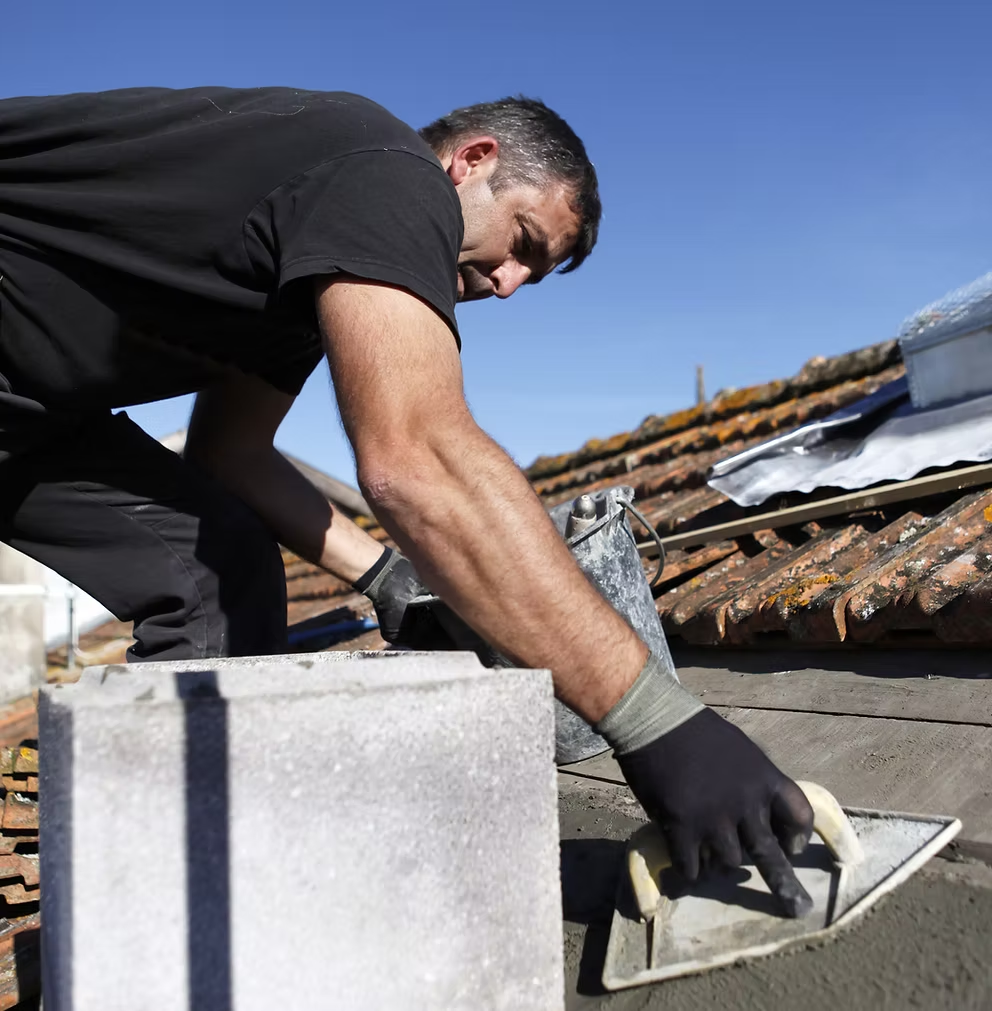
Smart Suffolk County homeowners check their flashing twice a year—once in spring and again in fall. Look for obvious signs like rust stains, separated joints, or missing pieces around chimneys and skylights. But the real warning signs often appear inside your home first.
Water stains on ceilings or walls near roof intersections are red flags. Don’t ignore dampness around windows, especially on upper floors. These seemingly minor issues can indicate flashing that’s already failing.
Professional roof inspections catch flashing problems that homeowners miss. A qualified roofer can spot hairline cracks, improper installations from previous repairs, and areas where sealant has dried out and lost effectiveness. In Suffolk County’s harsh climate, catching these issues early prevents the kind of water damage that turns a $500 flashing repair into a $5,000 structural nightmare.
Remember that flashing around chimneys takes the most abuse. The constant heating and cooling cycles, combined with exposure to Long Island’s weather extremes, make chimney flashing particularly vulnerable. If your home is more than 15 years old and you’ve never had the flashing inspected, you’re playing with fire—or in this case, water.
When you discover flashing damage during a storm or heavy rain, your first priority is minimizing water intrusion. Clear any debris from the area and, if it’s safe to do so, apply roofing cement as a temporary seal. But understand this is strictly a stopgap measure.
Professional flashing repair requires removing old materials, properly preparing the surface, and installing new flashing with the correct overlap and sealing techniques. This isn’t a DIY job for most homeowners, especially on steep roofs or around complex structures like chimneys.
Suffolk County’s building codes have specific requirements for flashing installation, and insurance companies often require professional installation for coverage. A licensed roofer understands these requirements and has the tools to complete repairs safely and correctly.
The best approach is preventive maintenance. Schedule annual inspections before problems develop, and address small issues immediately. In Suffolk County’s climate, waiting until next season often means dealing with water damage, mold growth, and much higher repair costs.
Want live answers?
Connect with a Home Team Construction expert for fast, friendly support.
Suffolk County has experienced 45 hurricanes since 1930, plus countless nor’easters, ice storms, and severe thunderstorms. Your roof is your home’s first line of defense against these weather events, but even well-maintained roofs can suffer damage from high winds, hail, and flying debris.
Storm damage often isn’t immediately obvious. Missing shingles are easy to spot, but subtle damage like loosened flashing, cracked sealant, or compressed insulation can cause problems months later. The key is knowing what to look for and acting quickly when storms hit.
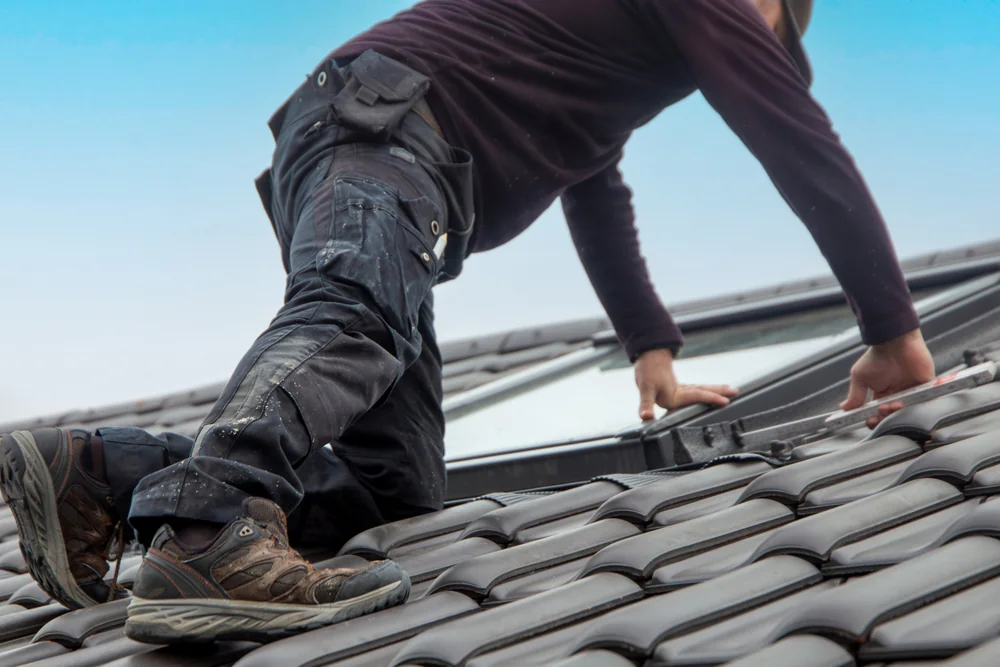
After any significant storm, do a careful visual inspection of your roof from the ground. Look for obvious damage like missing or displaced shingles, damaged gutters, or debris on the roof. Check your attic for new water stains, wet insulation, or daylight visible through the roof deck.
Don’t climb on your roof immediately after a storm. Wet surfaces are slippery, and damaged areas may not support your weight safely. Instead, use binoculars to inspect from ground level, and take photos of any damage you discover for insurance purposes.
Professional storm damage assessments are crucial because trained roofers can identify hidden damage that homeowners miss. We know how to check flashing integrity, test shingle adhesion, and evaluate structural components that may have been compromised. Many insurance companies require professional documentation for storm damage claims, so getting a qualified inspection protects both your roof and your wallet.
Suffolk County’s coastal location means storms can bring unique challenges like salt spray damage and sand abrasion. These issues may not be immediately apparent but can accelerate roof deterioration if not addressed promptly. We’re familiar with coastal conditions and can identify and treat these problems before they become major issues.
Insurance claims for storm damage require proper documentation and prompt action. Take photos of damage from multiple angles, and keep records of weather conditions from local news sources or weather services. Contact your insurance company within 24-48 hours of discovering damage.
Professional roofers experienced with insurance claims can be invaluable allies during this process. We understand what documentation insurance adjusters need and can provide detailed estimates that help ensure fair settlements. We work directly with your insurance company to streamline the claims process.
Beware of storm chasers—contractors who appear door-to-door immediately after storms promising quick repairs. These operators often provide substandard work and disappear when problems arise. Stick with established local contractors who have permanent addresses and solid reputations in the Suffolk County community.
The timing of repairs matters for insurance coverage. Most policies require that you take reasonable steps to prevent further damage, which means temporary repairs like tarping may be necessary while you arrange for professional restoration. Document these temporary measures and keep receipts—they’re often reimbursable under your policy.
Recognizing roof problems early saves money and prevents headaches, but knowing when to call for professional help is equally important. Some issues require immediate attention, while others can wait for scheduled maintenance. Understanding the difference protects your home and your budget.
Any active leak, visible structural damage, or safety hazard demands immediate professional attention. Don’t wait until business hours if you discover these problems—emergency roof repair services exist for good reason. The longer you wait, the more extensive and expensive the damage becomes.
For Suffolk County homeowners, partnering with us at Home Team Construction means working with professionals who understand your specific challenges and are invested in your community’s success.
Article details:
Share:
Continue learning: