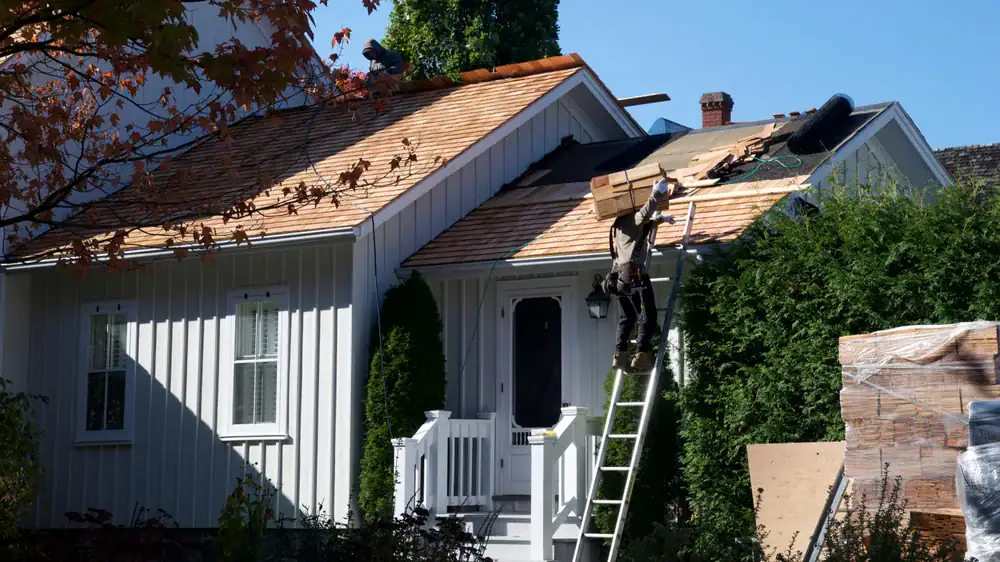
After a nor'easter or hurricane hits Suffolk County, patching your roof yourself seems smart. But most DIY storm damage roofing repairs fail within months, costing thousands more than calling a pro.
Share:
Summary:
Your roof just took a beating from another nor’easter. A few shingles are missing, maybe there’s a small leak, and you’re thinking about climbing up there with some tar and a hammer to save a few hundred bucks. Here’s what most Suffolk County homeowners don’t realize until it’s too late: DIY storm damage roofing repairs don’t just fail—they usually make the original problem worse, void your warranties, and end up costing thousands more than if you’d called a professional from the start. The coastal weather here isn’t forgiving, and your roof needs more than a quick patch job to survive the next storm. Let’s talk about why professional storm damage assessment matters and what actually happens when homeowners try to fix storm damage themselves.
Suffolk County’s location creates roofing challenges that most of the country never experiences. Salt air corrodes standard materials. Nor’easters bring sustained winds that test every fastener. Freeze-thaw cycles loosen shingles that seemed secure last week.
When you patch storm damage yourself, you’re treating symptoms instead of causes. You replace a cracked shingle without asking why it cracked in the first place. You seal a leak without checking if your ventilation is creating condensation. You nail down lifted shingles without realizing the whole section needs replacement because the adhesive has failed.
We know what to look for because we’ve seen these patterns hundreds of times. We check flashing, inspect underlayment, test the decking for soft spots, and examine your attic ventilation. We look at chimney flashing and roof penetrations where most leaks actually start. A proper inspection catches problems before they turn into emergencies, and that’s something you can’t replicate with a YouTube video and a weekend.
The vulnerabilities that cause the most expensive storm damage usually aren’t visible from the ground. They’re on the roof surface, around flashing, in areas you can’t see without getting up there safely with the right equipment and training.
Storm damage rarely stops at what you can see. Wind lifts shingles at the edges, and water finds its way underneath. What looks like a few missing shingles from your driveway might actually be widespread seal failure across an entire section. That small leak in your bedroom ceiling could be coming from damaged flashing fifteen feet away from where water’s dripping through.
We use systematic inspection methods to find all the damage, not just the obvious parts. We document everything with photos and measurements, which matters tremendously when you’re filing insurance claims. Missing even one area of damage means you’re paying out of pocket for repairs that should have been covered.
In Suffolk County’s coastal climate, standard asphalt shingles that might last 25-30 years inland often fail in 15-20 years. When storms accelerate that deterioration, you need someone who understands how coastal weather affects roofing materials differently. Salt air doesn’t just damage what you can see—it weakens adhesives, corrodes fasteners, and compromises waterproofing in ways that become obvious only after your DIY repair fails during the next storm.
The freeze-thaw cycles we experience make this worse. Moisture seeps into microscopic cracks in your shingles during rain or snow. When temperatures drop, that moisture freezes and expands, widening those fractures bit by bit. By the time you notice the damage from ground level, the problem has usually spread far beyond the visible area.
Professional storm damage assessment identifies these hidden vulnerabilities before they turn into emergency situations. Contractors trained in coastal roofing know exactly where to look for the subtle signs of damage that homeowners miss—broken seal strips, compromised underlayment, flashing gaps, and ventilation problems that will cause issues down the road even if they’re not leaking today.
Here’s the part that catches most homeowners by surprise: manufacturer warranties almost always require materials to be installed in a particular way by a licensed professional. If you choose to repair storm damage yourself, your warranty gets voided even if the materials aren’t faulty.
That means when your DIY repair fails six months later, you’re paying for everything—materials and labor—out of your own pocket. The manufacturer won’t cover it. Your homeowner’s insurance might not cover it either, because you modified the roof without professional documentation.
Insurance companies can deny claims if they determine that damage resulted from improper workmanship. If your DIY repair fails and causes water damage to your home’s interior, you’re not just paying for a new roof. You’re also covering drywall, insulation, mold remediation, and anything else that got damaged because your repair didn’t hold.
The documentation issue matters more than most people realize. When you file an insurance claim for storm damage, adjusters want to see professional assessments, detailed photos, and clear evidence that the damage came from a specific weather event rather than poor maintenance or failed DIY work. Without that documentation, your claim gets denied or severely reduced.
We know exactly what documentation adjusters need because we’re experienced with insurance claims. We provide thorough reports that support your claim and help ensure fair compensation for necessary repairs. We meet with adjusters on-site, explain the full scope of damage, and advocate for complete restoration rather than inadequate patchwork.
Storm chasers who appear door-to-door after major weather events often make this worse. They promise quick, cheap repairs, do substandard work, and disappear when problems arise. Homeowners end up with failed repairs, voided warranties, and insurance companies that won’t pay because the work wasn’t done by established, licensed contractors.
Working with local contractors who have permanent addresses and proven track records in Suffolk County protects you from these scenarios. We stand behind our work because our reputation depends on it. We’re still here when you need warranty service or have questions months after the repair. And we understand local building codes, which matters tremendously when insurance companies review your claim.
Want live answers?
Connect with a Home Team Construction expert for fast, friendly support.
Professional storm damage assessment starts with understanding what actually failed and why. We don’t just look at the obvious damage—we inspect your entire roof system to identify vulnerabilities that will cause problems during the next storm if left unaddressed.
Our inspection process includes checking shingles, flashing, underlayment, ventilation, chimney condition, and roof deck integrity. We explain what we find in plain language and give honest recommendations about whether you need repair or replacement. We’re licensed and insured, which protects you if something goes wrong. And we stand behind our work with warranties that actually mean something.
For Suffolk County homes, our repairs use coastal-appropriate materials and installation techniques. That means marine-grade fasteners that resist salt air corrosion. Enhanced nailing patterns that handle sustained winds. Wind-rated shingles designed for coastal exposure. Proper flashing and drainage systems that prevent the moisture problems common in humid coastal climates.
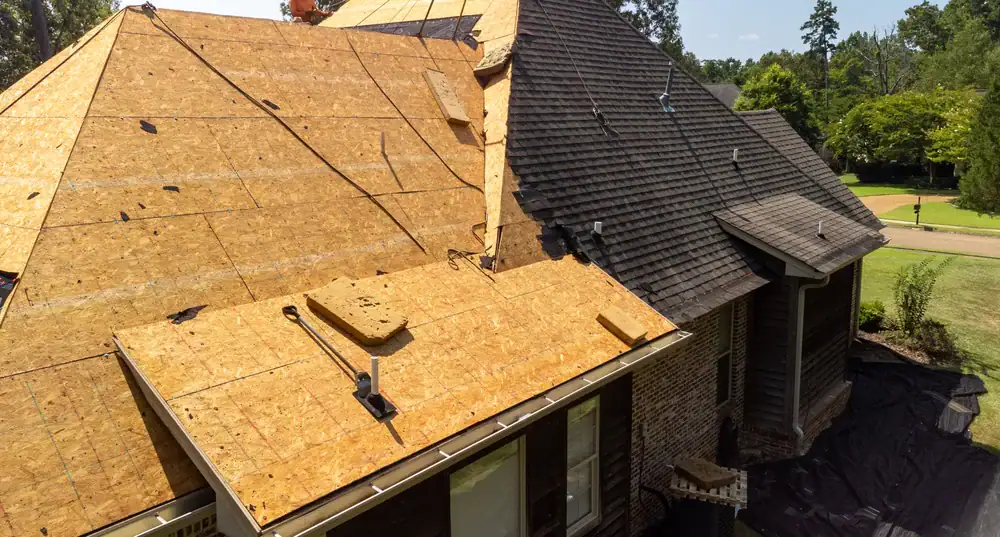
When storm damage happens, timing matters. Water doesn’t wait—it finds its way into your home through even small openings, causing damage that spreads fast. We offer 24/7 emergency storm response and can typically arrive the same day or within 24 hours for active leaks or storm damage.
Our first priority is stopping any active water intrusion to prevent further damage to your home. We carry emergency repair materials and tarps to secure your roof immediately, then schedule permanent repairs as soon as weather permits. During major storm events, we work extended hours to help as many homeowners as possible.
Beyond the immediate repairs, we assist with the entire insurance claim process. We provide complete documentation including photos, detailed damage assessments, and estimates that insurance adjusters understand and approve quickly. We identify all storm-related damage, not just obvious issues, because coastal storms often cause subtle problems like loosened flashing, compromised seals, or structural stress that creates bigger issues later if not addressed during initial repairs.
Working directly with insurance companies, we handle communication, meet with adjusters on-site, and manage all paperwork throughout the claim process. We know how insurance companies evaluate storm damage claims because we’ve worked with every major insurer serving Long Island. This experience helps ensure you get proper coverage for complete restoration rather than fighting with insurance companies or accepting inadequate repairs.
The documentation we provide makes a tremendous difference in claim outcomes. Detailed inspection reports with photos significantly support and strengthen insurance claims. Having us present during the adjuster’s inspection ensures no damage gets overlooked and someone advocates for proper compensation based on the full scope of work needed.
Insurance policies cover sudden and accidental damage caused by specific weather-related events, but they don’t cover damage from poor maintenance or DIY repairs gone wrong. Our professional documentation proves the damage came from a covered storm event, not neglect or improper workmanship, which protects your coverage and prevents claim denials.
After storm damage gets repaired, the next question becomes how to prevent the same problems during future storms. Suffolk County’s coastal location demands roofing materials and installation techniques that exceed basic building codes.
Storm-resistant roofing starts with impact-resistant materials rated for the conditions your roof actually faces. Class 4 impact resistance represents the highest rating available for roofing materials, with testing standards that drop a 2-inch steel ball from 20 feet onto shingles multiple times. Materials that withstand this impact without cracking earn Class 4 certification, which matters in Suffolk County because coastal storms generate wind-blown debris that standard shingles can’t handle without damage.
Impact resistance and wind resistance are separate ratings that both matter for storm protection. Class 4 shingles resist the debris impacts that flying branches and objects create during high winds. Wind ratings measure how well materials stay attached to the roof structure under sustained wind pressure and gusts. You need both high impact resistance and high wind ratings for complete coastal storm protection. Enhanced shingles can resist winds up to 110-130 mph when installed correctly with proper fastening density.
Professional installation makes the difference between materials that perform as rated and roofs that fail during the first major storm. Standard fastening methods don’t provide adequate wind resistance for coastal conditions. Basic installation uses the minimum fasteners required by general building codes, which assume average conditions rather than the sustained winds and gusts that Suffolk County experiences during coastal storms.
When wind speeds exceed what standard installations can handle, shingles lift, tear, or blow off entirely. The damage often spreads beyond what’s immediately visible from the ground. We use enhanced fastening patterns, marine-grade components, and proper ventilation systems that make roofs last in coastal environments.
Proper ventilation prevents ice dams and moisture buildup that cause premature failure even when storm damage isn’t the immediate issue. Sealing all penetrations and flashing points with marine-grade sealants ensures they won’t fail when coastal storms hit. Every detail matters when you’re building protection that needs to handle whatever Long Island weather throws at it.
The investment in storm-resistant materials and professional installation pays for itself by eliminating the constant repair cycles that cheaper installations require every few seasons. Your roof protects everything you own and everyone you care about. When something goes wrong, calling a professional from the start almost always costs less than attempting a DIY fix that fails.
Storm damage to your Suffolk County roof demands professional assessment and repair. The coastal weather here doesn’t forgive DIY mistakes, and the risks—voided warranties, insurance claim denials, spreading water damage—far outweigh any short-term savings from attempting repairs yourself.
We bring the expertise, materials, and documentation you need to protect your home and your insurance coverage. We identify hidden damage, use coastal-appropriate repair methods, and stand behind our work with real warranties. When the next nor’easter or hurricane hits, you’ll have confidence that your roof can handle it.
If storm damage has affected your home, we provide professional storm damage assessment and repair throughout Suffolk County. With 10+ years serving local homeowners exclusively, we understand the unique challenges coastal weather creates and use proven methods that actually last.
Article details:
Share:
Continue learning: