Not all roofing pros are created equal. Learn the deal-breaker questions that separate licensed professionals from unlicensed contractors who could cost you thousands in Suffolk County.
Share:
Summary:
You’re about to hand someone access to your roof, your home, and potentially tens of thousands of dollars. The roofing pros you hire will either protect your investment or create problems that follow you for years. The difference comes down to a handful of questions most homeowners never think to ask until it’s too late. If the contractor sitting across from you can’t answer these clearly and confidently, you’re not dealing with a professional. You’re dealing with someone who’s either cutting corners, hiding something, or doesn’t understand the legal requirements they’re supposed to follow. Here’s what separates legitimate roofing pros from contractors you should never let near your property.
Suffolk County requires Home Improvement Contractor licenses for anyone doing roofing work. That’s not a suggestion. It’s the law. But here’s what most homeowners don’t realize: a business license isn’t the same as a contractor license. A business license just means they’re registered for tax purposes. It doesn’t prove they passed any test, know building codes, or have the qualifications to touch your roof.
Ask for their Suffolk County Home Improvement Contractor license number. Then verify it yourself through the Suffolk County Department of Labor, Licensing & Consumer Affairs. If they hesitate, make excuses, or can’t produce it on the spot, you’re done. Walk away.
Licensed roofing pros understand that credentials aren’t optional. They keep their documentation current, carry it with them, and hand it over without being defensive. That’s baseline professionalism in this industry.
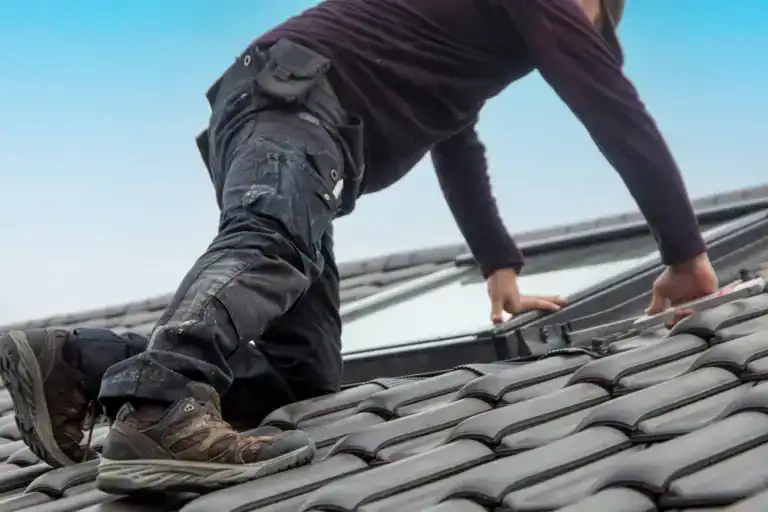
Here’s where it gets tricky. A contractor can show you a certificate of insurance and still leave you completely exposed. That certificate might only cover their office staff and salespeople. The actual crew on your roof? They could be uninsured subcontractors working as sole proprietors.
If one of those workers falls and gets injured, guess who’s legally responsible for their medical bills and lost wages. You are. The homeowner. Because in many states, if the roof contractor uses unlicensed or uninsured subcontractors, those workers are treated as your employees under the law. That’s not a scare tactic. That’s how liability works when contractors cut corners on insurance.
Reputable roofing companies provide two things upfront: general liability insurance and workers’ compensation coverage. Both should list the actual workers who’ll be on your property, not just the people answering phones at the office. Ask for the name of their insurance agent. Call and verify the policy is active, current, and covers the crew doing the installation.
If the contractor says “we’re insured” but won’t show you documentation, or if they get defensive when you ask about subcontractor coverage, that’s your signal. They’re either hiding something or don’t understand the risk they’re creating for you. Either way, you don’t want them on your roof.
Some contractors will even try to dodge workers’ comp requirements by claiming their crew members are independent contractors. That’s a red flag the size of Long Island. Workers’ comp isn’t optional when you’re running a roofing company with employees. If they’re trying to work around it, they’re either operating illegally or they’re about to make their liability problem your liability problem.
The bottom line: legitimate roofing pros carry proper insurance because they understand what’s at stake. They don’t make you chase down proof. They hand it over because protecting you protects them. If that’s not happening in your first conversation, find someone else.
Anyone can buy shingles and a nail gun. Not everyone knows how to install a roof that’ll survive a nor’easter or handle Long Island’s salt air without corroding in five years. That’s where manufacturer certifications come in. Companies like GAF, CertainTeed, and Owens Corning don’t hand out certifications to just anyone. Contractors have to complete training, pass exams, and prove they understand proper installation techniques.
Why does that matter to you? Because certified roofing contractors can offer enhanced warranties that regular contractors can’t. Those warranties cover both the materials and the installation work. If your roof fails because of improper installation, you’re protected. If the contractor who installed it wasn’t certified, that warranty might not exist at all.
Ask what certifications they hold. If they say “we install all the major brands,” that’s not an answer. Push for specifics. Are they a GAF Master Elite contractor? Do they have Owens Corning Platinum Preferred status? Can they show you the actual certification documents?
Here’s the other piece most homeowners miss: manufacturer certifications also mean the company has been vetted for financial stability, customer service, and insurance coverage. The manufacturers don’t want their products installed by fly-by-night operations or contractors who disappear after taking your deposit. So they screen for those things before granting certification.
Certifications also prove the contractor is staying current. Most programs require ongoing training and renewal every few years. That means they’re learning about new products, updated building codes, and better installation methods. A contractor who earned certification ten years ago and never renewed? That’s someone who stopped investing in their skills a decade ago.
You’re not just paying for labor when you hire roofing pros. You’re paying for expertise, training, and the backing of manufacturers who trust that contractor to represent their products correctly. If the person quoting your job can’t demonstrate that expertise through verifiable certifications, you’re taking a gamble on whether they actually know what they’re doing.
And one more thing: certified contractors usually have access to better materials, extended warranties, and manufacturer support if something goes wrong. Non-certified contractors? They’re on their own, which means you’re on your own if the roof fails.
Want live answers?
Connect with a Home Team Construction expert for fast, friendly support.
This is where a lot of homeowners get burned without realizing it until it’s too late. The roofing company you hire might not be the one actually doing the work. They might subcontract the installation to crews they don’t employ, don’t train, and sometimes don’t even properly vet.
Ask directly: Do you use subcontractors? If the answer is yes, follow up immediately with: Are those subcontractors licensed and insured in Suffolk County? Can you provide proof of their insurance before work begins?
If they dodge the question, change the subject, or say “don’t worry about it, we’re covered,” you’re talking to someone who’s either lying or doesn’t understand the legal exposure they’re creating. In roofing, subcontractor crews are more common than most people realize. And many of those subcontractors are sole proprietors who don’t carry workers’ compensation insurance because the premiums are expensive.
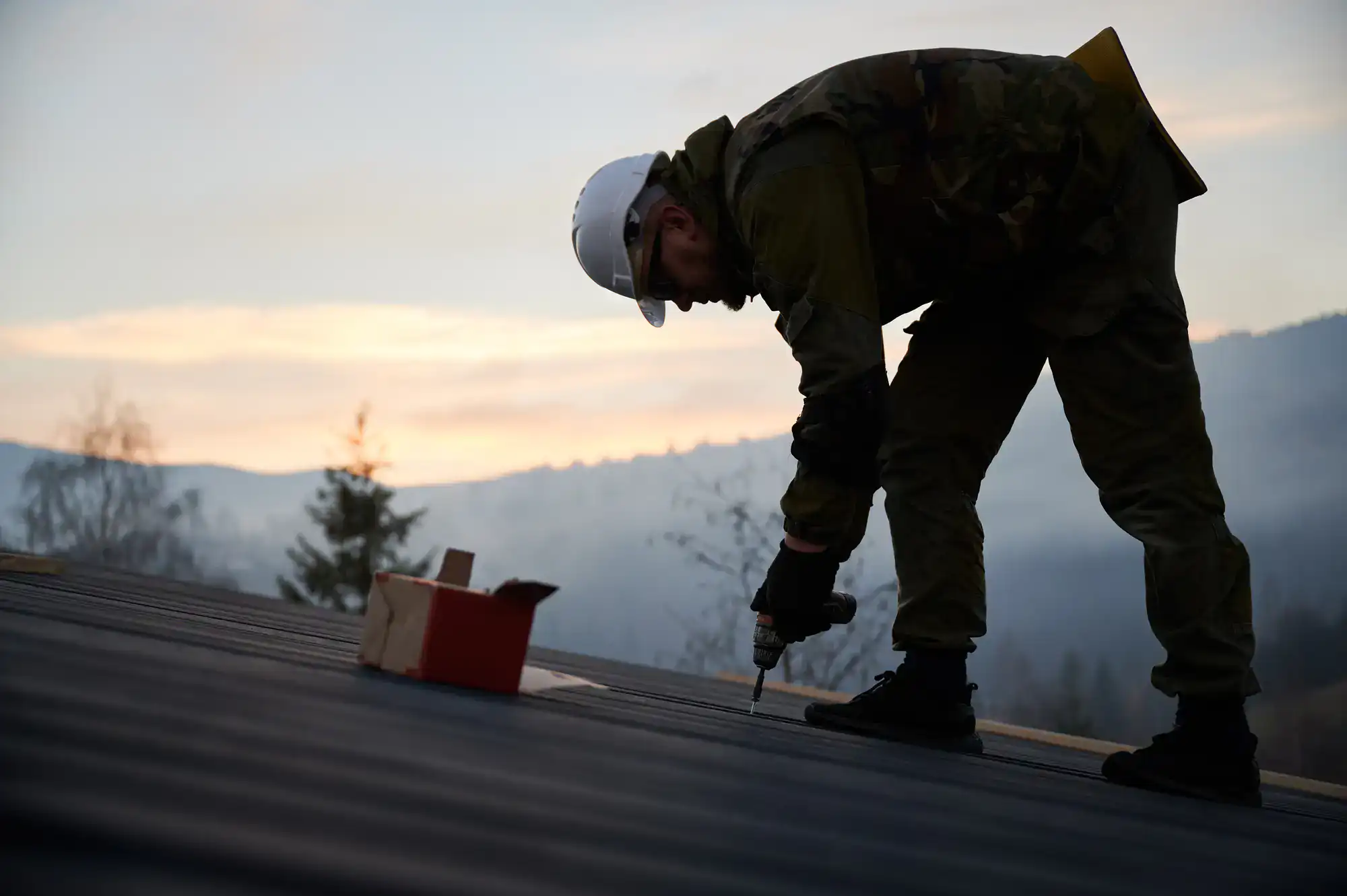
Here’s the scenario that plays out more often than anyone wants to admit. You hire a roofing company. They show you their license and insurance. Everything looks legitimate. They send a crew to your house. Someone falls off the roof and gets seriously injured. Then you find out the person who fell wasn’t actually an employee of the company you hired. They were a subcontractor. A sole proprietor. With no workers’ comp insurance.
That injured worker files a lawsuit against you, the homeowner, seeking payment for medical expenses and lost wages. And because the contractor you hired used an uninsured subcontractor, you’re now legally responsible. The contractor’s insurance doesn’t cover it because that worker wasn’t their employee. Your homeowner’s insurance might cover it, but your premiums are about to skyrocket, and you might lose your coverage entirely.
This isn’t a hypothetical. This happens. And it happens because homeowners assume that if the main contractor is insured, everyone working on the project is covered. That’s not how it works.
Roofing pros who don’t use subcontractors eliminate this risk entirely. Every person on your roof is a direct employee. Trained by the company. Insured through the company. Held to the company’s standards. If something goes wrong, there’s clear accountability and proper insurance coverage.
When you ask about subcontractors, you’re not being difficult. You’re protecting yourself from a scenario that could cost you tens of thousands of dollars or more. If the contractor gets defensive or dismissive when you bring this up, that tells you everything you need to know about how seriously they take your protection.
Companies that use only their own employees usually mention it as a selling point because they know it’s a differentiator. If you have to drag this information out of them, or if they’re vague about who’s actually doing the work, assume the worst and move on.
Suffolk County doesn’t mess around when it comes to unlicensed contractors. The fines start at $750 for a first offense and jump to $1,500 for repeat violations. But that’s just what the contractor faces. You, the homeowner, face different problems that can be far more expensive.
Work performed by unlicensed contractors can be stopped by the county and ordered to be redone. Your building permits can be denied or revoked. If you try to sell your home later and the buyer’s inspector finds unpermitted or improperly licensed work, you’re looking at either redoing the entire project or losing the sale.
Manufacturer warranties can be voided if they discover an unlicensed contractor did the installation. That 30-year shingle warranty you thought you had? Gone. Because the manufacturer’s warranty terms usually require installation by a licensed professional. If you can’t prove that, you’re stuck paying for repairs or replacement out of pocket.
Then there’s the liability issue we already covered. If an unlicensed contractor or their unlicensed workers get hurt on your property, you’re exposed to lawsuits that your insurance might not cover. Some insurance companies have even denied claims or refused to renew policies when they find out the homeowner hired unlicensed contractors.
In some areas, it’s actually illegal for homeowners to hire unlicensed contractors for certain types of work. Florida, for example, has laws that allow property owners to face legal penalties for hiring unlicensed roofing contractors. New York’s rules vary by jurisdiction, but Suffolk County is clear: Home Improvement Contractor licenses are required.
The contractor who offers you the lowest bid might be low for a reason. They’re not paying for licensing. They’re not carrying proper insurance. They’re not following the rules that legitimate contractors have to follow. And when something goes wrong, they disappear, leaving you holding the bill and dealing with the consequences.
Reputable roofing companies understand that licensing isn’t just a piece of paper. It’s proof they’ve met minimum standards, carry required insurance, and operate legally. If a contractor can’t or won’t prove they’re licensed in Suffolk County, you’re not saving money by hiring them. You’re gambling with your home, your finances, and your legal liability. That’s not a bet worth taking.
The questions in this guide aren’t about being difficult or paranoid. They’re about protecting yourself from contractors who cut corners, operate illegally, or don’t understand the risks they’re creating for you. Legitimate roofing pros welcome these questions because they know their licensing, insurance, and certifications set them apart from contractors you should avoid.
Before you sign anything or hand over a deposit, verify their Suffolk County Home Improvement Contractor license. Confirm they carry proper insurance that covers the actual workers on your roof, not just office staff. Ask about subcontractors and get proof that everyone on your property is licensed and insured. Check for manufacturer certifications that prove they’re trained to install products correctly.
If you’re looking for roofing pros who can answer every question on this list without hesitation, we’ve been serving Suffolk County homeowners for over 10 years with licensed professionals, no subcontractors, and upfront pricing. Every crew member is trained, insured, and held to the same standards because your protection matters as much as your roof.
Article details:
Share:
Continue learning: