Suffolk County's coastal storms, nor'easters, and salt air create unique roofing challenges. Learn how to prepare your roof before the next storm hits.
Share:
Summary:
Long Island isn’t dealing with occasional bad weather. You’re in a coastal zone where nor’easters, hurricanes, and winter storms hit with a specific kind of intensity that tests roofing systems in ways most other regions don’t experience.
The Atlantic salt air starts corroding your flashing and metal components the day they’re installed. Nor’easters bring sustained winds that can hit 60 mph or higher, combined with horizontal rain that gets driven under shingles most roofs would handle fine in calmer conditions. Then winter drops an average of 27 inches of snow, creating ice dam risks and weight loads your roof structure has to support.
Here’s what makes Suffolk County different: your roof isn’t just dealing with one type of weather stress. It’s handling all of them, in rotation, year after year. A roof that might last 30 years inland can fail in 15-20 years here without proper maintenance and storm preparation. That’s not a failure of materials—that’s the reality of coastal exposure.
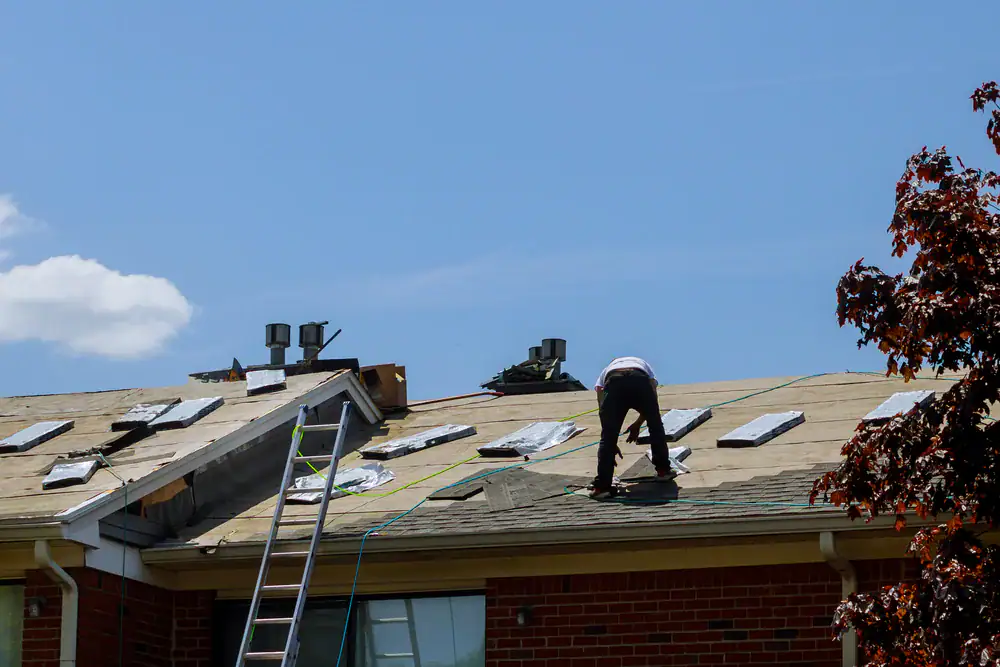
Nor’easters hit Long Island with a specific pattern of damage that homeowners from Brookhaven to the Hamptons need to understand. These aren’t quick summer thunderstorms. They’re sustained weather events that can pound your roof for hours or even days.
The wind comes first. When gusts hit 50-60 mph, they create uplift forces on your shingles—especially at the edges and seams where roofing is most vulnerable. Shingles that were perfectly secure last week can lift, crack, or tear completely off. The wind doesn’t just blow over your roof. It gets underneath it, testing every nail, every seal, every connection point.
Then comes the rain. But this isn’t normal rainfall. It’s wind-driven, horizontal rain that finds openings you didn’t know existed. Water gets forced under lifted shingles, around flashing, through any gap in your roof’s defenses. Your gutters overflow. Water backs up under the roof edge. Everything that’s supposed to drain away from your house is suddenly being pushed toward it instead.
The combination is what causes the real damage. A small vulnerability—a lifted shingle, a gap in flashing around your chimney—becomes a major leak when wind-driven rain hits it for six straight hours. By the time the storm passes, water has soaked into your roof deck, your insulation, potentially your walls and ceilings.
And here’s the part most homeowners don’t realize until it happens: the damage often isn’t visible from the ground. Your roof might look fine. But water is already inside, starting the process of rot, mold growth, and structural weakening that will cost far more to fix than the original vulnerability would have.
This is why storm preparation matters. You’re not trying to build a roof that’s completely storm-proof—that doesn’t exist. You’re identifying and fixing vulnerabilities before wind and rain turn them into expensive problems.
If you live anywhere near the coast in Suffolk County—and especially in Hampton Bays, East Hampton, Sag Harbor, or other waterfront communities—salt air is quietly destroying parts of your roof right now. It’s not dramatic. You won’t see it happening. But it’s one of the biggest factors in why coastal roofs fail faster than inland ones.
Salt accelerates corrosion on every metal component of your roofing system. Your flashing around chimneys, vents, and skylights. The metal drip edge. Your gutter system. Nail heads. All of it is constantly exposed to salt-laden moisture from the ocean, and all of it corrodes faster than the same materials would last just 20 miles inland.
When flashing corrodes, it stops doing its job. Flashing is supposed to create a waterproof barrier where your roof meets vertical surfaces—chimneys, walls, vent pipes. Once it fails, water has a direct path into your home. You might not notice the problem until you see water stains on your ceiling or smell that musty odor that means water has been getting in for a while.
The corrosion isn’t just on the surface, either. Salt air causes metal to deteriorate from the inside out. A piece of flashing might look okay from the ground but be so weakened that the next strong wind tears it loose. Your gutters might appear functional until you realize they’re pulling away from your roofline because the fasteners have corroded through.
Here’s what this means for storm preparation: standard roof maintenance schedules don’t account for coastal conditions. If you’re near the water, you need more frequent inspections of all metal components. You need to catch corrosion early, before a nor’easter or hurricane tests those weakened spots.
And when you do need repairs or roof replacement, the materials matter more. Not all flashing is created equal. Not all fasteners will hold up to salt air exposure. Working with contractors who understand coastal roofing isn’t just about experience—it’s about knowing which materials and installation methods actually last in this environment.
The homes that make it through storm season without damage aren’t lucky. They’re maintained by people who understand what salt air does to roofing systems and address it before it becomes a problem.
Want live answers?
Connect with a Home Team Construction expert for fast, friendly support.
You can’t fix what you don’t know is broken. That’s why roof maintenance before hurricane season matters more than any other single thing you can do to prepare your roof.
Most roof damage during storms happens at predictable locations. Around your chimney. Where your roof meets walls or other roof sections. At skylights and vent pipes. Along the edges and in the valleys. These are the high-stress areas where flashing, sealant, and shingle integrity matter most.
Start by looking at your roof from the ground. You’re checking for obvious issues—missing shingles, lifted edges, anything that looks out of place. Then check your gutters for shingle granules, which means your shingles are breaking down. Look at your soffits and fascia for water stains or rot.
But here’s the reality: the vulnerabilities that cause the most expensive storm damage usually aren’t visible from the ground. They’re on the roof surface, around flashing, in areas you can’t see without getting up there. That’s where professional inspections become worth the investment—especially before storm season, when catching a problem early can save you thousands in emergency repairs later.
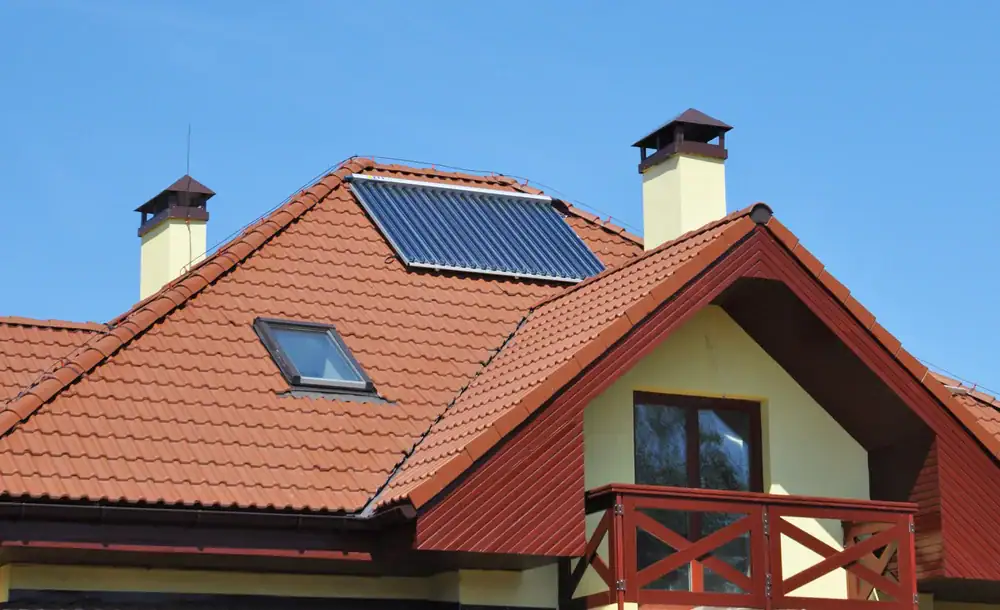
Let’s get specific about what needs checking before storms arrive. These are the components that fail most often during nor’easters and hurricanes in Suffolk County, from Brookhaven to Bridgehampton.
Your shingles are the first line of defense. Look for any that are curling, cracking, or missing. Check if they lie flat or if wind has already started lifting edges. In coastal areas, check for salt damage—shingles that look worn or degraded beyond their age. Any shingle that’s compromised is a potential entry point for wind-driven rain.
Flashing is where most leaks start. This is the metal that seals the gaps around your chimney, vent pipes, skylights, and where your roof meets walls. Check for rust, especially in coastal areas where salt air accelerates corrosion. Look for gaps, lifted edges, or places where caulking has dried out and cracked. If your flashing is more than 15 years old and you’re near the coast, it’s probably due for replacement even if it looks okay.
Your gutters do more than drain water—they protect your roof edge and prevent water from backing up under your shingles. Clean them completely before storm season. Check that they’re securely fastened to your roofline. Make sure downspouts direct water away from your foundation. Clogged or damaged gutters during a nor’easter can cause water to pool on your roof and find ways inside.
Roof valleys—where two roof planes meet—channel massive amounts of water. They need to be completely clear of debris. The shingles or metal in valleys take more water stress than anywhere else on your roof. Any compromise here becomes a major leak during heavy rain.
Your attic tells you things your roof surface won’t. Go up there with a flashlight. Look for any signs of daylight coming through. Check for water stains on the underside of your roof deck. Feel your insulation—if it’s damp, water is getting in somewhere. Look for any dark spots or discoloration on the wood. These are signs of problems that need fixing before the next storm tests them further.
Trees near your house are storm projectiles waiting to happen. Walk your property and identify any branches hanging over your roof. Dead branches. Limbs that look weak or diseased. During high winds, these become battering rams that can punch through your roof. Get them trimmed before storm season—it’s cheaper than roof repairs and a lot less stressful than watching branches crash onto your house during a nor’easter.
The edges of your roof—the drip edge, the starter course of shingles—are where wind gets its grip. Make sure everything is sealed and secure. Loose edges give wind a place to start peeling your roof apart.
If you’re not comfortable doing this inspection yourself, that’s fine. What matters is that it gets done. A professional inspection before storm season typically costs a few hundred dollars. Emergency repairs after storm damage can run into thousands. The math is pretty straightforward.
Timing matters when you’re preparing for storm season. Wait too long, and roofing contractors are booked solid. Schedule too early, and new problems can develop before storms actually hit.
For Suffolk County homeowners, late spring is the ideal time for your pre-storm roof inspection. You’re past the winter damage from ice and snow, but you’re ahead of hurricane season (June through November) and the nor’easters that can start hitting as early as September.
Here’s why this timing works: if your inspection finds problems, you have time to get them fixed before storms arrive. Contractors aren’t slammed yet. Materials are available. You’re not competing with dozens of other homeowners who are all trying to get emergency repairs done at the same time.
The inspection should happen at least twice a year if you’re serious about maintaining your roof—once in spring before storm season, and once in fall after hurricane season ends but before winter. That schedule catches damage from both summer storms and winter weather before it becomes a bigger problem.
But there’s another inspection that matters just as much: after any major storm. Even if you don’t see obvious damage, get your roof checked after a nor’easter or hurricane passes through. Wind and rain cause damage that isn’t always immediately visible. Small problems found quickly are cheap to fix. Small problems that go unnoticed for months become expensive disasters.
If you haven’t had your roof inspected in over a year, don’t wait for the perfect time. Schedule it now. The best time to fix roof problems is before they cause leaks. The second-best time is right now, before the next storm tests whatever vulnerabilities are already up there.
And if your roof is more than 15 years old, or if you’re in a coastal area like East Hampton or Hampton Bays where salt air accelerates aging, you need inspections more frequently—at least twice a year, possibly more depending on what inspectors find. Older roofs and coastal exposure mean more vulnerability, which means more attention needed to catch problems early.
The homeowners who sail through storm season without damage aren’t the ones with the newest roofs. They’re the ones who know what’s happening on their roof and fix problems before weather turns them into emergencies.
Storm season in Suffolk County isn’t something you can avoid. Nor’easters, hurricanes, coastal weather—it’s all part of living here. But you get to choose whether your roof is ready for it.
The homes that make it through storms without damage aren’t lucky. They’re maintained. The vulnerabilities are identified and fixed before wind and rain test them. The flashing is solid. The shingles are secure. The gutters are clear. Someone took the time to prepare, and it made all the difference when the storm hit.
You know your roof better than anyone. You know if it’s been a while since anyone looked at it. You know if there are spots that concern you. You know if you’re overdue for maintenance. Trust that instinct. The cost of an inspection and preventive roof repairs is nothing compared to emergency work after storm damage.
If you’re in Suffolk County and want your roof checked before the next storm season, we’ve been helping local homeowners prepare for over 20 years. We know what Long Island weather does to roofs, and we know how to fix it before it becomes a problem.
Article details:
Share:
Continue learning: