Northport homeowners trust our licensed siding contractors for reliable repairs, storm damage fixes, and weatherproofing solutions.
Share:

Summary:
Living near the harbor means your home battles salt air, coastal storms, and temperature swings that most inland properties never face. These conditions create specific siding challenges that require local expertise to address properly.
Storm damage from nor’easters ranks as the most frequent issue we see. High winds tear panels loose, while driving rain finds every weak spot in your siding system. What starts as a small problem quickly escalates when moisture gets behind your siding.
Fading and weathering happen faster here than in protected areas. The combination of salt air and intense summer sun breaks down siding materials, leaving your home looking tired and reducing its protective capabilities.
Salt air doesn’t just affect boats and cars—it’s constantly working against your home’s exterior. The microscopic salt particles in our coastal air act like sandpaper, gradually wearing down siding surfaces and accelerating deterioration.
Vinyl siding, while generally durable, becomes brittle over time when exposed to salt air and UV rays. You’ll notice this first around the edges where panels meet, or in areas that get the most direct sunlight. The material loses flexibility, making it prone to cracking during temperature changes.
Fiber cement siding handles salt air better than most materials, but even it needs proper maintenance. Without regular cleaning and inspection, salt buildup can cause surface degradation and affect the protective coatings that keep moisture out.
Wood siding faces the biggest challenge in our coastal environment. Salt air accelerates rot and decay, especially in areas where moisture can collect. Harbor-facing homes often see damage on their waterside walls first, where salt exposure is most intense.
The key to preventing extensive damage is catching problems early. Regular inspections help identify areas where salt has compromised your siding before water infiltration causes structural issues. Most homeowners don’t realize that what looks like minor discoloration could signal serious underlying problems.
After major storms like the historic August 2024 event that brought record rainfall to Long Island, knowing what to look for can save you thousands in repair costs. Storm damage isn’t always obvious, and what seems minor often indicates more serious problems.
Loose or missing panels are the most visible signs, but check for subtle indicators too. Look for panels that seem to bow outward, gaps between siding and trim, or areas where the siding appears to have shifted. These signs often mean the fastening system has been compromised.
Water stains on interior walls signal that your siding’s protective barrier has been breached. Even small stains indicate moisture is getting through, and the problem will only worsen with time. Don’t wait for the next storm to address these issues.
Wind damage can be deceptive. Panels might look fine from ground level but have lifted edges or loosened fasteners that create entry points for water. Professional inspection using proper equipment reveals damage that’s not visible during a casual walk-around.
Immediate response matters because temporary fixes often become permanent problems. Covering damaged areas with tarps or attempting DIY repairs might seem cost-effective, but improper temporary solutions can cause additional damage and complicate professional repairs later.
Documentation is crucial for insurance claims. Take photos of all damage before making any temporary repairs, and keep records of when the damage occurred. Many homeowners insurance policies cover storm damage, but you need proper documentation to support your claim.
Want live answers?
Connect with a Home Team Construction expert for fast, friendly support.
Professional siding repair goes beyond simply replacing damaged panels. It requires understanding how different materials behave in Northport’s coastal environment and addressing underlying issues that caused the damage.
Our repair process starts with comprehensive assessment. We examine not just the visible damage but the entire siding system, including underlying sheathing, moisture barriers, and ventilation. This thorough approach prevents recurring problems and ensures lasting repairs.
Material selection matters significantly in our coastal location. We recommend siding materials specifically engineered to handle salt air, high humidity, and temperature fluctuations that characterize Long Island’s climate.

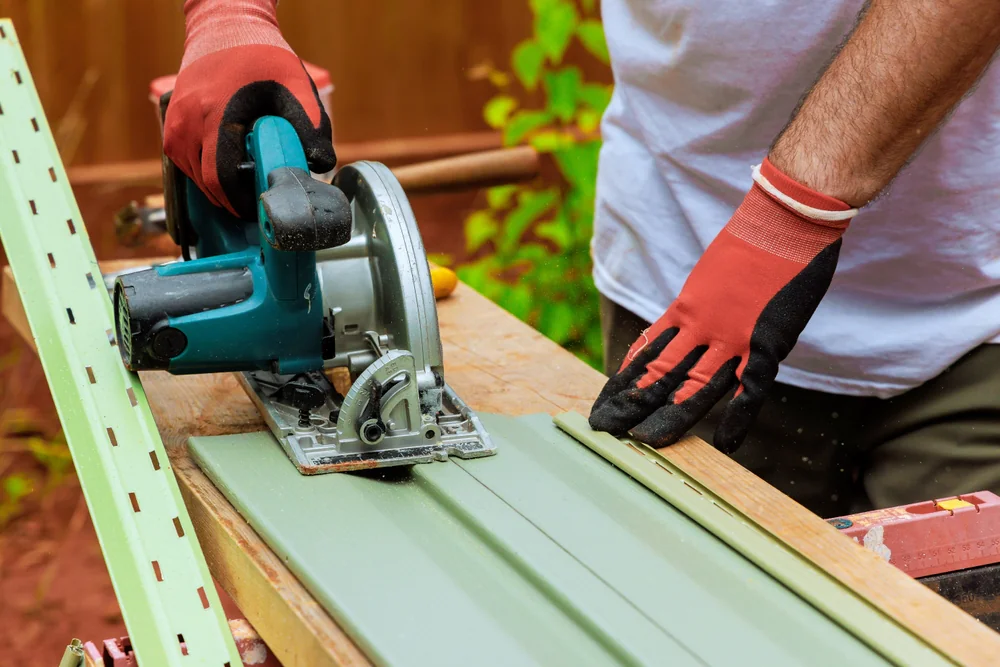
Vinyl siding repair in Northport requires specialized techniques that account for our coastal environment’s unique challenges. Standard repair methods used inland often fail here because they don’t address salt air exposure and thermal expansion issues.
Color matching presents the biggest challenge with vinyl siding repairs. Years of salt air and UV exposure fade original siding in ways that make exact matches nearly impossible. We often source replacement panels from less visible areas of your home, using those sections for the prominent repair areas and installing new material in the hidden locations.
Proper fastening techniques are critical for coastal installations. Standard fastening methods don’t account for the increased wind loads and thermal movement that coastal homes experience. We use specialized fasteners and installation techniques that allow for expansion and contraction while maintaining secure attachment.
Thermal expansion becomes a significant factor in our climate. The temperature differential between summer heat and winter cold causes vinyl siding to expand and contract more than in moderate climates. Repairs must account for this movement to prevent future cracking or buckling.
Ventilation behind vinyl siding is often overlooked but crucial for preventing moisture problems. Salt air carries more moisture than inland air, and without proper ventilation, this moisture can accumulate behind siding panels. We ensure adequate ventilation during repairs to prevent future moisture-related issues.
Quality vinyl siding designed for coastal applications includes enhanced UV stabilizers and impact resistance. When making repairs, we recommend upgrading to these higher-grade materials, even if your original siding was standard grade. The additional cost is minimal compared to the extended lifespan and reduced maintenance requirements.
Fiber cement siding offers superior durability in coastal environments, but proper repair techniques are essential for maintaining its protective qualities. Unlike vinyl, fiber cement can be patched and refinished, making it more versatile for repair situations.
Surface preparation is critical for fiber cement repairs. Salt buildup and weathering create surface conditions that prevent proper adhesion of repair materials. We use specialized cleaning and preparation techniques that remove salt deposits and create optimal bonding surfaces for patches and coatings.
Wood siding restoration in coastal areas requires aggressive treatment of salt damage and moisture infiltration. Traditional wood repair methods often fail because they don’t address the accelerated decay that salt air causes. We use marine-grade treatments and sealers specifically designed for coastal applications.
Moisture barrier replacement often becomes necessary during major siding repairs. Salt air and storm damage can compromise the protective barriers behind your siding, leading to structural problems if not addressed. We assess and replace these barriers as needed during repair work.
Matching existing profiles and textures requires skilled craftsmanship, especially with older homes that may have discontinued siding profiles. Our team maintains relationships with specialty suppliers who can reproduce historical siding profiles or provide suitable alternatives that maintain your home’s character.
Protective coatings play a crucial role in extending the life of repaired siding. We apply marine-grade sealers and protective coatings that provide enhanced resistance to salt air and UV damage. These coatings require reapplication every few years but significantly extend siding life and maintain appearance.
Integration with existing systems ensures that repairs don’t create weak points in your home’s protective envelope. We coordinate siding repairs with window and door sealing, roof interfaces, and foundation connections to maintain comprehensive weather protection.
Your home’s siding is its first line of defense against Long Island’s challenging coastal environment. When damage occurs, quick professional action prevents minor problems from becoming major expenses and protects your investment for years to come.
Understanding the unique challenges that Northport homes face—from salt air to severe storms—helps you make informed decisions about repairs and maintenance. The right contractor combines local expertise with proven techniques to deliver lasting solutions.
Don’t let siding problems compromise your home’s protection or value. Contact Home Team Construction today for a comprehensive assessment and transparent repair solutions tailored to your Northport property’s specific needs.
Article details:
Share:
Continue learning: