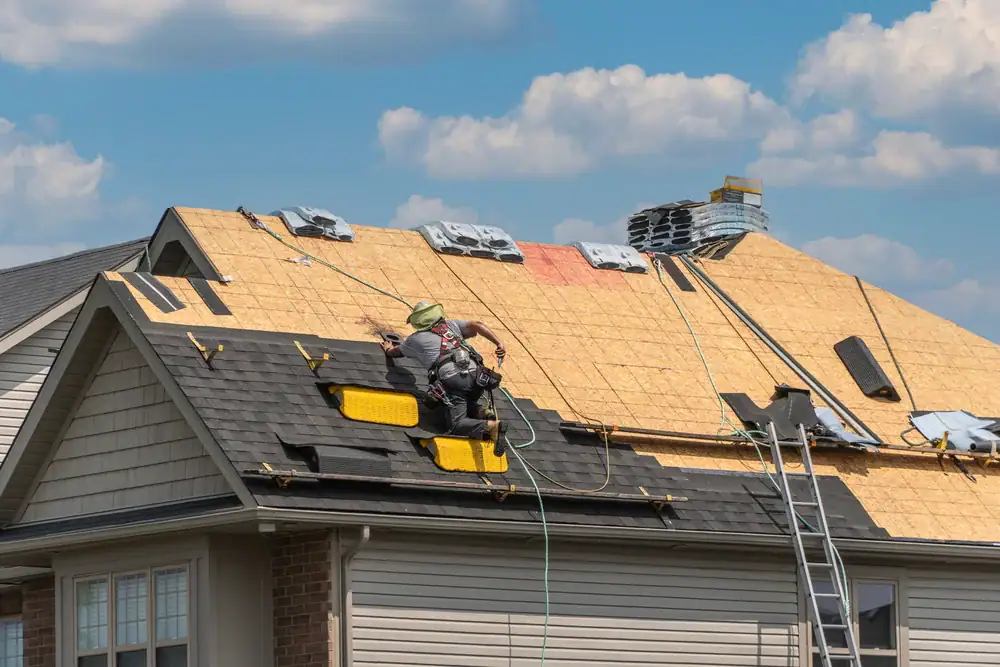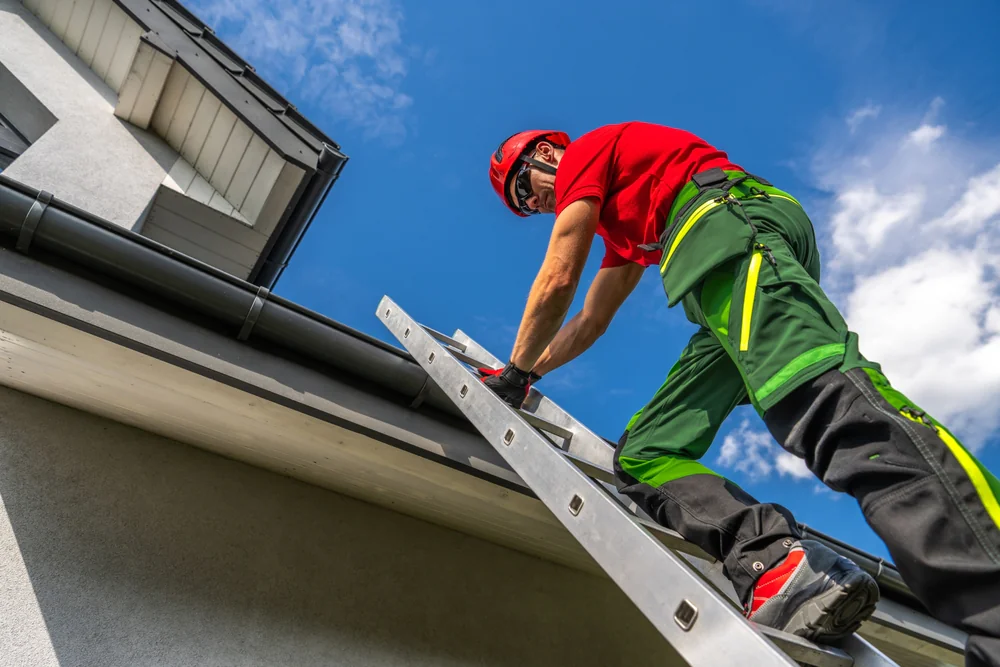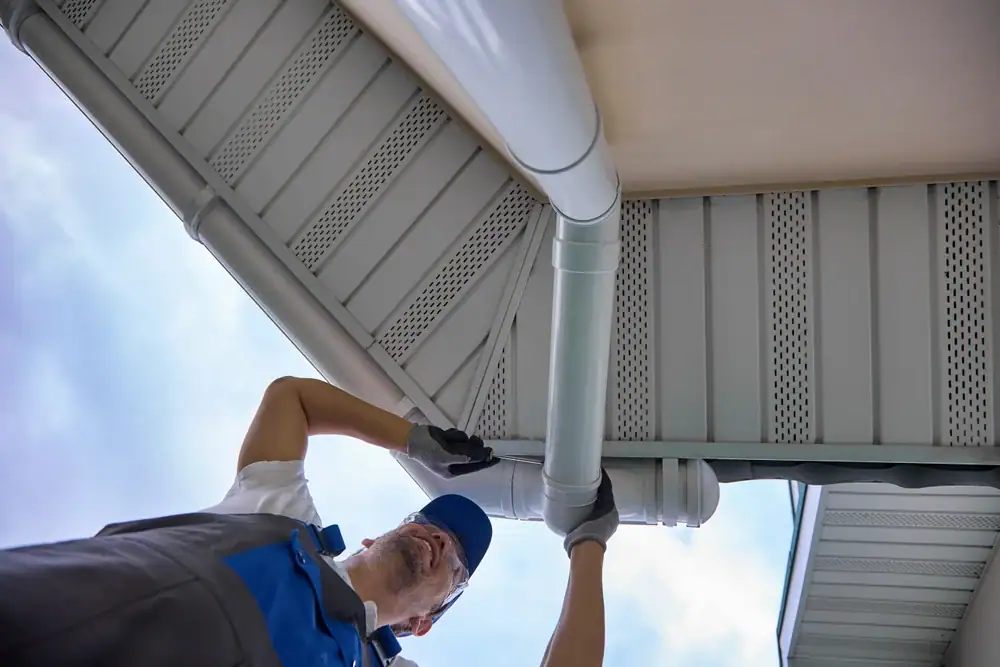
Discover why Southold homeowners trust Home Team Construction for expert roof replacement services designed to handle Long Island's challenging coastal weather conditions.
Share:
Summary:
Living on Long Island’s North Fork means your roof faces conditions that inland homes never experience. The constant exposure to salt-laden air accelerates corrosion of metal components like flashing, gutters, and fasteners. Meanwhile, coastal storms bring wind speeds that can easily lift improperly secured shingles and cause structural damage to roof decking.
These aren’t just occasional challenges—they’re year-round realities that require specific materials, installation techniques, and local knowledge. Generic roofing approaches that work elsewhere often fail prematurely in Southold’s demanding environment.
That’s where specialized coastal expertise becomes crucial. Professional roofers who understand salt air corrosion, proper ventilation for humid conditions, and wind-resistant installation methods can extend your roof’s lifespan significantly while preventing the costly repairs that come from inadequate preparation.

Salt air doesn’t just smell like the ocean—it’s an invisible enemy that accelerates wear on every metal component of your roofing system. When salt particles settle on flashing, gutters, or exposed nails, they trigger corrosion and rust that weakens your roof’s structural integrity over time.
The moisture-rich environment also creates perfect conditions for algae, moss, and mold growth. These organisms don’t just create unsightly streaks on your shingles—they actually trap moisture against roofing materials, accelerating deterioration and potentially compromising your home’s interior air quality.
High humidity levels can cause moisture buildup in roofing materials and attic spaces, leading to wood rot and structural weakening that’s often invisible until significant damage occurs. Without proper ventilation and moisture management, even quality materials can fail prematurely.
Temperature swings between scorching summer heat and freezing winter conditions cause roofing materials to expand and contract repeatedly. This thermal stress leads to cracking, warping, and seal failure—especially problematic when combined with salt air exposure.
Understanding these interconnected challenges is why homeowners increasingly choose contractors with specific coastal experience rather than general roofers who may not recognize these unique risk factors.
Coastal storms bring more than just rain—they deliver punishing winds, driving precipitation, and debris that can turn minor installation flaws into major failures. Properly securing shingles and using wind-resistant materials isn’t optional in Southold; it’s essential for long-term protection.
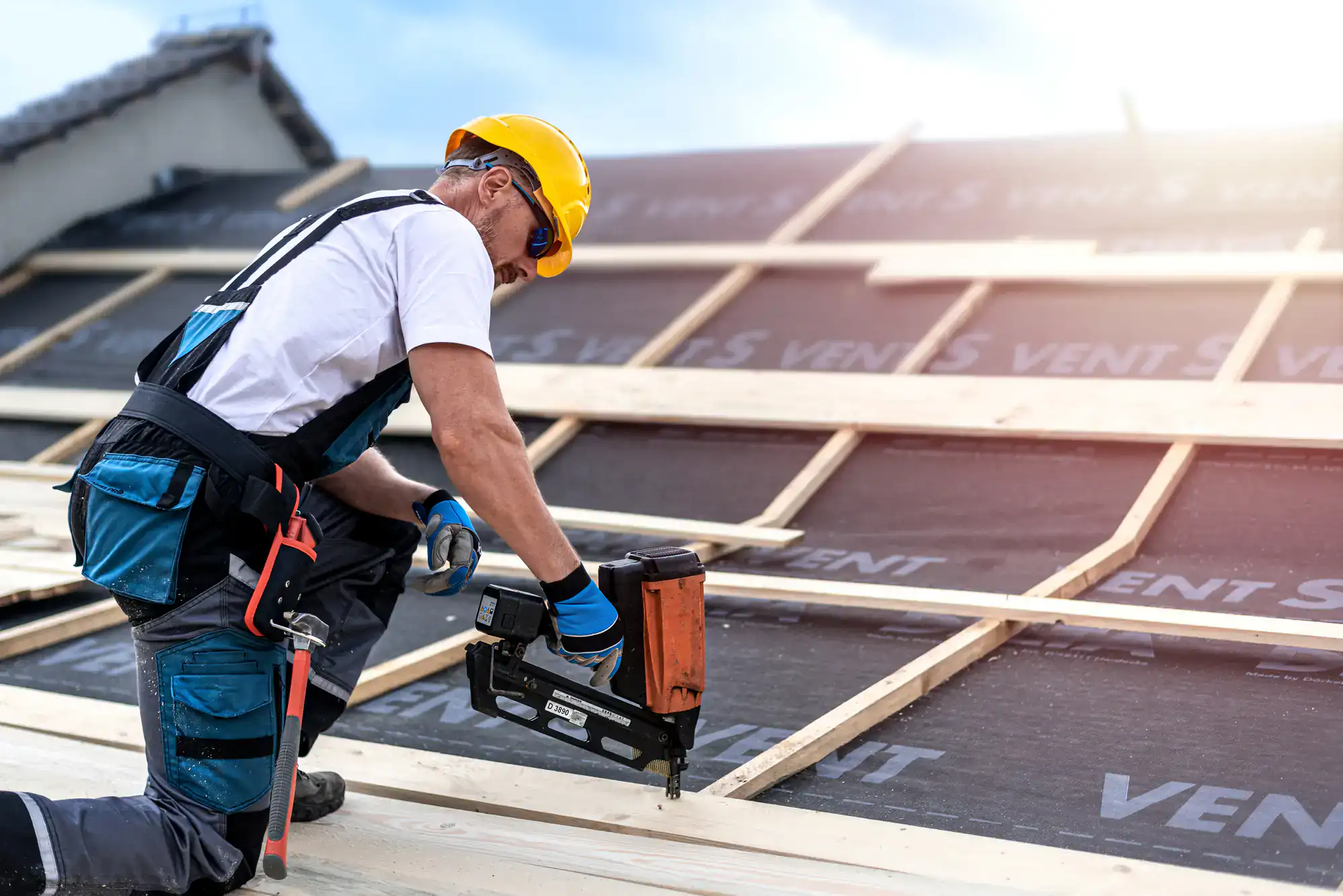
Professional installation techniques for coastal areas include enhanced fastening patterns, upgraded underlayment systems, and specialized flashing details around vulnerable areas like chimneys, skylights, and roof penetrations. These aren’t expensive upgrades—they’re fundamental requirements for roofs that need to withstand hurricane-force winds and driving rain.
The difference between standard installation and coastal-grade techniques often determines whether your roof survives the next major storm intact or requires emergency repairs. Experienced contractors understand that cutting corners on installation methods in coastal environments inevitably leads to premature failure and costly repairs.
Beyond installation, proper material selection plays a crucial role in storm resistance. Impact-resistant shingles, corrosion-resistant fasteners, and high-performance underlayment systems work together to create a roofing system that can handle whatever nature delivers.
Smart homeowners recognize that investing in proper installation techniques and coastal-grade materials upfront costs far less than dealing with storm damage repairs and potential interior water damage down the road.
Want live answers?
Connect with a Home Team Construction expert for fast, friendly support.
Not all roofing materials perform equally in coastal environments. What works perfectly in Arizona or Colorado may fail quickly when exposed to Long Island’s salt air, humidity, and temperature extremes. Understanding material performance in your specific climate is crucial for making smart replacement decisions.
Modern roofing technology offers several excellent options for coastal applications, each with distinct advantages. The key is matching material characteristics to your home’s specific exposure, architectural style, and performance requirements.
We can guide you through options that balance upfront investment with long-term performance, helping you avoid materials that may seem attractive initially but prove problematic in coastal conditions.
Asphalt shingles remain the most popular choice for Southold homes, but not all shingles handle coastal conditions equally well. Architectural shingles with algae-resistant granules and enhanced wind ratings offer significantly better performance than basic three-tab options, especially when properly installed with coastal-grade techniques.
Quality asphalt shingles designed for coastal use typically include copper-infused granules that resist algae growth, heavier construction that resists wind uplift, and improved sealant formulations that maintain flexibility through temperature cycles. These features add modest cost but deliver substantial performance improvements in challenging environments.
Metal roofing represents the premium option for coastal applications, offering exceptional durability and weather resistance. Modern metal roofing systems can withstand hurricane-force winds, resist salt air corrosion when properly coated, and provide energy efficiency benefits that help offset higher initial costs through reduced cooling expenses.
The longevity advantage of metal roofing becomes particularly compelling in coastal areas where harsh conditions accelerate wear on other materials. While metal roofs require higher upfront investment, their 50-70 year lifespan often makes them cost-effective over time, especially when factoring in reduced maintenance and replacement frequency.
Both material options can perform excellently in Southold’s climate when properly selected and installed. The choice often comes down to budget considerations, architectural preferences, and long-term ownership plans.
Roof replacement represents a significant investment, with costs in Long Island typically ranging from $8,000 to $31,000 depending on size, materials, and complexity. Understanding what drives these costs helps homeowners make informed decisions and avoid unpleasant surprises.
Material selection accounts for roughly 40% of total project costs, with labor, disposal, and additional components making up the remainder. Premium materials command higher prices but often deliver better long-term value through improved durability and reduced maintenance requirements.
Complex roof designs with multiple angles, dormers, or skylights require more labor and materials, increasing costs accordingly. However, attempting to simplify installation by skipping necessary details often leads to problems that cost far more to fix later than doing the job properly initially.
Geographic factors also influence pricing, with coastal areas typically seeing higher costs due to specialized material requirements and the additional expertise needed for proper installation in challenging environments. These premium costs reflect the real value of contractors who understand local conditions and use appropriate techniques.
Smart homeowners view roof replacement as a long-term investment rather than just an expense. Quality installation with appropriate materials not only protects your home but often increases property value while reducing future maintenance costs and potential repair expenses.
Your roof replacement decision impacts your home’s protection, value, and your family’s comfort for decades to come. Choosing contractors with specific coastal experience, proven local track records, and transparent pricing practices sets the foundation for a successful project.
The investment in quality materials and professional installation pays dividends through improved storm resistance, reduced maintenance needs, and enhanced energy efficiency. Most importantly, you gain peace of mind knowing your roof was designed and installed to handle everything Long Island’s climate can deliver.
When you’re ready to move forward with roof replacement, we bring the local expertise, professional standards, and commitment to quality that Southold homeowners have trusted for over a decade.
Article details:
Share:
Continue learning: