Water dripping through your ceiling? Professional roof leak detection finds the real source—not just where it appears inside—using infrared technology and systematic inspection methods that save you time and money.
Share:
Summary:
Water staining your ceiling doesn’t tell you where the problem actually is. It tells you where gravity finally won. The real leak could be three feet higher, hidden under shingles, or traveling along your roof deck for days before you ever noticed that first drip. That’s the frustrating part about roof leaks—by the time you see evidence inside, water’s already been doing damage you can’t see yet.
Finding the actual source matters more than patching where water shows up. Get it wrong and you’re throwing money at symptoms while the real problem keeps soaking your insulation, rotting your decking, and setting you up for mold. Professional leak detection exists because even experienced contractors know that water doesn’t play fair. Let’s talk about how we actually find what’s causing your leak, starting with why it’s harder than it looks.
Water doesn’t drop straight down through your roof. It follows the easiest path, which usually means traveling along roof decking, sliding down rafters, or pooling on top of insulation until it finds a weak spot in your ceiling. You might see a stain near your bedroom window, but the actual hole in your roof could be six feet away near a vent pipe.
This is why pointing at a ceiling stain and saying “fix that spot” rarely works. We start by understanding how your specific roof is built—the pitch, the materials, where the decking seams are, how water would naturally flow based on gravity and structure. We’re not guessing. We’re following the evidence backward from where you see the problem to where it actually started.
On Long Island, this gets even trickier. Coastal storms don’t just drop rain straight down. Wind-driven rain gets forced sideways under shingles that would normally shed water just fine. Nor’easters hit from angles that exploit every weak point in flashing, every slightly lifted shingle edge, every spot where sealant has dried out from salt air exposure. The leak you’re dealing with today might have started during a storm two weeks ago, and the water’s been slowly working its way through your roof system ever since.
Infrared cameras changed leak detection because they show you what’s happening behind surfaces you can’t see through. These cameras don’t actually see water. They detect temperature differences, and wet building materials hold heat differently than dry ones. When we scan your roof or ceiling with thermal imaging, wet areas show up as distinct colors on the display—like a heat map of everywhere moisture is hiding.
This matters because water damage spreads. By the time you notice a ceiling stain, moisture has usually saturated a much larger area. The stain is just where enough water collected to discolor your drywall. Infrared shows the full extent of the problem—the entire path water took, where it pooled, what insulation got soaked, and which structural components are compromised.
For Suffolk County, NY homeowners, this technology is especially valuable after storms. You might not see obvious damage from the ground, but infrared can reveal that last week’s nor’easter forced water under your shingles in three different spots. Catching that early—before the next storm compounds the problem—is the difference between a targeted repair and a major restoration project.
The process is non-destructive. We don’t need to tear apart your ceiling or rip up shingles to see what’s happening. We scan, identify the problem areas, and then focus our physical inspection on the spots that actually matter. It’s faster, more accurate, and it means you’re not paying for exploratory demolition that might not even find the real issue.
Moisture meters work alongside thermal imaging to confirm what the camera suggests. These tools measure actual moisture content in your roof decking, insulation, and framing. Pin-type meters use small probes that penetrate the material. Pinless meters detect moisture through surfaces without leaving marks. Both give us hard data about how wet things are and whether the moisture is active or leftover from an old leak that’s already been fixed.
Once the leak source is identified, stopping further damage becomes the immediate priority. We don’t just schedule a repair for next week and leave you dealing with active water intrusion. We implement protection measures that buy you time without letting the problem get worse.
Interior protection comes first if water is actively dripping. Move furniture, electronics, and anything valuable away from the affected area. Place buckets or containers under active drips, and use towels or plastic sheeting to protect floors. If you see a bulge forming in your ceiling, that’s water pooling behind the drywall. Carefully poking a small hole at the lowest point lets it drain into a bucket instead of eventually collapsing and dumping gallons of water plus soaked insulation all over your room.
These aren’t permanent fixes. They’re damage control. The goal is preventing a roof leak from turning into a full interior restoration project while the actual roofing work gets scheduled and completed. Every hour that water sits in your insulation or on your ceiling creates more problems—mold starts growing within 24-48 hours in the right conditions, and Long Island’s humidity makes that timeline even shorter.
Exterior protection means addressing the roof itself. If weather allows and the damage is accessible, we can install temporary patches or sealants to slow water intrusion. But the most effective immediate solution is usually professional tarping, which we’ll cover in detail shortly. The key is that these measures aren’t about avoiding the real repair. They’re about making sure the damage you have today doesn’t multiply before permanent work can happen.
Documentation happens during this phase too. Take photos of everything—the interior damage, the ceiling stains, any visible exterior damage, and the steps you’re taking to mitigate further problems. Your insurance company will want this. More importantly, it creates a clear record of when the damage occurred and what you did about it. Insurance claims get complicated when companies can argue that damage was pre-existing or that you didn’t take reasonable steps to prevent it from spreading.
We know what adjusters need to see. We’ll document the damage professionally, take measurements, note the likely cause, and provide detailed estimates that help your claim move forward. This isn’t an upsell—it’s part of doing the job right when storm damage is involved. You’re already dealing with a leak. Having someone who knows how to navigate the insurance side of it removes one more source of stress.
Want live answers?
Connect with a Home Team Construction expert for fast, friendly support.
Some leaks don’t give you the luxury of scheduling a repair for next week. When water is actively pouring through your ceiling during a storm, when a tree branch just punched through your roof, when you’ve got missing shingles and more rain is forecast for tonight—that’s when emergency roof repair shifts from “nice to have” to “call someone now.”
Emergency response means different things depending on who you call. Some companies have answering services that take messages. Others have actual crews ready to mobilize. In Suffolk County, NY, where nor’easters can roll in with a few hours’ notice and coastal storms don’t respect business hours, the difference matters. You need contractors who treat 24/7 availability as more than a marketing line.
The immediate goal during an emergency isn’t always completing the permanent repair. Sometimes weather won’t allow it. Sometimes the full scope of damage can’t be assessed until conditions improve. What emergency response does is stop the bleeding—secure the roof, prevent further water intrusion, protect your interior, and stabilize the situation so permanent repairs can be planned properly instead of rushed.
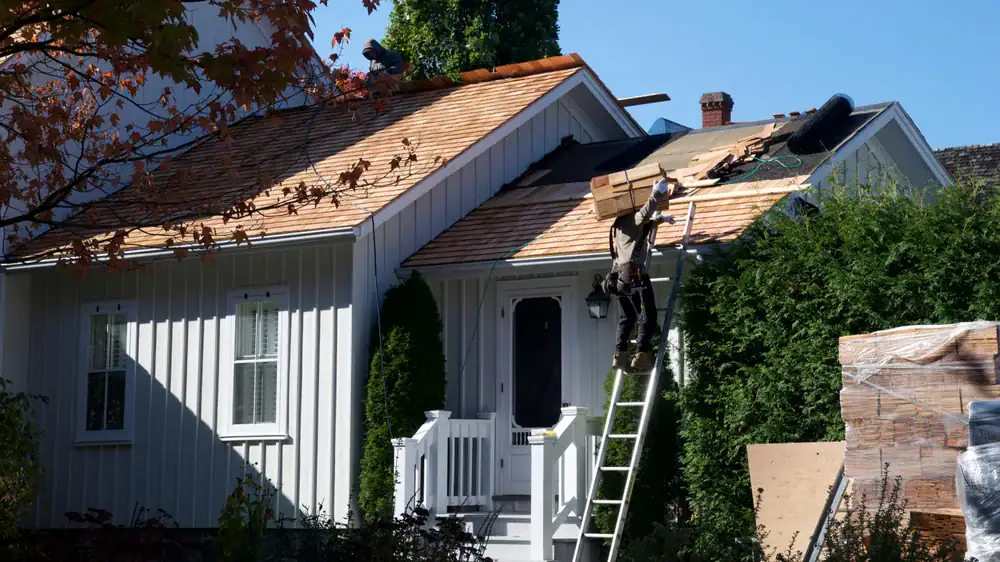
Professional roof tarping isn’t about throwing a blue tarp over the damage and hoping it stays put. Done right, it’s a systematic process that creates a waterproof barrier capable of withstanding wind, rain, and UV exposure until permanent repairs can happen. Done wrong, it fails during the next storm and you’re back where you started—or worse, because now you’ve got tarp damage on top of the original leak.
Heavy-duty tarps rated for outdoor use are the baseline. We’re talking 10-16 mil thickness, UV-resistant polyethylene or vinyl that won’t degrade in sunlight or tear in moderate winds. The tarp needs to extend at least four feet past the damaged area on all sides. This overlap is critical—water doesn’t just fall straight down, especially during storms. Wind-driven rain will work its way under edges that aren’t properly secured and overlapped.
Securing the tarp requires more than sandbags. Professional installation uses wooden battens—boards that run along the edges of the tarp and get fastened to solid roof decking. This creates even pressure across the entire edge instead of point loads that can tear through grommets. The fasteners go into sound wood, not damaged areas, and they’re placed frequently enough that wind can’t get underneath and lift the tarp like a sail.
The installation starts at the roof’s peak and works downward. This ensures water flows over the tarp instead of getting trapped underneath. Any horizontal seams are overlapped so water sheds downhill, never up. Wrinkles and loose sections get eliminated because they create pockets where water can pool, and pooled water eventually finds a way through.
All of this matters because tarps are temporary. They’re designed to last weeks to a few months depending on weather exposure, but they’re not a permanent fix. The goal is buying you time to get proper repairs scheduled, materials ordered, and insurance claims processed without letting water damage continue spreading. A professionally installed tarp does that. A poorly installed one gives you false security until the next storm proves it wasn’t actually protecting anything.
For Suffolk County, NY homeowners, tarping often happens in less-than-ideal conditions. We have the safety equipment and experience to work on wet, damaged roofs during or immediately after storms. This isn’t DIY territory. Wet roofing materials are slippery. Damaged sections might not support weight. And if you’re not comfortable with heights in perfect conditions, attempting it during a crisis is how people get hurt.
When you call for emergency roof leak repair, here’s what should happen. First, you talk to someone who can actually help—not a call center, not a voicemail system, but a person who understands roofing and can assess whether your situation needs immediate response or can wait until morning. We’ll ask about the damage, your location, whether water is actively coming in, and whether there are any safety concerns like downed power lines or structural instability.
If it’s truly urgent, crews mobilize while you’re still on the phone. Response time matters during active leaks. Every hour of delay means more water intrusion, more interior damage, and a bigger mess to clean up later. We take emergency response seriously with crews on standby during storm season and systems in place to reach people quickly.
When the crew arrives, we assess the situation safely. This means checking for electrical hazards, structural damage that could make the roof unsafe to work on, and any other factors that might require utilities to be shut off or additional safety measures. Emergency response doesn’t mean rushing onto a dangerous roof and hoping for the best. It means experienced professionals who know how to work safely in crisis conditions.
The immediate work focuses on stopping water intrusion. That usually means professional tarping, but it can also include temporary patches, securing loose materials, or installing emergency flashing around penetrations. The goal is making your home weather-tight enough to survive the next few days while permanent repairs get scheduled.
Documentation happens during the emergency visit. We take photos of the damage from multiple angles, note the likely cause, and create a preliminary assessment of what permanent repairs will involve. This serves two purposes—it gives you information to make decisions, and it provides documentation for insurance claims. Many insurance policies require homeowners to take reasonable steps to prevent further damage after a loss. Professional emergency tarping and documentation prove you did exactly that.
Once the emergency is stabilized, the conversation shifts to permanent solutions. Depending on the extent of damage, that might mean targeted repairs, partial roof replacement, or in cases where storm damage revealed that an aging roof was already compromised, a full replacement. We’ll be straight with you about what makes sense. If repairs will buy you several more years, we’ll tell you. If you’re throwing money at a roof that’s going to need replacement soon anyway, we’ll tell you that too.
Fair pricing during emergencies separates reputable contractors from opportunists. Crisis situations make homeowners vulnerable, and some companies exploit that with inflated rates and pressure tactics. We maintain consistent pricing regardless of when you call. Emergency response might involve a premium for after-hours mobilization, but it shouldn’t mean price gouging. You should get a clear explanation of costs before work starts, not a surprise bill after the fact.
Roof leaks don’t fix themselves, and guessing at the source is expensive. Professional leak detection using thermal imaging, moisture meters, and systematic inspection finds the real problem—not just where water appears inside. That accuracy matters because repairs only work when they address the actual source of intrusion.
For Suffolk County, NY homeowners, Long Island’s coastal weather makes this even more critical. Nor’easters, salt air, and storm patterns that exploit every weak point mean leaks often aren’t where they appear to be. Local contractors who understand how weather affects roofs in this specific area bring expertise that generic approaches miss.
Emergency situations require fast, professional response. Whether that’s immediate tarping to prevent further damage or full emergency repairs to secure your home, working with experienced contractors who treat 24/7 availability seriously makes the difference between controlled mitigation and escalating disaster. When you need help with leak detection or emergency roof repairs in Suffolk County, NY, Home Team Construction brings over 10 years of local experience, licensed professionals, and the storm-resistant expertise Long Island homes require.
Article details:
Share:
Continue learning: