Choosing the right exterior siding for your East Hampton home means understanding how different materials perform against salt air, humidity, and coastal storms—and which options deliver the best long-term value.
Share:

Summary:
Living near the water comes with trade-offs. You get incredible views and beach access, but your home faces conditions that most inland properties never see. Salt-laden air accelerates corrosion on metal components and breaks down finishes faster than you’d expect. Humidity stays high year-round, creating the perfect environment for mold, mildew, and rot if your siding can’t handle moisture properly.
Then there are the storms. Nor’easters bring sustained wind and driving rain that find every weak spot in your exterior. Your siding isn’t just about curb appeal—it’s the barrier between Long Island weather and everything inside your walls. When it fails, water gets in. And water damage in wall cavities leads to rot, mold, and repair bills that can easily hit five figures.
That’s why choosing the right material matters. You need siding that stands up to salt, sheds moisture, resists wind, and doesn’t require constant maintenance just to stay functional. The good news is that modern materials are engineered for exactly these conditions—if you know what to look for.

Salt air doesn’t just make your car rust faster—it attacks your home’s exterior in ways that surprise most homeowners. When salt spray settles on siding, it holds moisture against the surface and accelerates deterioration. Metal fasteners corrode. Paint finishes chalk and fade. And materials that absorb moisture start breaking down from the inside out.
Wood siding, including cedar, absorbs both moisture and salt. Even with regular sealing and painting, coastal humidity works its way into the grain. Over time, this leads to swelling, warping, and rot—especially on north-facing walls that don’t get direct sun to dry them out. You’ll see this as soft spots, peeling paint, or boards that pull away from the house. The maintenance cycle never really ends because you’re fighting the environment every season.
Vinyl siding handles salt and moisture much better. It doesn’t absorb water, won’t rot, and resists corrosion. The color goes all the way through the material, so scratches don’t expose raw surfaces that rust or decay. That said, intense UV exposure can cause fading over time, and cheaper vinyl may become brittle in extreme cold. Quality matters—look for products with UV inhibitors and impact ratings designed for coastal exposure.
Fiber cement siding is engineered specifically for harsh climates. Made from cement, sand, and cellulose fibers, it doesn’t absorb moisture the way wood does, won’t rot, and isn’t affected by salt air. It’s dimensionally stable, meaning it doesn’t swell or shrink with humidity changes. The factory-applied finishes on products like James Hardie’s ColorPlus Technology resist fading far longer than field-applied paint. It’s heavier and more expensive than vinyl, but it delivers performance that matches the price in coastal conditions.
The key difference comes down to how each material interacts with moisture. Wood absorbs it and breaks down. Vinyl repels it but can fade. Fiber cement resists it completely. Your choice depends on how much maintenance you’re willing to do and how long you want the siding to last without major intervention.
When contractors talk about wind ratings, they’re referring to how well siding stays attached during high winds—and in Suffolk County, this isn’t theoretical. Nor’easters regularly bring sustained winds of 40-60 mph with gusts much higher. Hurricanes, though less frequent, push those numbers even further. If your siding isn’t installed correctly or doesn’t meet wind resistance standards, panels can lift, tear, or blow off entirely.
Vinyl siding is typically certified to withstand winds up to 110 mph when installed according to manufacturer specifications. That means proper nailing in the designated slots, correct overlap, and using the right fasteners. The problem is that improper installation—nailing too tight, skipping slots, or not allowing for expansion—compromises that rating. You need installers who understand how vinyl moves with temperature changes and don’t lock it down in ways that cause buckling or blow-off.
Fiber cement siding is inherently more impact-resistant because of its density. It won’t dent from hail or debris the way vinyl can. Wind resistance comes from proper fastening with corrosion-resistant nails or screws—stainless steel or hot-dipped galvanized in coastal areas to prevent rust streaks. The boards are heavier, which actually helps them stay in place, but that weight also means installation requires more labor and expertise.
Impact resistance matters beyond just storms. Lawnmowers throw rocks. Kids throw balls. Branches fall during high winds. Vinyl can crack or dent on impact, especially in cold weather when it’s more brittle. Fiber cement handles impacts better but can chip if struck hard enough—though those chips are easy to touch up with paint. Insulated vinyl siding, which has foam backing, offers better impact resistance than standard hollow-back vinyl because the foam acts as a shock absorber.
The bottom line: wind and impact ratings only matter if the installation is done right. Marine-grade fasteners, proper clearances, and following manufacturer guidelines aren’t optional in coastal environments. Cutting corners here leads to failures that show up during the first big storm.
Want live answers?
Connect with a Home Team Construction expert for fast, friendly support.
You’ve got three main choices that actually make sense for East Hampton: vinyl, fiber cement, and cedar. Each has trade-offs in cost, maintenance, and performance. The right choice depends on your budget, how long you plan to stay in the home, and how much upkeep you’re willing to handle.
Vinyl remains the most popular option on Long Island because it delivers solid performance at the lowest price point. Fiber cement costs more upfront but lasts longer and handles coastal conditions better. Cedar offers natural beauty but demands constant maintenance to survive in humid, salty air. Let’s break down what each one actually gives you in real-world conditions.
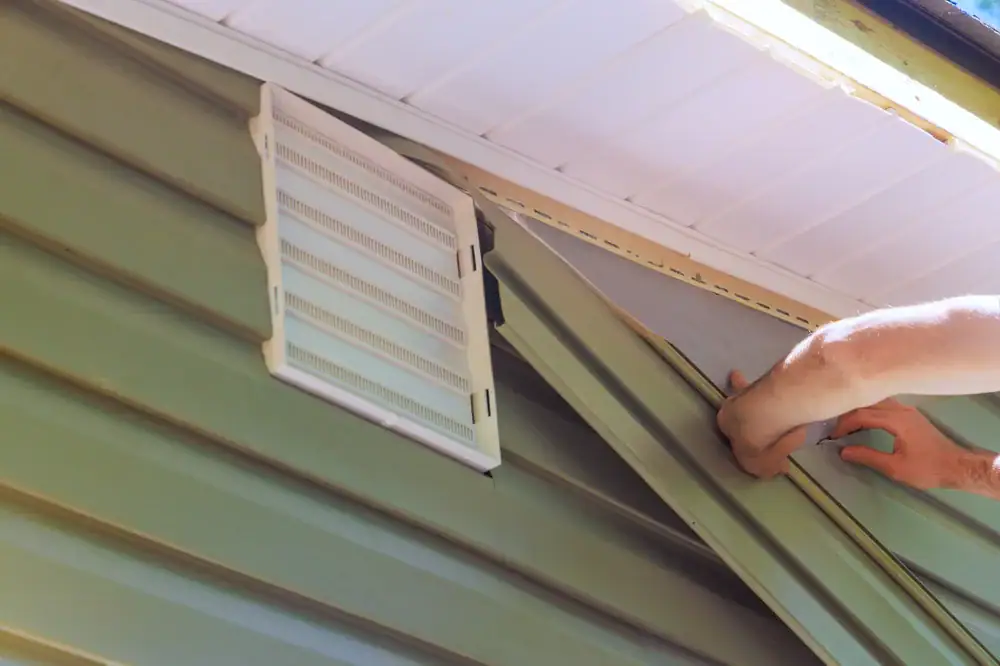
Vinyl siding costs between $3 and $12 per square foot installed, making it the most affordable option for most homeowners. It’s made from PVC, which means it won’t rot, doesn’t attract insects, and requires almost no maintenance beyond an annual wash with a garden hose and mild detergent. The color goes through the entire material, so scratches don’t expose a different surface that needs touch-up.
Modern vinyl has come a long way from the thin, brittle products of decades past. Today’s options include thicker panels with better impact resistance, insulated backing for improved energy efficiency, and UV inhibitors that slow fading. You’ll find styles that mimic wood grain, cedar shakes, and traditional clapboard—all without the maintenance headaches of real wood. Insulated vinyl siding adds an R-value of 2.0 to 4.0, which helps reduce energy loss through your walls and can lower heating and cooling costs.
The downsides are real, though. Vinyl can fade over time, especially dark colors in full sun. It can crack or become brittle in extreme cold. And while it’s certified for high winds, improper installation—nailing too tight or not allowing for expansion—causes panels to buckle or blow off. You also can’t paint vinyl if you want to change colors later, so you’re committed to whatever you choose at installation.
For Suffolk County homeowners, vinyl makes sense if you want low maintenance, a wide range of style options, and the best bang for your buck. It handles salt air well, doesn’t corrode, and gives you decades of service if installed correctly. Just make sure your contractor uses proper techniques and corrosion-resistant fasteners. Cheap installation ruins even the best vinyl products.
When you’re comparing products, look for warranties of 30-40 years or lifetime coverage. Check the thickness—thicker panels resist impact and temperature extremes better. And ask about wind ratings and whether the product is specifically designed for coastal exposure. Not all vinyl performs the same way, and the cheapest option usually shows why within a few years.
Fiber cement siding costs between $5 and $14 per square foot installed—roughly double what you’d pay for vinyl. But you’re paying for performance that matches East Hampton’s demanding climate. Made from cement, sand, and cellulose fibers, fiber cement doesn’t absorb moisture, won’t rot, resists insects and fire, and handles salt air without breaking down. Products like James Hardie are specifically engineered with climate-specific formulations for coastal regions.
The durability is exceptional. Fiber cement siding lasts 30 to 50+ years with proper maintenance, which consists mainly of repainting every 10 to 15 years. Factory-finished options with ColorPlus Technology extend that timeline significantly because the baked-on finish resists fading and chalking far longer than field-applied paint. You get the authentic look of wood—complete with realistic grain textures—without the constant sealing, staining, and repair work that real wood demands.
Fiber cement is non-combustible with a Class A fire rating, which adds a layer of safety that vinyl and wood can’t match. It’s dimensionally stable, meaning it doesn’t swell or shrink with humidity changes the way wood does. And it’s dense enough to resist impacts from hail, wind-borne debris, and the occasional baseball. If it does chip, you can touch it up with paint—something you can’t do with vinyl.
The trade-offs come down to cost and installation complexity. Fiber cement is heavy, which means installation takes more time and labor. Cutting the material requires proper safety equipment because silica dust is a health hazard. You need contractors who are trained in fiber cement installation and understand the importance of proper clearances from soil, roofs, and decks to prevent moisture wicking. And while the material itself is low-maintenance, it’s not maintenance-free—you will need to repaint eventually.
For homeowners in East Hampton and Southampton who want the best long-term performance and don’t mind paying more upfront, fiber cement delivers. It’s the material that stands up to coastal weather year after year without the constant upkeep. You’re investing in fewer repairs, better fire protection, and a premium appearance that holds its value. The ROI is strong—fiber cement recoups about 70-76% of its cost at resale, and buyers recognize the quality difference.
Installation quality matters even more with fiber cement than vinyl. Stainless steel or hot-dipped galvanized fasteners are non-negotiable in salt air to prevent rust streaks. Proper flashing, moisture barriers, and clearances protect the material and your home’s structure. This isn’t a DIY project, and cheap installation will cost you far more in repairs than you save upfront.
Choosing siding for a coastal home comes down to understanding what you’re up against and what you’re willing to invest. Salt air, humidity, and storms don’t care about curb appeal—they test every material, every fastener, and every installation decision. Vinyl gives you affordability and low maintenance. Fiber cement delivers premium durability and performance. Cedar offers natural beauty but demands constant attention.
The best choice depends on your timeline, your budget, and how much maintenance you want to handle. If you’re planning to stay in your home long-term, investing in fiber cement often makes sense because you’re paying once for decades of protection. If you want solid performance without the premium price, quality vinyl siding installed correctly will serve you well. And if you’re dealing with damaged siding that’s letting moisture into your walls, addressing it now prevents far more expensive problems down the road.
When you’re ready to move forward, work with contractors who understand coastal installations—marine-grade fasteners, proper moisture barriers, and installation techniques that account for Long Island’s weather. We’ve been handling these projects in Suffolk County for over a decade, and we know what actually works in East Hampton’s conditions.
Article details:
Share:
Continue learning: