Learn the warning signs of chimney failure and how replacement protects your Suffolk County home from safety risks and costly damage.
Share:
Summary:
Complete rebuilds are needed when the chimney is leaning or if the brick or mortar has severely deteriorated. This isn’t about cosmetic issues—we’re talking about fundamental structural failure that threatens your home and family.
Signs that your chimney may need replacing include: Visible cracks or gaps in the masonry. Crumbling or damaged chimney liner. Water damage or leaks within your home. Frequent chimney blockages or poor venting. When you’re seeing these problems, patches and temporary fixes won’t cut it anymore.
The difference between repair and replacement comes down to this: repairs work when damage is localized, but replacement becomes necessary when your entire system is compromised beyond reliable restoration. Think of it like a car with major engine problems—at some point, rebuilding makes more sense than constant repairs.
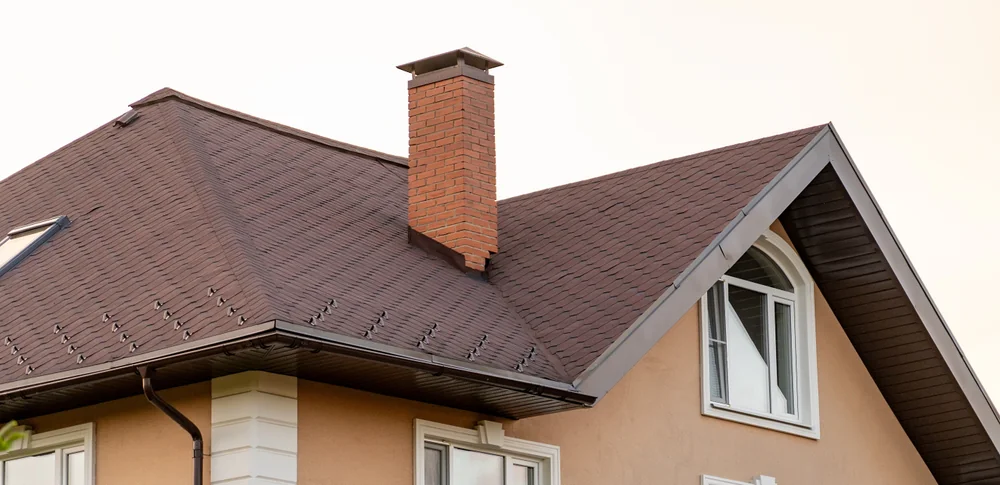
Long Island’s climate accelerates chimney wear. Salt air and winter freezes erode mortar faster here. If it’s powdery or falling out in chunks, your chimney is at risk. But some warning signs go way beyond normal wear—they indicate structural failure that makes repair attempts both expensive and dangerous.
A leaning chimney tops the list. A leaning chimney is often caused by foundation issues or eroded mortar joints. Minor Lean Repairs: Stabilizing small cracks or gaps costs between $1,000 and $3,500. Here’s the thing though—when the lean is significant or keeps getting worse despite repairs, you’re looking at complete replacement as the only safe option.
Moisture from Nor’easters seeps into weakened mortar, causing bricks to chip or flake, common in coastal towns like Montauk or Bayville. When this brick deterioration affects large sections of your chimney, you’re dealing with system-wide failure that repairs can’t address.
Water damage showing up inside your home signals serious trouble. Water stains on walls or ceilings near your chimney indicate active leaks that need immediate attention. White staining on exterior brick (efflorescence) shows water is penetrating the masonry. Cracked or missing mortar joints, damaged chimney crowns, or rusted dampers are serious issues that worsen quickly in Long Island’s climate.
Excessive creosote buildup that can’t be cleaned effectively. This tells you your chimney’s draft system isn’t working properly—usually due to structural issues that no amount of cleaning will solve. When creosote keeps accumulating despite professional cleaning, your chimney’s internal structure likely needs complete replacement.
The most serious warning sign is carbon monoxide detection or smoke entering your home during fireplace use. This means your chimney can no longer safely vent dangerous gases, making immediate replacement a life-safety issue that can’t wait.
Over time, salt air corrosion attacks mortar joints in masonry chimneys, while heavy rain and water intrusion can erode crowns and flashings. Chimney owners must recognize that coastal climate demands more rigorous maintenance than inland counterparts. According to the National Oceanic and Atmospheric Administration (NOAA), coastal humidity averages over 70%, which can accelerate creosote deposits and foster mold growth inside flues.
Here’s what’s really happening to your chimney: Masonry structures in coastal areas are subjected to the coupled effect of load and chloride-salt crystallization, resulting in severe degradation of mechanical properties. When salt-laden moisture penetrates chimney masonry, it doesn’t simply evaporate harmlessly. Instead, when water seeps down the chimney and interacts with soot, the salts within dissolve into the water, allowing them to travel with the moisture.
This crystallization process creates internal pressure that can crack mortar joints, spall bricks, and compromise the structural integrity of your entire chimney system. The damage happens from the inside out, making it nearly impossible to detect until failure is extensive.
Winter makes everything worse. When water enters small cracks in the chimney and freezes, it expands, causing further cracking. Over time, this freeze-thaw cycle leads to structural integrity issues, such as spalling bricks or failing mortar. Ice buildup on roofs and chimneys can block flue openings or reduce drafting efficiency, leading to smoke backflow or carbon monoxide risks inside the home.
Chimneys in storm-prone or high-usage homes, common throughout Suffolk County, may require repairs every 5–10 years. Factors like fireplace usage, fuel type, and exposure to coastal elements all affect longevity. When repairs become frequent and expensive, replacement often provides better long-term value and eliminates the constant worry.
The combination of salt air, freeze-thaw cycles, and severe storms creates conditions that standard repair materials simply can’t handle long-term. That’s why specialized replacement with marine-grade materials becomes the most reliable solution for Long Island homes.
Want live answers?
Connect with a Home Team Construction expert for fast, friendly support.
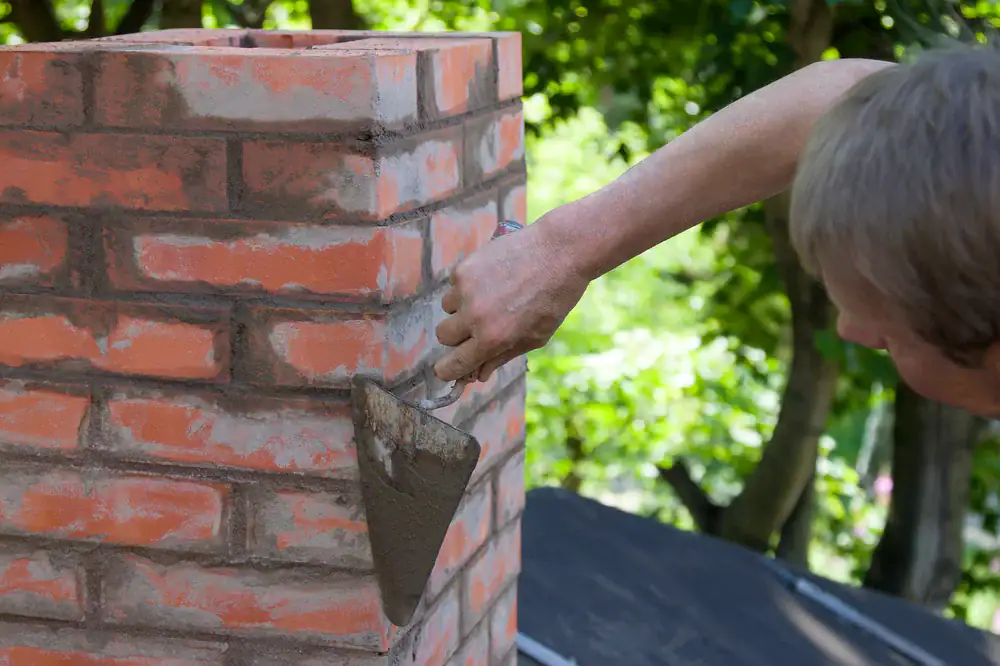
We perform partial or complete chimney rebuilds in Nassau and Suffolk county Long Island. We can do a partial rebuild from the flashing and roof up. Or we’ll do a complete chimney rebuild which includes removal of old bricks and installation of new ones. This isn’t just swapping out a few components—it’s a complete system overhaul designed specifically for Long Island’s challenging conditions.
Replacing an old or damaged chimney ensures the safety and efficiency of your heating system. A new chimney improves air quality by ensuring proper venting, reduces fire risks, and helps prevent water damage. Additionally, it increases your home’s value and provides peace of mind.
Complete replacement differs fundamentally from repair work. Repairs address symptoms and hope for the best. Replacement solves underlying structural problems and gives you a fresh start with modern materials that can actually handle coastal environments.

A complete chimney replacement costs $4,000 to $15,000 to rebuild above and below the roofline. A complete replacement is required when there’s structural damage throughout that cracks the mortar. Typically, the firebox, smoke chamber, and hearth remain intact.
The process starts with complete removal of your damaged chimney structure. We’re talking about dismantling the existing masonry, removing compromised mortar, and assessing the foundation to make sure it can support the new system. Our skilled and experienced chimney rebuilders are able to inspect your chimney to inform you if you need a partial or a complete rebuild.
Foundation work often becomes part of the equation. An inspection from a structural engineer costs $350 to $900. Inspections are necessary when removing a chimney that compromises a home’s structural stability. This ensures your new chimney has proper support for Long Island’s soil conditions and weather loads.
Installing a new chimney liner costs $1,500 to $4,000. Modern liner systems provide better insulation, improved draft, and enhanced safety compared to those old clay tile systems you’ll find in most Long Island homes. These liners are specifically chosen for coastal environments and resist salt air corrosion.
The crown and cap installation represents the final critical step. We replace the chimney crown and install a cap to prevent water damage, protect the stack from deteriorating, and keep sparks contained. These components use marine-grade materials designed to handle Long Island’s weather extremes without failing.
Mortar choice matters for Long Island’s mix of historic and modern homes: Type N Mortar: Durable for newer houses or buildings. Lime-Based Mortar: Essential for pre-1940s homes, preserving softer historic bricks. Weatherproof Additives: Added to combat coastal humidity and freeze-thaw cycles. We understand these material requirements and select the right options for your specific home and location.
The safety benefit alone justifies chimney replacement. Important: Untreated cracks cause spalling, water and structural damage, and increase the chances of fire. The majority of masonry chimneys involved in fires had one or more construction defects. New chimney systems eliminate these risks with proper construction and modern safety features.
Your energy bills will thank you too. Energy bills drop because properly sealed siding improves your home’s insulation. The same principle applies to chimney systems—new construction eliminates air leaks and improves your home’s overall thermal performance.
For minor issues like a few loose bricks, repairing is often the best option, with chimney repairs costing homeowners around $460 on average. However, if your older chimney has significant structural damage—such as large cracks or a broken flue liner—replacing it might be more cost-effective in the long run. When you add up repeated repair costs over time, replacement often provides better financial value.
Water damage prevention represents huge long-term savings. Over time, this infiltration doesn’t just affect the chimney itself—it spreads into the surrounding roofline, insulation, and structural supports, compounding the cost of repairs. In some cases, homeowners end up needing not only chimney masonry repairs, but also roof repairs, interior restoration, and mold mitigation—adding thousands of dollars to the total cost if not caught early.
Modern chimney systems include features that older chimneys simply don’t have. Improved draft systems provide better combustion efficiency and reduce creosote buildup. Clay tile liners, commonly found in older homes, often deteriorate over time, leading to chimney damage, poor draft, and carbon monoxide buildup that can affect indoor air quality. Whether you’re operating a traditional fireplace or an electric fireplace, liner integrity is critical for all combustion systems.
Home value increase provides lasting financial benefit. A properly functioning chimney system with modern safety features appeals to potential buyers and can justify higher asking prices. Insurance companies also view new chimney systems more favorably, potentially reducing premiums and ensuring coverage for weather-related damage.
While it might be tempting to tackle chimney projects yourself, the high risk of injury and potential for improper construction make it wiser to hire a professional. An incorrectly built chimney can lead to leaks, leaning stacks, cracks, and dangerous structural issues—resulting in fire risks and costly repairs. To ensure safe and proper replacement, it’s best to hire a chimney professional near you with the expertise to do the job right.
The decision between repair and replacement ultimately comes down to safety, cost-effectiveness, and long-term value. When structural integrity is compromised or repairs have become frequent and expensive, replacement provides the comprehensive solution your Suffolk County home needs.
When your Suffolk County chimney is leaning, cracking, or beyond repair, you need complete replacement by licensed experts who understand Long Island’s harsh weather conditions. Don’t wait until a dangerous situation develops or minor problems become major disasters—contact Home Team Construction for a thorough assessment and honest recommendations tailored to your specific situation.
Article details:
Share:
Continue learning: