Learn how proper chimney maintenance protects your Suffolk County home from dangerous safety hazards and expensive damage.
Share:
Summary:
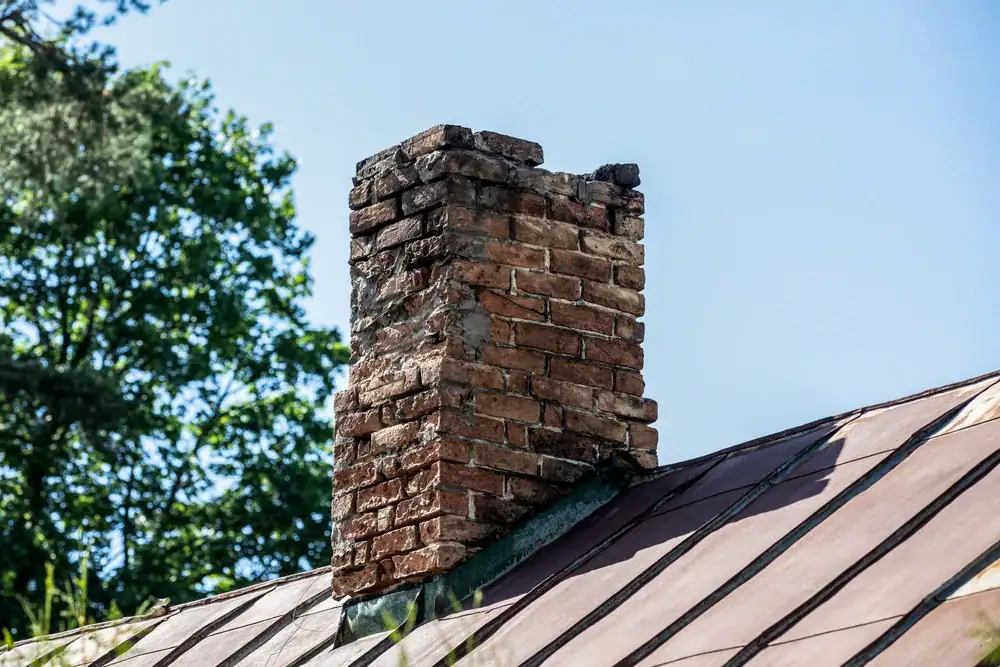
Living near the coast means your chimney battles conditions that most mainland homes never face. Salt air doesn’t just affect your car or outdoor furniture. It accelerates masonry deterioration, breaking down mortar joints faster than normal weathering.
Winter brings the real damage. Water seeps into tiny cracks in brick and mortar. When temperatures drop, that water expands as it freezes, widening cracks and creating gaps. Spring thaw repeats the cycle, making existing damage worse each year.

Water stains on your ceiling or walls near the fireplace aren’t just cosmetic issues. They signal that your chimney’s weatherproofing has failed. Once water gets inside your home, it damages drywall, insulation, and structural elements you can’t see.
Check your attic after heavy rains. Look for water stains, dampness, or that musty smell that means moisture is getting where it shouldn’t. Water damage repair costs average $2,500 to $7,500 for most Suffolk County homes, but catching problems early keeps those numbers manageable.
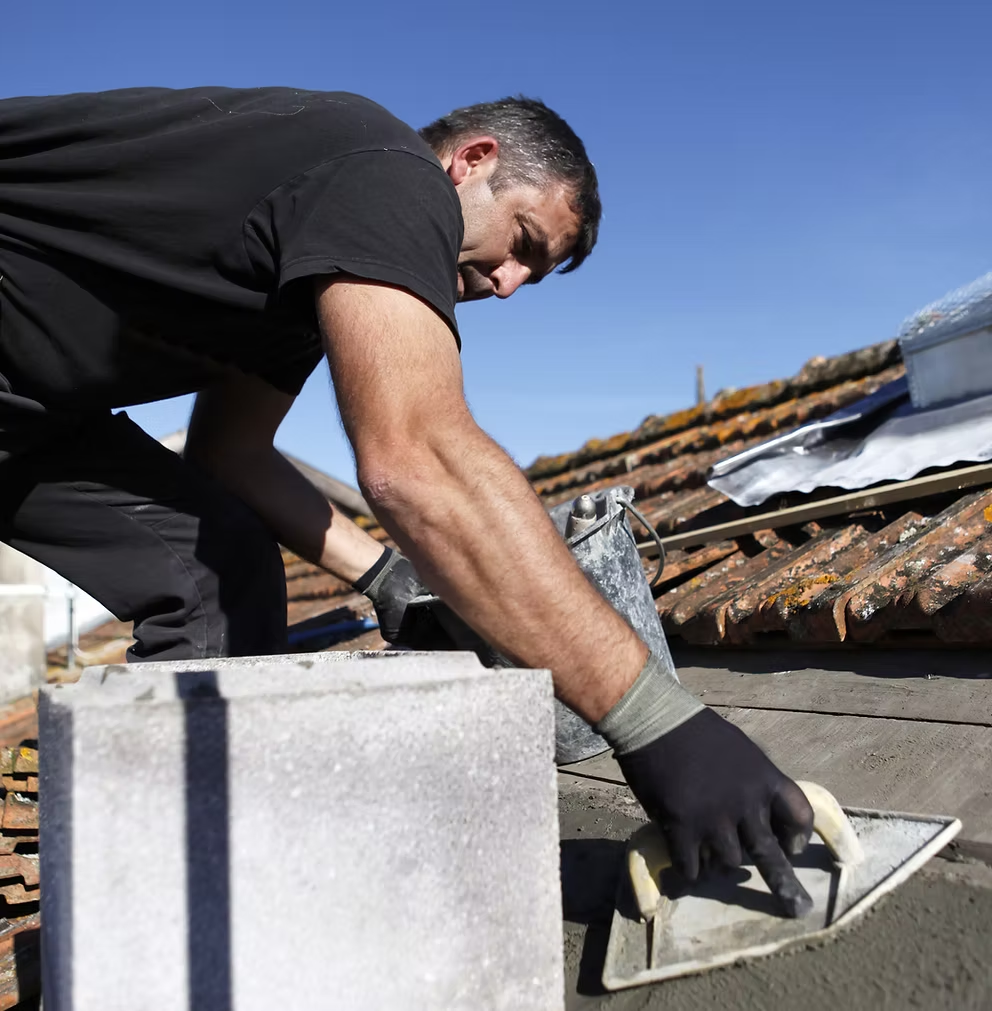
The crown of your chimney takes the worst beating from weather. Cracks in the concrete crown let water penetrate the entire system. What starts as a hairline crack becomes a major structural problem when freeze-thaw cycles get to work. Professional crown repair typically runs $300 to $1,200, but ignoring it can mean complete chimney rebuilding at $8,000 or more.
Your flashing seals the gap between your chimney and roof. When it fails, water pours directly into your home’s structure. Look for rust, gaps, or lifted sections around the base of your chimney. Flashing repair costs $200 to $500, but water damage from failed flashing can reach five figures fast.
Creosote buildup inside your chimney creates a fire hazard that gets worse every time you use your fireplace. This black, tar-like substance sticks to chimney walls and becomes highly flammable when it accumulates. A chimney fire can spread to your home’s structure in minutes.
Professional cleaning removes dangerous creosote deposits before they become a problem. Most Suffolk County homes need annual cleaning, but if you use your fireplace heavily during winter months, twice-yearly service makes sense. The $200 to $400 cost of professional cleaning beats the alternative of dealing with fire damage.
Carbon monoxide poisoning is another serious risk from damaged chimneys. Cracks in your chimney liner or blocked flues can send deadly gases back into your living space instead of venting them outside. You can’t see or smell carbon monoxide, making it particularly dangerous for families.
Your damper controls airflow in your chimney system. When it sticks or doesn’t seal properly, cold air drafts into your home while heated air escapes up the chimney. This drives up heating costs and creates uncomfortable temperature swings. More importantly, a damaged damper can interfere with proper venting of combustion gases.
Want live answers?
Connect with a Home Team Construction expert for fast, friendly support.
Annual inspections catch problems while they’re still manageable. A professional chimney inspection costs $150 to $300 in Suffolk County, but it identifies issues before they become expensive emergencies. Licensed technicians check your entire system, from the firebox to the chimney cap.
Spring inspections work best for most homeowners. Winter weather causes the most damage, so checking your system after the heating season reveals any new problems. This timing also gives you months to schedule repairs before you need your fireplace again.

Level 1 inspections examine all accessible parts of your chimney system. Technicians check the firebox, damper, smoke chamber, and visible portions of the chimney structure. They look for cracks, deterioration, blockages, and proper clearances from combustible materials.
The inspection includes your chimney cap and spark arrestor. These components prevent water entry and keep sparks from escaping onto your roof. A missing or damaged cap lets rain pour directly down your chimney, causing extensive interior damage over time.
Professional technicians also examine your chimney liner. This protective barrier keeps heat and combustion gases away from your home’s structure. Cracked or missing liner sections create serious fire hazards and allow dangerous gases to seep into living spaces.
Level 2 inspections use cameras to examine areas that aren’t directly visible. This more thorough examination reveals problems inside the chimney structure that external inspections miss. Most professionals recommend Level 2 inspections after storms, earthquakes, or when you’re buying or selling a home.
Simple visual inspections help you spot problems between professional visits. Look for white staining on the outside of your chimney, which indicates water penetration and salt deposits from coastal air. Check for loose or missing mortar, especially around the chimney crown and where the chimney meets your roofline.
Keep your chimney cap and spark arrestor clear of debris. Leaves, bird nests, and other blockages prevent proper venting and create fire hazards. Most homeowners can safely remove visible obstructions from the top of their chimney, but leave interior cleaning to professionals.
Monitor your fireplace damper operation throughout the heating season. It should open and close smoothly without sticking. A damper that won’t close properly wastes energy and lets cold air into your home. One that won’t open creates dangerous backdraft conditions that can fill your home with smoke.
Clean your firebox after every few uses during heavy burning periods. Remove ashes completely and store them in a metal container away from combustible materials. Never use water to extinguish fireplace fires, as this can crack your firebox and create expensive repair needs.
Regular chimney maintenance isn’t just about safety—it’s about protecting one of your home’s most important systems. Professional inspections and timely repairs prevent minor issues from becoming major expenses. The few hundred dollars you spend on annual maintenance save thousands in emergency repairs and water damage.
Suffolk County’s coastal environment demands attention to your chimney system. Salt air, freeze-thaw cycles, and seasonal storms create conditions that accelerate wear and damage. Working with local professionals who understand these challenges ensures your chimney gets the right care for Long Island conditions.
When you’re ready for professional chimney inspection or repair, we bring the local expertise and honest service your home deserves. We understand what Suffolk County weather does to chimney systems, and we’re here to keep your family safe and your home protected.
Article details:
Share:
Continue learning: