Essential deck repair and maintenance strategies to keep your Suffolk County outdoor space safe, beautiful, and functional year-round.
Share:
Summary:
Regular inspections catch problems before they become expensive disasters. Walk your deck every few months, looking for signs that Long Island’s weather is taking its toll.
Start with the obvious stuff. Loose boards that flex when you step on them need immediate attention. Same goes for railings that wobble or feel unstable when you lean against them.
Check for discoloration, especially dark spots that might indicate water damage or rot. In Suffolk County’s humid climate, these issues spread fast once they start.
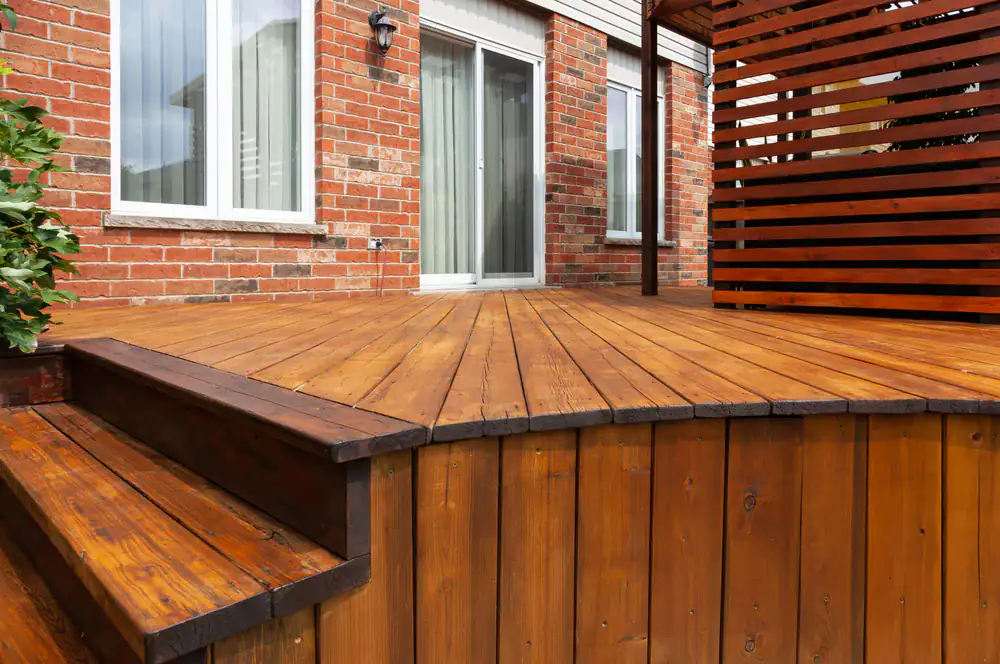
The most serious deck problems often hide where you can’t see them. Support posts rot from the inside out, especially where they meet the ground or attach to your house. Moisture gets trapped in these connections and does its damage slowly, silently.
Look underneath your deck with a flashlight. Check the joists—those horizontal beams that support your decking boards. Dark stains, soft spots, or areas where the wood feels spongy all signal moisture damage that needs professional attention.
Pay special attention to flashing around ledger boards where your deck attaches to your house. When this fails, water gets into places it shouldn’t, causing structural problems that can compromise your entire deck. You might notice gaps between your deck and house that weren’t there before, or boards that seem to be pulling away from the structure.
Don’t ignore hardware either. In Suffolk County’s coastal environment, metal fasteners corrode faster than you’d expect. Rusty nails, loose bolts, or brackets showing signs of corrosion mean it’s time to call in professionals who understand local climate challenges.
The key is catching these issues early. What starts as a small problem becomes a major safety hazard if left unchecked, and the repair costs multiply fast.
Long Island weather is particularly brutal on outdoor structures. The combination of humid summers, harsh winters, and salt air creates a perfect storm for deck deterioration.
Winter freeze-thaw cycles cause boards to expand and contract, creating gaps and loosening fasteners. You’ll notice this most in spring when boards that felt solid in fall now have give to them. Snow and ice sitting on your deck for months also trap moisture against the wood, accelerating rot in areas with poor drainage.
Summer humidity brings its own challenges. Mold and mildew thrive in Suffolk County’s sticky summers, especially on north-facing deck sections that don’t get direct sunlight. These aren’t just cosmetic issues—they indicate moisture problems that weaken your deck’s structure over time.
Salt air from Long Island Sound accelerates metal corrosion, meaning your deck’s hardware fails faster than it would inland. Railings, fasteners, and flashing all need more frequent inspection and replacement in coastal areas.
Storm damage is another reality for Suffolk County homeowners. High winds can lift loose boards or damage railings, while heavy rains expose drainage problems that cause water to pool on your deck surface. After major storms, always inspect your deck thoroughly before using it again.
The solution isn’t just fixing problems as they arise—it’s using materials and maintenance practices designed for our specific climate challenges.
Want live answers?
Connect with a Home Team Construction expert for fast, friendly support.
Some deck maintenance you can handle yourself. Cleaning, basic staining, and tightening loose screws are well within most homeowners’ capabilities.
But structural repairs? That’s different. When safety is on the line, you need professionals who understand local building codes and Suffolk County’s unique climate challenges.
Licensed contractors bring expertise you can’t get from YouTube videos. We know which materials work best in our weather, how to properly flash connections, and what local inspectors expect to see.

Professional deck repair starts with a comprehensive inspection that goes beyond what most homeowners can see. Licensed contractors check load-bearing capacity, measure for code compliance, and identify problems that might not be obvious to untrained eyes.
When we find rotted support posts, we don’t just patch the problem—we determine why moisture got there in the first place and fix the underlying cause. This might mean improving drainage, upgrading flashing, or replacing hardware with corrosion-resistant alternatives designed for Long Island’s coastal environment.
Structural repairs often require permits in Suffolk County, and we handle this paperwork for you. We know local requirements and ensure work meets current building codes, which is crucial for both safety and insurance purposes.
Professional contractors also have access to commercial-grade materials that aren’t available to homeowners. We use pressure-treated lumber rated for ground contact, stainless steel fasteners that resist salt air corrosion, and flashing systems designed for our climate.
The result is repairs that last. Instead of temporary fixes that fail within a few years, professional work addresses root causes and uses materials engineered for Suffolk County’s challenging conditions.
Most importantly, licensed professionals carry insurance that protects you if something goes wrong. When you’re dealing with structural work that affects your family’s safety, that peace of mind is worth the investment.
Sometimes your deck doesn’t need major structural work—it just needs professional restoration to look and function like new again. This is especially common with Suffolk County decks that have good bones but have suffered from years of weather exposure.
Professional deck restoration typically starts with power washing to remove years of dirt, mildew, and failed stain. This reveals the true condition of your wood and allows us to assess which boards need replacement versus which can be restored.
Sanding comes next, removing weathered surface wood and preparing boards for new stain or sealant. We use commercial-grade equipment that gets results you can’t achieve with consumer tools, creating smooth surfaces that accept stain evenly.
The final steps—staining and sealing—are where professional expertise really shows. We know which products work best in Suffolk County’s climate and how to apply them for maximum longevity. We understand that different deck areas need different approaches based on sun exposure, moisture levels, and foot traffic patterns.
Professional restoration also includes replacing damaged hardware with upgraded alternatives. This might mean switching to stainless steel fasteners, upgrading to composite deck boards in high-wear areas, or installing better drainage systems to prevent future moisture problems.
The timeline for professional deck restoration typically runs 3-5 days depending on your deck’s size and condition. Weather affects scheduling, especially during Suffolk County’s wet seasons, but we plan for these delays and communicate realistic timelines upfront.
When done properly, deck restoration can add 10-15 years to your outdoor space’s lifespan while dramatically improving its appearance and safety.
Your deck represents a significant investment in your home’s value and your family’s enjoyment. Protecting that investment means staying ahead of problems, not just reacting when things go wrong.
Regular inspections, prompt repairs, and professional maintenance when needed keep your outdoor space safe and beautiful for decades. In Suffolk County’s challenging climate, this proactive approach is the difference between a deck that lasts and one that becomes a constant source of worry and expense.
When you need professional help with deck repair, restoration, or maintenance, Home Team Construction brings the local expertise and quality materials your Suffolk County home deserves.
Article details:
Share:
Continue learning: