Hear From Our Clients
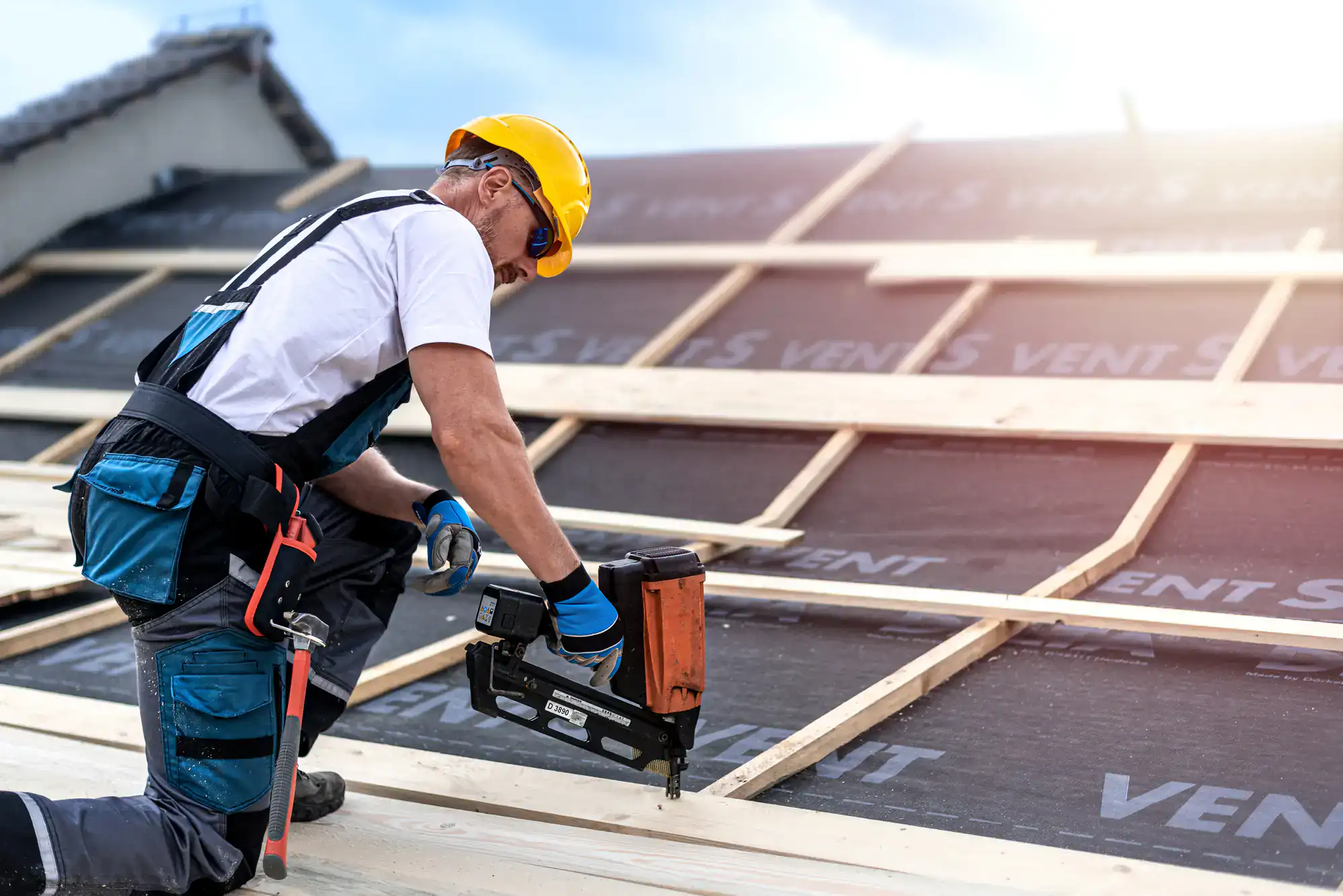
Living near North Sea Harbor means your roof isn’t just dealing with rain it’s dealing with salt air, wind-driven moisture, and freeze-thaw cycles that work against the materials year-round. Salt corrodes the metal fasteners holding your shingles in place long before the shingles themselves show any visible damage from the ground. By the time you notice something’s wrong, water may have already found a way in.
That’s the part most homeowners don’t catch until it’s a bigger problem. A roof that looks fine in October can have compromised flashing, lifted shingles, or deteriorating underlayment that a nor’easter will expose in February. On a North Sea property where median home values sit above a million dollars, a small roofing problem that gets ignored rarely stays small.
What you actually want is a roof you don’t have to think about. One that was installed or repaired correctly the first time, with materials selected for coastal exposure, by a contractor who documented what they found and what they did. That’s the standard every job we complete gets held to.
Home Team Construction is a family-owned exterior contractor serving Suffolk County for over ten years. We handle roofing, gutters, chimneys, siding, skylights, and decks which means when a nor’easter hits your North Sea property and takes out more than just shingles, you’re not calling three different companies to sort it out. One call covers it.
I’m Alban, the owner, and I’m the person you’ll deal with directly. My name comes up in customer reviews because I actually show up not just to quote the job, but to make sure it gets done right. That kind of accountability matters in a community as connected as North Sea, where reputation travels fast.
We’ve worked throughout the Town of Southampton and know what coastal exposure does to roofing systems on the South Fork. Whether your property is near Towd Point or off North Sea Road, we know the conditions your roof is dealing with and we build and repair accordingly.
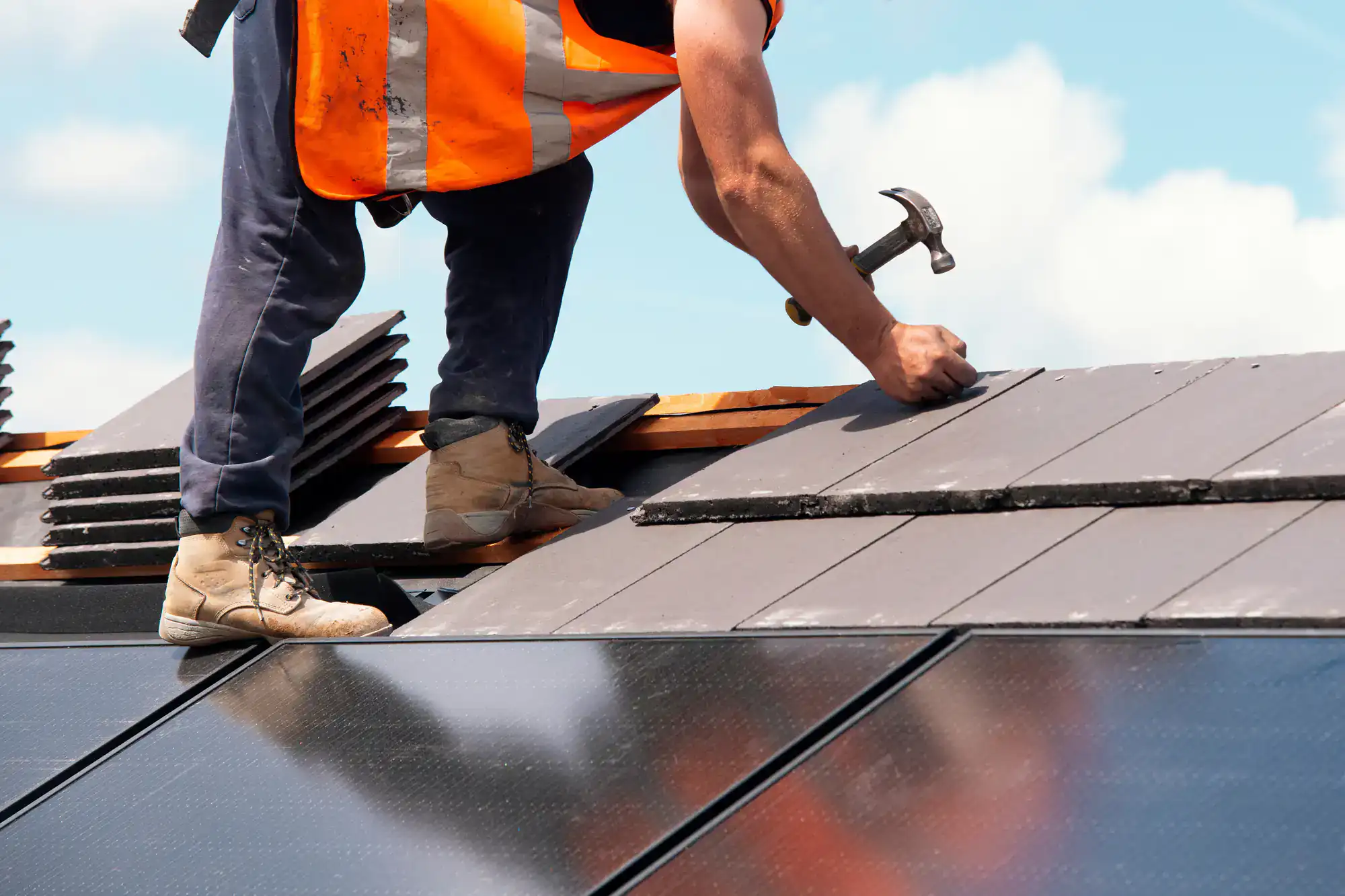
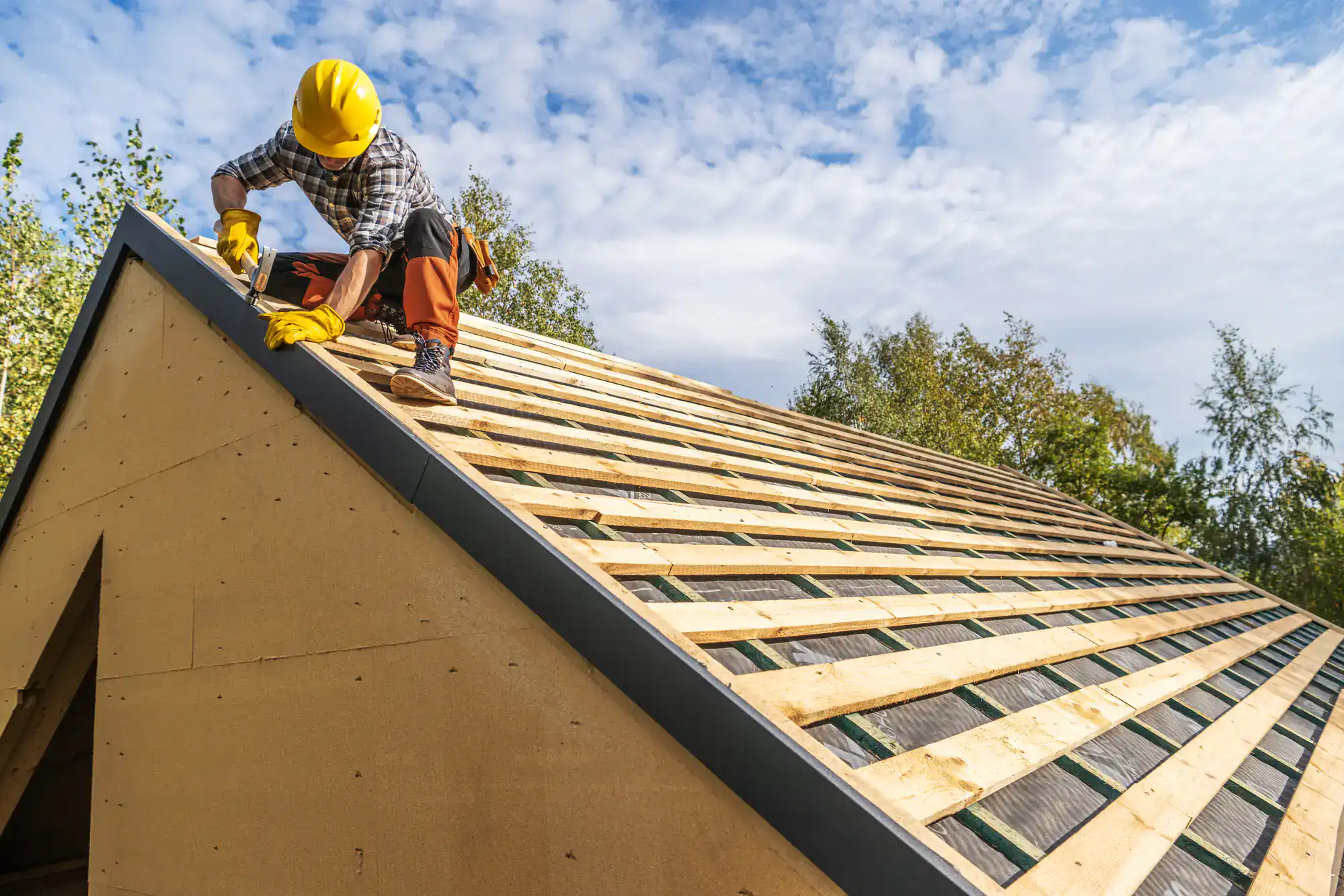
It starts with a real inspection not a quick glance from the driveway. We get on the roof, check the flashing, the underlayment, the ridge, the areas around your chimney and skylights, and anywhere water is likely to find an entry point. In North Sea, that often means paying close attention to the harbor-facing side of the roof and any low-slope areas where wind-driven rain can push moisture under shingles.
From there, you get a clear, written estimate before any work begins. The number we give you is the number you pay unless we find hidden structural damage once we’re into the job, in which case we stop, document it with photos, and explain it to you before moving forward. No surprises buried in the final invoice.
Once the work is underway, we keep the site clean and the communication consistent. Every completed project gets documented with photos and video so whether you’re on-site or managing your North Sea property from elsewhere, you can see exactly what was done. Under Southampton Town’s building code, most roofing material replacements don’t require a permit, but if your job involves structural work, we handle that process so you’re not left figuring it out on your own.
Ready to get started?
Roofing is the core of what we do, but it rarely stands alone. A full replacement, a storm repair, or even a routine inspection often uncovers connected issues gutters pulling away from the fascia, flashing that’s let moisture into the chimney chase, or siding that took wind damage in the same event that lifted your shingles. We handle all of it: roof repairs, full roof replacements, chimney work, gutters, skylights, siding, and decks.
For material selection, we work with both asphalt shingles and metal roofing depending on what makes sense for your property and your priorities. Metal roofing holds up particularly well in coastal environments like North Sea it resists salt air corrosion, handles wind loads better than standard shingles, and carries a longer lifespan that makes sense for high-value properties where you’re thinking long-term. Architectural shingles are a strong option for homeowners who want a durable, cost-effective solution with a clean finished look.
If you’re a seasonal homeowner who closes the property in the fall and returns in the spring, we also offer documented roof inspections that give you a clear written and visual record of your roof’s condition so you’re not discovering February’s damage in May when it’s already become a much larger repair.
The honest answer is that you often can’t tell just by looking from the ground. Missing shingles are obvious, but the damage that causes the most problems lifted flashing, cracked pipe boots, compromised ridge caps, or shingles that have shifted just enough to break the water seal isn’t visible without actually getting on the roof. After a significant nor’easter, which on the South Fork can bring sustained winds of 40 to 50 mph or higher, those kinds of failures are common.
If your property is near North Sea Harbor or along the Towd Point corridor, the wind exposure on the north-facing side of your roof is worth paying particular attention to. The best move after any major storm is to have us get up there and document what we find photos, written notes, the works. That documentation also matters if you’re filing a homeowners insurance claim, since carriers typically want evidence of the specific damage before approving a repair or replacement.
For properties with direct or near-direct exposure to North Sea Harbor and Peconic Bay, material selection matters more than it does for inland homes. Standard three-tab asphalt shingles tend to degrade faster in salt-air environments the granule loss accelerates, which leaves the underlying mat exposed to UV damage and moisture infiltration sooner than the rated lifespan would suggest.
Architectural shingles are a significant step up thicker, heavier, and better rated for wind resistance, which is a real factor on the South Fork. Metal roofing is the most durable option for coastal exposure: it doesn’t absorb moisture, it resists corrosion when properly coated, and it handles wind loads that would lift or crack other materials. The tradeoff is upfront cost, but on a North Sea property worth seven figures, the long-term math on a 50-year metal roof versus replacing asphalt shingles every 15 to 20 years is worth running. We’ll walk you through both options and what makes sense for your specific property.
For most standard roofing material replacements swapping out old shingles for new ones on the same deck Southampton Town generally does not require a building permit. That’s consistent with how most municipalities in New York State handle like-for-like roofing work, and it keeps the process straightforward for homeowners.
Where it gets more complicated is when the job involves structural repairs replacing damaged rafters, repairing or rebuilding the roof deck, or making any changes to the roof’s geometry or drainage. Those situations typically do require a permit from Southampton Town’s Building and Zoning Division. If we get into your job and find structural damage underneath the surface material, we’ll flag it, explain what’s required, and handle the permit process so it doesn’t become your problem to navigate. We’ve worked under Southampton Town’s jurisdiction long enough to know what triggers a permit requirement and how to move through it efficiently.
The standard answer for asphalt shingles is 20 to 30 years, but that range assumes average conditions and North Sea is not average conditions. Salt air, consistent wind exposure from both the harbor and ocean sides of the South Fork, and the freeze-thaw cycles that come with one to two months below freezing every winter all accelerate the wear on roofing materials faster than the manufacturer’s rated lifespan assumes.
In practice, homeowners in coastal Suffolk County communities often see meaningful degradation starting around the 15 to 20 year mark, particularly on the sides of the roof most exposed to prevailing weather. If your home was built during the Hamptons construction boom of the 1990s or early 2000s, there’s a real chance your original roof is approaching or past that window right now. An inspection will tell you where things actually stand not just how old the shingles are, but how much life is realistically left in the system given your property’s specific exposure.
Roof replacement costs in North Sea generally run higher than Suffolk County averages, for a few reasons. The cost of labor on the South Fork reflects the local market, material selection for coastal durability tends to push toward higher-grade products, and the complexity of many Hamptons-area homes steeper pitches, multiple dormers, chimneys, skylights adds labor time compared to a straightforward ranch-style roof.
As a general range, most residential roof replacements in this area fall somewhere between $12,000 and $25,000 depending on the size of the home, the material chosen, and what’s found once the old roofing is removed. Metal roofing will sit at the higher end of that range and beyond for larger properties, while architectural shingles on a mid-size home typically land in the middle. The only way to give you a real number is to see the roof we provide written estimates before any work starts, and the price we quote is the price you pay unless we uncover hidden structural damage, which we’ll always document and explain before proceeding.
Yes and for a lot of North Sea homeowners, this is exactly how it works. A meaningful number of properties in this area are managed by owners who aren’t on-site full-time, whether that’s a seasonal residence closed from fall through spring or a homeowner who’s in the city during the week and out on the weekends. Being physically present for a roofing job isn’t always realistic, and it shouldn’t have to be.
Every job we complete gets documented with photos and video the damage or condition we found before starting, the work in progress, and the finished result. You get a clear visual record of what was done and what materials were used, sent to you directly. That documentation also serves a practical purpose beyond peace of mind: if you ever need to make an insurance claim, sell the property, or simply want to know what was addressed and when, you have a real record to reference. You don’t need to be standing in your driveway on Towd Point Road for the job to get done right and for you to know it was.
Other Services we provide in North Sea