
Hear From Our Clients
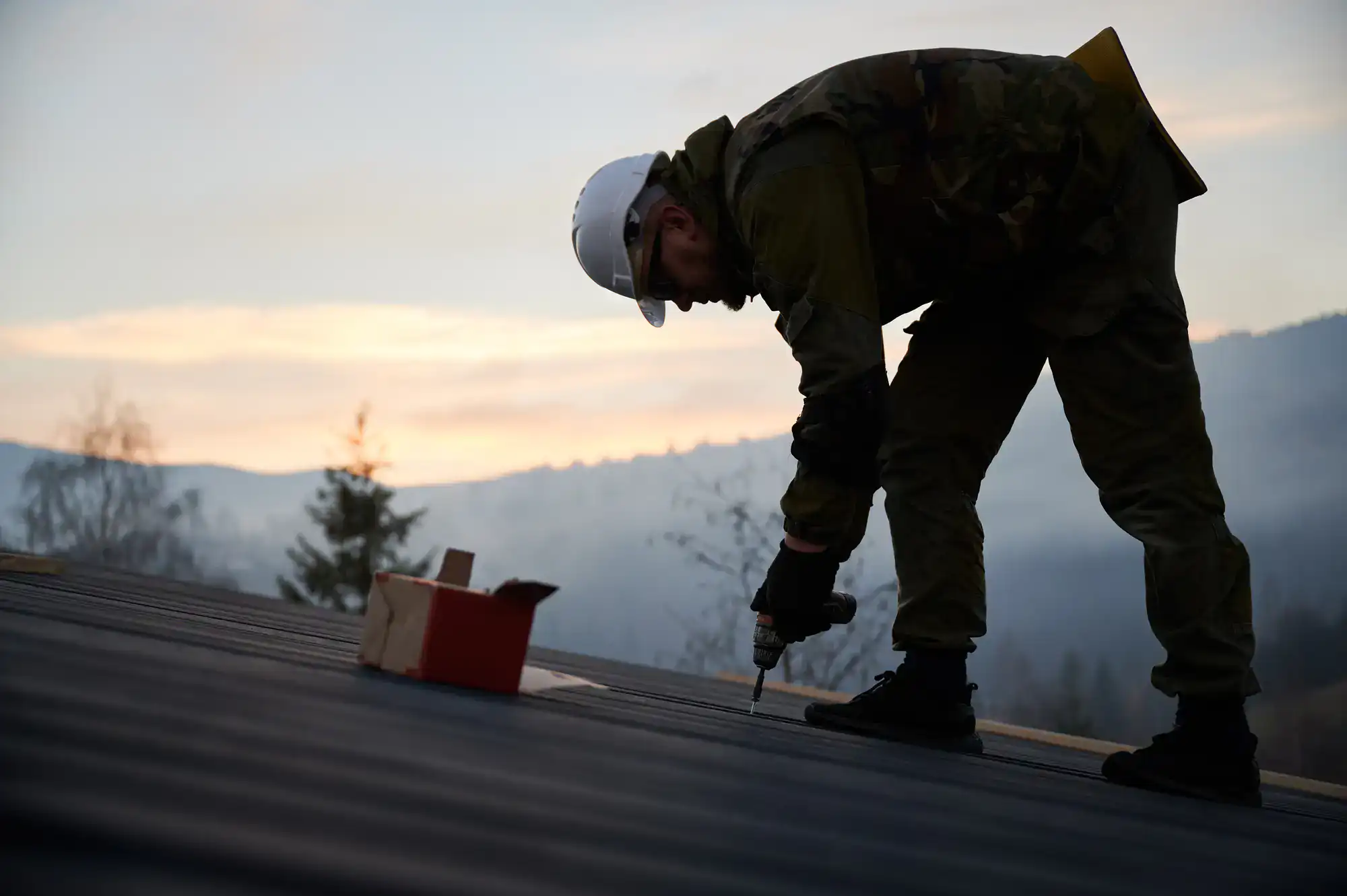
A roof that holds up in Lindenhurst isn’t just about shingles it’s about what’s underneath them, how the flashing is sealed, and whether the person who installed it understood what your home actually faces. The Great South Bay doesn’t just look nice from your backyard. That salt air works on your fasteners and granules year-round, quietly degrading the parts of your roof you can’t see from the ground. When that work is done correctly, you stop losing sleep every time a nor’easter rolls through between October and March.
For the mid-century ranches and hi-ranches that make up most of Lindenhurst’s housing stock, proper installation means understanding the specific vulnerabilities of those roof profiles low slopes, dormers, wide overhangs and addressing them before water finds its way in. A roof that was built or replaced without that context isn’t going to hold up the same way.
The difference you feel after a quality installation is straightforward: the next storm comes through, and nothing happens. No ceiling stains, no emergency calls, no scrambling to find someone available in the middle of January. That’s what you’re actually paying for.
We’re a family-owned exterior contractor based in Suffolk County, and we’ve been working on South Shore homes for over a decade. That means we’ve been here through the seasons that tested this area and we know what those conditions do to roofs, siding, and gutters on homes that sit near the water.
Lindenhurst is not a generic Long Island suburb. Between the American Venice canal neighborhoods, the post-Sandy rebuilding that’s still ongoing, and the specific flood zone compliance requirements the Town of Babylon enforces, this village has a roofing environment that demands real local experience. We’ve navigated it.
What makes us different isn’t a sales pitch it’s the fact that the owner is directly involved in every job, every quote is upfront before work starts, and every completed project gets documented with photos and video so you can see exactly what we did to your home. No guessing, no surprises.
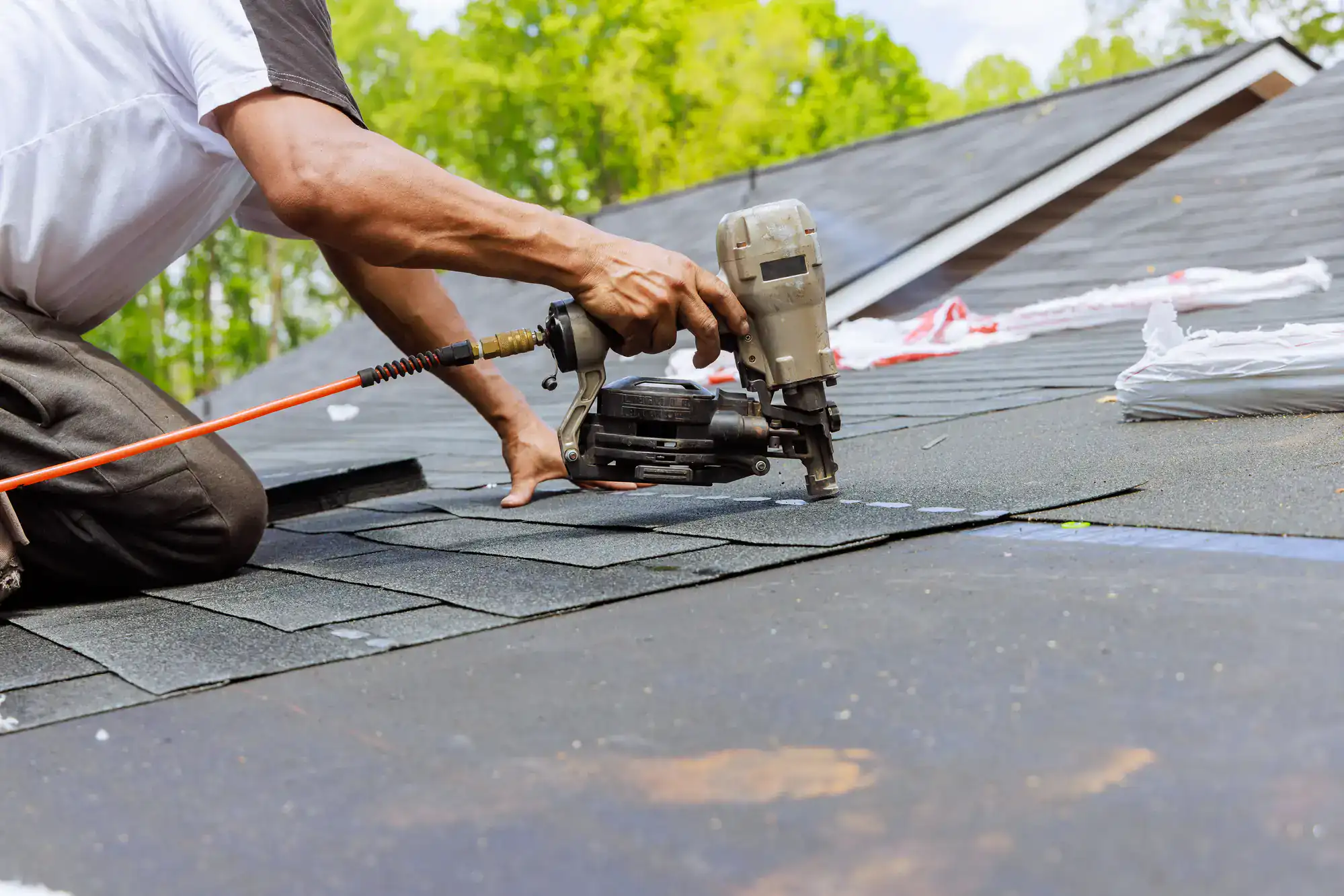
It starts with a roof assessment. We get eyes on the actual condition of your roof the deck, the flashing, the underlayment, the penetrations not just a glance at the shingles from the driveway. For homes in Lindenhurst’s waterfront zones, that inspection includes checking the areas most vulnerable to the bay moisture and wind exposure that South Shore properties deal with constantly.
From there, you get a written quote before anything starts. Every line item is explained. If we find structural damage under the surface once the tear-off begins, we show you what we found and explain the additional cost before we proceed not after. That’s not a policy we invented; it’s just how honest work gets done.
For full roof replacements in Lindenhurst, we handle the permit filing with the Town of Babylon Building Division on Sunrise Highway. That includes making sure the installation meets the code requirements for your specific property, including any FEMA flood zone compliance that applies to homes in the canal and bay-front neighborhoods. Once the work is complete, we walk through the finished job with you, provide the documentation, and make sure the final inspection gets scheduled and closed out correctly.
Ready to get started?
Roofing is where most of our work starts, but it rarely exists in isolation. A compromised chimney flashing affects the roof deck. Gutters that are pulling away from the fascia create water intrusion at the roofline. Siding gaps let moisture into the wall assembly and eventually show up as interior damage. For Lindenhurst homeowners especially those in the older ranch and Cape Cod homes that define most of the village these issues tend to travel together.
We handle roofing, siding, gutters, skylights, chimneys, and decks. That matters because when one contractor is responsible for your entire exterior, there’s no finger-pointing between trades when something goes wrong. You have one number to call and one person accountable for the result.
On the roofing side specifically, we work with asphalt shingles, metal roofing, and flat roof systems. Metal roofing is worth a real conversation for Lindenhurst homeowners near the canals and bay the corrosion resistance and wind performance of a properly installed metal roof is meaningfully better than asphalt in a coastal environment, and the long-term cost math often favors it. Whatever material fits your home and your budget, we’ll give you a straight answer on what will actually hold up here not just what’s easiest to install.
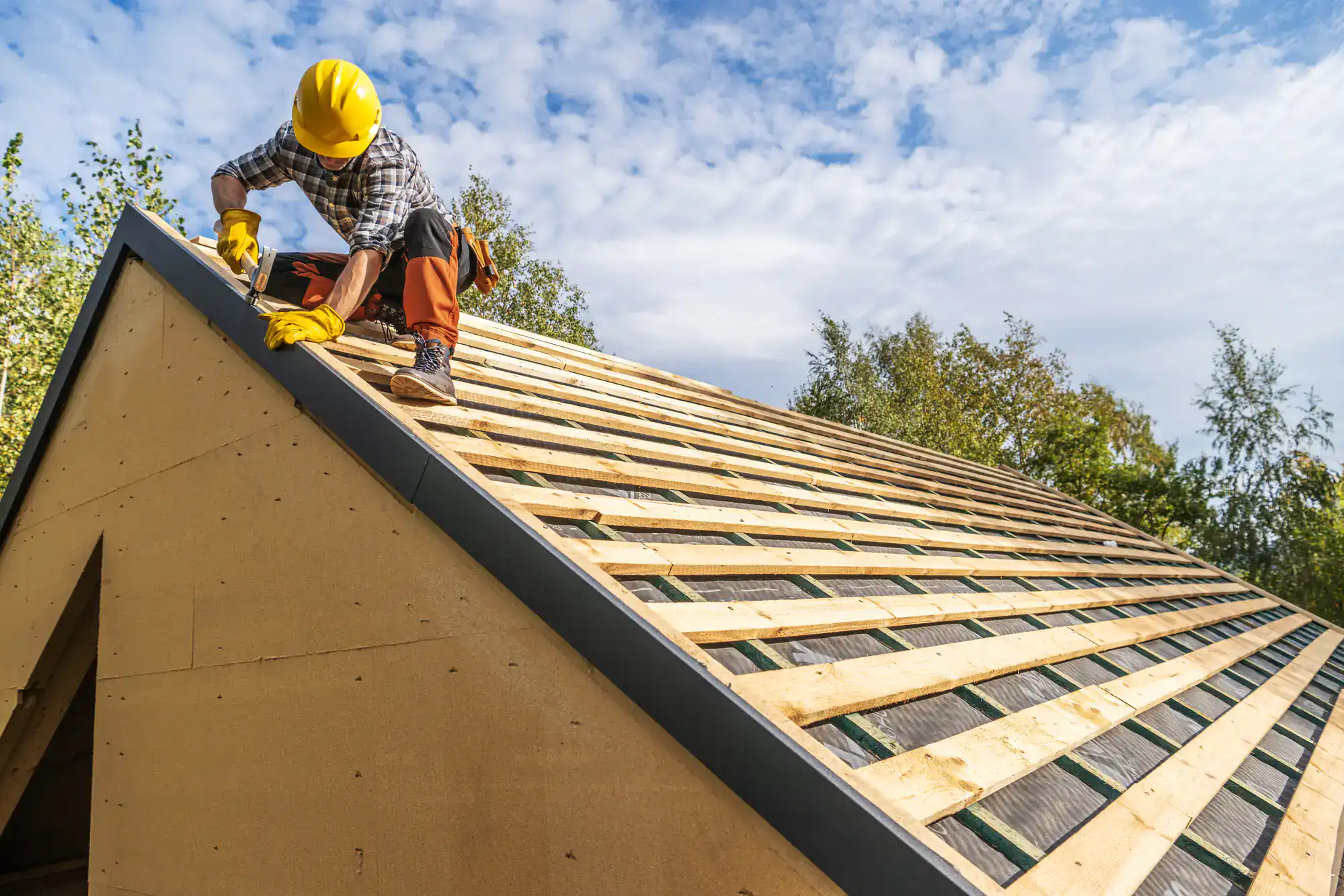
Yes a building permit is required for a full roof replacement in Lindenhurst. The permit is filed through the Town of Babylon Building Division, located at 200 E. Sunrise Highway in Lindenhurst. The application requires your contractor’s New York State Home Improvement Contractor license number, a site plan showing the home’s footprint, and a completed building permit application. Fees typically run between $150 and $350 depending on the estimated cost of the project.
The Town of Babylon is generally one of the more efficient western Suffolk County towns for permit processing approvals typically come through in five to ten business days under normal conditions. A final inspection is required after the installation is complete. For homes in FEMA flood zones which includes many properties in the American Venice and Venetian Shores canal neighborhoods there are additional compliance requirements tied to the Substantial Damage rule that your contractor needs to be familiar with. We handle the permit filing as part of the job so you’re not navigating that process on your own.
The standard answer for asphalt shingles is 20 to 30 years, but that range assumes average conditions and Lindenhurst’s canal-side and bay-adjacent neighborhoods don’t have average conditions. Salt air from the Great South Bay accelerates granule loss on shingles and corrodes the metal fasteners that hold them in place, often years before the shingles themselves show visible wear from the ground. Homes in the American Venice area or along the Venetian Shores canal network face this exposure constantly, not just during storms.
In practice, a roof on a waterfront Lindenhurst property may need inspection and maintenance on a shorter cycle than the same roof on a home in an inland Suffolk County town. The honest answer is that the lifespan depends heavily on the quality of the original installation, the underlayment and ice-and-water barrier used, and whether the flashing was done correctly. A roof that was installed with coastal conditions in mind will outlast one that wasn’t sometimes by ten years or more.
For most Lindenhurst homeowners, the conversation comes down to architectural asphalt shingles versus metal roofing. Architectural shingles are the most common choice and perform well when installed correctly with proper underlayment and flashing they’re cost-effective and widely available. But for homes that sit close to the canals or the Great South Bay, metal roofing is worth a serious look. Metal doesn’t absorb moisture, it’s significantly more resistant to the corrosion that salt air causes, and a properly installed standing seam metal roof can handle the wind loads that nor’easters deliver without the fastener degradation that asphalt systems experience over time.
The tradeoff is upfront cost metal roofing runs higher than asphalt on the initial installation. But when you factor in the compressed lifespan that coastal exposure puts on asphalt, the long-term math often shifts. We’ll walk you through both options honestly based on your specific home, your location within the village, and your budget. There’s no one-size-fits-all answer, but there is a right answer for your situation.
The damage that matters most after a nor’easter isn’t always visible from the ground. Missing shingles are obvious, but the more costly problems lifted flashing, cracked ridge caps, compromised underlayment at penetrations, and loosened chimney step flashing often don’t show up as a visible leak until water has already been working its way into the roof assembly for weeks or months. By the time you see a ceiling stain, the damage is further along than the stain suggests.
After any significant storm event in Lindenhurst and with two to three flooding events per year in the canal neighborhoods alone, plus the full nor’easter season running October through March, those events are regular a visual inspection from a contractor is worth doing even if nothing looks wrong from the street. We check the flashing, the ridge, the valleys, the penetrations, and the condition of the deck where accessible. If there’s damage, we document it with photos so you have a record for your insurance carrier. If there isn’t, you’ll know that too.
A repair makes sense when the damage is isolated a section of flashing that’s lifted, a few shingles that were lost in a storm, a single valley that’s showing wear. If the rest of the roof has meaningful life left and the underlying deck is sound, a targeted repair done correctly will hold. The key phrase there is “done correctly” a patch that addresses the symptom without fixing the root cause is just buying time until the next storm reveals the same problem somewhere adjacent.
Replacement becomes the right conversation when the roof is approaching or past its realistic lifespan, when granule loss is widespread across multiple slopes, when you’re finding soft spots in the deck during inspection, or when you’ve repaired the same areas more than once. For Lindenhurst’s mid-century housing stock the majority of homes in the village were built in the 1940s through 1960s many roofs are on their second or third installation. If your home is in that category and you’ve been patching for a few years, a full replacement is often the more cost-effective decision over a three-to-five-year horizon.
In New York, roofing contractors are required to hold a Home Improvement Contractor (HIC) license issued by the state. You can verify a contractor’s license through the New York State Department of State’s online license lookup tool it’s free and takes about two minutes. Beyond the state license, contractors working in the Town of Babylon need to carry comprehensive general liability insurance and workers’ compensation coverage. Ask for certificates of insurance directly, not just a verbal confirmation, and make sure the coverage amounts are current.
In Lindenhurst specifically, this matters more than in some other communities. The village has seen its share of contractors who appeared after Sandy, did questionable work, and moved on before problems surfaced. A licensed, insured contractor with a verifiable track record in Suffolk County is not the same as someone who showed up for storm season. We carry the required state license and full insurance coverage, and we’re happy to provide documentation before any work starts. That’s a basic expectation not a favor.
Other Services we provide in Lindenhurst