Hear From Our Clients
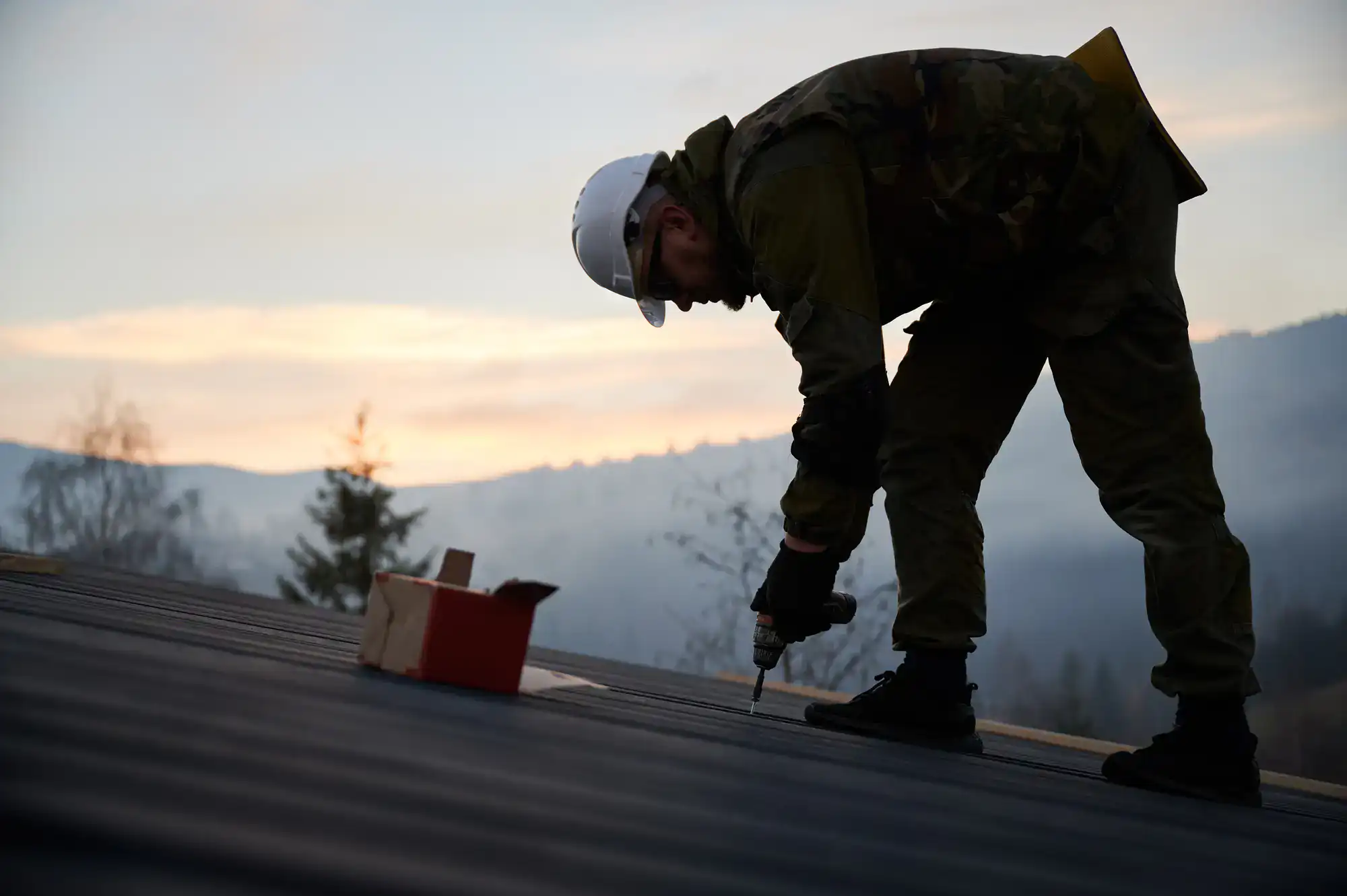
Most Babylon homeowners don’t think about their roof until water shows up somewhere it shouldn’t. By then, the damage has usually been building for a while under shingles, in the decking, behind flashing that salt air quietly corroded over the last few winters. Getting ahead of that isn’t just about avoiding a repair bill. It’s about protecting a home that’s worth protecting.
Babylon Village homes carry a median value north of $826,000. That’s not a number that leaves room for a contractor who cuts corners on materials or skips the details that matter in a coastal environment. When your roof is done right with proper ice and water barrier installation, corrosion-resistant flashing, and materials rated for the wind exposure that comes off the bay you stop patching and start having a roof that actually works.
The homes in Babylon were mostly built between the 1940s and 1960s. A lot of them have been re-roofed once, maybe twice. What they often haven’t had is a contractor who looked at the whole picture ventilation, decking condition, flashing at every penetration and addressed it properly. That’s the difference between a roof that lasts 15 years and one that lasts 30.
We’re a family-owned exterior contractor based in Suffolk County, and we’ve been working on Babylon and South Shore roofs for over a decade. We’re not a franchise, not a storm-chasing crew that showed up after Sandy and stuck around. We’re a small team with a named owner Alban who stays involved in every project and is reachable when you have a question after the job is done.
We’ve worked on homes throughout Babylon Village and the broader South Shore, and we know what this area’s weather actually does to a roof over time. The salt coming off the Great South Bay, the nor’easters that hit hard every fall and winter, the older housing stock that needs more than a surface-level look we’ve seen it all, and we know how to handle it.
Every project we complete is documented with photos and video, before and after. You’ll know exactly what went on your roof, what condition your decking was in, and what was done to address it. That’s not a bonus it’s just how we work.
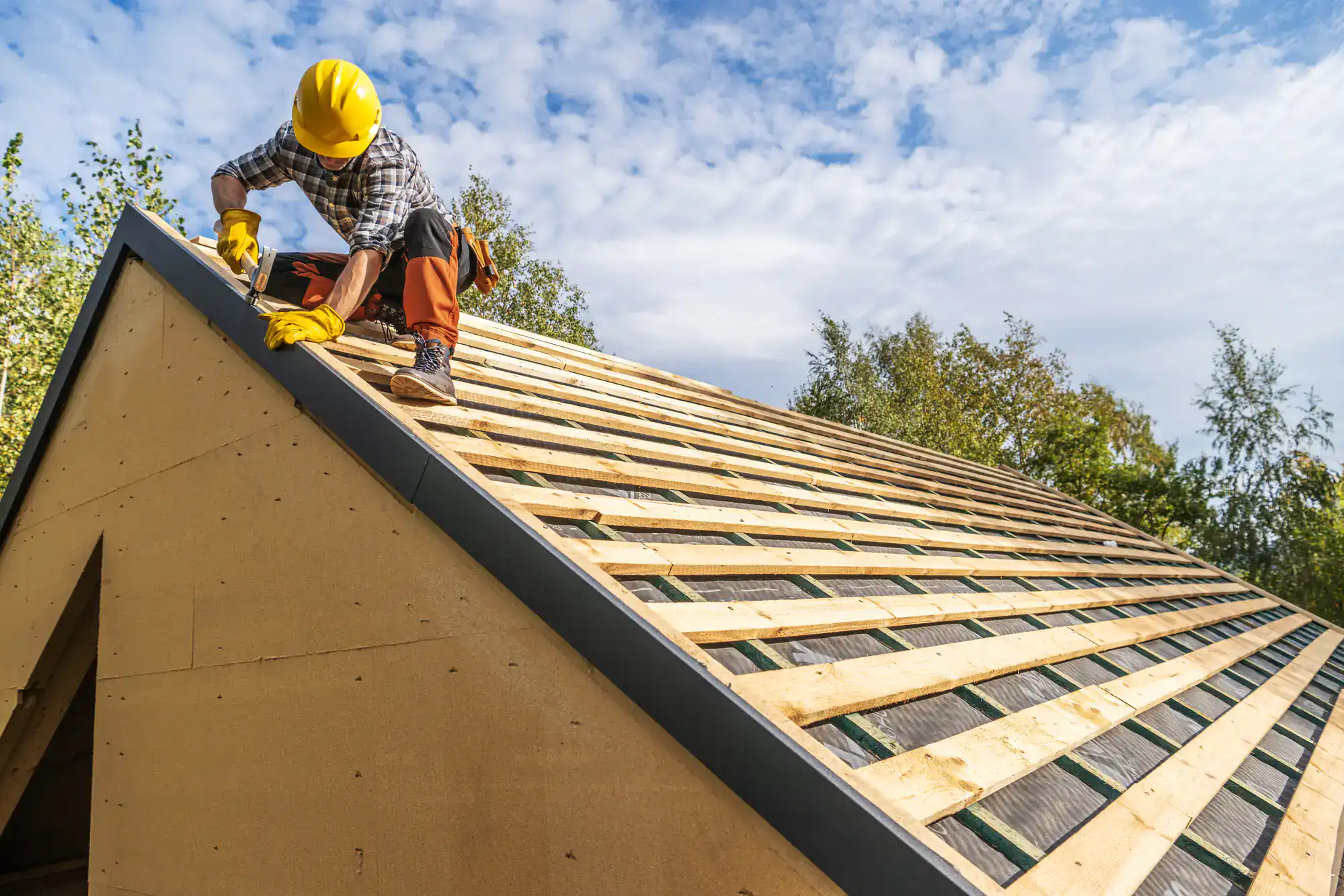
It starts with a real inspection not a sales visit. We get on the roof, check the decking, look at every flashing joint, assess the ventilation, and give you an honest picture of what’s there. If it needs repair, we tell you what and why. If replacement makes more sense, we explain that too, with a written price before anything starts.
Once you approve the scope and pricing, we handle the permit process with the Village of Babylon Building Department. Because Babylon is an incorporated village, your permit goes through the village’s own building department not the Town of Babylon’s office. That’s a distinction a lot of contractors miss, and it causes delays. We know the difference, we know the process, and we handle the paperwork so you don’t have to chase it down yourself.
On the job, we do a full tear-off, inspect the decking once it’s exposed, and address anything that needs attention before a single new shingle goes down. If we find rotted decking or compromised sheathing from years of bay moisture, we stop, show you what we found, give you a written cost, and wait for your approval before moving forward. When we’re done, we clean up completely nails, debris, packaging, all of it. Babylon Village is a well-kept community, and we treat it that way.
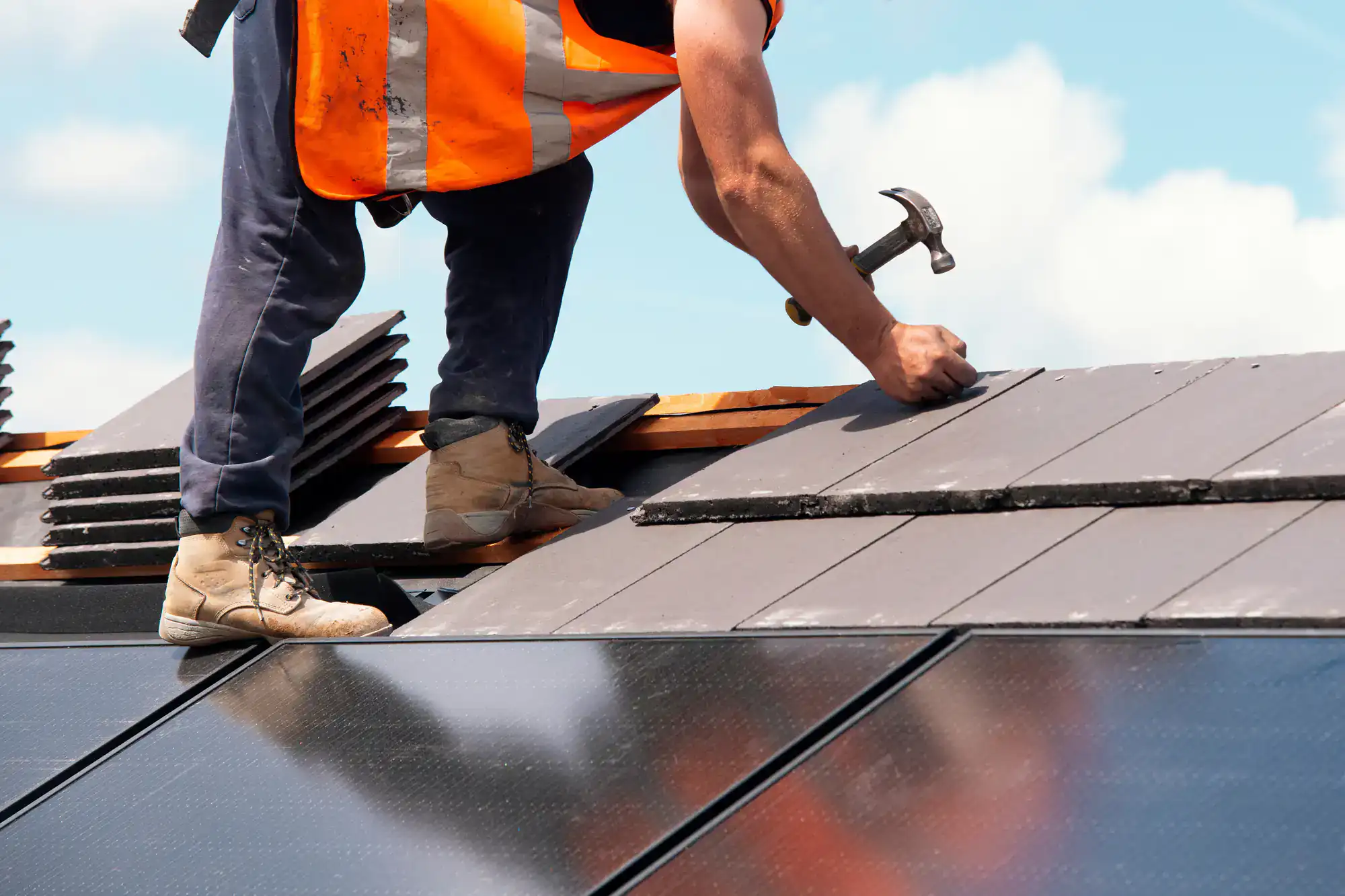
Ready to get started?
Roof replacement is the core of what we do, but it’s rarely just about shingles. On a South Shore home in Babylon especially one built in the 1950s or 1960s there are usually a few layers to the conversation. We handle full tear-offs, decking repair or replacement, ice and water barrier installation along every eave and valley, proper drip edge and flashing at all penetrations, and ridge ventilation that actually works. For homeowners who want longer-term durability against Babylon’s coastal conditions, we also install metal roofing systems that hold up against salt air and wind far better than standard asphalt over a 30- to 40-year horizon.
Beyond the roof itself, we handle gutters, siding, skylights, chimney work, and decks. That matters because storm damage in Babylon rarely stops at the roof line. A nor’easter that lifts shingles usually takes a section of gutter with it and drives water behind the fascia. Having one contractor who can assess and repair the full exterior instead of three separate vendors pointing fingers at each other saves time and removes a lot of headaches.
Roof repair is also available for situations that don’t require a full replacement. Flashing failures, isolated shingle damage, leak investigation, and emergency repairs after storm events are all part of what we do. If you’re not sure whether you need a repair or a replacement, the inspection will tell you and we’ll give you a straight answer either way.
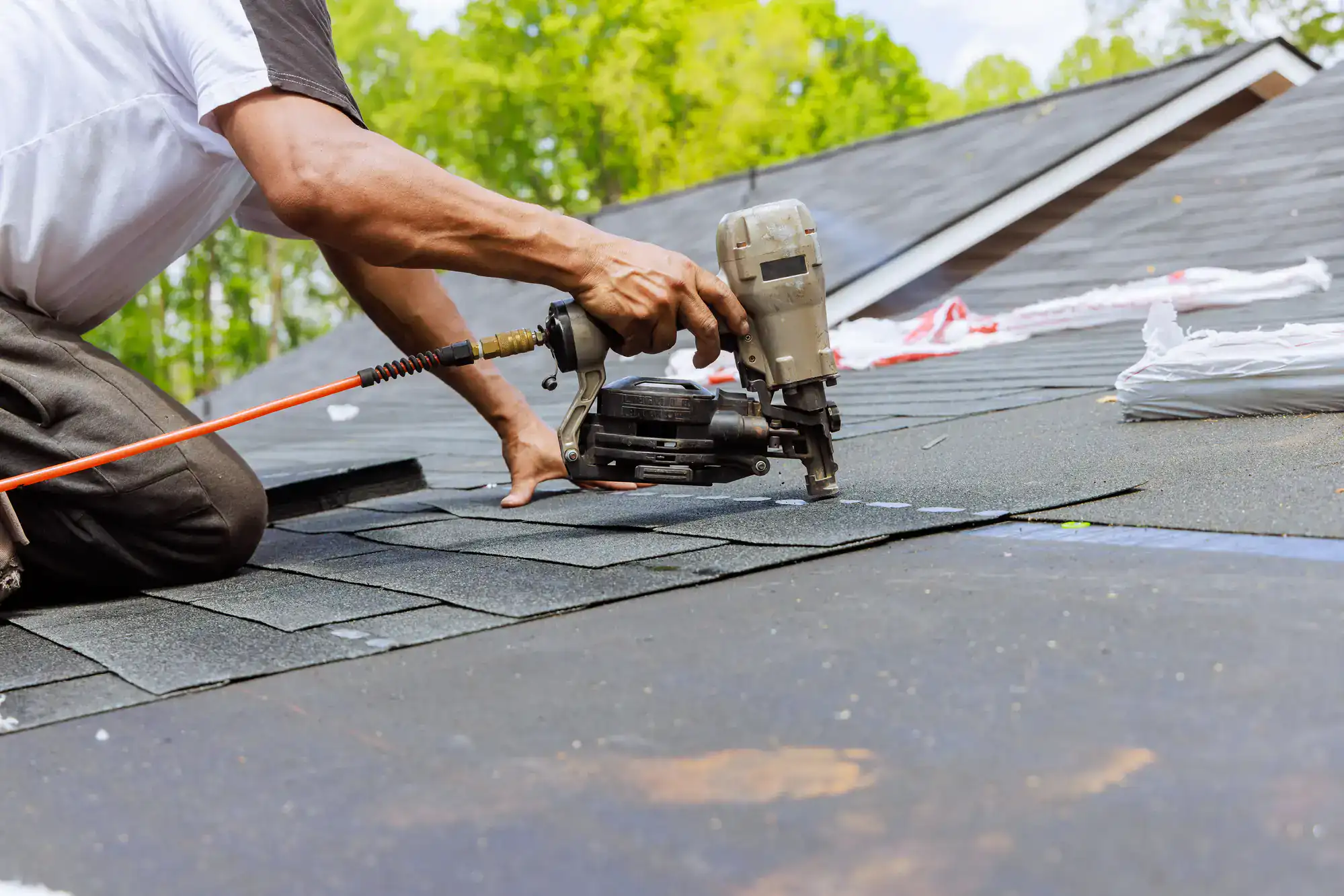
Yes a full roof replacement in Babylon Village requires a building permit, and it’s worth understanding how the process works here specifically. Because Babylon is an incorporated village, your permit goes through the Village of Babylon Building Department, not the Town of Babylon’s building division. These are two separate offices with different requirements, different fee schedules, and different inspection processes. Contractors who don’t know the difference sometimes submit to the wrong office, which causes delays and can push your project back by weeks.
The Village of Babylon Building Department accepts submissions in person. A complete application includes a signed and notarized permit application, your contractor’s Home Improvement Contractor license, and certificates of workers’ compensation, disability, and liability insurance. Processing typically takes two to four weeks for a complete submission. Unpermitted roof work creates real problems fines, failed resale inspections, and potential requirements to redo the work entirely. We handle the permit process on every full replacement we complete in Babylon Village, from application through inspection scheduling.
In a standard inland environment, a quality asphalt shingle roof might last 25 to 30 years. On the South Shore in a place like Babylon Village, where you’re dealing with salt air off the Great South Bay, regular nor’easters, coastal humidity that sits at or above 79%, and freeze-thaw cycling every winter that number comes down. Realistically, you’re looking at 20 to 25 years for a standard three-tab or architectural shingle roof if it was properly installed and the ventilation is correct. Roofs that were installed without adequate ice and water barrier, or on homes with poor attic ventilation, often show significant wear well before that.
Salt air is the factor most Babylon homeowners underestimate. It doesn’t just affect the surface of the shingles it attacks the metal fasteners holding them in place and accelerates granule loss that leaves the underlying mat exposed to UV degradation. If your home is within a half-mile of the bay, that process happens faster. Metal roofing systems hold up significantly better in this environment and are worth considering if you’re planning to stay in the home long-term.
Some storm damage is obvious missing shingles, visible daylight from the attic, water stains on ceilings. But a lot of nor’easter damage on Long Island is less visible from the ground and only shows up over time. The most common signs to look for after a significant storm include granules collecting in your gutters or downspout discharge areas, lifted or creased shingles that look intact but have broken the seal underneath, and flashing that has pulled away from chimneys, skylights, or roof-to-wall transitions.
In Babylon, the combination of wind direction and bay-driven rain means water often gets pushed under shingles from the northeast the direction most nor’easters approach from. That’s why leaks sometimes appear on the north or east-facing slopes of a roof first. If you notice any water intrusion inside the home, even a small drip or a ceiling stain that wasn’t there before the storm, don’t wait on it. Water in the decking during winter leads to ice dam damage, mold in the attic, and structural deterioration that compounds with every subsequent storm.
Roof replacement costs in Babylon Village generally range from $12,000 to $25,000 for a standard residential home, depending on the size of the roof, the pitch, the materials selected, and what’s found underneath once the tear-off is complete. Homes in the village tend to be larger than the Long Island average, and many have multiple roof planes, dormers, or architectural details that add to the complexity and the labor involved.
Material choice makes a significant difference. Standard architectural asphalt shingles sit at the lower end of that range. Impact-resistant shingles which hold up better against the hail and wind debris that comes with nor’easters cost more but can also qualify for homeowners insurance discounts in coastal zones. Metal roofing systems run higher, typically $20,000 to $35,000 or more depending on the system, but they carry a 40- to 50-year lifespan that makes the math work differently over time. If decking replacement is needed which is common on Babylon’s older homes that adds to the final cost. We price everything in writing before we start, so there are no surprises at the end.
For homes in Babylon Village and along the South Shore generally, material selection matters more than it does for an inland community. Standard three-tab asphalt shingles are the most affordable option but tend to degrade faster in salt air environments granule loss accelerates, and the underlying mat can become brittle within 15 years on a home with significant bay exposure. Architectural (dimensional) shingles perform better because of their heavier construction, but they’re still asphalt and still subject to the same salt-driven degradation over time.
Impact-resistant asphalt shingles Class 3 or Class 4 rated are a strong middle-ground choice for Babylon homeowners. They’re designed to handle wind and impact, and their denser construction holds up better against the coastal environment. For homeowners who want the longest-term solution, standing seam metal roofing is the most durable option available. It doesn’t have granules to lose, it handles wind uplift significantly better than any shingle product, and it’s not affected by salt air corrosion the way exposed metal fasteners in standard roofing systems are. The upfront cost is higher, but for a home you plan to stay in, it’s worth the conversation.
Yes and older homes are actually where the inspection process matters most. Nearly 78% of homes in Babylon Village were built before 1970, and a significant share predate 1939. These homes were constructed before modern ventilation standards, before ice and water barrier requirements became code, and before the roofing materials and installation practices we have today. What that means practically is that when you open up an older Babylon roof, you often find undersized ridge venting, original board sheathing that has absorbed decades of moisture, and flashing details that were never installed to current standards.
We don’t skip that part of the process. Before new materials go on, we assess what’s underneath decking condition, ventilation, existing underlayment, flashing at every penetration. If we find something that needs to be addressed, we document it, show you what we found, and give you a written price before we proceed. On a pre-1960s Cape Cod or colonial in Babylon Village, that upfront inspection is what separates a roof that lasts 25 years from one that starts leaking in five. We’ve worked on enough of these homes to know what to look for, and we don’t cut corners on the foundation just to get the shingles on faster.
Other Services we provide in Babylon