
Hear From Our Clients

You’re not looking for the cheapest fix. You want your roof problem actually solved so you can stop thinking about it every time rain’s in the forecast.
That’s what proper roof repair does. It eliminates the stress of wondering if that leak will come back, if the patch will hold, or if you’ll wake up to water stains spreading across your ceiling. When we repair your roof, we’re addressing the root cause—not just covering symptoms.
St. James sits right in the path of nor’easters and coastal storms that test roofing systems harder than most of the country experiences. Your repair needs to account for wind-driven rain, salt air corrosion, temperature swings from the low 20s to the low 80s, and ice damming from heavy snowfall. We use materials engineered for these specific conditions and installation methods that have proven themselves through dozens of Long Island storm seasons.
You get a roof that protects your home and your family without requiring constant attention or repeated service calls.
Home Team Construction has been handling roof repairs throughout St. James and Suffolk County for over a decade. We’re the contractors your neighbors call when they need their roof fixed right.
We know what Long Island weather does to roofs because we see it every day. The combination of coastal storms, salt air, and temperature extremes creates problems that generic repair approaches simply don’t address. Our team uses this local knowledge to identify issues other contractors miss and recommend solutions that actually last.
When you call us, you’re working with licensed contractors who understand the specific challenges St. James homeowners face. We document everything with photos, explain what we find in plain language, and give you options that make sense for your situation and budget.
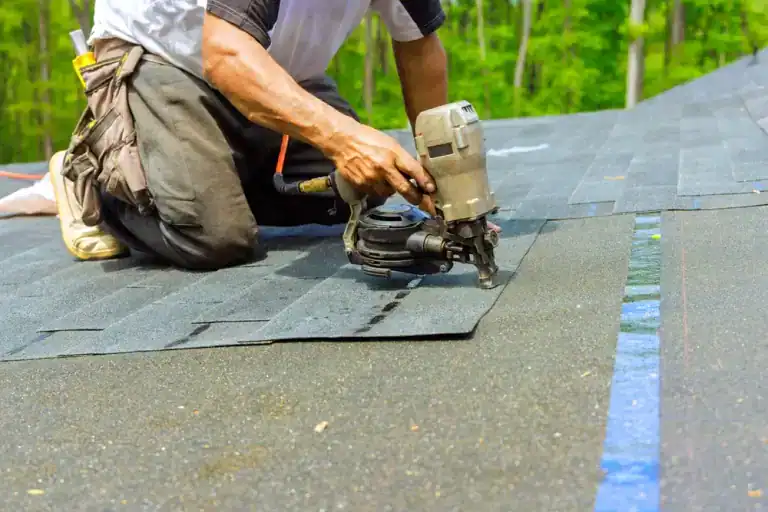
First, we inspect your roof to find the actual problem—not just where you see water inside. Leaks often show up far from their source, especially with flashing failures or wind-driven rain. We document everything with photos so you can see exactly what’s wrong.
Then we explain what needs to happen and why. You’ll understand the difference between a temporary fix to stop active leaking and the permanent repair that addresses the underlying issue. We give you a clear timeline and cost estimate with no surprises.
For emergency situations, our goal is to get your roof weather-tight within 48 hours. That might mean tarping or temporary sealing while we order the right materials for your permanent repair. We don’t rush the final work—we do it right.
The permanent repair uses materials specifically chosen for Long Island’s coastal climate. We’re talking about corrosion-resistant flashing, storm-rated shingles, and proper underlayment that can handle the moisture and temperature changes your roof endures. Once we’re done, you get documentation of the completed work and guidance on what to watch for going forward.
Ready to get started?
Every roof repair starts with a thorough inspection of the damaged area and surrounding sections. We’re looking for hidden damage that homeowners typically can’t see from the ground—compromised underlayment, damaged decking, failed flashing connections, or areas where previous repairs didn’t hold up.
You get detailed photo documentation of everything we find. This matters for insurance claims, but it also helps you understand what you’re paying for and why certain repairs are necessary. We’ve seen too many homeowners get burned by contractors who fix the obvious problem while ignoring underlying issues that will fail in six months.
St. James homes face unique challenges from their proximity to the Long Island Sound. Salt air accelerates metal corrosion. Coastal storms drive rain horizontally into areas that standard installations don’t protect. Temperature swings cause expansion and contraction that loosen connections over time. Your repair needs to account for all of this, which is why we use materials and methods specifically proven in coastal environments.
For storm damage, we work directly with your insurance company. We know what adjusters look for and how to document damage so you receive fair compensation for necessary repairs. This includes identifying covered damage that isn’t immediately obvious—like compromised underlayment or structural issues that developed from prolonged exposure.
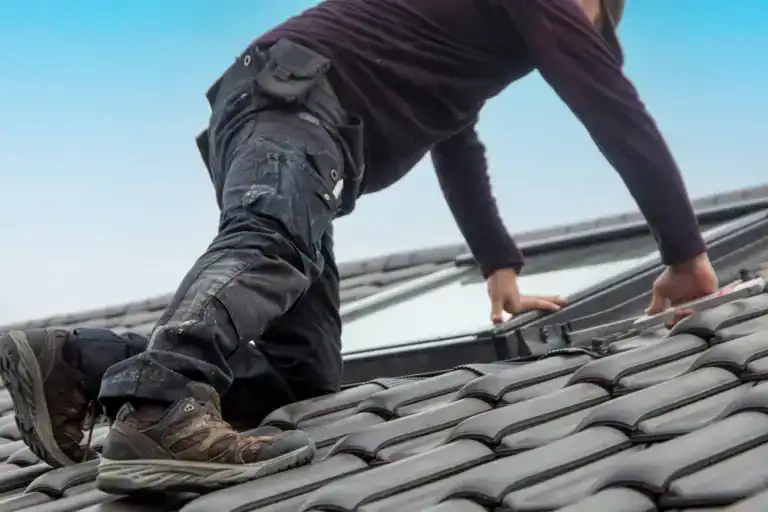
Most roof repairs in St. James run between $500 and $2,000, depending on what’s actually wrong. A few missing shingles or a small flashing repair sits on the lower end. Extensive leak damage that’s compromised your decking or requires significant shingle replacement pushes costs higher.
Here’s what actually affects your price: the extent of damage, the materials your roof requires, and how accessible the problem area is. A simple valley flashing repair might cost $600. That same repair on a steep roof with multiple levels could run $1,200 because of the additional safety equipment and labor time required.
St. James homes often need coastal-grade materials that cost more upfront but last significantly longer in salt air and harsh weather. Standard flashing might save you $100 today, but it’ll corrode and fail within a few years. Corrosion-resistant materials cost more initially but eliminate the need for repeated repairs.
We provide detailed estimates that break down exactly what you’re paying for. No vague line items or surprise charges after we start work.
Yes. Storm damage doesn’t wait for business hours, and neither do we. When you have active leaking during a storm, our priority is stopping water intrusion as quickly as safely possible.
During severe weather, we focus on emergency stabilization—tarping, temporary sealing, or whatever’s needed to prevent additional damage to your home’s interior. Once conditions improve, we return to complete the permanent repair properly. Rushing final work in bad weather often creates more problems than it solves.
Our goal is response within a few hours for true emergencies. That doesn’t always mean we can get on your roof immediately if conditions are dangerous, but we can assess the situation, provide guidance on minimizing interior damage, and schedule the repair as soon as it’s safe to work.
Keep in mind that major storms create high demand for emergency services. Homeowners who’ve established a relationship with a local contractor typically get faster response than those calling around during the crisis. That’s one reason to address known roof issues before storm season hits.
It depends on what caused the damage and what your policy covers. Most homeowners insurance covers sudden damage from storms, falling trees, or other unexpected events. Gradual deterioration from age or lack of maintenance typically isn’t covered.
Here’s what matters for your claim: documentation and timing. Take photos of damage from multiple angles as soon as you discover it. Keep records of weather conditions from local news or weather services. Contact your insurance company within 24 to 48 hours—delays can complicate claims.
We work directly with insurance companies and know what adjusters need to see. We document all damage thoroughly, including hidden issues like compromised underlayment that aren’t immediately visible from the ground. This ensures you receive fair compensation for all necessary repairs, not just the obvious problems.
Insurance claims for St. James properties often involve wind damage, hail impact, or ice damming—all common in our coastal climate. We’ve handled hundreds of these claims and can guide you through the process so you’re not fighting with your insurance company while also trying to get your roof fixed.
Most roof repairs take one to three days from start to finish, depending on the scope of work and weather conditions. A straightforward shingle replacement or flashing repair might be done in a single day. More extensive repairs that involve decking replacement or multiple problem areas take longer.
Weather plays a huge role in timing. We can’t install certain materials in rain or extreme temperatures, and working on wet or icy roofs creates safety hazards we won’t accept. If weather delays your repair, we’ll keep you updated and reschedule as soon as conditions improve.
For emergency situations, we prioritize getting your roof weather-tight quickly, then schedule the permanent repair based on material availability and weather windows. This two-stage approach prevents additional damage while ensuring the final work is done properly.
Material availability also affects timing. Standard asphalt shingles are usually available immediately. Specialty materials like metal roofing components or specific architectural shingles might require ordering, which can add several days to the timeline. We’re upfront about these timelines during the estimate process so you know what to expect.
Repair addresses specific damaged areas while leaving the rest of your roof intact. Replacement removes your entire roof system down to the decking and installs everything new. The right choice depends on your roof’s overall condition, age, and the extent of current problems.
Repair makes sense when damage is localized and your roof is relatively young. If you’ve got a ten-year-old roof with storm damage in one section, repairing that area is usually the smart financial move. You’re looking at hundreds or low thousands instead of $15,000 to $25,000 for full replacement.
Replacement becomes the better option when you’re dealing with widespread issues, a roof approaching the end of its lifespan, or repeated repairs that keep adding up. If your roof is 20-plus years old and you’re fixing a new problem every year, replacement stops the cycle and gives you decades of protection.
Here’s what we actually do during inspections: we assess your entire roof, not just the problem area. We’ll tell you honestly whether repair makes sense or if you’re throwing money at a roof that needs replacement. Some contractors push replacement because it’s more profitable. We recommend what actually makes sense for your situation because we live in this community and our reputation matters.
Flashing failures top the list. St. James’s coastal climate is particularly hard on flashing—salt air accelerates corrosion while temperature swings cause metal to expand and contract repeatedly. Over time, this creates cracks, loose connections, and gaps where water penetrates. Flashing around chimneys, skylights, and roof valleys fails more frequently here than in inland areas.
Wind damage from coastal storms is the second major issue. Nor’easters and occasional hurricanes create wind conditions that lift shingles, especially on older roofs or previous repairs that weren’t installed to coastal standards. Once wind gets under a shingle edge, it can strip entire sections during a single storm.
Ice damming causes significant problems during winter. Heavy snowfall combined with temperature fluctuations creates conditions where melting snow refreezes at roof edges, forcing water under shingles. Many St. James homes weren’t originally built with adequate attic insulation or ventilation to prevent this, which means the problem recurs every winter until the underlying cause is addressed.
We also see accelerated deterioration from salt air exposure. Roofs near the Long Island Sound age faster than those just a few miles inland. Metal components corrode quicker, sealants break down sooner, and even asphalt shingles deteriorate at an accelerated rate. This is why material selection matters so much for St. James properties—standard products simply don’t hold up as long in this environment.
Other Services we provide in St. James