

Hear From Our Clients
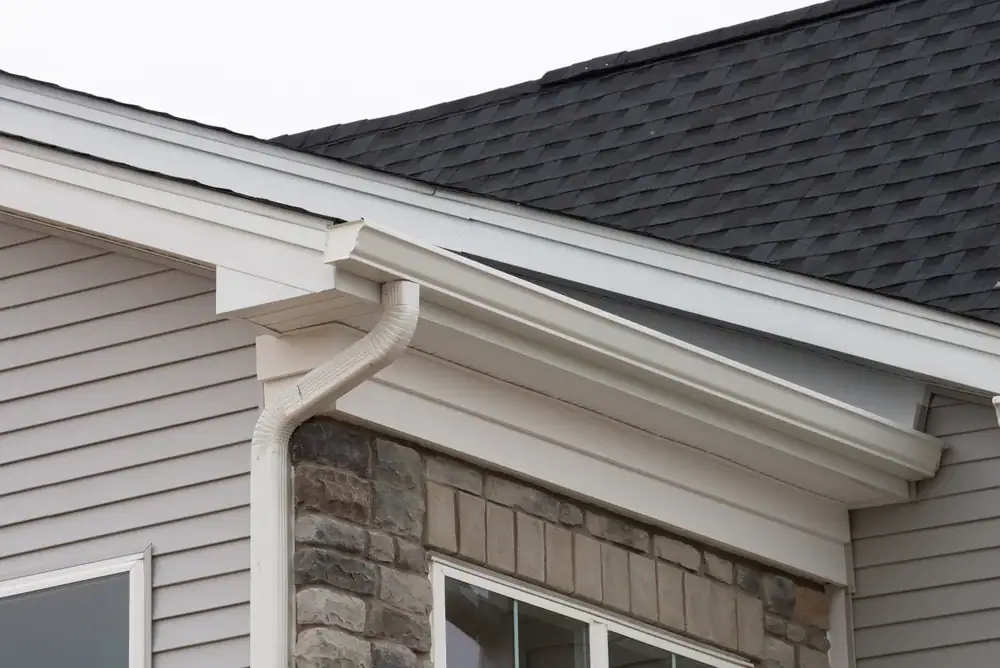
You’re not dealing with a small crack. You’re dealing with what happens after: water in your walls, ruined insulation, structural damage spreading to your roofline. That’s the difference between a $200 repair now and a $3,000 emergency later.
Chimneys in East Setauket face conditions most inland homes never see. Salt particles from the harbor penetrate masonry and expand when moisture gets in. Winter freeze-thaw cycles turn hairline cracks into crumbling mortar. By the time you notice water stains on your ceiling, the damage has already spread.
We inspect the crown, flashing, mortar joints, and liner. We document what’s failing and why. Then we fix it with marine-grade materials that actually hold up in coastal conditions. You get photos of the damage, a clear explanation of what needs to happen, and work that lasts longer than the standard patch job.
Home Team Construction serves homeowners throughout East Setauket and the surrounding North Shore communities. We’re not a franchise or a lead-generation company that farms out your job. We’re local contractors who understand what coastal weather does to chimneys because we see it every day.
Our work shows up in your neighbor’s homes. When we say we’ll be there Tuesday morning, we show up Tuesday morning. When we find a problem, we explain what’s happening in plain language and show you photos so you can see it yourself.
You’re hiring someone who knows that a rushed job today means a callback tomorrow. We’d rather do it right the first time.
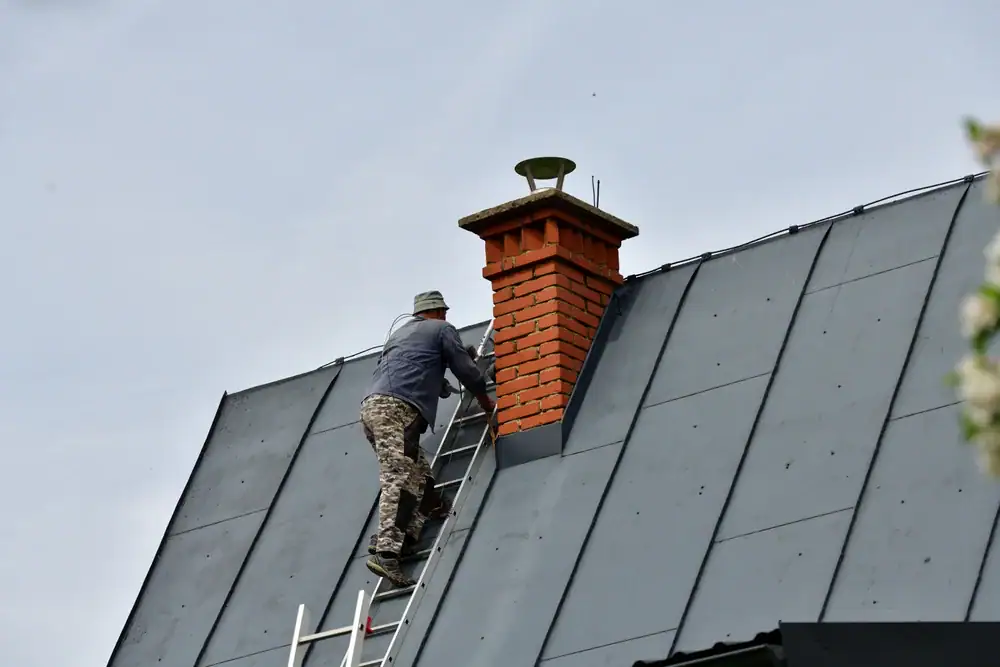
We start with an inspection of your chimney crown, flashing, mortar joints, and liner. Most leaks start at the crown or where the chimney meets the roof. We look for cracks, missing mortar, corroded flashing, and water stains that tell us where moisture is getting in.
Once we identify the problem, we walk you through what’s failing and what needs to happen. You get photos and a clear explanation, not a sales pitch. If your flashing is corroded, we show you. If your mortar is crumbling from freeze-thaw damage, you’ll see it.
Repairs depend on what’s broken. Chimney flashing repair involves removing old flashing, sealing the joint, and installing new corrosion-resistant material. Masonry work means removing damaged mortar, repointing joints, and rebuilding sections that have deteriorated. If your crown is cracked, we rebuild it with a proper slope so water runs off instead of pooling.
We use materials designed for coastal climates. Standard mortar doesn’t hold up here. We clean up when we’re done, and you get documentation of the completed work.

Ready to get started?
Chimney leak repair isn’t just sealing a crack. Water finds the path of least resistance, and if you only fix what you can see, it’ll just show up somewhere else. We address the source: failed flashing, deteriorated mortar, cracked crowns, or damaged liners.
East Setauket homes face accelerated deterioration because of salt air. Mortar that lasts 30 years inland might only give you 15 to 20 here. Freeze-thaw cycles make it worse. Water seeps into small cracks, freezes when temperatures drop, and expands. That’s what turns a small crack into a structural problem.
We handle chimney masonry repair for crumbling bricks, repointing mortar joints, and rebuilding crowns. Flashing repair involves removing corroded metal and installing marine-grade materials that resist salt corrosion. If your liner is cracked, we assess whether it can be repaired or needs replacement.
You also get honest communication. If something doesn’t need to be replaced yet, we’ll tell you. If it does, we’ll explain why and show you what’s happening. You’re not getting upsold. You’re getting the information you need to make a decision.
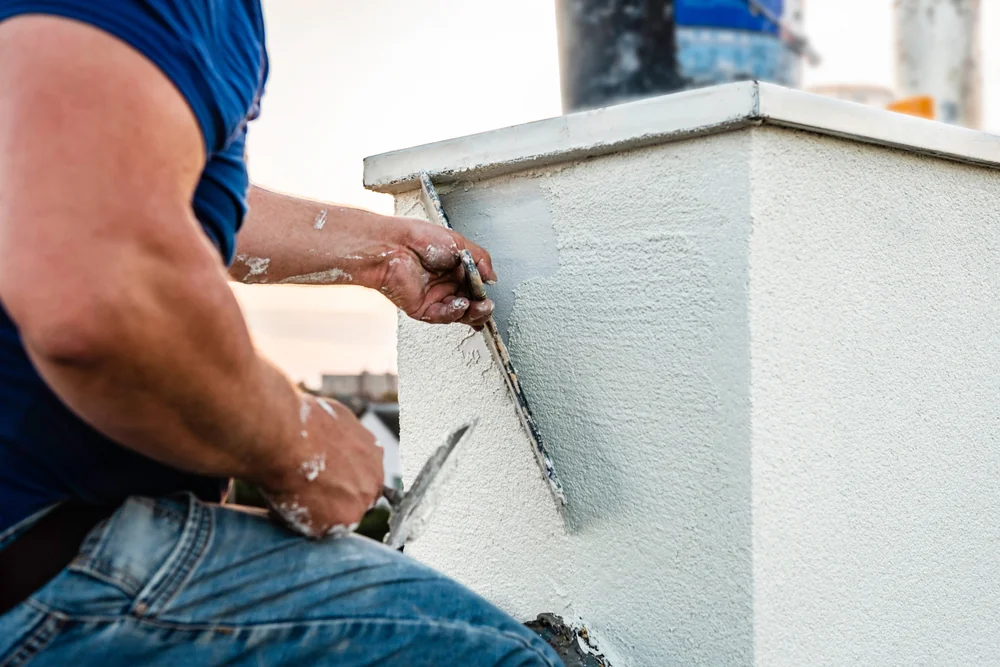
Minor chimney repairs like repointing a few mortar joints or sealing small cracks typically start around $250 to $500. Chimney flashing repair usually runs $600 to $1,200 depending on the extent of corrosion and how much needs to be replaced. Major masonry work, like rebuilding a chimney crown or repairing significant structural damage, can range from $1,500 to $4,000 or more.
Long Island repair costs run higher than national averages because of regional labor costs and stricter building codes. Coastal exposure also means we use marine-grade materials that cost more upfront but last longer in salt air. The real cost isn’t what you pay for the repair. It’s what you avoid by catching problems early.
A $300 repair today prevents a $3,000 emergency next winter when water damage has spread to your roofline and insulation. If you’re seeing water stains, crumbling mortar, or pieces of brick in your yard, the problem is already costing you money in hidden damage.
Chimneys in East Setauket typically need maintenance or repair every 5 to 10 years, sometimes sooner depending on exposure to salt air and weather. Mortar that lasts 25 to 30 years inland often deteriorates in 15 to 20 years here because salt particles penetrate masonry and accelerate breakdown.
Freeze-thaw cycles compound the problem. Water seeps into small cracks, freezes when temperatures drop, and expands. That’s what turns minor wear into crumbling mortar and loose bricks. Homes closer to the harbor or with chimneys facing prevailing winds see faster deterioration.
Annual inspections help you catch problems before they become expensive. Most homeowners don’t think about their chimney until something goes wrong, but by then, water has usually been getting in for months. Small cracks in the crown, corroded flashing, or deteriorating mortar joints are easy to fix early. Once water reaches your roofline or interior walls, you’re looking at a much bigger repair.
Most chimney leaks start at the crown or the flashing where the chimney meets the roof. Crowns crack from freeze-thaw cycles or settle over time, creating gaps where water gets in. Flashing corrodes from salt air or pulls away from the chimney as the house shifts. Once water finds a way in, it spreads to mortar joints, the roofline, and eventually your interior walls.
We fix leaks by identifying where water is entering and sealing the source. If your crown is cracked, we rebuild it with a proper slope so water runs off instead of pooling. If flashing has corroded or separated, we remove the old material, seal the joint, and install new corrosion-resistant flashing designed for coastal conditions.
Sometimes the problem is deteriorated mortar joints. Water seeps through gaps in the mortar, saturates the bricks, and spreads. We repoint those joints by removing damaged mortar and replacing it with material that holds up in salt air. You get photos of the damage, an explanation of what’s happening, and a repair that addresses the root cause instead of just covering symptoms.
Waiting makes the problem worse and more expensive. Water doesn’t stop because the weather is cold. Every time temperatures drop below freezing, moisture in those cracks expands and widens the damage. What starts as a small crack in your crown or a gap in your flashing becomes crumbling masonry and structural damage by spring.
Chimney repairs are easier to schedule and complete during dry weather, but if you’re already seeing leaks, the damage is happening now. Water that gets into your chimney spreads to your roofline, insulation, and interior walls. By the time you see stains on your ceiling, you’re not just fixing the chimney anymore. You’re dealing with rot, mold, and structural repairs that cost significantly more.
If you’re noticing water stains, crumbling mortar, or pieces of brick in your yard, those are signs that water is already getting in. The longer you wait, the more expensive the fix becomes. We can assess the damage, explain what’s happening, and get the repair done before the problem spreads further.
Chimney repair addresses specific problems like cracked crowns, corroded flashing, or deteriorated mortar joints. Most chimneys don’t need full replacement. They need targeted fixes that stop water infiltration and restore structural integrity. Repair is almost always the more cost-effective option if the chimney’s structure is still sound.
Replacement becomes necessary when the chimney has severe structural damage, extensive cracking throughout the masonry, or a compromised foundation. If more than 25% of the chimney is damaged, or if the structure is leaning or separating from the house, rebuilding is usually safer and more cost-effective than trying to patch widespread failure.
We assess the extent of damage during the inspection and give you an honest recommendation. If your chimney can be repaired, we’ll tell you what needs to happen and how much it will cost. If it needs replacement, we’ll explain why and show you the damage so you can see it yourself. You’re not getting pushed toward the more expensive option. You’re getting the information you need to make the right decision for your home.
Yes. Storm damage and sudden leaks don’t wait for business hours, and neither do we. If a storm has damaged your chimney or you’re dealing with active water infiltration, we can assess the damage and provide temporary stabilization to prevent further harm until permanent repairs can be completed.
Emergency repairs typically involve tarping damaged areas, sealing active leaks, and securing loose masonry that poses a safety risk. Once the immediate problem is contained, we schedule the permanent repair work. You get a clear timeline and explanation of what needs to happen next.
That said, most chimney emergencies are preventable with regular inspections and maintenance. Small cracks and deteriorating mortar don’t become emergencies overnight. They become emergencies when they’re ignored. If you’re seeing early signs of damage, addressing them now means you won’t be calling for emergency service later when the problem has spread and the repair costs have tripled.
Other Services we provide in East Setauket