

Hear From Our Clients
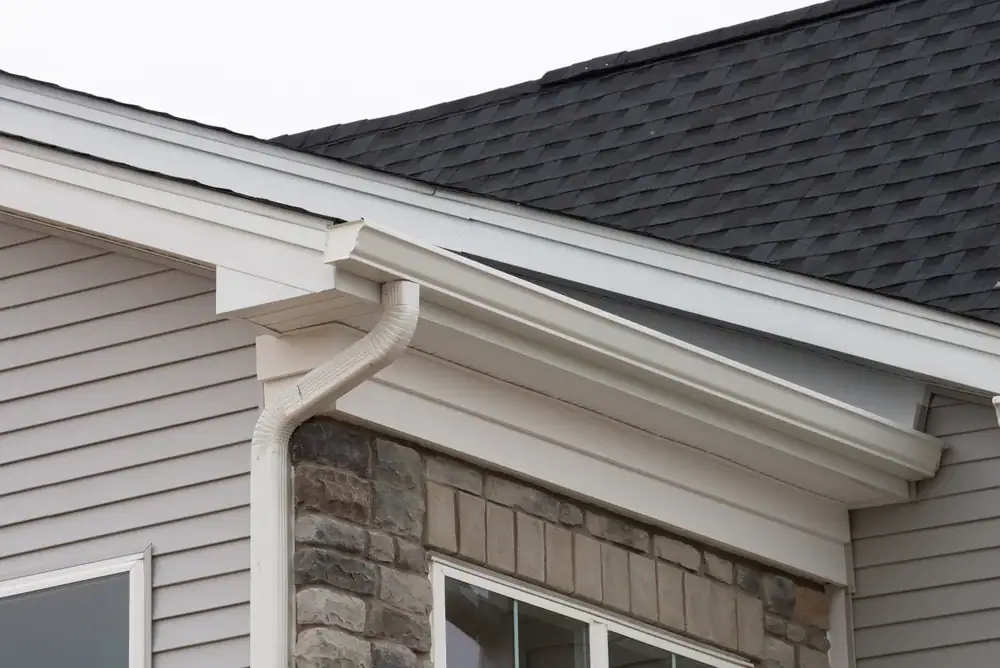
That small crack you noticed last spring? It’s bigger now. Water’s been getting in through freeze-thaw cycles all winter, and by the time you see stains on your ceiling or smell moisture in your walls, the damage has already spread beyond what’s visible.
Chimney leak repair isn’t about patching what you can see. It’s about finding where water’s entering, why your flashing failed, and what’s happening inside your masonry before the next nor’easter hits. Most leaks start at the crown or flashing—two spots that take the worst beating from Long Island’s coastal weather.
You’re not looking for the cheapest fix. You’re looking for the one that lasts, uses materials designed for salt air and freeze-thaw cycles, and stops the problem at the source. That’s what keeps your home dry, your heating safe, and your repair bills from doubling next year.
We’ve been handling chimney masonry repair across Suffolk County since 2013. We’re licensed, insured, and we’ve seen what Long Island winters do to chimneys in Lindenhurst—from saltwater corrosion on the South Shore to ice damage that turns minor cracks into major structural problems.
Most of the homes here were built in the 1950s and 60s. That means aging mortar, outdated flashing, and crowns that weren’t designed for the kind of coastal weather we get now. We don’t just patch the obvious stuff—we look at what’s failing, why it’s failing, and what’s going to fail next if it’s not addressed.
You’ll work with the same crew from estimate to completion. No subcontractors. No surprises. Just honest communication about what your chimney needs and what it’ll cost.
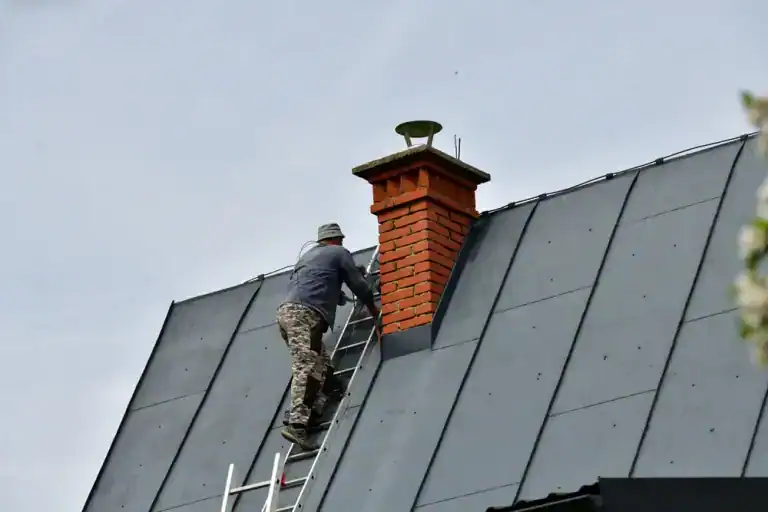
You call or message us, and we schedule a time to come out and inspect your chimney. We’re looking at the crown, the flashing, the mortar joints, the bricks, and any signs of water damage or structural movement. This usually takes 20 to 30 minutes, and we’ll walk you through what we find while we’re still on-site.
If you need repairs, we’ll give you a written estimate that breaks down the work, the materials, and the timeline. No inflated scare quotes. If your chimney needs repointing, we’ll tell you that—not try to sell you a full rebuild. If your crown is cracked and your flashing is shot, we’ll explain why both matter and what happens if you only fix one.
Once you approve the estimate, we schedule the work based on weather and your availability. Most chimney repairs take one to three days depending on the scope. We use marine-grade materials built for coastal conditions, and when we’re done, we clean up the site and walk you through what we did. You’ll also get information on what to watch for and when to schedule your next inspection.
Ready to get started?
We handle everything from minor mortar repairs to complete crown rebuilds. Chimney flashing repair is one of the most common jobs we do in Lindenhurst—flashing fails when the sealant breaks down or the metal corrodes from salt air, and that’s where most leaks start. We remove the old flashing, install new corrosion-resistant materials, and seal it properly so water can’t get between your chimney and roof.
Repointing is another big one. When the mortar between your bricks starts crumbling, water gets in and the freeze-thaw cycle does the rest. We grind out the damaged mortar, match the original mix, and repoint the joints so they’re weathertight. Done right, repointing lasts 25 to 30 years.
Crown repair is critical because your crown is the first line of defense against water. Cracks let water into the flue and masonry, which leads to interior damage, spalling bricks, and expensive problems. We rebuild crowns with a proper slope and overhang using materials that handle Long Island weather. If your chimney’s been leaking for a while, we’ll also check for hidden water damage inside the masonry and address it before it gets worse.
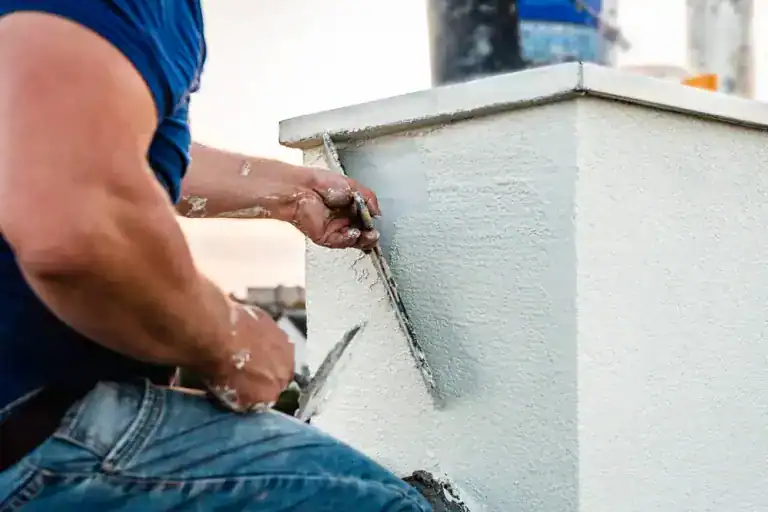
Most chimney repairs in Lindenhurst run between $350 and $1,200 depending on what’s damaged and how much work is involved. Basic repointing on a small section might cost $350 to $500. Chimney crown repair typically runs $500 to $1,000. Full flashing replacement can range from $600 to $1,200 depending on the size of your chimney and the type of flashing we’re installing.
If you’re dealing with extensive water damage, structural issues, or a chimney that needs a partial rebuild, costs go up from there. We’ll never give you a number over the phone because every chimney is different. What looks like a small crack from the ground might be a bigger problem once we’re up there, or it might be a simple fix.
The estimate is free, and we’ll break down exactly what you’re paying for. If there’s an option to repair instead of replace, we’ll tell you. If replacement makes more sense long-term, we’ll explain why.
Most chimney leaks in Lindenhurst come from failed flashing, cracked crowns, or deteriorated mortar joints. Flashing is the metal seal between your chimney and roof—when it corrodes or the sealant breaks down, water runs straight into your house. Crowns crack from freeze-thaw cycles and let water into the flue and masonry. Mortar joints fail over time, especially with salt air accelerating the damage.
We start by finding where the water’s getting in. Sometimes it’s obvious—you’ve got a visible crack or the flashing is pulling away from the chimney. Other times we’re looking for subtle signs like staining, efflorescence, or mortar that’s turned to powder. Once we know the entry point, we address the root cause, not just the symptom.
For flashing leaks, we remove the old flashing and install new corrosion-resistant materials with proper overlap and sealant. For crown damage, we rebuild the crown with the right slope and overhang. For mortar issues, we repoint the joints. The goal is to stop water before it gets into your masonry, because once it’s inside, the damage spreads fast.
Most chimney repairs take one to three days depending on the scope of work and weather conditions. Simple jobs like repointing a small section or replacing flashing might be done in a day. Larger projects like rebuilding a crown, repointing multiple sections, or addressing extensive water damage can take two to three days.
Weather plays a role because we need dry conditions for mortar to cure properly. If it’s raining or temps are below freezing, we’ll reschedule rather than rush the job. Mortar needs time to set, and cutting corners to finish faster just means you’ll be calling someone back in six months.
We’ll give you a timeline during the estimate so you know what to expect. If something takes longer than planned because we found additional damage once we started, we’ll walk you through it before proceeding. Most of our work happens outside, so you won’t have major disruptions inside your home.
You can technically do some chimney repairs yourself, but most homeowners don’t have the right materials, tools, or experience to make repairs that last—especially in coastal conditions. Mortar mix matters. Flashing installation matters. Crown slope and overhang matter. Get any of those wrong and you’re either making the problem worse or creating new problems that’ll cost more to fix later.
There’s also the safety and insurance angle. Chimney work means being on a roof, often two stories up, working with heavy materials. If you fall or damage your roof in the process, your homeowner’s insurance might not cover it if they determine the damage came from improper DIY work. We carry liability insurance and workers’ comp for exactly this reason.
If you’re dealing with active leaks, structural damage, or anything involving your flashing or crown, hire someone who knows what they’re doing. The cost difference between a proper repair now and fixing a failed DIY job later is significant. Small stuff like replacing a chimney cap? That’s manageable for most homeowners. Anything involving mortar, flashing, or masonry? Call us.
You should have your chimney inspected at least once a year, ideally in late summer or early fall before you start using your fireplace or heating system regularly. Annual inspections catch small problems before they become expensive emergencies. A $200 inspection can save you from a $3,000 repair if it finds a crack that’s just starting or flashing that’s beginning to fail.
Lindenhurst’s location on the South Shore means your chimney takes a beating from salt air, nor’easters, and freeze-thaw cycles. What might take 30 years to fail in a dry climate can fail in 10 to 15 years here. Mortar deteriorates faster. Metal corrodes faster. Crowns crack sooner. Regular inspections let you stay ahead of the damage instead of reacting to leaks and water stains.
If you’ve had recent storm damage, noticed any leaks, or it’s been more than a year since your last inspection, schedule one now. Most inspections take 30 minutes and give you a clear picture of what’s working, what’s not, and what needs attention in the next year or two.
Repointing means removing damaged mortar from the joints between bricks and replacing it with new mortar. The bricks stay in place—you’re just refreshing the joints that hold everything together. Repointing is what you do when the mortar’s crumbling but the bricks and structure are still sound. It typically costs $350 to $1,200 depending on how much of the chimney needs work, and it can extend your chimney’s life by 25 to 30 years.
Rebuilding means tearing down part or all of the chimney and reconstructing it from scratch. You’re replacing bricks, mortar, and potentially the crown and flue liner. Rebuilding is what you do when the structure is compromised—bricks are crumbling, the chimney is leaning, or water damage has destroyed the integrity of the masonry. Rebuilding costs significantly more, often $3,000 to $10,000 or higher depending on the extent of the damage and the height of the chimney.
Most chimneys in Lindenhurst don’t need full rebuilds if they’re caught early. Repointing, crown repair, and flashing replacement can handle the majority of problems before they escalate. We’ll tell you honestly which one you need based on what we find during the inspection.
Other Services we provide in Lindenhurst