
Hear From Our Clients
You stop worrying about water stains spreading across your ceiling every time it rains. Your fireplace works without filling the house with smoke or triggering carbon monoxide concerns.
The draft improves. Your heating bills stop climbing because cold air isn’t pouring down through cracks you can’t see. You’re not calling emergency services during the next nor’easter because your chimney held up exactly like it should.
That’s what happens when chimney masonry repair addresses the root problem instead of slapping mortar over visible damage. You get a structure that handles freeze-thaw cycles, salt air corrosion, and the kind of wind-driven rain that East Moriches, NY sees every fall and winter. No callbacks. No surprises six months later.
Your home stays dry, your family stays safe, and your chimney does its job without becoming a maintenance nightmare.
We operate out of Center Moriches, which means we’re not driving in from somewhere that doesn’t understand what coastal humidity does to masonry. We’ve seen what happens when chimney contractors use inland techniques on waterfront properties.
Our team includes licensed masons who’ve rebuilt chimneys from the crown down after hurricane damage. We carry full insurance and bonding because this work matters. You’re trusting someone to keep water out of your home and dangerous gases from building up inside.
We’ve worked in East Moriches long enough to know which neighborhoods have older chimneys with clay flue liners that crack under thermal stress. We know where salt air accelerates deterioration and which building codes apply to your specific property. That local knowledge saves you money and prevents the kind of mistakes that turn a repair into a rebuild.
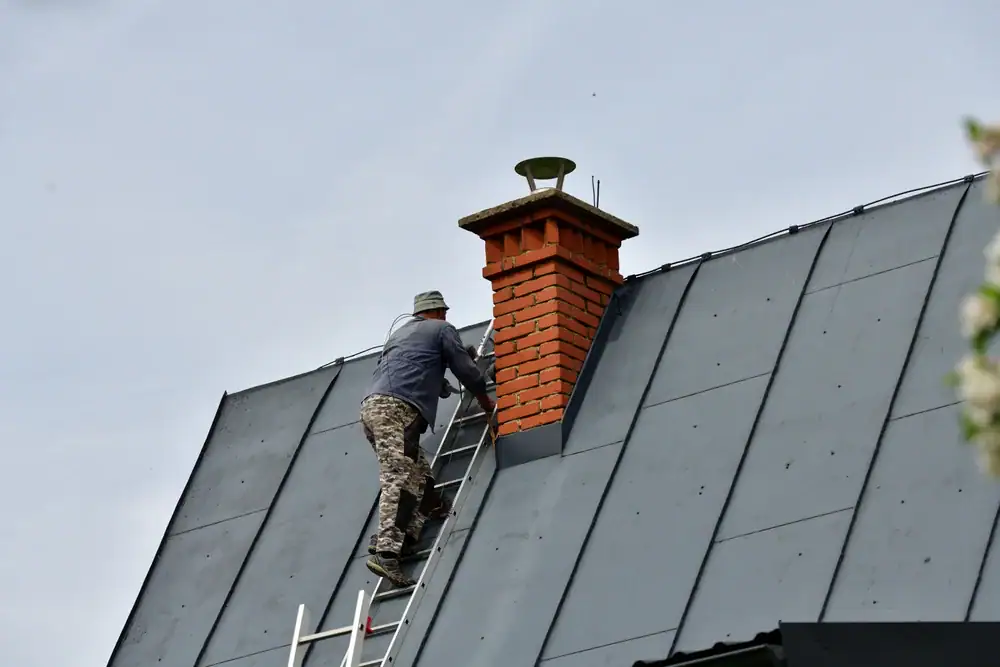
We start with a full inspection from the roofline to the firebox. That means checking the crown for cracks, examining the flashing where your chimney meets the roof, and looking inside the flue for deterioration you can’t see from ground level. Most chimney leak repair starts with failed flashing, so we pay close attention there.
Once we identify the problem, we explain what needs fixing and why. You’ll understand whether you need repointing, crown repair, flashing replacement, or a combination. We don’t upsell services you don’t need, but we also don’t skip steps that prevent bigger problems later.
The actual repair depends on what’s wrong. Chimney flashing repair involves removing old material, installing new weather-resistant flashing, and sealing it properly so water can’t get under the shingles. Masonry work means removing damaged mortar or bricks and rebuilding with materials designed for coastal exposure. Crown repairs get sealed with elastomeric coatings that flex with temperature changes instead of cracking.
We clean up completely when we’re done. You get a chimney that works right, explained in terms that make sense, finished on the timeline we promised.

Ready to get started?
You get a licensed contractor who shows up on time and finishes the job without leaving a mess in your yard. That’s standard, not a bonus.
Chimney masonry repair includes repointing mortar joints that have deteriorated from salt air exposure, replacing damaged bricks, and rebuilding sections that have cracked from freeze-thaw cycles. In East Moriches, NY, those cycles happen more frequently than inland areas because of moisture from the bay. We use mortar mixes formulated for coastal conditions, not whatever’s cheapest at the supply house.
Flashing work involves custom-fitting new metal where your chimney penetrates the roof. Poor flashing causes most chimney leaks, and it’s usually because someone used roofing tar instead of doing it right. We install step flashing and counter flashing that moves with your roof without breaking the seal.
Crown and cap repairs protect the top of your chimney from water infiltration. Cracks let water into the masonry, where it freezes and expands. We rebuild crowns with proper slope and overhang, then seal them. If your cap is damaged or missing, we replace it with one that keeps rain out while allowing proper ventilation.
You also get straight answers about what’s causing the problem and realistic timelines for how long repairs will last given Long Island’s climate.
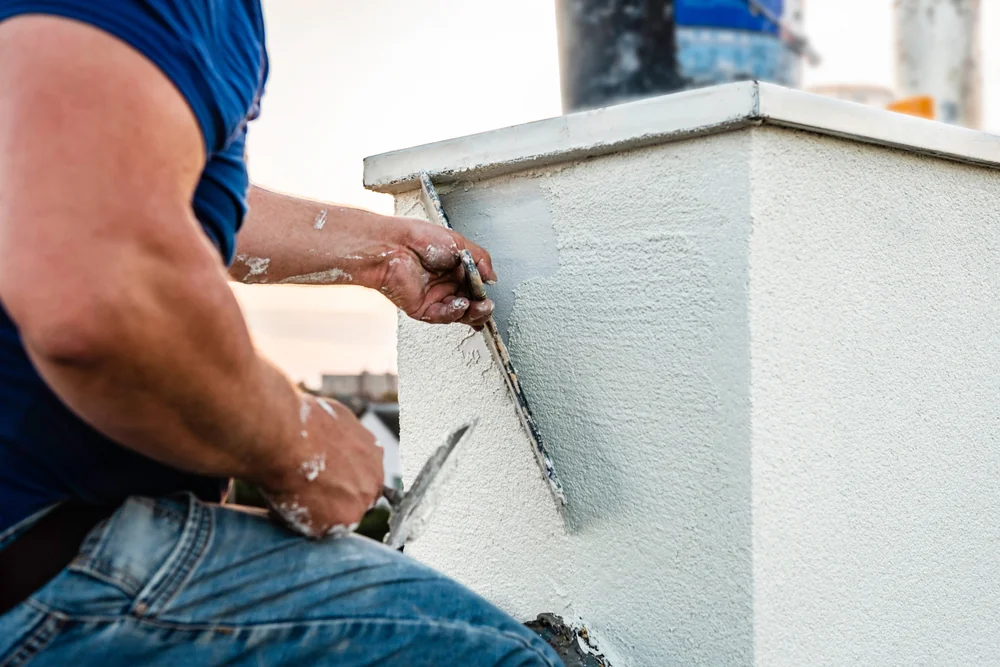
Most homeowners in East Moriches spend between $450 and $2,500 depending on what needs fixing. Simple repointing jobs where we’re replacing deteriorated mortar start around $400 to $600. Chimney flashing repair typically runs $300 to $600 if we catch it before water damage spreads to your roof decking.
Crown repairs cost more because we’re working at height and often need to rebuild the entire top section. Expect $900 to $2,200 for complete crown reconstruction with proper sealing. If you’ve got multiple issues—say, failed flashing plus masonry damage plus a cracked crown—you’re looking at the higher end of that range or beyond.
Long Island pricing runs higher than national averages because of labor costs and stricter building codes. But that also means you’re getting work that passes inspection and actually holds up to coastal weather. Cheap repairs fail fast here, which is why we don’t compete on price alone.
Salt air is the main culprit. You’re less than two miles from Moriches Bay, which means salt particles are constantly landing on your chimney and penetrating the masonry. Salt draws moisture into the brick and mortar, which accelerates deterioration compared to chimneys twenty miles inland.
Freeze-thaw cycles hit harder here too. Coastal humidity means your chimney stays damp longer after rain or snow. When temperatures drop, that moisture freezes and expands by about 9%, creating pressure inside the masonry. Do that a hundred times each winter and you get cracks, spalling, and mortar that crumbles when you touch it.
Storms matter more than most people realize. Nor’easters and hurricanes bring wind-driven rain that forces water into places it normally wouldn’t reach. Your chimney takes that impact from multiple directions, not just from above. That’s why flashing fails faster and why crowns develop cracks even when they look fine from the ground. Coastal chimneys simply work harder than inland ones, which is why they need more frequent maintenance and why repairs can’t cut corners.
Water stains on your ceiling or walls near the chimney mean you’ve already got a leak that’s causing damage inside your home. That’s not a “wait and see” situation—water is getting into places it shouldn’t be, and the longer it continues, the more expensive the fix becomes.
White staining on the outside of your chimney, called efflorescence, shows that moisture is moving through the masonry and bringing salts to the surface. It looks like someone splashed white paint on your bricks. That means water is penetrating your chimney, which leads to freeze-thaw damage.
Crumbling mortar between bricks, pieces of your crown breaking off, or rust stains around the flashing are all signs that deterioration is underway. If you see daylight through the mortar joints or your chimney cap is loose or missing, you’re at risk for serious water infiltration. Smoke backing up into your house or a strong draft smell when the fireplace isn’t in use can indicate structural issues inside the flue. Any of these signs mean it’s time for an inspection before the problem gets worse.
Simple jobs like repointing a small section or replacing flashing take one to two days depending on weather and access. We’re not rushing through it, but we’re also not dragging out work that should be straightforward.
More involved repairs—rebuilding a crown, replacing multiple courses of brick, or addressing extensive water damage—can take three to five days. Part of that depends on material curing times. Mortar needs to set properly, and we’re not going to compromise the repair by working too fast.
Weather affects the timeline more than most people expect. We can’t repoint in freezing temperatures because the mortar won’t cure correctly. Heavy rain delays roofing work. Wind above certain speeds makes it unsafe to work at height. We’ll give you a realistic schedule upfront and keep you updated if conditions change.
The inspection itself takes an hour or two. You’ll get a clear explanation of what we found and how long the actual repair will take before we start any work. No surprises, no vague timelines that stretch into weeks.
Yes, we handle emergency calls when storms damage chimneys or when you’ve got an active leak causing problems inside your home. Emergency work focuses on stopping immediate damage—tarping a roof, securing loose masonry, or temporarily sealing a failed flashing joint so you’re not dealing with water pouring into your house.
We’ll stabilize the situation first, then schedule the permanent repair once conditions allow for proper work. You can’t repoint masonry in a rainstorm, but we can prevent further water intrusion until we can fix it right.
Emergency response times depend on the situation and our current schedule, but we prioritize calls where there’s active damage or safety concerns. A chimney that’s leaning or has large sections of loose brick gets immediate attention. A crack that’s been there for months is important but doesn’t require an emergency response.
If you’re calling because of storm damage, take photos before we arrive if it’s safe to do so. That helps with insurance claims and gives us information before we get on site. Keep people away from the chimney if there’s any risk of falling debris.
Repair makes sense when the damage is localized—failed flashing, a cracked crown, deteriorated mortar joints in one section. If the structure is sound and the flue liner is intact, rebuilding what’s damaged costs less and solves the problem completely.
Replacement becomes necessary when the chimney is leaning, when there’s extensive cracking throughout the structure, or when the flue liner has failed and needs to be replaced anyway. If water damage has compromised multiple sections or if previous repairs were done incorrectly and caused more problems, rebuilding from the roofline up might actually save you money compared to patching a chimney that’s going to keep failing.
Age matters too. Chimneys built before the 1990s often lack proper liners or were constructed with materials that don’t hold up to modern heating systems. If your chimney is original to a house built in the 1960s or 70s and has never been relined, you might be looking at replacement regardless of visible damage.
We’ll walk you through the actual condition during the inspection and explain what makes sense for your specific situation. Sometimes repair is the smart move. Sometimes it’s throwing money at a problem that needs a permanent solution. You’ll know which one applies before we start any work.
Other Services we provide in East Moriches