
Hear From Our Clients
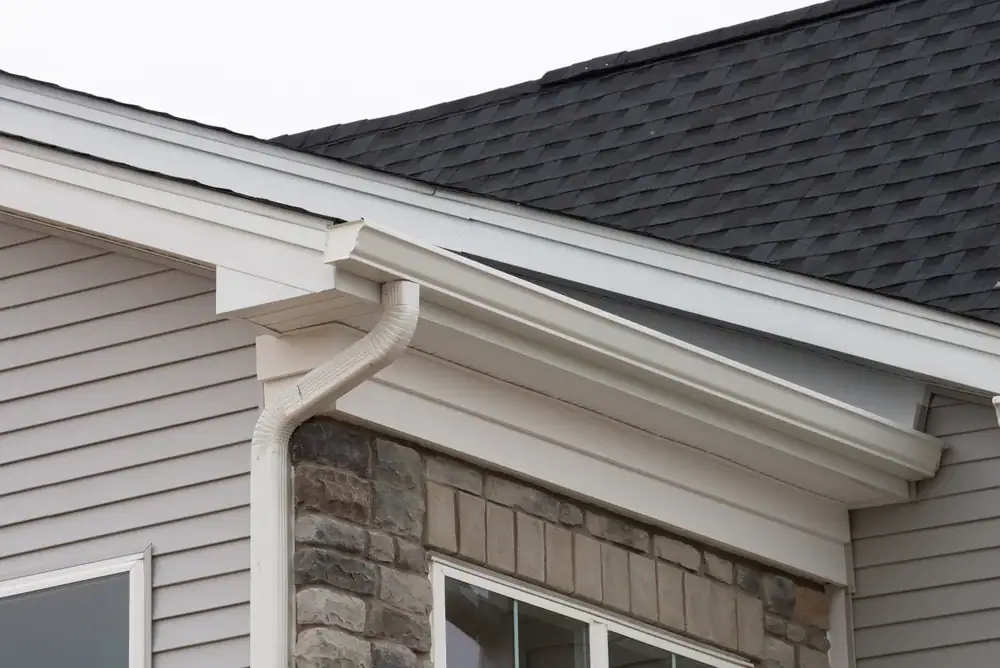
You don’t see the problem until water’s dripping into your living room. By then, moisture has been seeping through cracks for months, working its way into your walls, your insulation, your foundation.
That’s how a $500 chimney crown repair turns into a $10,000 structural nightmare. Long Island’s freeze-thaw cycle is brutal on chimneys. Water gets into hairline cracks, freezes overnight, expands, and splits the masonry wider. Every winter makes it worse.
Salt air speeds up the deterioration. What takes 30 years to fail in a dry climate fails in 10-15 years here. Your chimney takes the hit from nor’easters, freezing rain, and coastal storms that most contractors don’t understand unless they’ve worked in Suffolk County for years.
We catch these issues during inspection before they become emergencies. Cracked crowns, damaged flashing, deteriorating mortar joints—these aren’t cosmetic problems. They’re structural risks that compromise your home’s safety and your family’s health.
Home Team Construction has spent 10+ years solving chimney problems specific to Suffolk County. We’re licensed, insured, and we’ve seen what happens when homeowners wait too long or hire the wrong company.
Elwood homes—many built between 1940-1969—need contractors who understand older construction and coastal weather exposure. Your $574,000 investment deserves more than a quick patch job from someone who doesn’t know how salt air corrodes flashing or why Long Island chimneys crack differently than chimneys inland.
We’re not the cheapest option, and that’s intentional. You’re paying for materials that hold up to coastal storms, repairs that last through multiple winters, and expertise that prevents small problems from becoming catastrophic failures. We don’t cut corners because we know you’ll pay more later if we do.
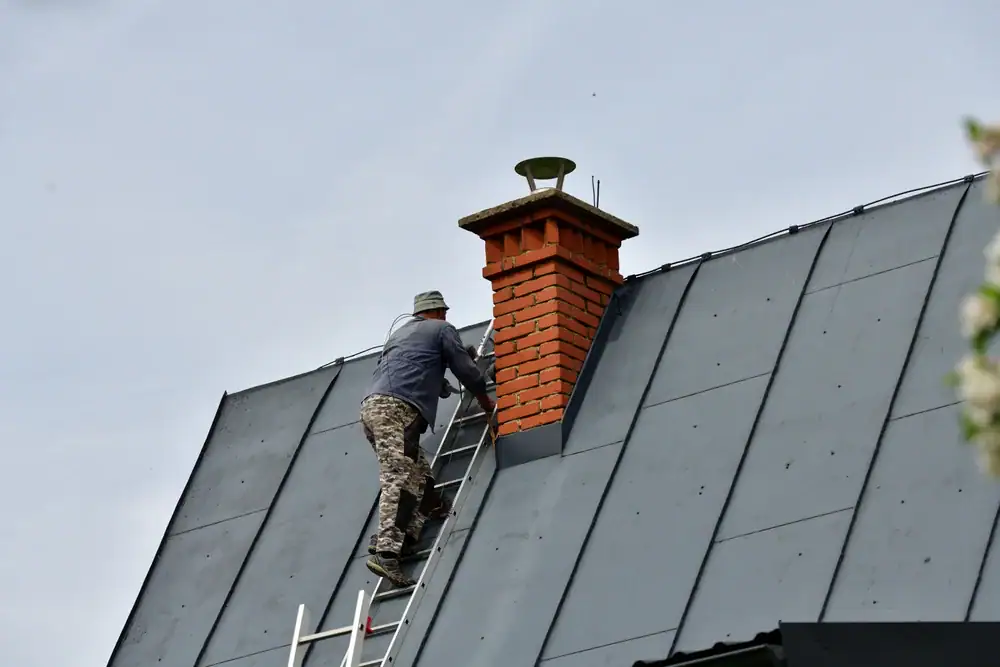
First, we inspect your entire chimney system—not just the obvious problem. We’re looking at the crown, the flashing, the mortar joints, the liner, and how everything connects to your roof. Most damage isn’t visible from the ground.
We document what we find and explain what needs immediate attention versus what you can monitor. You’ll know exactly what’s wrong, why it’s happening, and what it costs to fix it properly. No upselling services you don’t need.
Once you approve the work, we schedule based on weather and material availability. Chimney masonry repair requires specific conditions—you can’t repoint mortar joints when it’s too cold or too wet. We do it right or we don’t do it.
The actual repair depends on what’s failing. Chimney flashing repair involves removing old flashing, installing new corrosion-resistant material, and sealing it properly so water can’t get underneath. Crown repair means removing damaged concrete and rebuilding with proper slope and overhang. Tuckpointing means grinding out deteriorated mortar and replacing it with new mortar that matches your chimney’s age and exposure.
After we finish, we clean up completely and walk you through what we did. You’ll know what to watch for and when to schedule your next inspection.

Ready to get started?
Chimney crown repair is one of the most common jobs we do in Elwood. The crown is that concrete cap at the top of your chimney, and it takes direct hits from every storm. When it cracks, water pours straight down into your chimney structure. We rebuild crowns with proper overhang and slope so water runs off instead of pooling.
Flashing is where your chimney meets your roof, and it’s where most leaks start. Old flashing corrodes from salt air, pulls away from the chimney, or gets installed wrong in the first place. We remove failed flashing and install new step flashing and counter flashing that actually keeps water out.
Tuckpointing and mortar joint repair addresses the spaces between your chimney bricks. Mortar deteriorates faster than brick, especially in freeze-thaw cycles. We grind out the damaged mortar and repoint with fresh mortar that’s mixed for Long Island’s climate. This isn’t just cosmetic—it’s structural.
Chimney leak repair often involves multiple systems. Water might be coming through the crown, the flashing, and the mortar joints simultaneously. We address all entry points because fixing one and ignoring the others just delays the problem.
Some chimneys are beyond repair. When the structural damage is too extensive or the chimney is leaning, we’ll tell you. A full chimney replacement costs more upfront but it’s cheaper than repeatedly repairing a chimney that’s failing from the inside out.
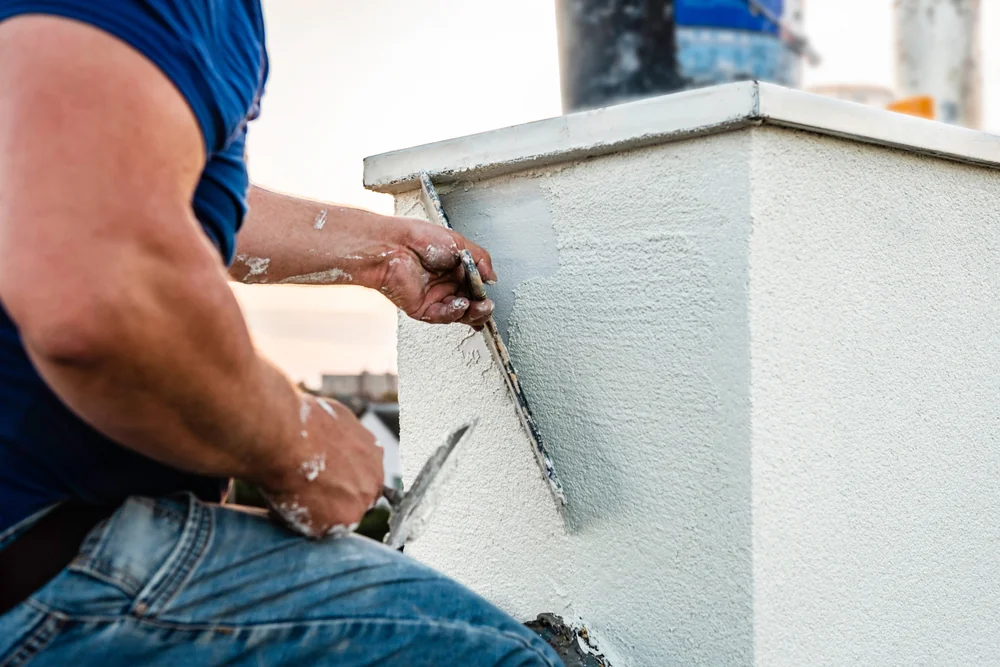
Look for water stains on your ceiling near the chimney, white staining on the exterior bricks (efflorescence), pieces of mortar or brick in your fireplace, or visible cracks in the chimney crown. These are signs damage is already happening.
If your chimney is leaning, has large vertical cracks running up the structure, or shows extensive spalling (bricks flaking apart), you’re likely looking at replacement instead of repair. A leaning chimney means foundation issues. Vertical cracks mean structural movement. Widespread spalling means the bricks themselves are failing.
Most Elwood chimneys just need targeted repairs—new flashing, crown rebuild, repointing. But if your chimney was built in the 1940s-1960s and has never been maintained, the damage might be too far gone. We’ll inspect it and give you an honest assessment. If repair makes sense, we’ll tell you. If you’re throwing money at a failing structure, we’ll tell you that too.
Salt air corrosion is the biggest factor. You’re close enough to the coast that salt gets into the air, lands on your chimney, and accelerates deterioration of mortar, metal flashing, and even the bricks themselves. What might last 30 years inland lasts 10-15 years here.
Freeze-thaw cycles are more extreme on Long Island than people realize. Water seeps into tiny cracks during the day, freezes at night, expands, and makes the crack bigger. This happens dozens of times each winter. By spring, small cracks have become structural problems.
Nor’easters and coastal storms hit chimneys with wind-driven rain that forces water into places it wouldn’t normally reach. Your chimney takes a beating that chimneys in drier or less windy climates never experience. That’s why you need chimney contractors who’ve worked in Suffolk County long enough to understand these specific challenges.
Most chimney-only companies focus on sweeping and basic maintenance. They’re excellent at cleaning flues and inspecting liners, but they’re not general contractors with full construction capabilities.
We handle the structural and exterior work that requires carpentry, roofing knowledge, and masonry expertise. When your flashing fails, we’re removing roof shingles, installing new flashing, and integrating it with your roofing system. When your crown needs rebuilding, we’re forming and pouring concrete with proper reinforcement. When your mortar joints are failing, we’re matching mortar to your specific brick and exposure conditions.
You need both types of companies. Hire a chimney sweep for annual cleaning and liner inspection. Hire us when there’s actual damage to the structure, the flashing, the crown, or the masonry. We’re the ones who fix what breaks from Long Island weather.
Chimney crown repair typically runs $800-$1,500 depending on size and damage extent. Flashing replacement costs $600-$1,200 depending on chimney size and roof complexity. Tuckpointing runs $15-$30 per square foot depending on how much mortar needs replacement and how high up the chimney we’re working.
A comprehensive repair addressing multiple issues—crown, flashing, and repointing—often falls in the $2,500-$4,500 range. That sounds like a lot until you compare it to the $10,000+ you’ll spend on interior water damage, mold remediation, and structural repairs if you wait.
Emergency repairs cost more because we’re working in less-than-ideal conditions and prioritizing your job over scheduled work. The best way to avoid emergency pricing is to schedule an inspection in late summer or early fall, before winter weather hits. We can identify problems and fix them during good weather, which costs less and lasts longer than repairs done in freezing temperatures or during active leaks.
Some repairs, yes. Others, no. It depends on temperature, precipitation, and what’s actually broken.
We can replace flashing, remove blockages, and do emergency leak repairs during winter. These don’t require mortar or concrete work that needs specific temperature ranges to cure properly.
We can’t do quality tuckpointing or crown rebuilds when it’s below 40°F or when rain is forecast within 24 hours. Mortar needs time to cure without freezing, and concrete needs proper curing conditions to achieve full strength. Rushing these jobs in bad weather means the repair fails within a year or two.
If you’re dealing with an active leak during winter, we’ll do temporary weatherproofing to stop the water intrusion, then schedule the permanent repair for spring when conditions allow proper installation. That’s not us trying to delay work—it’s us making sure the repair actually lasts instead of failing the next winter.
Every 2-3 years minimum for the exterior structure and flashing. Every year if you use your fireplace regularly or if your chimney is over 30 years old.
Long Island’s climate is hard on chimneys. Problems develop faster here than in areas with less severe weather. An inspection catches small issues—a hairline crack in the crown, early mortar deterioration, flashing starting to pull away—before they become expensive emergencies.
The best time to schedule an inspection is late summer or early fall. We can identify problems and complete repairs before winter weather arrives. You avoid emergency service rates, we can schedule the work properly, and repairs cure in good conditions so they last longer. Waiting until you see water stains or notice chunks of brick missing means you’re already dealing with damage that’s been happening for months.
Other Services we provide in Elwood