

Hear From Our Clients
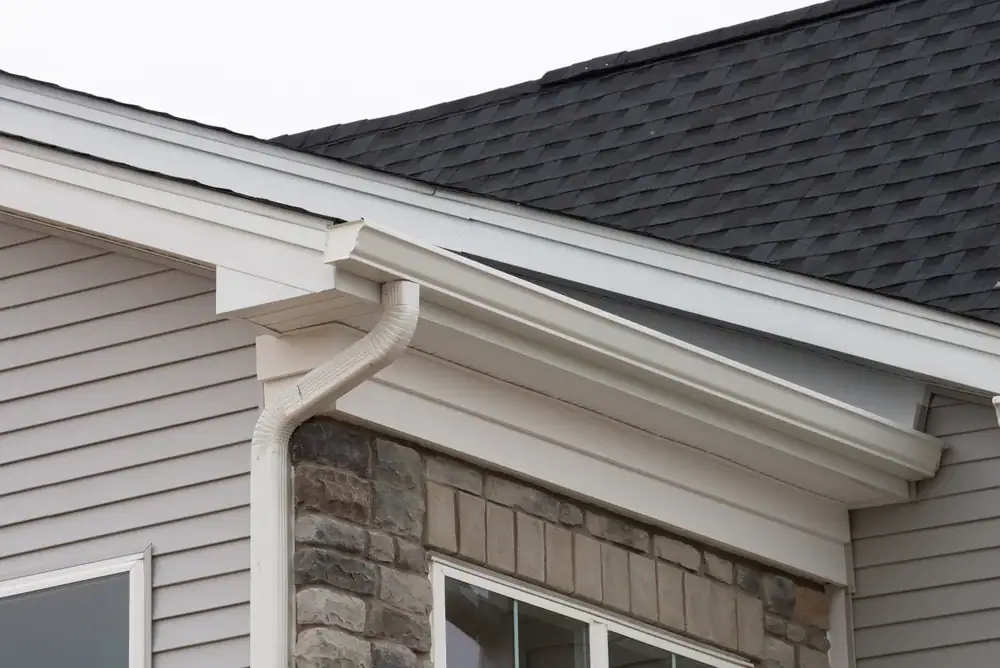
Water stains on your ceiling near the fireplace aren’t just ugly. They’re telling you that your chimney’s weatherproofing has failed, and once water gets inside, it doesn’t stop at the drywall. It soaks insulation, rots framing, and damages structural elements you can’t even see yet.
Most Bay Shore homeowners wait too long because they think it’s minor. By the time you’re calling, what could’ve been a few hundred dollars in chimney flashing repair has turned into thousands in interior repairs. You’re not just fixing the chimney anymore—you’re fixing everything the water touched on its way down.
We handle chimney leak repair before it becomes a full-blown renovation project. You get your chimney sealed properly using marine-grade materials designed for coastal climates, and you stop paying for the same problem twice. That’s what actually saves you money.
We’ve spent over a decade working on Suffolk County homes, and we’ve seen what coastal weather does to chimneys that weren’t built or maintained for it. Salt air eats through mortar joints faster than most homeowners realize. Winter storms push water into cracks that looked harmless in July.
We’re not the guys who show up, patch the obvious problem, and leave. We’re the chimney contractors who look at your whole system—crown, flashing, liner, masonry—and tell you what’s actually wrong and what it’ll take to fix it right. No upselling, no scare tactics, just straight answers from people who’ve done this work in Bay Shore long enough to know what holds up and what doesn’t.
You’re hiring local experience that understands your specific environment, not a generic crew reading from a script.
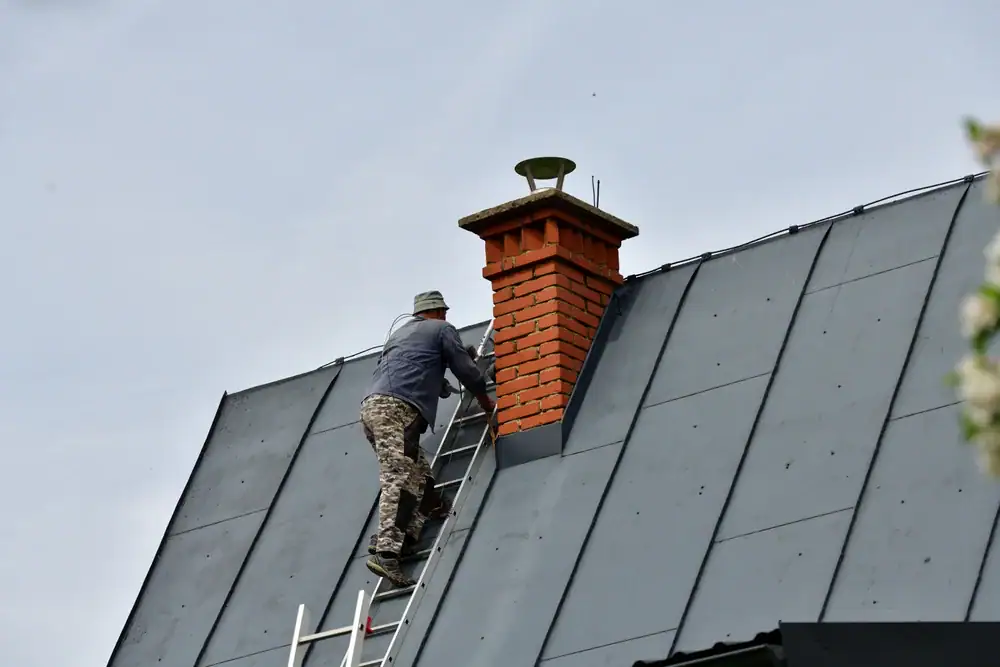
First, we come out and inspect your chimney from top to bottom. We’re looking at the crown for cracks, checking flashing for gaps, examining masonry for deterioration, and making sure your liner isn’t compromised. You get a clear explanation of what we find—not a sales pitch, just the facts about what’s failing and why.
Then we walk you through your options. If your chimney needs masonry repair because the mortar’s crumbling, we tell you what that involves and what it costs. If it’s a flashing issue causing leaks, we explain how we’ll seal it properly so it actually lasts through Bay Shore winters. You know exactly what you’re paying for before we start.
Once you approve the work, we handle it with the right materials for coastal conditions. That means stainless steel components that resist salt air, waterproofing that holds up to humidity, and masonry work that doesn’t crack apart in two years. We clean up when we’re done, and you get a chimney that works the way it should without wondering when the next leak is coming.

Ready to get started?
You’re getting a full chimney inspection that catches problems most homeowners miss until they’re expensive. We check your chimney crown for the cracks that let water seep in during storms. We examine flashing where your chimney meets the roof—the most common leak point on Long Island homes. We assess your masonry for the salt-air damage that weakens mortar joints and causes bricks to spall.
Bay Shore’s coastal location means your chimney faces conditions that accelerate wear. Humidity averages over seventy percent here, which speeds up creosote buildup and creates more opportunities for water infiltration. We account for that when we repair your system, using materials rated for marine environments and sealing techniques that handle moisture better than standard methods.
You also get honest communication about what needs fixing now versus what can wait. If your chimney crown has minor surface cracks but your flashing is completely shot, we’re telling you to prioritize the flashing. We’re not here to sell you a full rebuild when a targeted repair solves your actual problem and keeps your family safe from carbon monoxide risks and fire hazards.
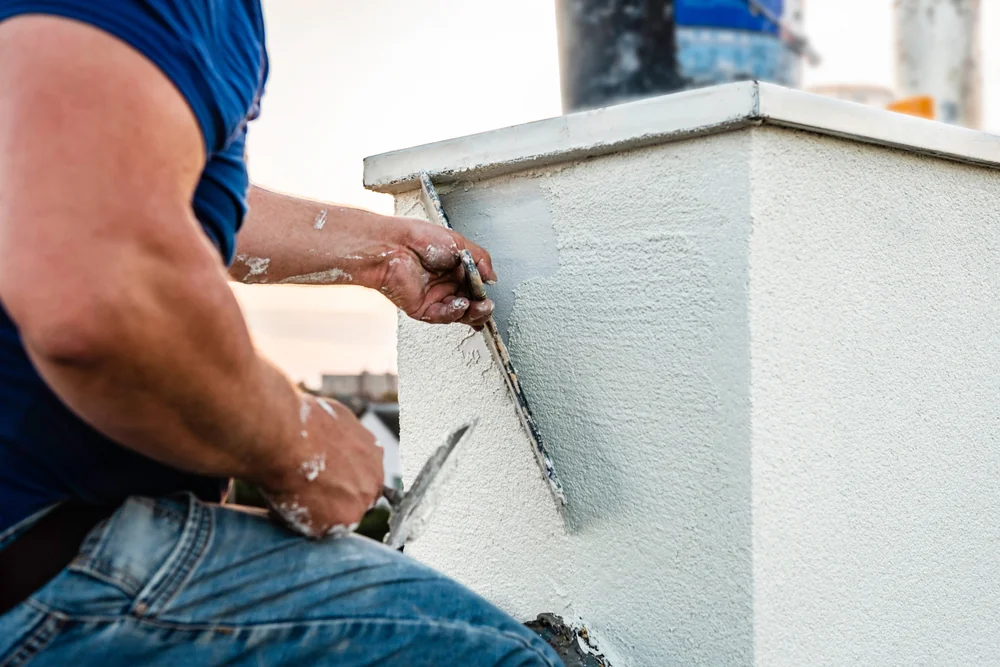
Most chimney repairs in Bay Shore run between four hundred and twelve hundred dollars, depending on what’s actually broken. Basic repointing work—where we’re replacing deteriorated mortar between bricks—usually falls on the lower end. Chimney flashing repair costs more if we’re replacing the entire flashing system around your roofline. Full masonry rebuilds start around nine hundred and can hit four thousand if the damage is extensive.
Here’s what drives the cost up: how long the problem’s been ignored. A small crack in your chimney crown that gets fixed early might cost a few hundred dollars. That same crack after two winters of water infiltration? Now you’re replacing bricks, repairing the interior liner, and fixing water damage inside your home. The repair itself costs more, and you’re paying for all the secondary damage too.
The smartest move is getting it looked at when you first notice something off—water stains, crumbling mortar, or pieces of your chimney in the yard after a storm. Early repairs cost less than emergency fixes, and you’re not gambling with your home’s structure or your family’s safety while you wait.
Chimney leaks in Bay Shore usually come from failed flashing or a cracked crown, and both problems get worse faster here because of salt air and coastal humidity. Your flashing is the metal seal where your chimney meets the roof—it’s supposed to keep water out, but it takes a beating from storms and temperature swings. When it fails, water runs straight down into your home.
The crown is the concrete top of your chimney, and it cracks from freeze-thaw cycles and constant moisture exposure. Bay Shore gets enough humidity and temperature variation that small cracks become big problems within a season or two. Once water gets into those cracks, it soaks into the masonry, weakens the structure, and starts leaking into your house through the ceiling.
Salt air makes everything worse because it corrodes metal flashing faster and penetrates masonry, causing expansion that cracks mortar joints. You’re not dealing with normal wear and tear—you’re dealing with an environment that actively breaks down your chimney faster than it would twenty miles inland. That’s why regular inspections matter here more than in other places, and why using marine-grade materials during repairs actually makes a difference in how long the fix lasts.
You should have your chimney inspected once a year, ideally in early fall before you start using your fireplace regularly. That timing gives you a chance to fix problems before winter weather makes them worse and before you’re competing with everyone else trying to book appointments during the busy season.
Bay Shore’s coastal environment means your chimney faces more stress than chimneys inland. Higher humidity levels cause creosote to build up faster in your flue. Salt air corrodes metal components and degrades masonry more quickly. Annual inspections catch these issues while they’re still cheap to fix—a two-hundred-dollar cleaning beats a three-thousand-dollar emergency repair every single time.
If you use your fireplace heavily during winter, you might need inspections twice per heating season. Coastal chimneys often require more frequent maintenance because moisture binds soot more persistently to flue interiors, and that buildup becomes a fire hazard faster than you’d expect. The National Fire Protection Association recommends annual inspections for exactly this reason—small problems caught early don’t become dangerous or expensive ones later.
You shouldn’t repair your chimney yourself unless you’re experienced with masonry work, comfortable working on a roof, and familiar with building codes. Chimney repair involves more than slapping some mortar on bricks—you’re dealing with structural integrity, waterproofing, and safety systems that protect your home from fire and carbon monoxide.
Most DIY chimney repairs fail because homeowners don’t understand how water moves through masonry or how flashing needs to integrate with roofing materials. You might fix the visible problem but miss the underlying issue, which means you’re paying twice—once for your materials and time, then again when you hire someone to fix it properly. Bay Shore’s coastal conditions make this worse because standard materials and techniques don’t hold up to salt air and humidity.
We know how to diagnose the real problem, not just the symptoms you can see from the ground. We understand local building codes, use materials rated for marine environments, and guarantee our work so you’re not gambling with your home’s safety or your wallet. If your chimney needs repair, you’re better off hiring someone who does this every day and knows what actually works in Suffolk County’s climate.
Water stains on your ceiling or walls near the fireplace mean you need immediate repair—water’s already inside your home and causing damage you can’t see yet. Crumbling mortar between bricks, pieces of your chimney crown in the yard, or visible cracks in the masonry are all signs that your chimney’s structural integrity is compromised and getting worse with every storm.
If you smell smoke inside your home when using the fireplace, that’s a serious problem. It means your flue isn’t drafting properly, which can lead to carbon monoxide buildup—a silent threat that many Bay Shore homeowners don’t realize until it’s dangerous. Rust on your damper or firebox indicates water’s getting into your chimney system, which means your flashing or crown has failed.
White staining on the outside of your chimney—called efflorescence—shows that water’s moving through your masonry and bringing salts to the surface. In coastal areas like Bay Shore, this happens faster and signals that your chimney’s absorbing moisture it shouldn’t be. Any of these signs mean you’re past the point of “keeping an eye on it” and into the territory of “this needs to be fixed before it costs five times as much.”
Bay Shore’s coastal location means your chimney faces salt air, high humidity, and weather conditions that accelerate deterioration compared to homes even a few miles inland. Salt deposits penetrate brick and mortar joints, causing expansion that weakens masonry and leads to cracking, flaking, and structural damage. This process happens year-round, not just during winter.
Humidity levels here average over seventy percent, which means your chimney stays damp longer after rain and storms. That constant moisture accelerates creosote buildup inside your flue, promotes mold growth, and causes freeze-thaw damage when temperatures drop. Water that gets into small cracks expands when it freezes, turning minor issues into major structural problems within a single season.
Coastal storms hit Bay Shore harder than inland areas, and your chimney takes the brunt of wind-driven rain that forces water into places it wouldn’t normally reach. Standard chimney materials and construction methods don’t account for these conditions, which is why chimneys here need marine-grade components and more frequent maintenance. If you’re not using contractors who understand coastal construction and materials rated for this environment, you’re setting yourself up for repeated repairs that don’t last.
Other Services we provide in Bay Shore