
Hear From Our Clients
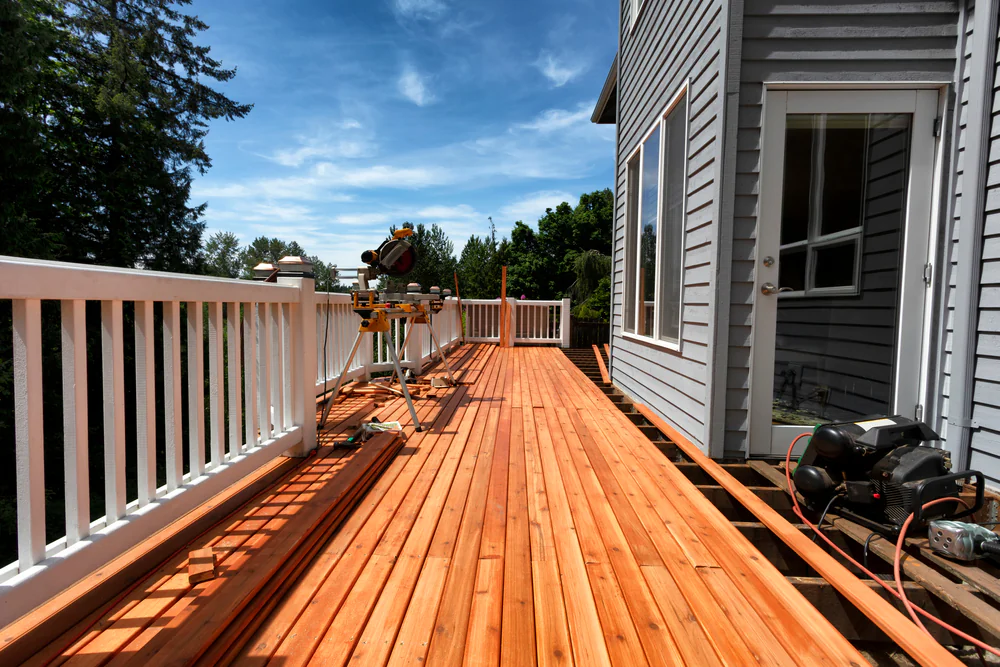
You’ve noticed the soft spots. Maybe a board flexes more than it should, or the railing has some give when you lean on it. Those aren’t small problems waiting to happen—they’re warnings that moisture, freeze-thaw cycles, and salt air have already done damage you can’t see yet.
Long Island’s coastal climate is brutal on wood decks. Winter freezing cracks the surface, spring humidity seeps into the grain, and summer sun bakes it all in. By the time you see the damage, it’s been building for months.
Professional deck repair stops that cycle. We replace compromised boards, reinforce structural supports, tighten loose fasteners, and address the drainage issues that caused the problem in the first place. You get a deck that’s safe for your family, ready for gatherings, and built to handle whatever weather comes next. No more second-guessing whether it’s okay to use.
Home Team Construction has spent over a decade fixing decks across Suffolk County. We’re not a franchise or a crew that shows up from three towns over. Our contractors live in these neighborhoods, and our reputation depends on the quality of every repair we complete.
South Huntington homeowners deal with specific challenges—older properties with original decks that weren’t built for today’s weather extremes, coastal exposure that accelerates wear, and the pressure to maintain curb appeal in a competitive housing market. We’ve seen it all, and we know how to fix it right the first time.
Every crew member is licensed, insured, and trained on our standards. We don’t use subcontractors, and we don’t cut corners. You get upfront pricing, same-day emergency response when storms hit, and repairs that actually last.
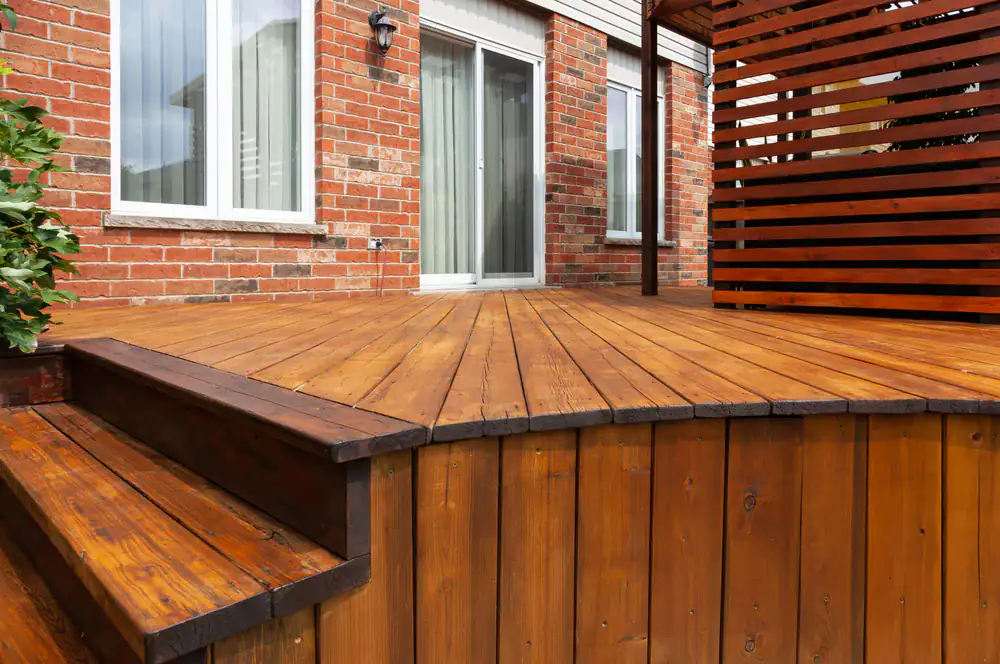
We start with a structural inspection—not just the surface boards, but the joists, support posts, fasteners, railings, stairs, and foundation. We’re looking for rot, moisture damage, loose connections, and anything that compromises safety or longevity.
Once we identify the issues, you get a clear estimate before any work starts. No surprises, no upselling. If a board can be repaired, we’ll tell you. If it needs replacement, we’ll explain why and show you the damage.
Repairs typically take one to three days depending on scope. Simple fixes like board replacement and fastener tightening can happen in a single day. Extensive structural work—replacing joists, reinforcing supports, rebuilding stairs—takes longer but gets done right. We use materials rated for coastal conditions, not the cheapest option at the lumber yard.
After the repair, we walk you through what we did and what to watch for going forward. You’ll know exactly what was fixed, why it matters, and how to keep your deck in good shape between professional maintenance.
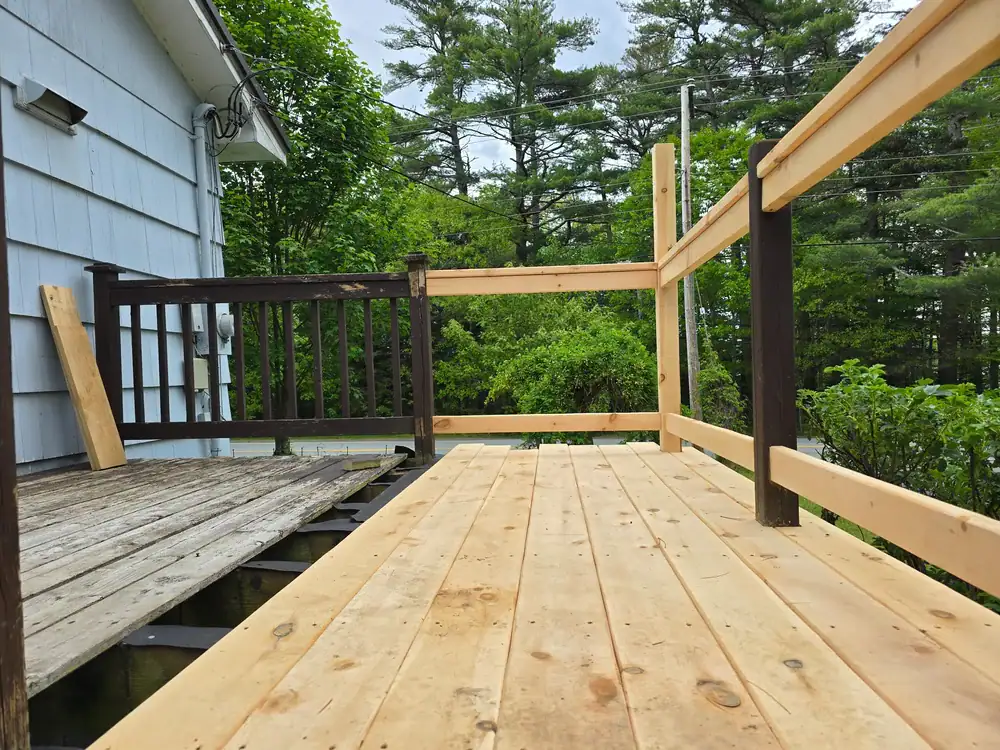
Ready to get started?
Every deck repair service includes a full structural assessment, not just a patch job on visible damage. We check load-bearing capacity, inspect for hidden moisture intrusion, test railing stability, and evaluate drainage patterns that might be causing repeated problems.
South Huntington’s proximity to the coast means your deck faces salt air exposure, higher humidity, and more aggressive freeze-thaw cycles than inland properties. We use fasteners and materials that resist corrosion, and we pay attention to details like proper spacing for expansion and contraction. These aren’t extras—they’re standard practice for any repair that’s going to hold up.
Most homeowners spend between $800 and $3,500 on deck repairs, depending on the extent of damage and materials needed. Minor repairs like board replacement and fastener upgrades sit on the lower end. Structural work—replacing support posts, rebuilding stairs, reinforcing joists—costs more but prevents the kind of failure that leads to injuries or full replacement.
We also offer flexible payment plans with 18-month interest-free options, because we’d rather you fix the problem now than wait until it becomes a safety hazard or a five-figure replacement project.

If repair costs exceed 50% of what a full replacement would cost, replacement usually makes more sense financially. But most decks don’t hit that threshold—they just need targeted repairs on compromised sections.
Look for these signs that repair is the right call: isolated soft spots or rotting boards, loose railings or stairs, surface cracks and splits, rusted or popping fasteners, or minor structural issues in specific areas. These problems are fixable without tearing everything out.
Replacement becomes necessary when you see widespread rot across multiple joists, severe foundation or support post damage, extensive structural failure affecting more than half the deck, or a frame that’s sagging or pulling away from the house. At that point, you’re not just fixing boards—you’re rebuilding the entire structure, and starting fresh makes more sense than trying to salvage a compromised frame.
Long Island’s coastal climate creates a perfect storm for deck deterioration. Freeze-thaw cycles are the biggest culprit—water seeps into cracks and grain, freezes overnight, expands, and creates larger splits. This happens dozens of times each winter, and the damage compounds year after year.
Salt air accelerates corrosion on fasteners and hardware, which leads to loose connections and structural instability. Coastal humidity keeps wood damp longer after rain, promoting rot and mold growth. UV exposure during summer months dries out the wood, making it brittle and prone to cracking.
Most South Huntington properties also deal with poor drainage around deck foundations, which keeps moisture trapped underneath and accelerates decay from the bottom up. If your deck was built more than 15 years ago, it probably wasn’t constructed with these conditions in mind—materials and building standards have improved significantly, but older decks are especially vulnerable.
Simple repairs—replacing a few boards, tightening fasteners, fixing isolated soft spots—usually take one day. We can often complete these jobs in a single visit, weather permitting.
Moderate repairs involving structural components like joist reinforcement, railing replacement, or stair rebuilding typically take two days. This gives us time to properly assess hidden damage once we remove compromised materials, and to let any structural adhesives or treatments cure correctly.
Extensive repairs that address widespread moisture damage, multiple structural issues, or significant rebuilding can take three days or longer. These projects essentially involve reconstructing major sections of your deck while preserving the sound portions, which requires careful planning and execution.
Timeline also depends on material availability and weather. We won’t install new boards in heavy rain or extreme cold because it affects how the wood settles and how fasteners hold. If we uncover additional damage during the repair, we’ll walk you through what we found and adjust the timeline accordingly—but we always get your approval before expanding the scope.
You can replace surface boards if you’re comfortable with the work and the damage is truly superficial. But most visible deck damage indicates deeper structural issues that aren’t obvious until you start pulling things apart.
What looks like a single rotting board is often a symptom of joist damage underneath, improper flashing where the deck meets your house, or drainage problems that will just cause the new board to rot too. If you replace the board without addressing the root cause, you’re wasting time and money on a temporary fix.
There’s also the safety factor. Deck failures cause thousands of injuries every year, and most happen because structural damage went unnoticed or was inadequately repaired. Loose railings, compromised stairs, and weakened support posts aren’t DIY territory—the liability and risk aren’t worth the savings.
We know what to look for beyond the obvious damage. We catch problems before they become dangerous, we use materials rated for Long Island’s climate, and our work is insured and guaranteed. If something goes wrong with a repair we did, we fix it. If something goes wrong with a DIY repair, you’re starting over and paying more to fix the mistake.
Maintenance is preventative—cleaning, sealing, staining, and minor adjustments that keep your deck in good condition and extend its lifespan. Think of it like changing your oil. It’s routine work you do on a schedule to avoid bigger problems.
Repair is corrective—fixing damage that’s already happened. Rotting boards, structural issues, loose connections, and safety hazards all fall under repair. This is work you do because something’s wrong, not because you’re trying to prevent future issues.
The confusion happens because good maintenance reduces the need for repairs, and quality repairs should include maintenance recommendations to prevent the same problem from recurring. If we’re replacing boards damaged by trapped moisture, we’re also going to address the drainage issue and recommend a sealing schedule to protect the new materials.
Most South Huntington homeowners should have their decks professionally inspected every two to three years, with annual maintenance like cleaning and sealing. Coastal properties might need more frequent attention because of salt exposure and humidity. Catching small issues during routine maintenance costs a fraction of what you’ll pay for major repairs down the road.
Yes. Storm damage, sudden structural failure, and safety hazards get same-day response. We’ll secure the area, assess the damage, and start repairs immediately if the situation is urgent.
South Huntington sees its share of severe weather—nor’easters, heavy snow loads, high winds, and occasional hurricanes. These events can compromise deck structures quickly, especially if there was underlying damage that hadn’t been addressed yet. A deck that seemed fine last week can become dangerous overnight after a major storm.
Emergency repairs focus on safety first—making sure the structure is stable, removing hazards, and preventing further damage to your home. Once the immediate danger is handled, we’ll give you a full assessment of what needs to be fixed and what can wait. Sometimes emergency repairs are temporary measures that get you through the crisis, with permanent repairs scheduled once materials arrive or weather improves.
We also work with insurance companies regularly, so if your deck damage is covered, we can document everything properly and provide the estimates and photos your claim requires. Most homeowners don’t know what their policy covers until they file, but we can walk you through that process and make sure you’re not leaving money on the table.
Other Services we provide in South Huntington