
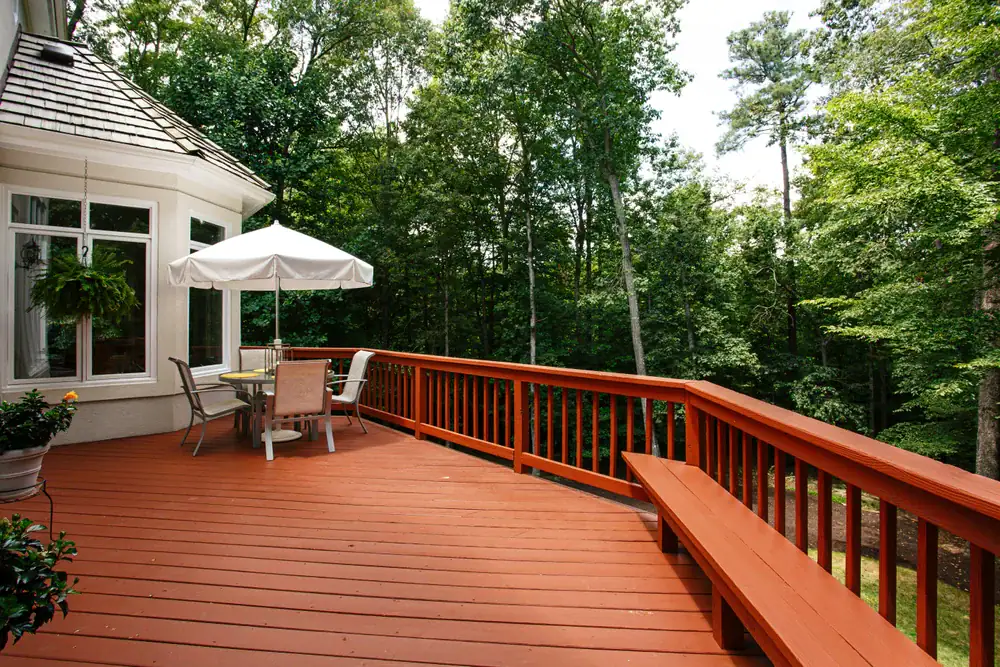
Hear From Our Clients
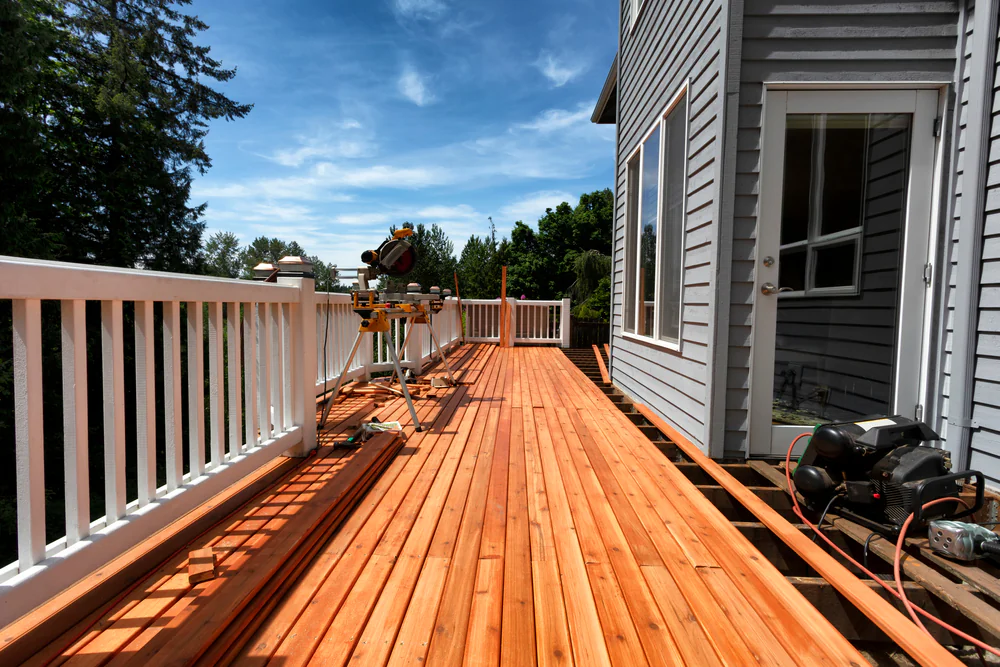
You’ve noticed the loose railing. Maybe a board feels soft underfoot, or you’ve spotted some splintering that wasn’t there last season. Living this close to the water means your deck takes a beating from humidity, salt air, and storms that inland properties never see.
Here’s what happens when you get it fixed now instead of later. You stop second-guessing whether it’s safe for your kids to play out there. You stop watching guests lean on railings and holding your breath. The structure gets sound again, the surface looks clean, and you actually use the space you paid for.
Most deck problems in West Bay Shore start where you can’t see them. Support posts rot from the inside out. Joists weaken from moisture that gets trapped between boards. Flashing fails and water finds its way into places it shouldn’t be. By the time you notice something’s wrong on the surface, there’s usually more happening underneath. That’s why a real inspection matters, and why slapping a coat of stain over rotting wood doesn’t solve anything.
We’ve spent over a decade working on homes in Suffolk County. We’ve seen what coastal weather does to deck structures, and we know which materials hold up and which ones fail fast in this climate.
Your home faces challenges that properties even 20 minutes inland don’t deal with. Salt air doesn’t just corrode fasteners, it holds moisture against wood framing and causes decay you won’t spot until it’s serious. Nor’easters and hurricane remnants put stress on connections that were probably marginal to begin with. We build and repair with those conditions in mind.
We’re licensed, we’re insured, and we’ve been doing this long enough to know what works in West Bay Shore. You’re not getting a crew that learned their trade in Arizona and moved here last year.
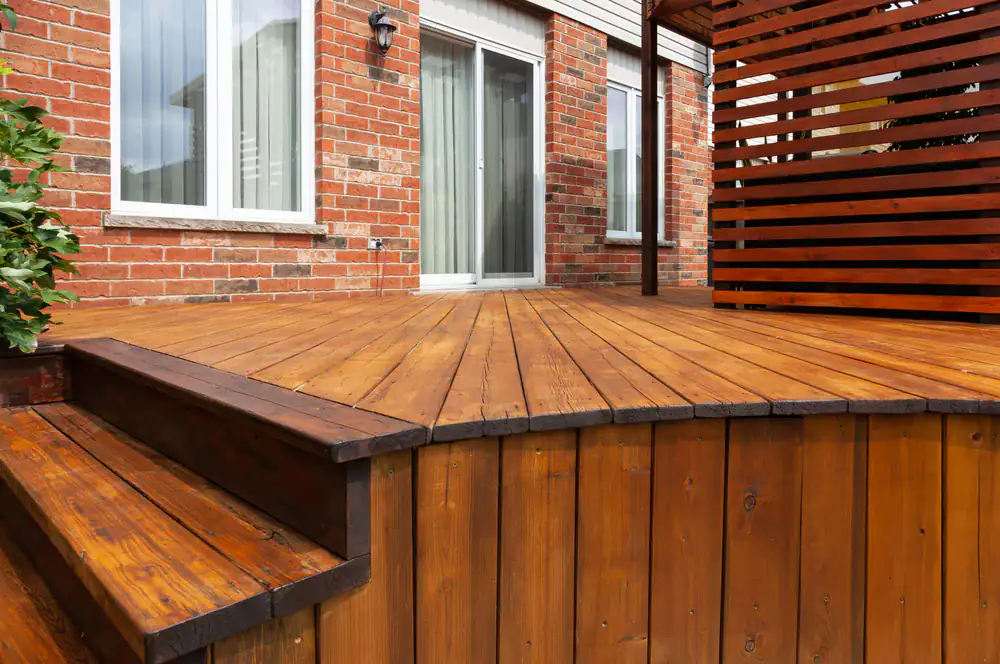
First, we come out and actually look at your deck. Not just the obvious problem you called about, but the whole structure from the foundation up. We check joists, beams, posts, ledger boards, flashing, fasteners, and railings. You get a clear assessment of what’s failing, what’s marginal, and what’s still solid.
Then we tell you what it’ll cost to fix it right. No vague estimates, no “we’ll know more once we get in there” nonsense. You’ll know what needs replacing, what materials we’re using, and how long it’ll take. If the repair costs are pushing close to what a replacement would run, we’ll tell you that too.
Once you approve the work, we pull permits if needed, order materials that are actually designed for coastal exposure, and schedule the job. We replace rotted wood, reinforce weak framing, install proper flashing, and use corrosion-resistant fasteners. When we’re done, your deck is structurally sound and safe. You’re not getting a cosmetic cover-up that’ll fail again in two years.
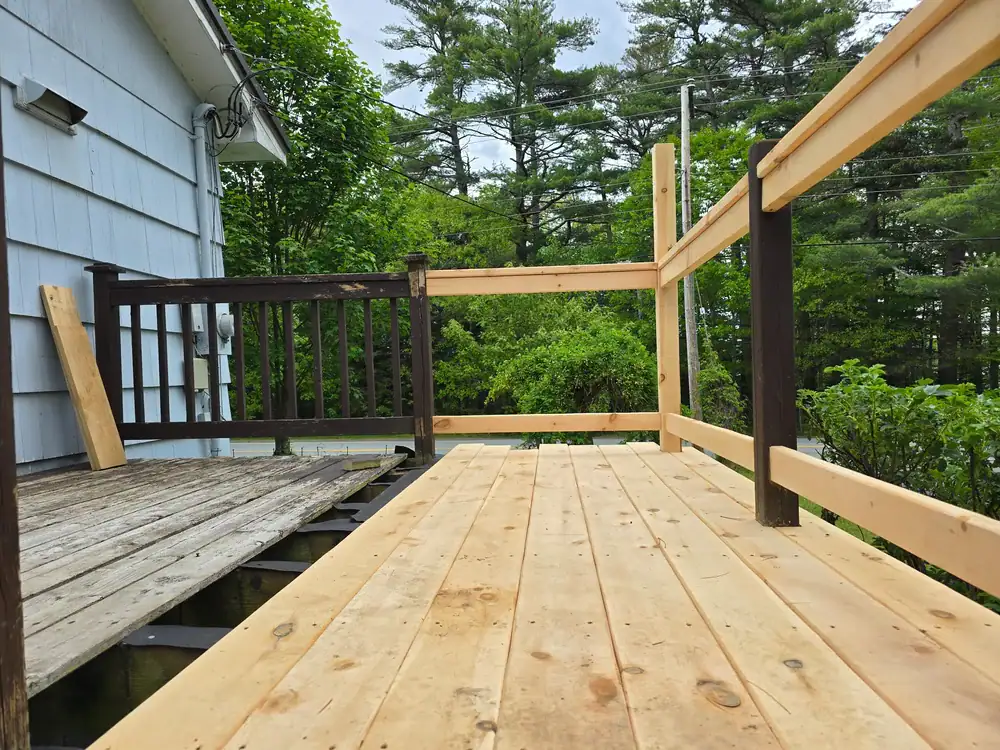
Ready to get started?
We handle structural repairs, not just surface fixes. That means replacing rotted joists and beams, reinforcing or replacing support posts, installing new ledger boards with proper flashing, and rebuilding sections of framing that have failed. If your deck is pulling away from the house, we fix the connection properly.
Surface repairs include replacing damaged decking boards, rebuilding railings that don’t meet code, fixing stairs that have settled or rotted, and addressing any splintering or surface rot. We use pressure-treated lumber for framing, and we can install composite decking if you want to avoid the maintenance cycle of wood.
In West Bay Shore, the biggest issue we see is moisture-related damage that starts at connection points. Ledger boards fail because the flashing was wrong or nonexistent. Joists rot where they sit on beams because water pools there. Posts decay at ground level because they weren’t installed with proper drainage. We fix those problems the right way, which means your repair actually lasts instead of buying you six months before the next failure.

Most deck repairs in this area run between $700 and $3,100, depending on how much structural damage there is and what needs replacing. Simple jobs like replacing a few boards or tightening railings stay on the lower end. Extensive repairs involving joists, beams, or support posts push toward the higher end.
Here’s the reality: if your repair estimate is hitting 50% or more of what a full replacement would cost, replacement usually makes more sense. You get a completely new structure built to current codes instead of pouring money into a deck that’s failing in multiple places. We’ll tell you honestly which direction makes sense for your situation.
Labor runs $50 to $100 per hour depending on the complexity of the work. Materials vary based on what you’re replacing and whether you’re sticking with wood or switching to composite. We give you a detailed estimate before any work starts so you know exactly what you’re paying for.
Start with the basics. Walk your deck and look for soft spots, loose boards, wobbly railings, or visible rot. Check where the deck attaches to your house. If you see gaps, rust stains, or the ledger board pulling away, that’s a structural problem that needs attention now.
Get underneath if you can and look at the framing. Joists should be solid, not spongy or cracked. Posts shouldn’t have soft spots or visible decay. If you see widespread rot, multiple failing components, or the deck is more than 20 years old and has never been maintained, replacement is probably the smarter move.
The decision usually comes down to cost and scope. Isolated problems like a rotted section of decking or a few bad boards are clear repair candidates. Widespread structural issues, outdated construction that doesn’t meet current codes, or damage affecting more than half the deck typically point toward replacement. We can assess your specific situation and give you an honest recommendation.
Salt air is the biggest culprit. It doesn’t just sit on surfaces, it holds moisture against wood and metal, accelerating rot and corrosion. Fasteners corrode faster here than they do inland. Wood stays damp longer, which means more opportunity for decay to take hold.
Coastal storms and nor’easters put serious stress on deck structures. Wind uplift can loosen connections. Driving rain finds every gap in your flashing and works its way into the framing. Repeated freeze-thaw cycles in winter cause fasteners to work loose and create gaps where water infiltrates.
Humidity is constant, especially in summer. Wood swells, contracts, and never fully dries out. That creates ideal conditions for mold and rot. Decks built with standard materials and techniques that work fine 30 minutes inland fail faster here because they weren’t designed for this environment. That’s why material selection and proper installation matter so much in West Bay Shore.
Simple repairs like replacing boards or fixing a railing section usually take a day or two. More involved structural work can run three to five days depending on what needs replacing and whether we’re waiting on inspections.
Weather affects the timeline more here than it does for interior work. We’re not working in the rain, and we need decent conditions for fasteners to set properly and for any sealant or finish to cure. If we’re in the middle of your job and a storm rolls in, we’ll weatherproof everything and resume when conditions clear.
We’ll give you a realistic timeline when we estimate the job. That includes material delivery, any permit requirements, and the actual repair work. You’ll know when we’re starting, how long we expect to be there, and when you’ll have your deck back. We don’t drag jobs out, and we don’t leave your deck torn apart for weeks.
It depends on the scope of work. Minor repairs like replacing a few boards or fixing a railing usually don’t require permits. Structural work involving joists, beams, support posts, or ledger boards typically does.
If we’re doing anything that affects the structural integrity of the deck or changes how it’s attached to your house, we’re pulling permits. That protects you by ensuring the work gets inspected and meets current building codes. It also protects your home’s value because unpermitted structural work can become a problem when you sell.
We handle the permit process. You’re not making trips to the building department or figuring out what documentation they need. We submit the applications, schedule inspections, and make sure everything is done to code. It adds a little time to the project, but it’s worth it to know the work is legal and safe.
For framing, pressure-treated lumber rated for ground contact is the standard. It resists rot better than untreated wood and handles moisture exposure without failing quickly. We use hot-dipped galvanized or stainless steel fasteners because standard screws and nails corrode fast in salt air.
For decking, you have options. Pressure-treated wood is the most affordable and holds up well if you maintain it with regular sealing. Composite decking costs more upfront but eliminates the maintenance cycle and resists moisture damage better than wood. It doesn’t rot, splinter, or need refinishing.
Flashing is critical and often overlooked. We use proper metal flashing at all ledger board connections to keep water from getting between the deck and your house. Cheap or missing flashing is the number one cause of structural failure in coastal deck installations. The materials matter, but so does the installation. The best lumber in the world won’t help if it’s installed wrong.
Other Services we provide in West Bay Shore