

Hear From Our Clients
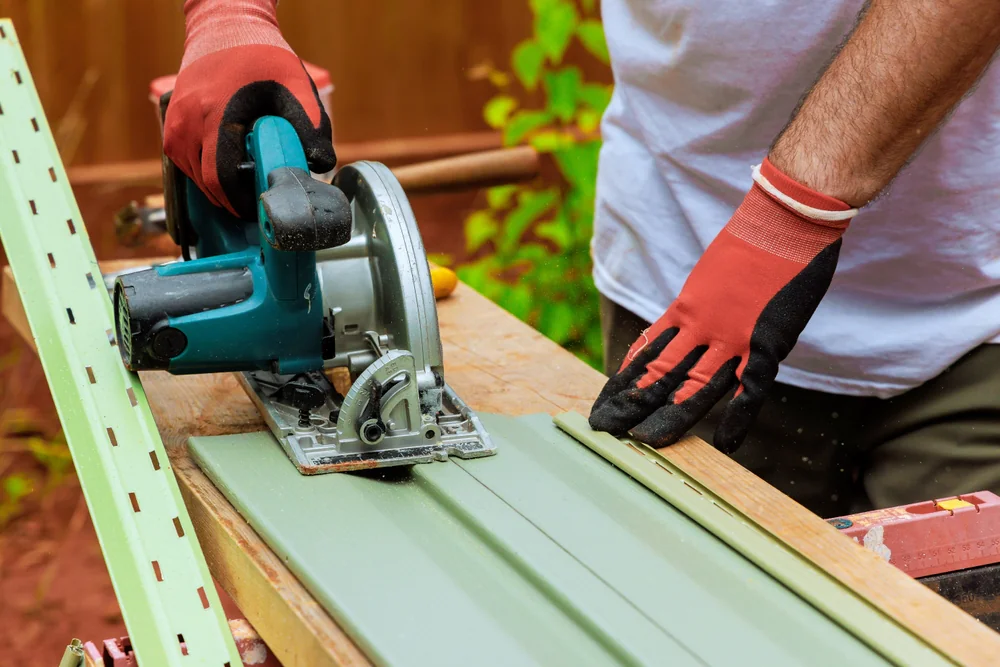
Cracked vinyl siding isn’t just ugly. It’s an open door for water to get behind your walls, and once that starts, you’re looking at mold, rot, and repair bills that make your original problem look cheap.
The longer damaged siding sits, the worse it gets. Wind catches loose panels and rips them further. Rain finds every gap. Your heating and cooling costs climb because your home can’t hold temperature anymore.
Professional siding repair stops that cycle. You get matched materials that blend with what’s already there, proper installation that actually seals against Long Island weather, and peace of mind that the problem is handled before it turns into something bigger. Your home looks whole again, your energy bills drop back to normal, and you’re not lying awake wondering what’s happening inside your walls.
Home Team Construction has spent over a decade working on homes throughout Lindenhurst and Suffolk County. We’re not a national franchise or a crew that disappears after the deposit clears.
We know what coastal weather does to siding because we see it every day. Salt air corrodes fasteners. Freeze-thaw cycles crack panels. Hurricane-season winds test every weak point in your installation. That’s why we use materials and methods built for this climate, not whatever’s cheapest at the supply house.
When you call, you’re talking to the same people who’ll show up at your house. No runaround, no vanishing act. Just straightforward work from contractors who live and work in the same communities we serve.
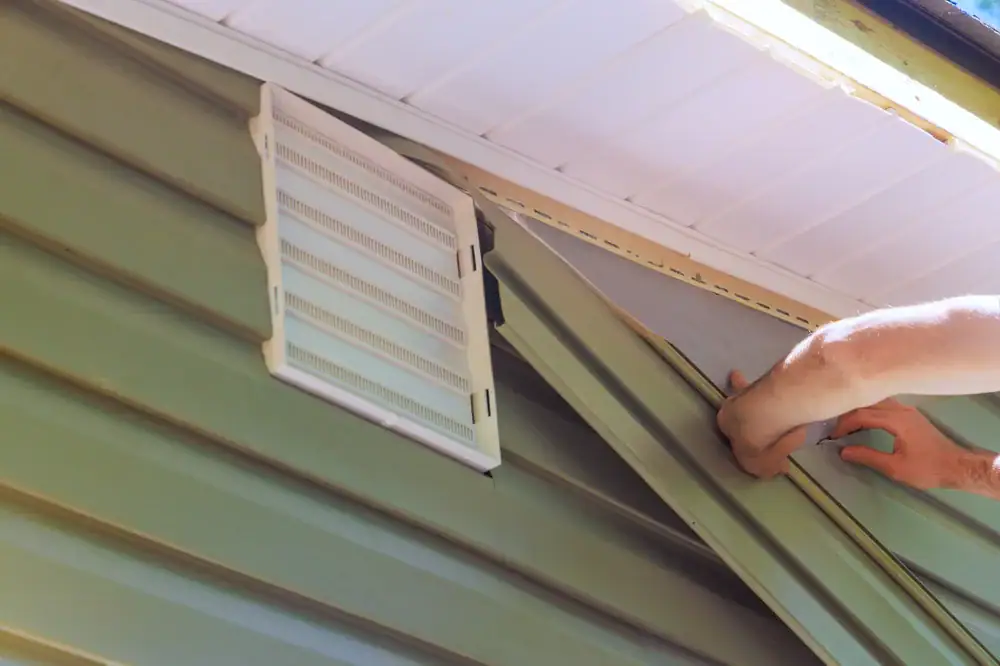
First, we come look at what’s going on. We check the visible damage, but we also look behind it because surface problems usually mean something else is happening underneath. We use moisture meters to find water infiltration you can’t see yet.
Then we tell you what needs fixing and what it’ll cost. No inflated estimates, no surprise charges later. If you’ve got storm damage and need documentation for insurance, we provide detailed assessments that adjusters actually respect.
Once you’re ready to move forward, we order materials that match your existing siding. Vinyl, aluminum, wood, fiber cement—whatever you’ve got, we match the profile, texture, and color so the repair blends in. Then we remove damaged sections, check the substrate and weather barrier, make any necessary repairs to the underlying structure, and install new siding with proper fastening and sealing. You get a repair that looks right and performs like it should.

Ready to get started?
Every siding repair job starts with damage assessment and moisture detection. We’re looking for the full extent of the problem, not just what’s obvious from the curb. That means checking behind panels, testing for water damage, and making sure your house wrap and insulation haven’t been compromised.
Material matching is critical in Lindenhurst because your home’s value depends on curb appeal. We source panels that match your existing siding’s manufacturer, color, and profile. For older homes where exact matches aren’t available anymore, we find the closest alternative and blend it properly so you can’t tell where old ends and new begins.
Installation includes proper fastening with corrosion-resistant hardware, correct overlap and spacing for coastal wind loads, and sealed seams that keep water out. We’re not just slapping up panels. We’re rebuilding your home’s weather barrier the way it should have been done originally. All work meets current Suffolk County building codes, and if permits are required, we handle that process so you don’t have to figure out what the town needs.

Most siding repairs in Lindenhurst run between $400 and $3,000 depending on how much material needs replacing and what type of siding you have. Small repairs—a few cracked panels after a storm—sit on the lower end. Larger sections damaged by years of water infiltration cost more because we’re fixing what’s behind the siding too.
Wood siding repair typically costs more than vinyl because it requires more labor and skill to match and blend properly. Aluminum siding falls somewhere in the middle. If your damage is extensive enough that you’re looking at replacing entire walls, you’re moving into the $2,000 to $8,000 range for partial replacement.
The real cost question is repair versus replacement. If you’ve got isolated damage and the rest of your siding is in decent shape, repair makes sense. If we’re finding rot, widespread cracking, or failure across multiple walls, replacement becomes the smarter investment because you’re not just chasing problems anymore.
Yes, in most cases we can match your existing siding closely enough that you won’t notice the repair from the street. Vinyl and aluminum siding manufacturers keep consistent product lines, so if your siding is relatively recent, we can usually source exact matches for profile and color.
Older siding presents more challenge because manufacturers discontinue colors and styles. In those situations, we find the closest available match and use installation techniques that blend old and new sections. Sometimes that means replacing siding on an entire wall rather than patching the middle, because that gives you clean lines where the eye expects transitions.
Wood siding is the most forgiving for matching because we can mill custom profiles and stain to match your existing finish. Fiber cement can be painted to match perfectly. The key is working with someone who understands that your home’s appearance matters and takes the time to get it right instead of slapping up whatever’s in the truck.
Small repairs—replacing a few damaged panels—usually take half a day once we’ve got materials on site. Larger repairs involving multiple walls or significant underlying damage can take two to three days depending on what we find when we open things up.
The timeline depends on material availability too. Common vinyl siding profiles we can usually source within a few days. Specialty materials, custom colors, or discontinued products take longer to track down. If you’ve got active water infiltration, we’ll tarp and seal the area immediately so weather can’t make things worse while we’re waiting on materials.
Storm damage repairs often move faster because we keep common materials in stock during hurricane season and winter. If a nor’easter rips through Lindenhurst and damages siding across the neighborhood, we’re ready to respond quickly instead of waiting weeks for suppliers to catch up with demand.
Insurance typically covers siding damage caused by sudden events like storms, falling trees, or impact damage. What they don’t cover is gradual deterioration from age, poor maintenance, or wear and tear. The key is proving that recent weather caused the damage, which is why calling quickly after a storm matters.
We provide detailed documentation including photos, measurements, and written assessments that insurance adjusters take seriously. We note wind speeds from recent storms, document impact points, and show the difference between fresh damage and existing wear. That documentation strengthens your claim significantly.
Some insurance companies try to depreciate claims based on your siding’s age, paying only a portion of replacement cost. Others cover full replacement if storm damage is clear. We’ve worked with enough claims in Suffolk County to know what adjusters look for, and we can help you understand what your policy likely covers before you file. Just know that the sooner you document damage after a storm, the stronger your claim stands.
Fiber cement and high-quality vinyl siding perform best in Lindenhurst’s coastal climate. Fiber cement doesn’t rot, resists salt air corrosion, holds paint well, and stands up to impact better than most alternatives. The downside is higher upfront cost and more expensive repairs if damage occurs.
Insulated vinyl siding offers good durability at a lower price point. Modern vinyl formulations resist fading and cracking better than older products, and insulated versions improve energy efficiency noticeably. The key is choosing thicker gauge vinyl with proper UV inhibitors, not the thin builder-grade stuff that warps after five years.
Wood siding looks beautiful but requires more maintenance in coastal areas. Salt air accelerates rot if the finish fails, and you’re repainting or restaining every few years to keep it protected. Cedar holds up better than pine, but you’re still fighting Long Island weather constantly. Aluminum siding is durable and low-maintenance but dents easily and shows wear at the seams over time. What matters most is proper installation regardless of material—the best siding in the world fails if it’s not fastened and sealed correctly for coastal wind and water.
Yes, we provide emergency response for storm damage that’s actively letting water into your home. If a nor’easter or summer storm rips panels loose and you’ve got exposed walls, that’s an emergency because every hour of exposure means more water damage inside.
We’ll come out, assess what’s happening, and tarp or temporarily seal the damaged area to stop immediate water infiltration. That buys time to order proper materials and schedule full repairs without your home taking more damage in the meantime. Emergency calls get priority because we know that waiting days while water pours into your walls turns a siding problem into a structural problem.
Our response time depends on how widespread the damage is across Lindenhurst and surrounding areas. After major storms, we triage based on severity—active leaks and exposed interiors first, cosmetic damage second. But we’ll get to your house as quickly as possible and make sure it’s protected while we line up the full repair. Having a local contractor who answers the phone and actually shows up makes all the difference when you’re standing in your yard watching rain soak into your walls.
Other Services we provide in Lindenhurst