

Hear From Our Clients
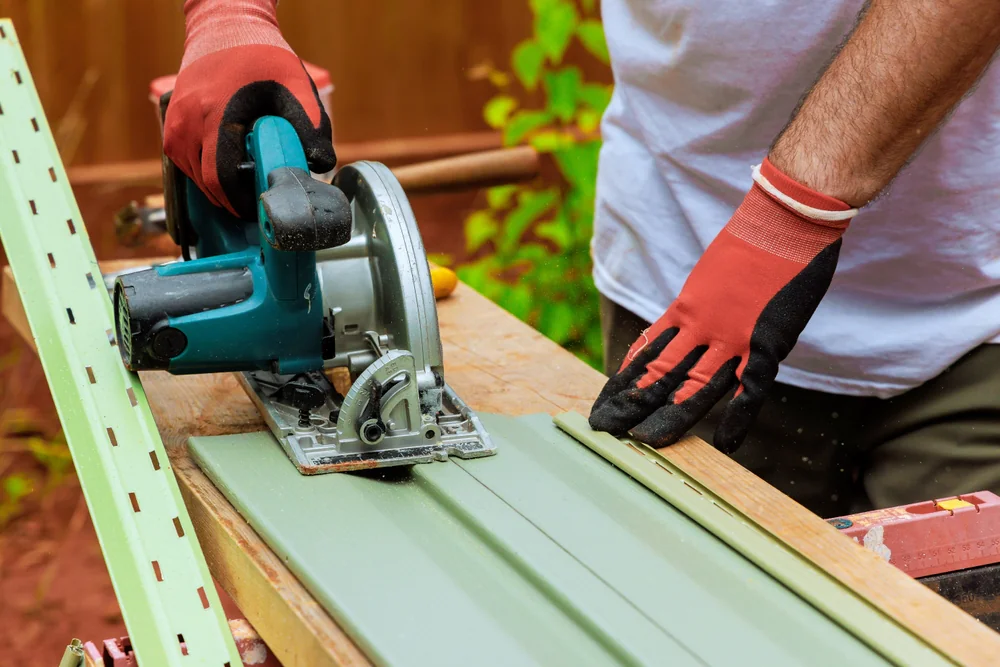
That crack in your siding isn’t just ugly. Water’s already getting behind it, soaking into your wall sheathing, creating problems you can’t see yet.
The longer you wait, the worse it gets. What starts as a $500 panel replacement turns into thousands in structural repairs once moisture reaches the framing. You’ve seen it happen to neighbors.
Here’s what changes when you fix it now. Your home stays dry during the next storm. Your energy bills stop climbing because air isn’t leaking through gaps. The repair blends in so well that visitors can’t tell where the damage was. And you stop worrying every time wind picks up or rain hits sideways.
We work throughout Suffolk County, and we’ve repaired siding on everything from 1960s colonials to newer construction in East Setauket. We know what Long Island Sound’s salt air does to exterior materials.
You won’t get subcontractors. Every crew member works directly for us, trained on coastal construction techniques that matter here. We’re licensed, we show up when we say we will, and we don’t disappear after the job.
Most of our work comes from recommendations. That happens when you do the repair right, match colors perfectly, and actually return calls.
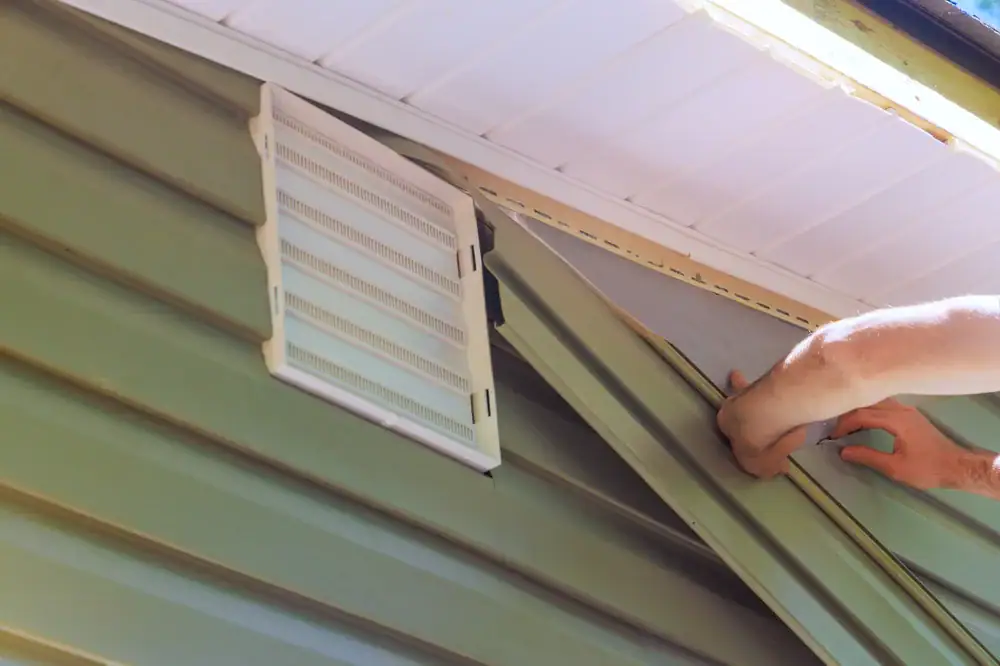
First, we inspect the full extent of damage. Not just the obvious broken panel, but what’s happening underneath and around it. We check for water infiltration, examine the moisture barrier, and look at the sheathing behind your siding.
Then we give you a detailed estimate that breaks down materials and labor. No vague line items. You’ll know exactly what you’re paying for and why.
During the repair, we remove damaged sections carefully to avoid breaking surrounding panels. We replace any compromised sheathing or house wrap. Then we install new siding using marine-grade fasteners and proper flashing techniques designed for coastal conditions.
Color matching gets handled before we start. We bring samples to your house, check them in different light, and make sure the repair will blend seamlessly. If your siding’s been discontinued, we work with suppliers who can custom-match unusual shades.
Most repairs take one to three days. We protect your home from weather during the work, clean up completely, and walk you through what we did.

Ready to get started?
Vinyl siding repair is our most common job. Panels crack from impact or temperature swings. They fade unevenly from UV exposure. Wind gets underneath and rips them off during storms. We replace individual panels or entire sections, depending on what your house needs.
Wood siding repair requires different expertise. Cedar shakes rot from moisture trapped behind them. Clapboards split along the grain. We restore wood siding using materials that match your home’s original character, then seal everything properly to prevent future deterioration.
Aluminum siding repair involves fixing dents, replacing bent sections, and addressing corrosion from salt air. Aluminum lasts decades in most climates, but coastal environments accelerate breakdown. We use techniques specific to metal siding that prevent future oxidation.
Storm damage gets priority scheduling. When wind or hail damages your siding, water infiltration becomes an immediate risk. We can help document damage for insurance claims and start emergency repairs the same day you call.

Most siding repairs in Suffolk County run between $500 and $3,000, depending on damage extent and material type. A simple vinyl panel replacement might cost $500-$800. Repairing an entire wall section with underlying water damage could reach $2,500-$3,500.
Here’s what affects your cost. Material type matters—wood siding repair costs more than vinyl because it requires more labor and specialized materials. The damage location impacts price too. Second-story repairs cost more than ground-level work because of equipment and safety requirements.
Hidden damage changes everything. What looks like a small problem on the surface might reveal rotted sheathing or compromised framing once we remove the siding. We can’t know the full scope until we inspect it properly. That’s why detailed estimates matter more than ballpark figures over the phone.
Yes, but it takes effort. Your existing siding has been fading from UV exposure and salt air for years. That weathering creates color shifts that make exact matching nearly impossible without the right approach.
We bring physical samples to your house and check them against your siding in different lighting conditions. Morning light shows different tones than afternoon sun. What looks perfect in shade might look off in direct light. We don’t guess.
For discontinued colors or unusual shades, we work with suppliers who specialize in custom color matching. They can analyze your existing siding and create new panels that blend seamlessly. Sometimes we’ll replace a full wall section instead of just the damaged area, which guarantees perfect color consistency and often costs less than you’d expect.
The goal is a repair where you can’t tell work was done. That’s possible with the right materials and attention to detail.
Most repairs finish in one to three days. Simple jobs like replacing a few damaged vinyl panels take four to six hours. Larger repairs involving multiple walls or underlying structural work might need two to three full days.
Weather affects the timeline. We can’t install siding in heavy rain or when temperatures drop below manufacturer specifications. If conditions change mid-job, we’ll protect your home with temporary weatherproofing and resume as soon as it’s safe to continue.
Emergency repairs get handled faster. If storm damage is letting water into your walls, we’ll secure the opening immediately—sometimes the same day you call. Then we’ll schedule the permanent repair as quickly as possible.
The real question isn’t how long the repair takes. It’s how long you can afford to wait before that small problem becomes a big one. Water damage spreads fast once it gets behind your siding.
Probably, if the damage came from a specific weather event like the August 2024 flooding or a windstorm. Most homeowners policies cover sudden damage from wind, hail, or falling debris. They don’t cover gradual deterioration from age or lack of maintenance.
Here’s how to handle it. Document everything with photos before any repairs start. Note the date of the storm that caused damage. Get a detailed estimate that separates storm damage from pre-existing issues.
We can help with insurance claims. We’ll provide documentation that shows what damage is storm-related and what’s not. We’ll work with your adjuster to explain what repairs are necessary and why. We’ve done this hundreds of times.
Your deductible matters. If the repair costs $1,200 and your deductible is $1,000, filing a claim might not make sense. But if you’re looking at $5,000 in damage, insurance should cover most of it. We’ll give you accurate numbers so you can make an informed decision.
We stop, show you exactly what we found, and explain your options before doing any additional work. No surprises on the final bill.
Hidden damage is common with siding repairs. You can’t see what’s behind the panels until they come off. Sometimes we find rotted sheathing. Sometimes the moisture barrier is compromised. Sometimes there’s mold on the framing that needs remediation.
When that happens, we’ll take photos, walk you through what needs to be fixed, and give you a clear estimate for the additional work. You decide whether to proceed. If the extra damage is extensive, you might want to contact your insurance company before continuing.
Most hidden damage isn’t catastrophic. Often it’s an extra $300-$800 to replace some sheathing and house wrap. But you deserve to know about it and approve the cost before we continue. That’s just basic respect for your time and money.
Salt air from Long Island Sound accelerates material breakdown in ways that don’t happen inland. The corrosive environment attacks siding from the outside while humidity works from behind. Standard repair techniques that work fine in other areas fail here within a few years.
Marine-grade fasteners matter. Regular nails and screws corrode quickly in coastal conditions, leading to panels pulling loose during storms. We use stainless steel or specially coated fasteners rated for salt air exposure.
Flashing and sealing techniques need to be more aggressive. Water doesn’t just drip down your walls here—wind drives it horizontally into every gap and seam. We seal penetrations and overlaps more thoroughly than code requires because we know what happens if we don’t.
Material selection makes a difference too. Some siding products hold up better in coastal environments than others. We recommend materials specifically engineered for salt air and high humidity, not just whatever’s cheapest at the supplier. Your repair should last as long as the original installation, and that only happens with the right approach.
Other Services we provide in Setauket