

Hear From Our Clients
You stop worrying about what’s happening inside your walls. Water stays outside where it belongs. Your heating bill drops because cold air isn’t sneaking through gaps. Your home looks clean and maintained instead of neglected.
That’s what proper siding repair does. It’s not cosmetic. Damaged siding lets moisture into places it shouldn’t go—behind insulation, into wall cavities, under window frames. Once water gets in, you’re looking at mold, rot, and repair bills that climb fast.
West Bay Shore sits right on the water. Salt air corrodes aluminum. Wind-driven rain finds every crack in vinyl. Winter freeze-thaw cycles split wood. Your siding takes a beating here, and when it fails, the damage spreads quickly. Fixing it now costs hundreds. Waiting costs thousands.
Home Team Construction has spent over a decade repairing siding for homeowners across Suffolk County. We’re licensed, insured, and we show up when we say we will. No runarounds. No disappearing after the deposit clears.
Our crews know what coastal weather does to homes in West Bay Shore. We’ve replaced rotted wood siding on century-old colonials. We’ve patched vinyl after nor’easters ripped panels off. We’ve re-sealed aluminum that corroded from salt spray. This isn’t our first rodeo, and it shows in how we work.
You’re not getting a crew that learned siding repair on YouTube last month. You’re getting people who’ve done this hundreds of times, in your town, on homes just like yours.
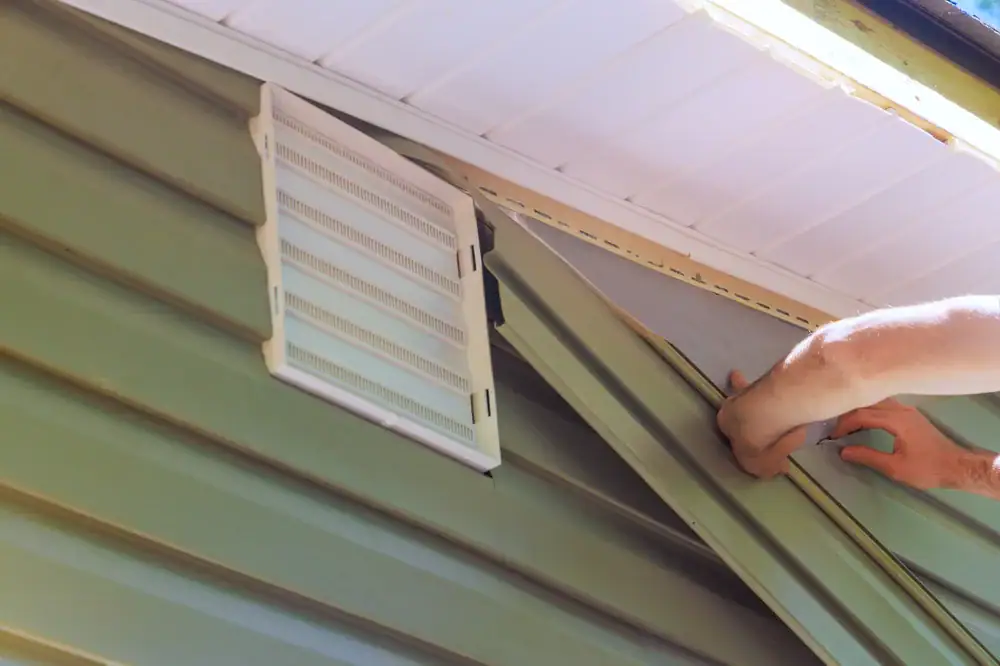
First, we inspect the damage. Not just the obvious stuff—we check behind panels, around windows, under trim. We’re looking for water intrusion, rot, and structural issues you can’t see from the curb. You get a clear explanation of what’s wrong and what it’ll take to fix it right.
Then we give you an honest estimate. No inflated numbers. No surprise charges later. Just a straightforward price for the work that actually needs doing. If you’ve got insurance covering storm damage, we’ll document everything you need for your claim.
Once you approve, we schedule the repair. We pull off damaged sections carefully so we don’t crack adjacent panels. We replace any rotted sheathing or house wrap underneath—because fixing siding without fixing what’s behind it is pointless. Then we install new material that matches your existing siding in type, color, and profile. We seal every seam, check every overlap, and make sure water has zero chance of getting through.
The job site gets cleaned up completely. You shouldn’t have to pick up a single nail. And you get a warranty on our work, because we stand behind what we do.

Ready to get started?
We handle every type of siding common in West Bay Shore. Vinyl siding repair usually means replacing cracked or warped panels and re-securing loose sections. Wood siding repair involves cutting out rotted boards, treating for moisture, and installing primed replacement planks that match your existing profile. Aluminum siding repair covers dent removal, panel replacement, and re-caulking seams that have separated from thermal expansion.
Every repair includes a full moisture check. We’re not just slapping new material over hidden water damage. If your sheathing is wet or your house wrap is torn, we fix that first. Otherwise you’re just covering up a problem that’ll come back worse.
West Bay Shore homes face specific challenges. You’re a mile from the Great South Bay. Salt air accelerates corrosion on metal fasteners and aluminum panels. High winds during storms turn loose siding into projectiles. Winter ice dams force water up under bottom courses. We account for all of this when we repair your siding, using materials and methods that hold up to coastal conditions.
Most repairs take one to three days depending on extent. Emergency repairs for storm damage can often start within 24 hours, because we know that exposed sheathing in the rain is a ticking clock.

Small repairs—replacing a few cracked vinyl panels or re-securing loose sections—usually run $300 to $800. Larger jobs involving multiple walls, rotted sheathing replacement, or extensive wood siding repair can range from $1,500 to $5,000 depending on material type and damage extent.
Aluminum siding repair tends to cost more per square foot than vinyl because panels are harder to match and require specialized tools. Wood siding repair varies widely based on wood type, profile complexity, and how much rot we find once we open things up.
The real cost isn’t the repair itself—it’s what you pay if you don’t fix it. Water damage behind failed siding can easily hit $10,000 to $15,000 once you’re replacing studs, insulation, drywall, and dealing with mold remediation. Spending $2,000 now beats spending $12,000 later.
Usually, yes. Vinyl siding has been standardized for decades, so matching color and profile is straightforward for most homes built after 1990. We bring samples to your house and compare in natural light before ordering anything.
Wood siding matching depends on your existing profile—clapboard, shiplap, board-and-batten, shakes. We can match most common profiles, and for custom millwork we work with local suppliers who can replicate what you have. Stain and paint matching is simple.
Aluminum siding is trickier. If your home was sided in the 70s or 80s with a discontinued color or texture, perfect matching might not be possible. In those cases we discuss options: repair with the closest available match, paint the repaired section to blend, or consider replacing a full wall so the seams aren’t obvious.
A properly done repair should last as long as your original siding. If we’re replacing vinyl panels, those panels have the same 20 to 30 year lifespan as the rest of your siding. Wood repairs using primed, painted lumber and proper flashing should give you 15 to 25 years depending on exposure and maintenance.
The key is fixing what’s underneath. If we replace siding but leave wet sheathing or torn house wrap, the repair fails within a few years. That’s why we always check and address moisture issues during the repair.
West Bay Shore’s coastal environment does accelerate wear. Salt air corrodes fasteners. UV exposure fades color. Freeze-thaw cycles stress joints. We account for this by using stainless steel fasteners in high-exposure areas, applying extra sealant at seams, and recommending periodic inspections every few years to catch small issues before they become big ones.
It depends on your policy and what caused the damage. Most standard homeowners policies in New York cover sudden, accidental damage from wind, hail, or falling debris. If a nor’easter rips panels off or a tree branch punches through your siding, that’s typically covered minus your deductible.
Gradual deterioration isn’t covered. If your siding is rotting because it’s 40 years old and wasn’t maintained, insurance won’t pay for that. But if a storm exposes pre-existing rot that you didn’t know about, there’s often some coverage for the hidden damage even if the siding replacement itself isn’t covered.
We document everything with photos and detailed notes. If you’re filing a claim, we provide the documentation your adjuster needs. We’ve worked with every major insurer operating in Suffolk County. We know what they require, and we make the claims process as straightforward as possible. Just don’t wait weeks to call—insurance companies want prompt reporting, and exposed damage gets worse fast.
Visible cracks, holes, or missing panels are obvious. But there are less obvious signs that matter more. If you see bubbling or warping in vinyl siding, that’s heat damage or moisture trapped behind it. If wood siding feels soft when you press on it, that’s rot starting. If aluminum siding has white powdery corrosion or separated seams, water is getting in.
Inside your house, look for water stains on walls or ceilings near exterior walls. Check for peeling paint or wallpaper. Feel for drafts around outlets on exterior walls. These all suggest your siding is failing and letting moisture or air through.
Your heating bill is another clue. If it’s climbing and you haven’t changed your thermostat habits, failing siding could be letting conditioned air escape. In West Bay Shore, where winter wind comes straight off the water, even small gaps in siding create noticeable drafts and energy loss. If you’re seeing any of these signs, get it checked now. Siding damage accelerates. Small problems become expensive problems faster than most homeowners expect.
Yes. If a storm just ripped siding off your house, call us. We prioritize emergency repairs because exposed sheathing and house wrap deteriorate quickly when hit with rain. Even 48 hours of exposure can soak insulation and start mold growth inside your walls.
We can typically get someone to your property within 24 hours for assessment. If it’s a true emergency—like a large section of siding torn off with rain in the forecast—we’ll do temporary weatherproofing the same day if possible. That might mean tarping, temporary panels, or sealing exposed areas until we can schedule the full repair.
West Bay Shore gets hit hard during nor’easters and the occasional hurricane remnant. We’re used to the post-storm rush. We don’t price-gouge during emergencies, and we don’t disappear after doing a quick patch job. You get the same quality repair whether it’s an emergency or scheduled work. The only difference is timing.
Other Services we provide in West Bay Shore