

Hear From Our Clients
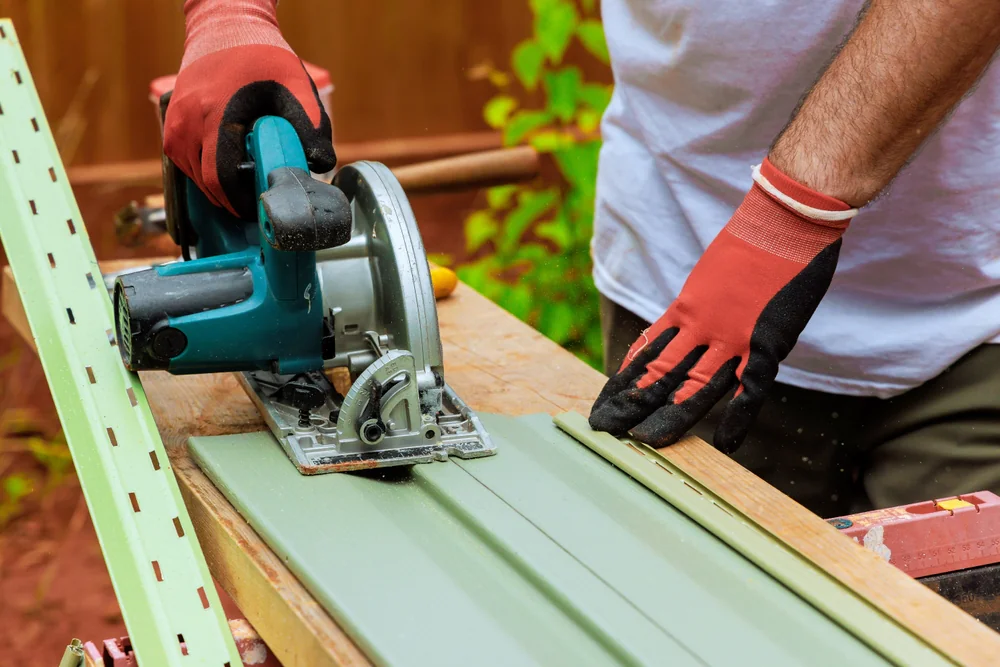
Your home stays dry when storms roll through. No more worrying about what’s happening behind those cracked panels or where that water stain came from.
You’re not patching the same spot every season because we finally fixed the root cause—not just slapped caulk over the symptom. The repair holds up against Suffolk County’s coastal weather, the salt air, the temperature swings that crack inferior work within months.
Your energy bills drop because conditioned air stays inside instead of leaking through gaps. Your insurance stays valid because the work meets manufacturer specs. And you stop thinking about your siding entirely, which is exactly how it should be.
That’s what professional siding repair does. It removes the problem from your list instead of just pushing it down the road.
We’ve spent over a decade solving siding problems across Suffolk County. We’re licensed, insured, and we’ve seen what happens when repairs get done wrong—which is why we don’t cut corners.
Elwood homes face unique challenges. The salt air eats through coastal installations faster than inland properties. The August 2024 storm that dropped over nine inches of rain in 24 hours exposed every weak point in aging siding across the area. We’ve repaired the damage from that storm and dozens like it.
We’re not the cheapest option, and that’s intentional. You’re paying for repairs that address why the problem happened, not just what you can see from the curb. That means fewer callbacks, no warranty violations, and work that actually protects your home when the next storm hits.
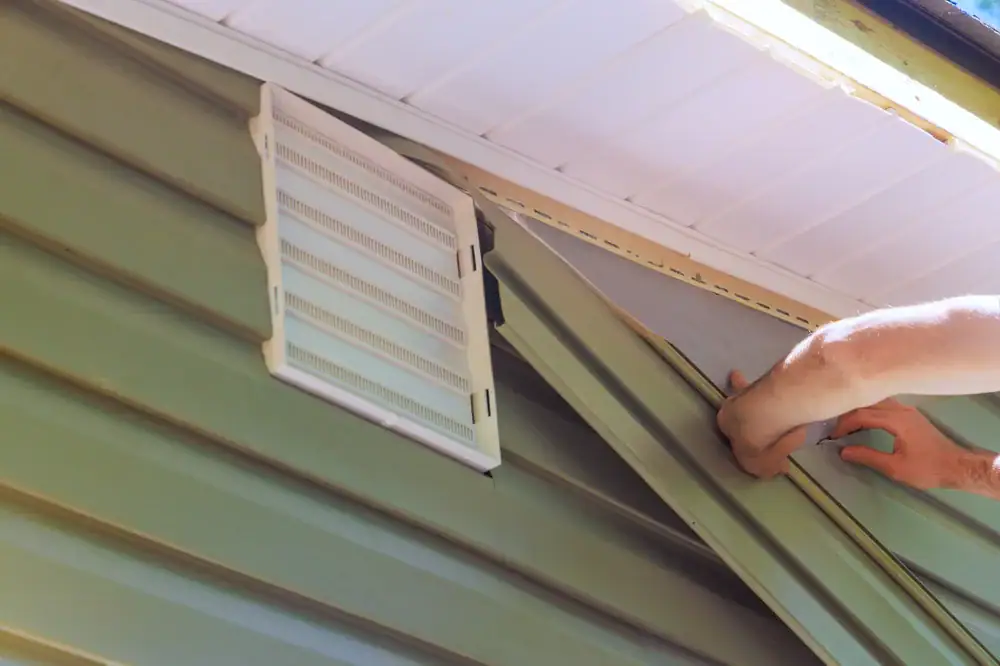
First, we come out and inspect the damage. Not just the obvious stuff—we’re looking for what caused it. Improper flashing, missing house wrap, installation errors that guarantee the problem comes back if you only replace the visible panel.
You get a clear explanation of what’s wrong and what it takes to fix it right. We break down the scope, the timeline, and the cost before any work starts. No surprises, no upselling services you don’t need.
Then we make the repair. We match your existing siding material—vinyl, aluminum, wood, fiber cement—and we install it to manufacturer specifications so your warranty stays intact. We seal it properly, we check the underlying structure, and we clean up completely when we’re done.
Most repairs wrap up in a day. Emergency storm damage gets same-day response. You’re back to a watertight home without the multi-week wait that larger renovations require.

Ready to get started?
Every siding repair includes a full assessment of the damaged area and the surrounding structure. We check for water infiltration, inspect the sheathing and house wrap, and verify that your wall cavity hasn’t already sustained damage that needs addressing before we close it back up.
We source materials that match your existing siding. That’s harder than it sounds—discontinued colors, older profiles, regional variations in vinyl formulations. We track down the right match so your repair blends in instead of standing out like a patch job.
The work meets Long Island’s specific building requirements and coastal installation standards. That matters for insurance claims and resale value. Homes in Elwood with documented, professional exterior work command higher prices than comparable properties with visible DIY repairs or deferred maintenance.
You also get guidance on whether repair makes sense or if replacement is the smarter move. Sometimes a $400 repair buys you five more years. Sometimes it’s throwing money at siding that’s failing in multiple places, and you’re better off replacing the affected wall. We’ll tell you which situation you’re in.

We offer same-day service for emergency repairs when storms cause immediate damage. If you call in the morning, we’re typically on-site that afternoon to assess and often complete the repair.
Speed matters because water damage accelerates fast. A crack that lets rain into your wall cavity can cause mold growth within 24 to 48 hours. The sooner we seal it, the less chance you’re dealing with remediation costs on top of the siding repair.
For non-emergency work, we usually schedule within three to five business days. But if your siding is actively leaking or you’ve got panels missing after high winds, you’re getting bumped to the front of the line. We’ve been through enough Long Island storms to know that waiting isn’t an option when your home is exposed.
Yes, in most cases. We work with suppliers across Long Island who stock a wide range of profiles, colors, and materials—including discontinued lines that aren’t available at big box stores.
Vinyl siding is usually the easiest to match because manufacturers maintain consistent product lines. Aluminum can be trickier, especially if your home was sided in the 1970s or 80s, but we’ve sourced matches for decades-old installations. Wood siding gets matched by species, profile, and finish—we can mill custom pieces if your home has unique trim details.
The goal is a repair that disappears. If we can’t get an exact match, we’ll explain your options: whether that’s replacing a full wall section for consistency, painting the repair to blend, or accepting a close-but-not-perfect match that still functions perfectly. You decide what trade-off makes sense for your home and budget.
Coastal weather is the biggest factor. Salt air corrodes aluminum and accelerates paint failure on wood. Temperature swings cause expansion and contraction that loosens fasteners and cracks brittle vinyl. Wind-driven rain finds every gap in the installation and pushes water behind the siding.
Improper installation is the second major cause. Siding nailed too tight can’t move with temperature changes, so it buckles or cracks. Missing or damaged house wrap lets water reach the sheathing. Inadequate flashing around windows and doors creates leak points that rot the structure behind the siding.
Age plays a role too. Vinyl siding installed in the 1990s becomes brittle after 25-plus years of UV exposure. Wood siding needs repainting every 7-10 years or it starts to rot. Aluminum develops fatigue cracks at stress points. Homes in Elwood built in the 1960s and 70s are hitting the age where original siding needs serious attention or full replacement.
Not if it’s done correctly by a licensed contractor following manufacturer installation guidelines. Most siding warranties require professional installation and professional repairs to remain valid.
DIY repairs are where homeowners run into trouble. If you patch damaged siding yourself and later file a warranty claim for material failure, the manufacturer can deny coverage based on improper installation. Same thing happens if you hire an unlicensed handyman who doesn’t follow the installation manual.
We document our work and use manufacturer-approved methods specifically to protect your warranty. That includes proper fastener placement, correct overlap, appropriate expansion gaps, and compatible materials for flashing and trim. You get an invoice that proves the work was done to spec, which matters if you ever need to make a claim or if a home inspector questions the repair during a future sale.
Small repairs—a few cracked panels, a section damaged by a ladder or flying debris—usually run $300 to $800 depending on material and access. That covers labor, materials, and any minor trim work needed to complete the repair.
Larger repairs involving multiple walls, water damage remediation, or sheathing replacement can range from $1,500 to $4,000-plus. If we’re tearing off damaged siding and discovering rotted plywood underneath, the scope expands. But you’ll know that before we proceed—we don’t surprise you with costs after the work is done.
Insurance often covers storm damage repairs minus your deductible. We can work directly with your insurance adjuster and provide documentation they need for the claim. The key is acting fast—waiting weeks to report damage can lead to claim denials if the insurance company decides the damage worsened due to neglect.
Repair makes sense when damage is localized and the rest of your siding is in good shape. If a storm cracked three panels on your north wall but everything else is solid, repair is the cost-effective choice.
Replace when you’re fixing the same areas repeatedly, when damage is widespread, or when your siding is near the end of its lifespan anyway. Vinyl siding lasts 20-40 years depending on quality and exposure. Wood siding needs replacement every 30-50 years. If your home is pushing those limits and you’re sinking money into repairs, replacement delivers better long-term value.
We’ll walk you through the math during the inspection. Sometimes a $2,000 repair on siding that needs replacing in three years doesn’t make sense compared to a $12,000 replacement that solves the problem for the next 30 years. Other times, a quick repair buys you time to budget for eventual replacement without leaving your home exposed right now. The right answer depends on your specific situation, and we’re not going to push you toward the bigger job if repair genuinely solves your problem.
Other Services we provide in Elwood