Hear From Our Clients

You stop worrying every time you light a fire. The draft works. Smoke goes up instead of back into your living room. Water stops finding its way into your attic after every storm.
A full chimney replacement means you’re not patching the same problems year after year. You get a structure built to handle what Long Island throws at it—freeze-thaw cycles, coastal humidity, salt air that eats through mortar joints faster than most people realize.
Your heating system runs safely. Your home value holds. You’re not scrambling to find someone available when the first cold snap hits and half the chimneys in Suffolk County start acting up at once.
We’ve spent more than 10 years working on homes across South Huntington and Suffolk County. We’re licensed, insured, and we live here too—so the work we do reflects on us locally.
We’ve seen what coastal weather does to chimneys that weren’t built right the first time. We know which materials hold up and which ones fail after one winter. When we give you an estimate, it’s clear and upfront—no runaround, no surprise fees halfway through the job.
You’re hiring people who understand Long Island’s building codes, weather patterns, and what it actually takes to rebuild a chimney that lasts.
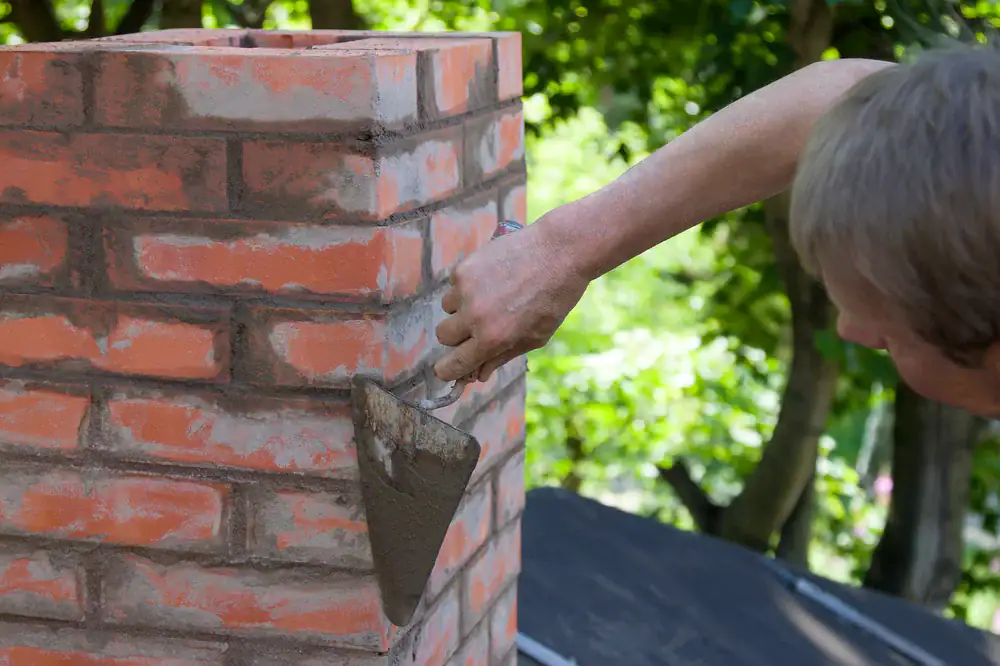
We start with an inspection to see what’s salvageable and what needs to go. Sometimes the damage is obvious—leaning stack, crumbling brick, water stains spreading across your ceiling. Other times it’s hidden inside the flue or behind the flashing.
Once we know the full scope, we give you a detailed estimate. No vague line items. You’ll know what the chimney replacement costs before we touch a brick.
Demo comes next. We take down the damaged structure carefully—roofline stays protected, debris gets cleared daily, and we’re not leaving a mess in your yard for weeks. Then we rebuild from the roofline up using materials rated for coastal conditions. New flashing gets installed properly so water can’t sneak in. Chimney liner replacement happens if needed—stainless steel holds up better than clay tile in Long Island’s climate. Chimney cap replacement is standard. We pull permits, schedule inspections, and make sure everything meets local code.
You get a chimney that works the way it should.

Ready to get started?
A complete chimney replacement covers everything from the roofline up. That means tearing out the old chimney stack, rebuilding the masonry structure with weather-resistant materials, and making sure the whole system is sealed against Long Island’s coastal humidity and salt air.
Chimney flue replacement is part of the process when the old liner is cracked or deteriorating. We install stainless steel liners that resist moisture better than the clay tiles most older homes have. Chimney flashing replacement comes standard—new step flashing and counter flashing that actually keeps water out instead of funneling it into your attic.
You also get a new chimney cap to keep rain, animals, and debris out of the flue. If your chimney crown is cracked, we rebuild that too. Everything gets waterproofed for coastal conditions because standard treatments don’t hold up here.
In South Huntington and across Suffolk County, chimneys take a beating from nor’easters, summer storms, and that constant salt-laden air. We build knowing that. The materials we use, the way we seal joints, the flashing details—it’s all designed to last in this specific climate, not just pass inspection.

Most complete chimney replacements in South Huntington run between $10,000 and $15,000, but that range shifts based on chimney height, accessibility, and how much of the structure needs rebuilding. A short single-story chimney costs less than a two-story stack that requires scaffolding.
Chimney liner replacement adds to the total if your flue needs a stainless steel insert. Chimney cap replacement and new flashing are usually included in full rebuild pricing, but if you’re keeping part of the existing structure, those might be separate line items.
Long Island’s higher labor costs and stricter building codes mean you’ll pay more here than you would inland, but you’re also getting work that has to meet tougher standards. Cheap chimney replacement often means cutting corners on materials or skipping proper waterproofing—and that shows up fast in coastal weather. You’ll spend the difference fixing it within a few years.
Spring and summer are ideal because weather conditions are stable and we have more flexible scheduling. You’re not competing with everyone else who just discovered their chimney is shot right before heating season starts.
Winter often reveals chimney problems—smoke backing up, water stains appearing, drafts that weren’t there before—but winter is the worst time to actually do the work. Mortar doesn’t cure properly in freezing temperatures. Rain delays stretch jobs out for weeks. And you’re stuck without a working fireplace or venting system while your heating bills climb.
Fall gets busy fast. Every homeowner who ignored their chimney all summer suddenly wants it fixed before Thanksgiving. Wait times get longer, costs sometimes go up, and if the inspection reveals you need a full replacement, you’re looking at a rushed job or waiting until spring anyway. Book early if you want the work done before cold weather hits.
If your chimney is leaning, the answer is replacement. Structural tilt means the foundation or masonry has failed, and no amount of repointing is going to fix that safely.
Severe mortar deterioration across most of the stack usually means replacement makes more sense than repair. You can patch a few bad joints, but if the entire chimney is crumbling, you’re just delaying the inevitable and spending money twice.
Water damage inside the home—stains on ceilings, rotting wood around the chimney, moisture in the attic—often indicates problems deep in the chimney structure. Sometimes that’s fixable with chimney flashing replacement and a new liner. Other times the damage has spread too far and a rebuild is the only real solution.
A camera inspection shows what’s happening inside the flue. Cracks in the liner, missing mortar, gaps where heat and gases can escape into your walls—that’s when chimney liner replacement or a full rebuild becomes necessary. If you’re not sure, get an honest assessment from someone who’s not trying to upsell you. We can tell you within 20 minutes whether repair will actually hold up or if you’re wasting money.
Water damage spreads fast once it starts. What begins as a small leak turns into rotted roof decking, damaged framing, and mold in your attic. The longer you wait, the more expensive the fix becomes—and eventually you’re paying for roof repairs and structural work on top of the chimney replacement.
A deteriorating chimney creates serious fire hazards. Cracks in the flue liner let heat and sparks reach combustible materials in your walls. Gaps in the masonry allow gases to escape where they shouldn’t. Carbon monoxide doesn’t always trigger detectors before someone gets sick.
Leaning or unstable chimneys can collapse. A full chimney stack falling through your roof causes catastrophic damage—and if it happens during a storm, you’re dealing with emergency repairs at emergency prices while also trying to find temporary housing.
Ignoring the problem doesn’t make it cheaper. It makes it dangerous. And in South Huntington’s coastal climate, chimney deterioration accelerates once it starts. Salt air and freeze-thaw cycles don’t slow down because you’re hoping to get another year out of a failing structure.
Yes. Local building codes in South Huntington and across Suffolk County require permits for chimney replacement. The permit process ensures the work meets structural and safety standards, and it protects you if something goes wrong.
We handle permits as part of the job. We pull them, schedule inspections, and make sure everything passes before we consider the project complete. If someone tells you permits are optional or offers a discount to skip them, walk away. Unpermitted work can cause problems when you sell your home, and your insurance might not cover damage from unpermitted construction.
Inspections happen at different stages—usually after demo, during construction, and at completion. Inspectors check that the chimney is structurally sound, properly flashed, and vented correctly. It adds a few days to the timeline, but it’s not negotiable. Cutting corners on permits means cutting corners on safety, and that’s not a risk worth taking with something as critical as your chimney.
Coastal humidity and salt air accelerate deterioration. Moisture doesn’t just hit your chimney during rainstorms—it’s in the air constantly, penetrating masonry surfaces and breaking down mortar joints year-round. Salt speeds up the process, corroding metal components and weakening brick.
Freeze-thaw cycles hit harder here because the moisture trapped in your chimney’s masonry freezes during winter cold snaps, expands, and cracks the structure from the inside. Inland chimneys face freezing temperatures too, but they’re not dealing with the same constant moisture exposure that makes Long Island chimneys especially vulnerable.
Storm surges and nor’easters bring wind-driven rain that finds every weak point in your chimney’s defenses. Standard flashing and waterproofing that works fine in drier climates fails here within a few years. That’s why chimney replacement in South Huntington requires materials and techniques specifically rated for coastal conditions—not just whatever’s cheapest or easiest to install.
Other Services we provide in South Huntington