Hear From Our Clients

You’re not looking at another patch job. When your chimney has cracks running through the masonry, a deteriorating liner, or structural damage that keeps coming back, replacement is the only real fix.
A new chimney system eliminates the cycle of temporary repairs. You get a structure built to handle Long Island’s freeze-thaw cycles, coastal salt air, and decades of use without the constant worry about carbon monoxide leaks or fire hazards.
Your heating system works efficiently again. Your home value holds. And you’re not scheduling emergency calls every winter because something else gave out. That’s what a complete chimney replacement does—it closes the chapter on ongoing problems and gives you a system that actually works.
We work throughout Yaphank and Suffolk County, handling chimney replacements for homes dealing with the specific wear patterns Long Island weather creates. We’re licensed, insured, and familiar with local building codes that govern chimney height, materials, and fire safety requirements.
Our crews understand how coastal conditions accelerate chimney deterioration here. Salt air eats through mortar faster than inland areas. Winter moisture freezes in cracks and expands the damage each season. We account for these factors in every replacement we complete.
You’re working with contractors who’ve seen what happens when chimneys aren’t built to last in this climate. We don’t cut corners on materials or installation because we know what fails and why.
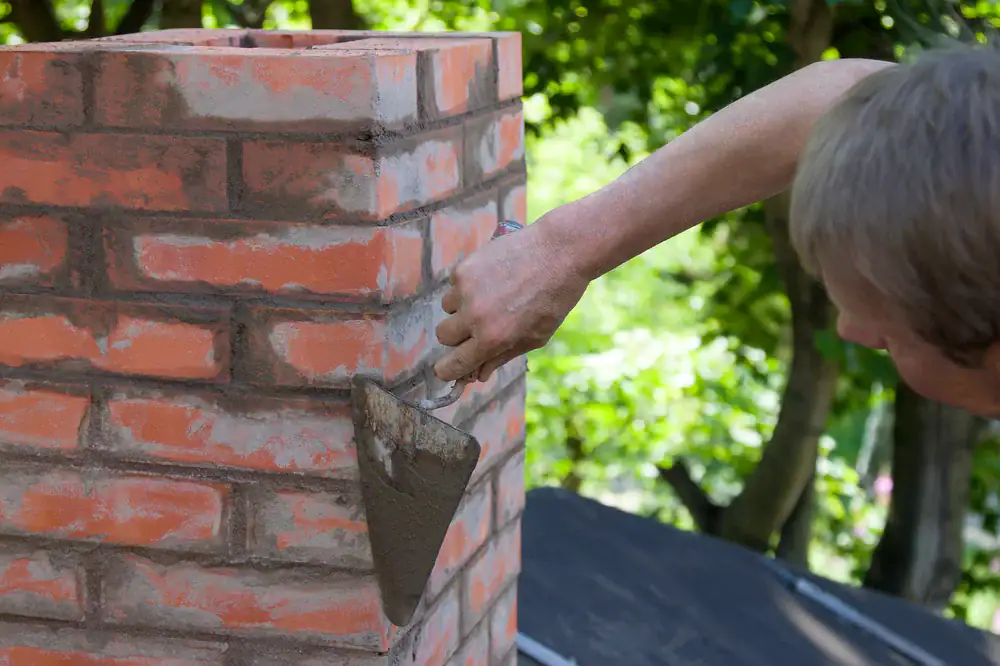
We start with a full structural assessment. That means checking your chimney from the foundation to the crown, documenting damage, and determining whether you need a complete rebuild or if certain components like the chimney liner replacement or chimney cap replacement can be addressed individually.
Once we’ve mapped out the scope, we pull the necessary permits and schedule the work around your timeline. The old chimney comes down carefully—we’re protecting your roof, your home’s interior, and the surrounding property throughout the demo.
The new chimney goes up with fire-resistant materials that meet New York State code. We’re talking proper flue sizing, correct clearances, a liner that’s rated for your heating system, and a structure that extends at least three feet above your roofline. Every component gets installed to manufacturer specs.
Before we leave, you get a final walkthrough. We explain what was replaced, what to expect from the new system, and how to maintain it. You also get documentation for your records and insurance.

Ready to get started?
A full chimney replacement covers everything from below the roofline to the top. That includes the chimney stack replacement, new masonry or prefab materials depending on your home’s needs, and proper flashing replacement to prevent water intrusion where the chimney meets your roof.
The chimney liner gets replaced with a system rated for your specific heating appliance—whether that’s a fireplace, wood stove, or gas furnace. The liner is what keeps combustion gases contained and prevents heat transfer to combustible materials in your walls. It’s not optional.
You also get a new chimney cap to keep rain, animals, and debris out of the flue, plus a crown that sheds water away from the masonry. In Yaphank and throughout Suffolk County, these components take a beating from weather. Replacing them as part of the full system means everything is built to work together and last.
We handle permits, inspections, and code compliance. Your new chimney is built to the same standards as new construction, which matters for safety, insurance, and resale value.

Repairs work when damage is localized—a few cracked bricks, a damaged cap, or minor mortar deterioration. Replacement becomes necessary when the damage is structural or widespread throughout the system.
If you’re seeing large cracks running through multiple courses of brick, if the chimney is leaning or separating from the house, or if the liner is deteriorating and can’t be relined, you’re looking at replacement. Same goes for chimneys where the masonry is spalling badly—that’s when the brick faces are flaking off due to moisture damage that’s compromised the integrity of the material.
Another indicator is age combined with ongoing problems. If your chimney is 50+ years old and you’re constantly patching different issues, replacement often makes more financial sense than continuing to pour money into a system that’s failing in multiple areas. A mason or chimney contractor can give you a definitive answer after a thorough inspection, but if the word “structural” comes up, you’re usually past the repair stage.
Complete chimney replacement in Yaphank typically runs between $4,000 and $15,000 depending on the height of the chimney, materials used, and whether you’re rebuilding above the roofline only or doing a full rebuild from the foundation up.
A straightforward replacement on a single-story home with standard masonry might land closer to the lower end. Two-story homes, chimneys with multiple flues, or jobs requiring structural repairs to the roof or surrounding areas will cost more. If you’re going with a prefab metal chimney system instead of traditional masonry, that can sometimes reduce costs, but it depends on your home’s setup and local code requirements.
Labor costs on Long Island run higher than national averages, and Suffolk County has strict building codes that add to the expense through permit fees and inspection requirements. That said, a properly installed chimney replacement lasts 50 to 100+ years with basic maintenance. You’re not doing this again. Get a detailed written estimate that breaks out materials, labor, permits, and any additional work like roof repairs or flashing replacement so you know exactly what you’re paying for.
Most chimney replacements take between three days and two weeks depending on the scope of work, weather conditions, and permit approval timelines. The actual demolition and rebuild might only take a few days, but you need to factor in inspection schedules and material delivery.
For a standard residential chimney replacement, expect the physical work to take about three to five days. Day one is usually demo and prep. Days two through four cover the rebuild—new masonry or prefab installation, liner installation, flashing, cap, and crown work. Day five is cleanup and final inspection if needed.
Weather plays a role, especially with masonry work. You can’t lay brick or work with mortar in freezing temperatures or heavy rain, so winter projects sometimes stretch longer due to weather delays. Permitting in Suffolk County can add a week or two on the front end depending on how busy the building department is. We’ll give you a realistic timeline upfront and keep you updated if anything changes. The key is not rushing the work—proper curing time for mortar and correct installation matter more than speed.
Homeowners insurance typically covers chimney replacement if the damage resulted from a covered peril like a lightning strike, fire, or storm damage. It usually won’t cover replacement needed due to age, wear and tear, or lack of maintenance.
If a tree falls on your chimney during a storm, that’s likely covered. If your chimney is deteriorating because it’s 60 years old and hasn’t been maintained, insurance will probably deny the claim. The key is whether the damage was sudden and accidental versus gradual and preventable.
Before you file a claim, get a professional assessment that documents the cause of damage. If it’s storm-related or sudden structural failure, take photos, get a written estimate, and contact your insurance company. Be aware that filing a claim can affect your premiums, so if the replacement cost is close to your deductible, you might be better off paying out of pocket. Some policies also have specific exclusions for masonry or chimney damage, so review your policy or talk to your agent before assuming you’re covered. If insurance does cover it, you’ll still need to use a licensed contractor and provide proper documentation throughout the process.
No. If your chimney needs replacement, it’s not safe to use your fireplace, wood stove, or any appliance vented through that chimney until the work is complete.
Damaged chimneys create serious risks. Cracks in the liner or masonry can allow carbon monoxide to seep into your living space. Structural damage means the chimney might not contain heat properly, which creates a fire hazard. Deteriorated flue liners can allow creosote buildup to ignite and spread to the wooden framing inside your walls.
Even if the chimney looks okay from the outside, internal damage you can’t see makes it dangerous to operate. This is especially true if the chimney liner is compromised—that’s your main protection against heat transfer and gas leaks. If we or another contractor or inspector has told you the chimney needs replacement, treat that as a red flag to stop using it immediately. Find alternative heating if needed, but don’t risk a chimney fire or carbon monoxide poisoning while waiting for the replacement work to be scheduled. The few weeks of inconvenience aren’t worth the potential consequences of using a compromised chimney system.
Yes, we handle chimney cap replacement and chimney flashing replacement as standalone services if those are the only components that need attention. You don’t always need a full chimney replacement to address specific failing parts.
Chimney caps wear out from weather exposure and typically need replacement every 15 to 25 years depending on the material. A damaged or missing cap lets water into the flue, allows animals to nest in the chimney, and can create drafting problems. Replacing just the cap is a straightforward job that prevents bigger problems down the road.
Flashing is what seals the gap between your chimney and roof. When flashing fails, water gets into your home around the chimney base, causing roof damage, ceiling stains, and rot in the framing. Chimney flashing replacement involves removing the old flashing, installing new step flashing and counter flashing, and sealing everything properly. It’s common to replace flashing when you’re doing roof work, but it can also be done independently if that’s where the leak is coming from.
If you’re unsure whether you need a full replacement or just specific components like the cap, liner, or flashing, a thorough inspection will tell you exactly what’s failing and what’s still sound. We can handle individual component replacement or the complete system depending on what your chimney actually needs.
Other Services we provide in Yaphank