
Hear From Our Clients

You’re not dealing with water stains on your ceiling anymore. No more worrying whether that crack is getting worse or if you’ll make it through another winter without a leak.
Your heating system vents properly. Carbon monoxide goes where it’s supposed to—outside, not into your home. The flashing around your chimney actually keeps water out instead of funneling it into your walls.
When we replace your chimney in Setauket, you’re getting materials designed for Long Island’s freeze-thaw cycles and salt air. That means the chimney stack, liner, cap, and flashing all work together to protect your home from the weather patterns that destroy chimneys here faster than anywhere inland. You’re also getting work that meets Suffolk County building codes and comes with a real warranty—not just a handshake and a hope that it holds up.
We’ve been handling chimney replacements across Setauket and Suffolk County since 2005. We’ve seen what happens when chimneys aren’t built to handle coastal conditions—and we’ve fixed enough of them to know exactly what works here.
We’re licensed, insured, and we live in the same weather you do. When we say a chimney liner replacement or chimney stack replacement will hold up, it’s because we’ve already done hundreds of them in neighborhoods just like yours. We know which materials last and which ones fail after a few North Shore winters.
You’ll get a free estimate that breaks down exactly what needs replacing and why. No pressure, no runaround—just honest answers from people who’ve been doing this long enough to know the difference between a repair that buys you time and a replacement that solves the problem for good.
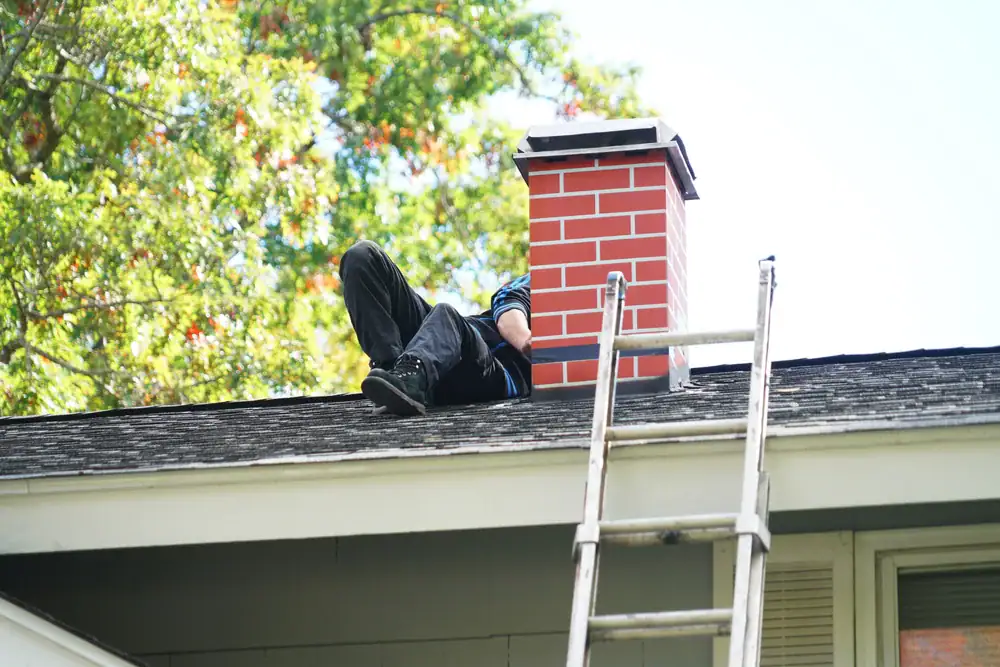
First, we come out and inspect your chimney—top to bottom. We’re looking at the chimney stack, the flue, the liner, the cap, and the flashing. We’ll tell you what’s failing, what’s salvageable, and what needs to be replaced to actually fix the problem.
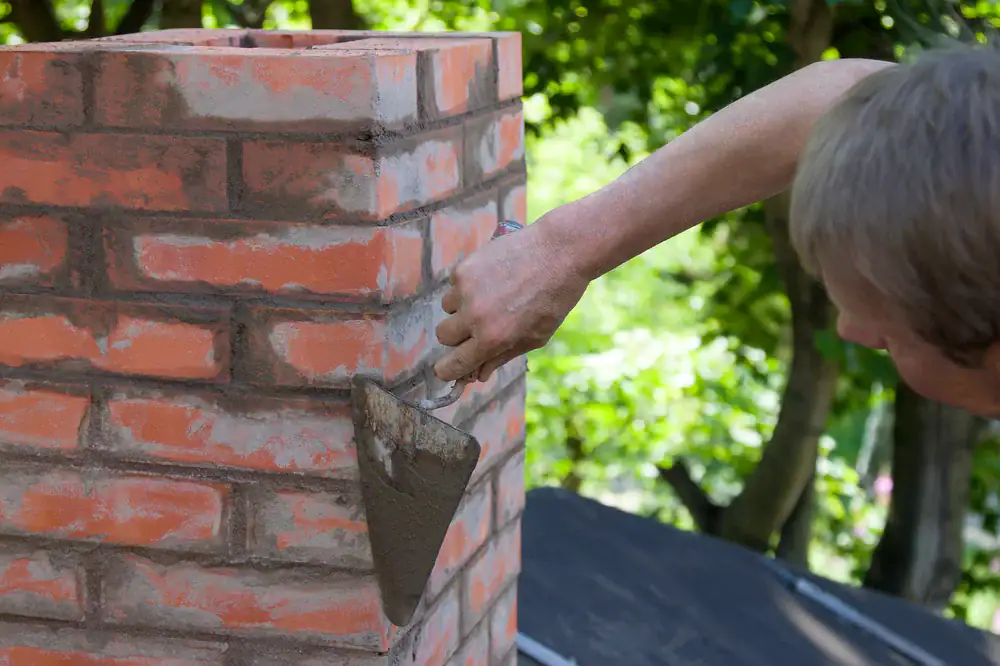
If you decide to move forward, we handle the permits and schedule the work. Most chimney replacements in Setauket take two to four days depending on the scope. We tear out the damaged sections, rebuild the chimney stack with materials rated for coastal exposure, install a new stainless steel liner if needed, and seal everything with proper flashing and a chimney cap that keeps water and animals out.
You’re not left guessing what’s happening. We walk you through each phase, clean up the site daily, and make sure your roof is protected throughout the process. When we’re done, you get documentation for your records and insurance, plus a warranty that covers both materials and labor. If something’s not right, we come back and make it right.

Ready to get started?
A full chimney replacement in Setauket includes everything that’s failing—not just the visible parts. That typically means the chimney stack gets rebuilt with masonry designed to resist moisture and freeze-thaw damage. The flue gets relined with a stainless steel chimney liner that’s sized correctly for your heating system and built to last decades.
Chimney flashing replacement is part of every job because that’s where most leaks start. We install new step flashing and counter flashing that actually integrates with your roof, not just sits on top of it. You also get a new chimney cap with a spark arrestor and mesh screening to keep water, debris, and animals out of your flue.
For Setauket homeowners, this matters more than it does inland. Your chimney faces salt air corrosion, wind-driven rain off the Long Island Sound, and temperature swings that crack mortar faster than most people expect. The materials we use account for that. We’re not installing the same chimney you’d see in Pennsylvania—we’re building for Long Island’s coastal environment, which means better waterproofing, corrosion-resistant components, and construction methods that hold up when the weather doesn’t cooperate.

Most full chimney replacements in Setauket run between $9,000 and $15,000, but the actual cost depends on the height of your chimney, how much of the structure needs replacing, and whether you need a new liner or just the exterior stack rebuilt. If your chimney is leaning, has fire damage, or requires extensive masonry work, you could be looking at $20,000 or more.
Partial replacements cost less. A chimney cap replacement might run $300 to $600. Chimney liner replacement typically falls between $2,500 and $5,000 depending on the type of liner and flue size. Chimney flashing replacement usually costs $800 to $1,500 if that’s the only issue.
The reason costs run higher on Long Island than the national average is partly labor, but it’s also materials. You need components that can handle coastal weather, and those cost more upfront—but they also last longer, which is why we recommend doing it right the first time instead of paying for repairs every few years.
If your chimney is over 50 years old and you’re seeing multiple issues—cracks in the masonry, water stains inside your home, loose or missing bricks, or a deteriorating chimney crown—you’re usually better off replacing it. Repairs make sense when the damage is isolated to one area, like a damaged flue tile or worn flashing.
Here’s the test: if fixing the current problems costs more than half of what a replacement would run, replacement is the smarter move. You’re not just patching things up—you’re getting a chimney built with modern materials that will outlast what’s there now.
In Setauket and across Long Island, we see a lot of chimneys that have been repaired multiple times but never actually fixed. The freeze-thaw cycles and coastal moisture keep breaking down the same weak points. At that stage, you’re throwing money at a chimney that’s going to keep failing. Replacement stops that cycle and gives you a structure that’s designed for the conditions it’s actually facing.
September through early November is ideal. You’re past the summer storm season, so any damage is already visible, and you’re ahead of the heating season, which means you’re not scrambling to get it done before the first cold snap in December.
Scheduling during this window also gives you better availability. Contractors aren’t buried in emergency calls yet, and the weather is still mild enough that the work goes smoothly. Mortar cures properly in moderate temperatures, and there’s less risk of rain delays.
You can replace a chimney in winter if it’s an emergency—like a collapsing chimney stack or a flue that’s venting smoke into your home—but it’s harder. Cold temperatures slow down the curing process for mortar and sealants, and snow or ice can delay the job. If you’re dealing with an urgent situation, we’ll make it work, but if you have the option to plan ahead, fall is your best bet for a smooth project and a chimney that’s ready before you need it.
It depends on what caused the damage. If your chimney was damaged by a sudden event—like a lightning strike, a fallen tree, or a fire—your homeowners insurance will usually cover the replacement. You’ll need documentation, which is why we provide detailed reports and photos that you can submit with your claim.
If the damage is from wear and tear, age, or lack of maintenance, insurance typically won’t cover it. That includes cracks from freeze-thaw cycles, deteriorating mortar, or a chimney that’s been leaking for years. Insurers consider that normal aging, and it’s the homeowner’s responsibility to maintain the structure.
One thing worth knowing: some insurance policies require regular chimney inspections to maintain coverage. If you file a claim and can’t show that you’ve been keeping up with inspections, they may deny it. That’s why we recommend annual inspections for Long Island homeowners—not just for safety, but to protect your coverage if something does go wrong. If you’re not sure what your policy covers, check before the damage gets worse. Waiting too long can turn a covered event into an out-of-pocket expense.
A properly built chimney replacement should last 50 to 100 years, but that depends on the materials used and how well it’s maintained. Masonry chimneys built with quality materials and correct flashing can easily hit the century mark. Stainless steel chimney liners typically last 30 to 50 years, and chimney caps last 20 to 30 years depending on exposure.
On Long Island, the lifespan is shorter than it would be inland because of the coastal environment. Salt air accelerates corrosion, freeze-thaw cycles crack mortar faster, and wind-driven rain tests every seal. That’s why the materials matter. If your chimney is built with standard components, you might only get 30 to 40 years before you’re dealing with major repairs again.
We build chimneys in Setauket with that in mind. You’re getting materials rated for marine environments, flashing that’s designed to move with your roof without breaking the seal, and construction techniques that account for the weather patterns here. You should still schedule inspections every few years to catch small issues before they turn into big ones, but the chimney itself should outlast most of the other components on your home.
No. Once we start tearing out sections of your chimney, the flue is open to the elements and the structure isn’t safe to vent smoke or gases. That means no fireplace, no wood stove, and if your furnace or water heater vents through the chimney, those need to be temporarily disconnected or rerouted.
Most chimney replacements take two to four days, so you’re not without heat for long. If your heating system depends on the chimney and we’re replacing it during cold weather, we’ll work with you to minimize downtime—sometimes that means scheduling the work in phases or setting up temporary venting if it’s an option.
The bigger concern is safety. A partially demolished chimney can’t vent carbon monoxide properly, and using your fireplace or heating system during the replacement puts you and your family at risk. It’s not worth it. Once the chimney is rebuilt, the liner is installed, and everything is sealed and inspected, you’re good to go. Until then, the fireplace stays cold and the heating system stays off or vented another way.
Other Services we provide in Setauket